Precision and Power: Navigating Alignment Shops for Lifted Trucks
Precision and Power: Navigating Alignment Shops for Lifted Trucks
The roar of a lifted truck engine, the commanding presence on the road, and the thrill of off-road adventures are undeniable. For many enthusiasts, a lifted truck isn’t just a vehicle; it’s a statement, a lifestyle, and a finely tuned machine. However, transforming a stock truck into a formidable lifted beast introduces a host of new considerations, especially when it comes to maintaining its handling, safety, and performance. This is where alignment shops for lifted trucks become indispensable. These specialized facilities are not your average tire shop; they possess the unique expertise, advanced equipment, and understanding of altered suspension geometry required to keep your elevated ride tracking true.
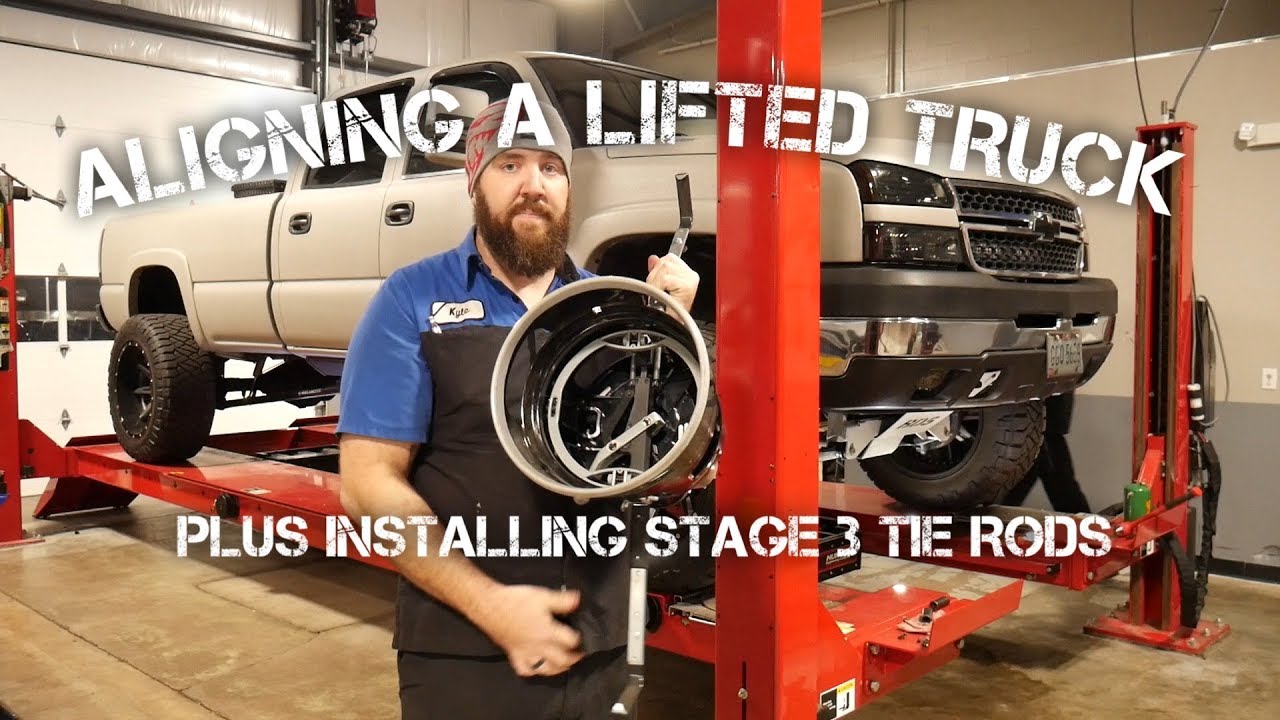
An alignment shop for lifted trucks specializes in adjusting the angles of your wheels to ensure they are parallel to each other and perpendicular to the ground. This meticulous process is crucial because lifting a truck fundamentally alters its suspension geometry, impacting critical alignment angles such as caster, camber, and toe. Without proper adjustment, a lifted truck can suffer from premature tire wear, erratic steering, reduced stability, and compromised safety. Understanding the importance of these specialized shops is the first step in ensuring your lifted truck performs as powerfully and reliably as it looks.
Why Lifted Trucks Demand Specialized Alignment Expertise
Lifting a truck isn’t just about adding bigger springs or taller shocks; it’s a comprehensive modification that changes the vehicle’s center of gravity and the relationships between its suspension components. Here’s why standard alignment shops often fall short, and why specialized expertise is paramount:
- Altered Suspension Geometry: Lift kits, whether basic spacers or complex long-travel systems, change the angles at which suspension components connect. This directly impacts caster, camber, and toe, often pushing them out of factory specifications.
- Increased Stress on Components: Larger tires and wheels add significant unsprung weight, increasing stress on ball joints, tie rods, and wheel bearings. Proper alignment helps distribute these forces evenly, extending component life.
- Unique Adjustment Methods: Many lifted truck setups require specialized adjustable components (e.g., adjustable control arms, cam bolts, shims) that standard shops may not be familiar with or equipped to handle.
- Heavy-Duty Equipment: Lifted trucks, especially those with larger tires, require heavy-duty alignment racks and sensors capable of accommodating their size and weight. Standard passenger car equipment is often insufficient.
- Safety and Handling: Incorrect alignment can lead to dangerous handling characteristics, such as wandering, bump steer, and poor high-speed stability. Specialized shops understand how to correct these issues to restore safe and predictable driving dynamics.
Decoding Lifted Truck Alignment Geometry: Caster, Camber, and Toe
To truly appreciate the work of alignment shops for lifted trucks, it’s essential to understand the three primary alignment angles they adjust:
- Caster: This is the angle of your steering axis when viewed from the side of the vehicle.
- Positive Caster: The steering axis is tilted towards the rear of the vehicle. This helps with straight-line stability and steering wheel self-centering, much like the front wheel of a bicycle. Lift kits often reduce positive caster, leading to a "wandering" feeling.
- Negative Caster: The steering axis is tilted towards the front.
- Impact on Lifted Trucks: Maintaining adequate positive caster is critical for straight-line stability, especially at highway speeds. Lift kits can significantly reduce caster, making the truck feel unstable.
- Camber: This is the angle of the wheel relative to the road surface when viewed from the front of the vehicle.
- Positive Camber: The top of the wheel tilts outward.
- Negative Camber: The top of the wheel tilts inward.
- Impact on Lifted Trucks: Lift kits can sometimes introduce excessive positive or negative camber, leading to uneven tire wear (outer edge for positive, inner edge for negative) and reduced traction. Adjustable control arms or camber bolts are often used to correct this.
- Toe: This refers to how much the front of the wheels points inward or outward relative to each other when viewed from above.
- Toe-in: The front of the wheels points slightly inward. This promotes straight-line stability but can cause feathering on the outer edges of tires if excessive.
- Toe-out: The front of the wheels points slightly outward. This can improve turn-in response but may lead to instability and inner tire wear.
- Impact on Lifted Trucks: Toe is often the easiest angle to adjust but is critical for preventing scrubbing and premature tire wear. Lift kits frequently throw toe out of spec.
What to Look for in an Alignment Shop for Lifted Trucks
Choosing the right shop is paramount. Here’s a checklist of what to seek out:
- Experience with Lift Kits: The shop should openly advertise and demonstrate experience with various lift kit brands and types (e.g., suspension lifts, body lifts, coil-overs, leaf springs).
- Specialized Equipment:
- Heavy-Duty Alignment Rack: Capable of handling the weight and wheelbase of your truck.
- Advanced 3D Imaging Systems: For precise measurements, often required for custom setups.
- Specialized Tools: For adjusting aftermarket components like adjustable control arms, track bars, and pitman arms.
- Trained Technicians: Look for ASE-certified technicians, particularly those with certifications in suspension and steering. They should understand how different lift kits affect geometry and the nuances of adjusting non-OEM components.
- Diagnostic Capabilities: A good shop will perform a thorough pre-alignment inspection to identify worn or damaged suspension components that need replacement before alignment can be effective.
- Reputation and Reviews: Check online reviews, ask for referrals from other lifted truck owners, and look for shops known for quality work and customer service.
- Warranty on Work: A reputable shop will stand behind its alignment services.
- Open Communication: They should be able to clearly explain the issues, the proposed solutions, and the cost involved.
The Alignment Process for Lifted Trucks: A Step-by-Step Guide
While specific steps may vary, a typical alignment process for a lifted truck at a specialized shop involves:
- Pre-Alignment Inspection: The technician will inspect all suspension and steering components for wear, damage, or looseness. Worn ball joints, tie rods, or bushings must be replaced before alignment can be performed accurately. They will also check tire pressure and condition.
- Vehicle Setup: The truck is driven onto a specialized alignment rack. Sensors are attached to each wheel.
- Measurements: The alignment system uses lasers or 3D imaging to precisely measure the current caster, camber, and toe angles of all four wheels.
- Comparison to Specifications: These measurements are compared to factory specifications or custom specs provided for specific lift kits.
- Adjustments: The technician will make necessary adjustments. This often involves:
- Adjusting tie rods for toe.
- Using cam bolts or shims for camber.
- Adjusting control arms or using specific offset bushings for caster.
- For trucks with adjustable track bars, ensuring the axle is centered under the vehicle.
- Post-Adjustment Measurements: After adjustments, the system takes new measurements to confirm all angles are within tolerance.
- Test Drive: A crucial step. The technician will perform a test drive to ensure the truck handles correctly, the steering wheel is centered, and there are no abnormal noises or pulling.
- Final Report: You’ll receive a detailed report showing "before" and "after" alignment readings.
Benefits of Proper Lifted Truck Alignment
Investing in professional alignment offers numerous advantages:
- Extended Tire Life: Evenly distributed tire wear means your expensive lifted truck tires last significantly longer.
- Improved Handling and Stability: The truck will drive straight, steer predictably, and feel more stable at all speeds, reducing driver fatigue.
- Enhanced Safety: Correct alignment reduces the risk of unexpected steering reactions and improves overall control, especially in emergency maneuvers.
- Better Fuel Economy: Misalignment creates rolling resistance, forcing your engine to work harder. Proper alignment reduces this, potentially improving MPG.
- Reduced Stress on Suspension Components: When components are correctly aligned, they operate within their intended parameters, reducing premature wear and tear.
Common Challenges and Solutions
- Finding a Specialized Shop: This can be challenging in rural areas. Solution: Utilize online forums, social media groups for lifted truck owners, and manufacturer recommendations for local expertise.
- Cost: Specialized alignment can be more expensive than standard alignment due to equipment and expertise. Solution: View it as an investment in safety and longevity, not just an expense. Shop around for quotes but prioritize quality over the lowest price.
- Extreme Modifications: Very large lifts or custom suspension setups may require custom alignment specifications that go beyond standard parameters. Solution: Work with a shop that has a strong track record of custom fabrication and alignment, and be prepared for more involved adjustments.
- Ongoing Maintenance: Lifted trucks, especially those driven off-road, can knock alignment out of spec more easily. Solution: Schedule regular alignment checks (e.g., every 6-12 months or after significant off-roading).
Practical Tips for Lifted Truck Owners
- Align After Any Suspension Work: Always get an alignment after installing a lift kit, replacing suspension components, or making significant adjustments.
- Check Tire Pressure Regularly: Improper tire pressure can mimic alignment issues and affect measurement accuracy.
- Recognize the Symptoms: Be aware of signs of misalignment: uneven tire wear, pulling to one side, loose or wandering steering, off-center steering wheel, or squealing tires.
- Drive Responsibly: While your truck is capable, aggressive driving and hard impacts (e.g., hitting potholes, curbs) can throw alignment off.
Price Table: Alignment Services for Lifted Trucks
Prices can vary significantly based on location, shop reputation, complexity of the lift kit, and whether additional parts (e.g., adjustable control arms, cam bolts) are needed or installed. The table below provides general ranges.
| Service Type | Description | Estimated Price Range (USD) | Notes |
|---|---|---|---|
| Standard 4-Wheel Alignment (Lifted) | Basic adjustment of toe, camber, and caster to factory or recommended lifted specs. | $120 – $250 | Assumes existing adjustable components or minor adjustments. Does not include parts. |
| Custom Lifted Truck Alignment | More in-depth adjustment for complex lift kits, extreme modifications, or specialized off-road setups. | $200 – $400+ | May involve multiple adjustments, specialized tools, and more time. Often required for kits that significantly alter geometry. |
| Alignment Check / Inspection | Measurement of current alignment angles without making adjustments. Identifies issues. | $50 – $100 | Recommended periodically or if you suspect an issue. Fee often waived if you proceed with a full alignment at the same shop. |
| Install Camber/Caster Kits | Labor for installing aftermarket adjustable components (e.g., cam bolts, adjustable control arms). | $150 – $350+ (Labor Only) | Does not include the cost of parts (which can range from $100-$800+). Necessary if your lift kit requires more adjustment than stock components allow. |
| Diagnosis of Alignment Issues | Troubleshooting complex handling problems not immediately obvious from alignment readings. | $75 – $150 | May involve inspecting other suspension/steering components. Fee often credited towards repair/alignment. |
| Re-Alignment Warranty | Some shops offer a limited warranty (e.g., 3-6 months) if alignment drifts out of spec. | Included in service | Always ask about warranty terms. |
| Total Cost (with parts/labor) | For a significant alignment correction requiring new adjustable parts and specialized labor. | $400 – $1200+ | Highly variable. This is an estimate for a scenario where parts (e.g., adjustable control arms, track bar) need to be purchased and installed in conjunction with the alignment. |
Note: Always get a detailed quote from your chosen alignment shop before proceeding with any service.
Frequently Asked Questions (FAQ) about Lifted Truck Alignment
Q1: How often should I get my lifted truck aligned?
A1: Generally, it’s recommended every 6-12 months, or every 10,000-15,000 miles. However, you should get an immediate alignment after installing a lift kit, replacing suspension components, hitting a large pothole or curb, or if you notice any symptoms of misalignment.
Q2: Can any alignment shop align a lifted truck?
A2: No. Standard shops often lack the specialized equipment (heavy-duty racks, advanced sensors), technician expertise, and understanding of altered suspension geometry required for lifted trucks. Always seek out shops that explicitly advertise and specialize in lifted truck alignment.
Q3: What happens if I don’t get my lifted truck aligned?
A3: Ignoring alignment can lead to severe and costly problems, including rapid and uneven tire wear (requiring early replacement of expensive tires), poor handling (wandering, pulling, loose steering), reduced fuel economy, increased stress on suspension components leading to premature failure, and compromised safety.
Q4: Will a larger tire size affect my alignment?
A4: Yes, significantly. Larger tires change the effective leverage on suspension components and can exacerbate alignment issues. After installing larger tires, a professional alignment is absolutely essential to ensure proper contact with the road and prevent premature wear.
Q5: What’s the difference between a "standard" and a "custom" alignment for lifted trucks?
A5: A "standard" alignment for a lifted truck typically involves adjusting to the specifications provided by the lift kit manufacturer or general lifted truck parameters. A "custom" alignment is often required for highly modified trucks, extreme lifts, or when a driver has specific handling preferences. It involves more intricate adjustments, potentially using a wider range of aftermarket components, to achieve optimal performance and handling beyond basic specs.
Q6: Should I get a 2-wheel or 4-wheel alignment for my lifted truck?
A6: Always opt for a 4-wheel alignment for a lifted truck, even if it’s a 2WD vehicle. While only the front wheels steer, the rear axle’s alignment (thrust angle) is critical for overall stability and tire wear. A proper 4-wheel alignment ensures all wheels are tracking correctly relative to each other and the vehicle’s centerline.
Conclusion
A lifted truck is a significant investment in performance, capability, and aesthetics. To protect that investment and ensure your truck remains a safe, reliable, and enjoyable machine, prioritizing specialized alignment services is non-negotiable. Alignment shops for lifted trucks provide the critical expertise and equipment needed to maintain the complex geometry introduced by suspension modifications. By understanding the nuances of lifted truck alignment, choosing the right shop, and adhering to regular maintenance, you can ensure your powerful rig continues to conquer both the pavement and the trails with precision and confidence. It’s not just about getting the wheels straight; it’s about preserving the integrity and spirit of your elevated adventure machine.