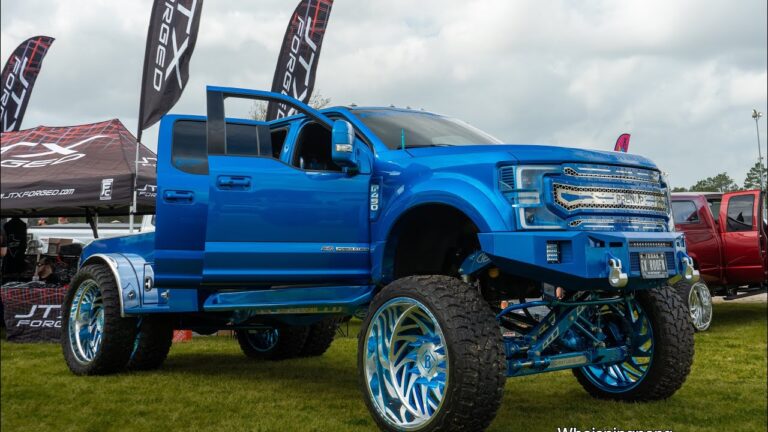
Lifted Trucks Are Stupid
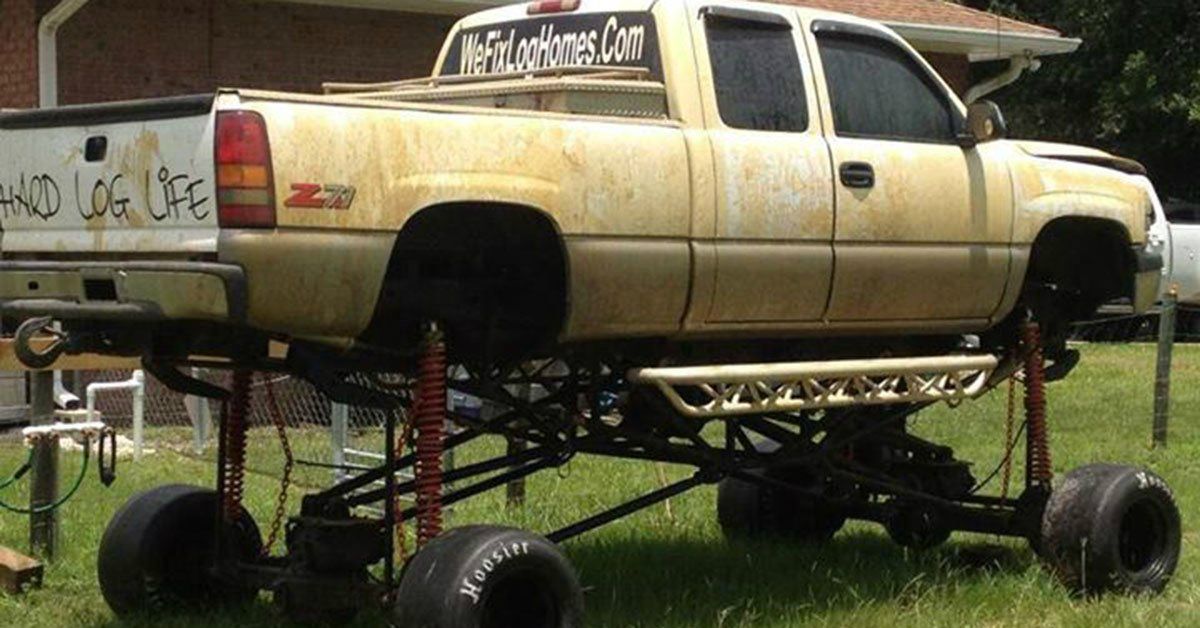
Lifted Trucks Are Stupid
In the vast landscape of automotive culture, few trends spark as much debate and eye-rolls as the phenomenon of the lifted truck. While some see them as a statement of rugged individualism or a necessary modification for extreme off-roading, a closer examination reveals a litany of practical, financial, safety, and social reasons why, frankly, lifted trucks are stupid. This isn’t just about personal taste; it’s about a fundamental disconnect between form, function, and common sense. This comprehensive article will delve into the myriad aspects that firmly establish the "stupidity" of excessively lifted trucks, offering insights into their impracticality, inherent dangers, exorbitant costs, and the questionable motivations behind their creation. Prepare to have your perceptions, and perhaps your truck, brought back down to earth.
The Practicality Paradox: Why Higher Isn’t Always Better
The fundamental purpose of a truck is utility. It’s designed to haul, tow, and transport with ease. When a truck is excessively lifted, this core utility is often severely compromised, turning a workhorse into a show pony that struggles with basic tasks. The first casualty of a significant lift is accessibility. Climbing into the cab becomes an athletic endeavor, requiring a running start or an awkward scramble. For passengers, especially children, the elderly, or anyone with mobility issues, it’s an outright barrier.
Beyond entry, consider the truck bed itself. Loading heavy items, groceries, or even gear for a weekend trip becomes a much more arduous task, often requiring a step stool or a small crane. The tailgate, once a convenient loading platform, can become chest-high or even shoulder-high, rendering it practically useless for many. Towing, a primary function for many truck owners, also suffers. An excessively lifted truck requires a drop hitch of significant length, introducing leverage points that can affect stability and towing capacity. The higher center of gravity, a direct consequence of the lift, makes the vehicle inherently less stable, especially when carrying heavy loads or traversing uneven terrain. What was once a versatile tool transforms into a specialized, cumbersome machine, ill-suited for the very tasks it was designed to perform.
The Safety Scrutiny: Elevated Risks on the Road
Perhaps the most alarming aspect of overly lifted trucks is the undeniable compromise to safety. The modifications, while visually striking, introduce several significant hazards for both the driver and others on the road.
Firstly, a higher center of gravity is a direct invitation to increased rollover risk. Physics dictates that the higher an object’s center of mass, the more unstable it becomes, particularly during evasive maneuvers, sharp turns, or even strong crosswinds. What might be a minor swerve in a stock vehicle can become a catastrophic event in a top-heavy, lifted truck.
Secondly, driver visibility, often touted as a "benefit" by enthusiasts, is ironically diminished in critical areas. While the driver may see further down the road, the immediate surroundings of the truck—especially directly in front, behind, or to the sides—become massive blind spots. This creates a severe danger for smaller vehicles, motorcycles, cyclists, pedestrians, and particularly children, who can easily disappear from view. Parking lots become minefields, and urban driving a constant source of anxiety.
Thirdly, the modifications required for a significant lift often impact braking performance and headlight alignment. Larger, heavier tires increase unsprung mass, which can strain braking systems and lead to longer stopping distances. Furthermore, lifting the truck without proper headlight adjustment means blinding oncoming traffic with high beams that are perpetually aimed too high, creating a hazard for everyone else on the road. The cumulative effect of these safety compromises turns a lifted truck into a rolling hazard, making its "stupidity" a matter of public safety, not just personal preference.
The Economic Folly: A Black Hole for Your Wallet
The decision to lift a truck is not merely a stylistic choice; it’s a profound financial commitment that rarely offers a return on investment. In fact, it’s more akin to throwing money into a bottomless pit.
The initial cost of the lift kit itself can range from a few hundred dollars for a basic leveling kit to several thousand for a comprehensive suspension overhaul. This doesn’t include the professional installation, which is highly recommended for safety and proper function, adding another significant chunk to the bill. But the spending doesn’t stop there. A lifted truck invariably requires larger wheels and tires, which are exponentially more expensive than their stock counterparts. These specialized tires also wear out faster due to increased friction and potentially compromised suspension geometry, meaning more frequent, costly replacements.
Beyond the upfront investment, the operational costs skyrocket. The combination of increased vehicle weight, larger and less aerodynamic tires, and often a less efficient driveline means significantly reduced fuel economy. What was once a thirsty truck becomes an absolute guzzler, draining your wallet with every trip to the pump. Furthermore, the altered suspension geometry and added stress on components lead to accelerated wear and tear on critical parts like ball joints, tie rods, CV joints, and wheel bearings. These components, designed for a specific factory setup, are now operating under increased strain, leading to premature failure and expensive repairs. Insurance premiums can also increase due to the higher risk of accidents and the increased value of modifications. When it comes to finances, the "stupidity" of a lifted truck becomes painfully clear.
The Environmental Blight: A Carbon Footprint on Stilts
In an era increasingly focused on environmental responsibility, the excessively lifted truck stands as an ecological anachronism. Its very existence is predicated on modifications that inherently increase its environmental impact.
The most obvious environmental consequence is the dramatic increase in fuel consumption. As previously mentioned, larger tires, increased weight, and compromised aerodynamics mean that a lifted truck burns significantly more fuel than its stock counterpart. More fuel burned directly translates to a larger carbon footprint, releasing greater quantities of greenhouse gases and other pollutants into the atmosphere. This is a direct contradiction to global efforts to reduce emissions and combat climate change.
Beyond emissions, the manufacturing of the additional components—the lift kit itself, the larger wheels, and the specialized tires—requires significant resources and energy. The production of oversized tires, in particular, consumes more raw materials and energy than standard tires, and their accelerated wear means they are replaced more frequently, contributing to landfill waste and the microplastic problem. The "throwaway" culture of constantly modifying and upgrading vehicles, especially for purely aesthetic reasons, represents an unnecessary drain on planetary resources. For those concerned about their environmental impact, embracing a lifted truck is a profoundly "stupid" decision.
The Social Stigma and Perception: More Than Just a Truck
While the practical, safety, and economic arguments against lifted trucks are compelling, the social dimension also plays a significant role in their "stupidity." The image projected by an overly lifted truck is often one of aggression, inconsiderateness, and even a certain level of social ignorance.
The stereotype of the "compensating" driver is pervasive for a reason. While not universally true, the sheer size and dominance of these vehicles can be perceived as an attempt to overcompensate for other perceived shortcomings. This perception can lead to negative interactions on the road and in public spaces.
Lifted trucks often block the view for other drivers, especially smaller vehicles, at intersections or in parking lots, creating frustration and potential hazards. They consume excessive space in parking spots, sometimes spilling over into adjacent spaces, further contributing to a sense of entitlement. The blinding glare from misaligned headlights, mentioned earlier, is a constant source of annoyance for oncoming traffic.
The "brodozer" culture, characterized by extremely high lifts, loud exhausts, and often aggressive driving, contributes to a negative image that tarnishes the reputation of all truck owners. While individual choices are personal, the collective impact of such vehicles shapes public perception. For those who care about how they are perceived by their community and fellow citizens, driving an excessively lifted truck can be a "stupid" choice that actively undermines positive social interactions and promotes negative stereotypes.
The Technical Troubles: A Cascade of Complications
Beyond the immediate costs and dangers, modifying a truck with an excessive lift often ushers in a cascade of technical complications that can be frustrating, expensive, and even legally problematic.
Firstly, installing an aftermarket lift kit, especially a significant one, almost invariably voids portions of the manufacturer’s warranty. This means that if a component directly or indirectly affected by the lift fails, the owner is on the hook for potentially expensive repairs that would otherwise have been covered.
Secondly, the intricate geometry of a vehicle’s suspension system is designed with precision. Altering ride height drastically can lead to a host of alignment issues, premature wear on steering and suspension components, and even the dreaded "death wobble"—a violent, uncontrollable shaking of the front end that can occur at speed. Maintaining proper alignment becomes a constant battle, and specialized shops are often required, adding to maintenance costs.
Thirdly, the driveline components—drive shafts, U-joints, CV axles—are now operating at angles they were not designed for. This introduces stress, friction, and heat, leading to premature failure and the need for expensive upgrades or frequent replacements. Even seemingly minor issues can escalate, as one modified component often necessitates modifications to others to maintain functionality.
Finally, legal considerations can arise. Many states and countries have regulations regarding maximum vehicle height, bumper height, and fender coverage. An excessively lifted truck might be illegal to operate on public roads in certain jurisdictions, leading to fines, inspection failures, or even impoundment. Navigating these technical and legal minefields makes the initial decision to lift a truck seem increasingly "stupid" in hindsight.
Practical Advice and Actionable Insights
For anyone contemplating lifting a truck, or for those who already own one and are questioning their decision, here is some practical advice:
- Prioritize Functionality Over Form: If you genuinely need a truck for utility or off-road capability, consider modifications that enhance those aspects without compromising safety or practicality. A modest lift (1-3 inches) for tire clearance, combined with proper tires, skid plates, and recovery gear, is far more effective and less problematic than an extreme lift.
- Research Thoroughly: Understand the full implications—financial, safety, and legal—before making any modifications. Don’t just look at glossy pictures; read reviews, consult with reputable mechanics, and check local regulations.
- Consider Alternatives: If the goal is purely aesthetic, consider other ways to customize your vehicle that don’t introduce such significant drawbacks. Custom paint, wheels (of a reasonable size), or lighting can achieve a unique look without turning your truck into a hazardous, impractical money pit.
- Safety First: If you must lift your truck, ensure all modifications are professionally installed, and that all necessary adjustments (headlights, brake lines, steering components) are made. Regularly inspect your vehicle for signs of wear and tear unique to lifted trucks.
- Embrace Common Sense: Ultimately, a vehicle is a tool. When modifications render that tool less effective, more dangerous, and vastly more expensive, it’s time to question the underlying motivation.
Conclusion
The allure of the towering, imposing lifted truck is undeniable for some, a symbol of power and presence on the road. However, beneath the polished chrome and oversized tires lies a reality far less glamorous. From the crippling loss of practicality that undermines a truck’s very purpose, to the alarming safety hazards it introduces for drivers and the public alike, the case against excessive lifts is overwhelming. Add to this the staggering financial drain, the undeniable environmental toll, the negative social perceptions, and the endless technical headaches, and the picture becomes clear.
In a world that increasingly values efficiency, safety, and responsible consumption, the excessively lifted truck stands as an anomaly—a triumph of ego and fleeting aesthetics over common sense and practical utility. For all these reasons, and more, the assertion that lifted trucks are stupid is not merely an opinion, but a conclusion rooted in a comprehensive understanding of their multifaceted drawbacks. It’s time to bring these trucks, and perhaps the thinking behind them, back down to earth.
Price Table: The True Cost of "Lifted Trucks Are Stupid"
This table outlines the various financial and non-financial costs associated with the decision to excessively lift a truck, illustrating the "stupidity" in tangible terms.
| Aspect of "Stupidity" | Description | Estimated Cost/Impact (Annual/Cumulative) | Notes/Rationale |
|---|---|---|---|
| Initial Lift Kit | Cost of the suspension lift kit itself. | $1,000 – $10,000+ (one-time) | Varies greatly by lift height, brand, and type (spacer vs. full suspension). |
| Professional Installation | Labor cost for skilled mechanics to install the lift kit, crucial for safety and proper function. | $500 – $3,000+ (one-time) | Complex lifts require more labor; specialized shops may charge more. |
| Larger Wheels & Tires | Cost of purchasing new, larger diameter wheels and tires suitable for the lift. | $2,000 – $6,000+ (one-time, then recurring) | Tires wear faster due to aggressive tread and altered geometry; frequent replacements. |
| Reduced Fuel Economy | Increased fuel consumption due to aerodynamics, heavier rotating mass, and altered drivetrain efficiency. | $500 – $1,500+ (annually) | Based on driving habits, fuel prices, and original vs. modified MPG. Significant long-term drain. |
| Accelerated Wear & Tear | Increased stress on driveline (CV joints, U-joints), steering (tie rods), and suspension (ball joints, bushings) components. | $300 – $2,000+ (annually in repairs/upgrades) | Parts fail prematurely, requiring more frequent and often more expensive specialized replacements. |
| Higher Insurance Premiums | Increased risk of accidents (rollover, blind spots) and higher value of modified vehicle. | 5% – 20%+ increase (annually) | Varies by insurer, driving record, and specific modifications. |
| Loss of Warranty | Voiding parts of the manufacturer’s warranty due to aftermarket modifications. | Potentially $1,000s – $10,000s+ (in uncovered repair costs) | Any failure related to the modified components or systems will not be covered by the factory. |
| Impaired Practicality | Difficulty loading/unloading, accessing the bed/cab, reduced towing stability, parking challenges. | Immeasurable daily frustration, lost time, potential injury | Makes everyday truck tasks cumbersome, negating core utility. |
| Increased Safety Risk | Higher rollover risk, massive blind spots, blinding headlights, compromised braking. | Risk of injury/death, legal liability, higher accident costs | A direct threat to driver, passengers, and other road users. |
| Negative Social Perception | Stereotypes (e.g., "compensating"), perceived aggression/inconsiderateness, blocking views, taking excessive space. | Social stigma, negative interactions, impact on personal image | Can lead to judgment from peers and other drivers, fostering resentment. |
| Environmental Impact | Higher emissions, increased resource consumption for manufacturing and frequent replacement of components. | Increased carbon footprint, contribution to pollution | Contributes disproportionately to environmental degradation compared to stock vehicles. |
| Legal Issues | Non-compliance with local vehicle height, bumper height, or fender coverage laws. | Fines, failed inspections, impoundment, difficulty reselling | Can lead to legal penalties and make the vehicle unsellable in regulated markets. |
| Resale Value Depreciation | Limited buyer market for highly modified vehicles, perceived unreliability due to non-standard parts. | 10% – 30%+ reduction (compared to well-maintained stock) | Only a niche group of buyers will be interested, often leading to a lower sale price. |
| Total "Stupidity" Cost | Combined financial outlay, daily frustrations, safety risks, and social/environmental impact. | $5,000 – $20,000+ (initial) + $1,000s (annually) + immeasurable non-financial costs over vehicle’s lifetime. | A continuous drain on resources, safety, and social standing, far outweighing any perceived benefits. |
Frequently Asked Questions (FAQ)
Q: Are ALL lifted trucks stupid?
A: The article primarily focuses on excessively lifted trucks, those modified beyond practical or safe limits, often for purely aesthetic reasons. A moderate lift (1-3 inches) for genuine off-road tire clearance or minor leveling can be functional and less problematic, but the "stupidity" escalates with the height and impracticality of the modification.
Q: What about off-roading? Don’t you need a lifted truck for that?
A: For serious off-roading, some lift is beneficial for ground clearance and accommodating larger tires. However, the extreme lifts discussed here often hinder rather than help off-road performance due to compromised stability, drive shaft angles, and increased center of gravity. A well-engineered, moderate lift with proper tires and recovery gear is usually far more effective and safer for legitimate off-road use than a sky-high "brodozer."
Q: Don’t they just look cool? Isn’t it a matter of personal preference?
A: Aesthetics are subjective. While some find excessively lifted trucks visually appealing, the article argues that the "coolness" comes at a significant cost in terms of practicality, safety, finances, and environmental impact. When personal preference actively creates hazards or drains resources without genuine functional benefit, it moves beyond mere taste into the realm of "stupid" decisions.
Q: Is it illegal to lift a truck?
A: It depends on your location. Many states and countries have laws regarding maximum vehicle height, bumper height, and fender coverage. Exceeding these limits can lead to fines, failed inspections, or even the inability to register the vehicle for road use. Always check local regulations before modifying your truck.
Q: How much does it cost to lift a truck?
A: As detailed in the "Price Table," the costs are substantial. Initial lift kits and installation can range from $1,500 to over $13,000. This doesn’t include the recurring costs of larger, more expensive tires, increased fuel consumption, accelerated wear and tear on components, and potentially higher insurance premiums. The overall financial drain is significant and ongoing.
Q: Are there any benefits to an excessively lifted truck?
A: Beyond a subjective aesthetic appeal and a commanding view over traffic (which comes with its own visibility problems), the practical benefits of an excessively lifted truck are minimal and often outweighed by the drawbacks. For true utility or off-roading, there are far more effective and less problematic modification strategies.