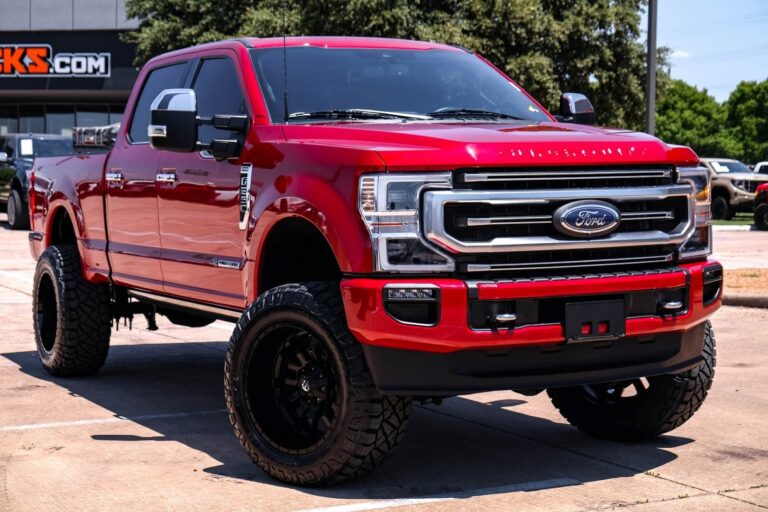
Dodge Lifted Trucks: The Ultimate Guide to Elevated Power and Performance
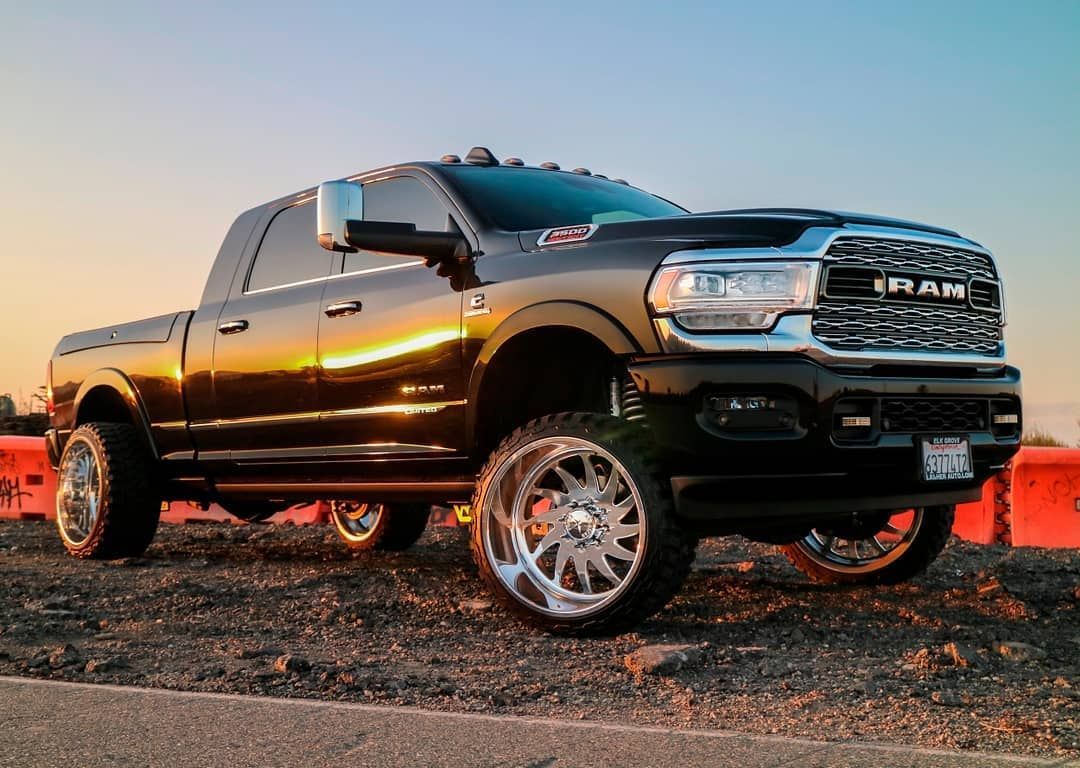
Dodge Lifted Trucks: The Ultimate Guide to Elevated Power and Performance
In the world of pickup trucks, few modifications command as much attention and respect as a lift kit. And when it comes to dodge lifted trucks, this transformation takes on a legendary status. Far more than just an aesthetic upgrade, a lifted Dodge truck represents a fusion of commanding presence, enhanced off-road capability, and personalized utility. From conquering challenging trails to making a bold statement on the asphalt, understanding the nuances of elevating your Dodge is crucial for any enthusiast. This comprehensive guide will delve into everything you need to know about Dodge lifted trucks, helping you navigate the journey from stock to sky-high.
Why Lift a Dodge Truck? The Benefits of Elevation
The decision to lift a Dodge truck stems from a combination of practical advantages and a desire for a distinct look. Here’s why so many owners choose to elevate their ride:
- Enhanced Off-Road Capability: This is arguably the primary functional benefit. Increased ground clearance allows your Dodge to traverse rocky terrain, deep ruts, and muddy trails without scraping the undercarriage. Better approach, departure, and break-over angles mean you can tackle steeper obstacles with confidence, minimizing the risk of getting stuck.
- Accommodate Larger Tires: Lifting your truck is often a prerequisite for fitting larger, more aggressive tires. These bigger tires provide superior traction in challenging conditions, improve overall grip, and contribute significantly to the rugged aesthetic that many Dodge owners crave.
- Commanding Aesthetics and Road Presence: There’s no denying the visual impact of a lifted Dodge. The elevated stance, combined with oversized tires, creates an aggressive, powerful, and imposing look that stands out in any crowd. It projects an image of capability and rugged individualism.
- Improved Visibility: Sitting higher in the cab can offer a better vantage point of the road and surrounding traffic, which can be particularly useful in dense traffic or when navigating crowded areas.
- Personalization and Expression: Lifting a truck is a deeply personal modification. It allows owners to tailor their vehicle to their specific tastes and intended uses, making their Dodge truly one-of-a-kind.
Understanding Lift Kits for Dodge Trucks
Lifting a Dodge truck isn’t a one-size-fits-all endeavor. Various types of lift kits cater to different needs, budgets, and desired heights.
- Leveling Kits: These are the most basic and least intrusive form of lift. Many Dodge trucks come from the factory with a slight rake (the front end is lower than the rear). Leveling kits typically add 1-3 inches to the front suspension, bringing the truck to a more level stance. They are ideal for accommodating slightly larger tires and improving appearance without significantly altering ride quality or handling.
- Body Lift Kits: A body lift raises the truck’s body off the frame by inserting spacers between the two. These kits typically offer 1-3 inches of lift and are relatively inexpensive. They maintain the factory suspension geometry, so ride quality is largely unaffected. However, they don’t increase ground clearance at the axles and can expose more of the frame between the body and wheels.
- Suspension Lift Kits: These are the most common and comprehensive way to achieve significant lift (3 inches or more). Suspension lifts involve replacing or modifying various components of the truck’s suspension system, including:
- New Coils/Leaf Springs: Longer springs to increase ride height.
- Longer Shocks: To accommodate the increased suspension travel.
- Control Arms: Often replaced with longer, stronger units to correct suspension geometry.
- Track Bars: To keep the axle centered.
- Drop Pitman Arms/Steering Components: To maintain proper steering angles.
- Brake Line Extensions: To prevent stretching or damage.
- Driveshaft Modifications: In some cases, to prevent vibrations or damage from altered driveline angles.
Suspension lifts directly increase ground clearance and allow for much larger tires, but they are more complex to install and can impact ride quality and handling if not properly engineered.
- Coilover Conversions: For high-performance applications, especially in off-roading, coilover conversions replace traditional coil springs and shocks with integrated, adjustable coilover units. These offer superior damping, adjustability, and articulation but come at a higher cost.
The "How-To" of Lifting Your Dodge Truck: Key Considerations
Lifting your Dodge is a significant modification that requires careful planning and execution.
- DIY vs. Professional Installation: While smaller leveling kits might be manageable for experienced DIYers, complex suspension lifts are best left to professional shops. Incorrect installation can lead to safety hazards, poor handling, premature wear on components, and costly repairs. Professionals have the right tools, experience, and knowledge of proper torque specifications and alignment procedures.
- Choosing the Right Kit: Your choice should be dictated by your primary use case.
- Daily Driver/Light Off-Road: A leveling kit or a moderate 3-4 inch suspension lift might suffice.
- Serious Off-Roader: A 6-inch or higher suspension lift, potentially with coilover upgrades, will be necessary.
- Towing/Hauling: Ensure the lift kit is designed to maintain or improve towing stability, often requiring heavier-duty springs or airbags in the rear.
- Compatibility: Always verify that the chosen lift kit is specifically designed for your Dodge model (e.g., Ram 1500, 2500, 3500) and its exact year and trim level. Minor differences can lead to significant installation headaches or component failures.
- Related Modifications: A lift kit is rarely the only modification needed.
- Larger Tires: Crucial for filling out the wheel wells and maximizing off-road performance. Research proper tire size to avoid rubbing.
- Gearing Changes: Larger tires effectively change your truck’s final drive ratio, making it feel sluggish and impacting fuel economy. Re-gearing your differentials to a lower (numerically higher) ratio is often recommended for 35-inch tires or larger to restore performance and efficiency.
- Brake Upgrades: Larger, heavier tires put more stress on the braking system. Upgrading to larger rotors and calipers can improve stopping power and safety.
- Steering Stabilizers: Can help mitigate bump steer and wandering, especially with larger tires.
- Fender Trimming: For very aggressive tire fitments, minor trimming of the fender wells may be necessary.
- Legal Aspects: Before you start, research local and state laws regarding vehicle height, tire protrusion, and fender flare requirements. Some areas have strict regulations that could lead to fines or inspection failures.
Driving and Owning a Lifted Dodge: Challenges and Solutions
While the benefits are numerous, owning a lifted Dodge comes with its own set of challenges.
- Ride Quality and Handling: A significant suspension lift can alter the truck’s ride, often making it stiffer or bouncier than stock. The higher center of gravity can increase body roll in turns and make the truck feel less stable at highway speeds. Solution: Invest in high-quality lift kits with well-engineered shocks and components. Professional alignment is paramount.
- Fuel Economy: Larger, heavier, and more aggressive tires, combined with increased aerodynamic drag from the lift, will almost certainly reduce your fuel efficiency. Solution: Re-gearing can mitigate some of the performance loss but won’t fully restore MPG. Accept the trade-off or drive more conservatively.
- Maintenance and Wear: A modified suspension can put increased stress on other components like ball joints, tie rods, and wheel bearings, potentially leading to faster wear. Solution: Regular inspections and maintenance are crucial. Choose durable, high-quality aftermarket components.
- Parking and Garages: The increased height can make fitting into parking garages, drive-thrus, and low overhead clearances a challenge. Solution: Always be aware of your truck’s new height and plan routes accordingly.
- Entry/Exit: Getting in and out of a significantly lifted truck can be difficult for some. Solution: Install side steps or power running boards.
Top Dodge Models for Lifting and Customization
Dodge (now Ram) trucks are excellent platforms for lifting due to their robust frames, powerful engines, and wide availability of aftermarket parts.
- Ram 1500: Extremely popular for its balance of daily drivability, comfort, and capability. A wide range of leveling and suspension lift kits are available, making it versatile for everything from mild street cruising to serious trail tackling.
- Ram 2500/3500 (Heavy Duty): These trucks are built for heavy-duty work, towing, and hauling. When lifted, they become formidable off-road machines capable of carrying more gear and tackling tougher terrain. Lift kits for HD Rams are often designed with strength and durability in mind to handle the heavier loads.
Practical Advice and Actionable Insights
- Research is Paramount: Don’t buy the first kit you see. Spend time researching brands, reading reviews, and understanding the different types of lifts and their implications.
- Don’t Skimp on Quality: A lift kit affects your truck’s safety and performance. Invest in reputable brands known for quality engineering and materials. Cheaper kits often lead to headaches down the road.
- Consider the "Whole Package": Factor in the cost and necessity of larger tires, potential re-gearing, and other related modifications when budgeting for your lift.
- Professional Alignment is Non-Negotiable: After any suspension modification, a professional alignment is absolutely essential to ensure proper steering, tire wear, and vehicle safety.
- Know Your Laws: Be aware of local vehicle modification regulations to avoid legal issues.
Concluding Summary
A dodge lifted trucks is a statement of intent, combining aggressive aesthetics with unparalleled capability. Whether you’re aiming for improved off-road prowess, the ability to run massive tires, or simply a commanding presence on the road, the journey to a lifted Dodge is a rewarding one. By understanding the different types of lifts, considering the critical factors before and during installation, and being prepared for the changes in driving dynamics, you can transform your Dodge into the elevated beast you’ve always envisioned. With careful planning and execution, your lifted Dodge will not only turn heads but also conquer new horizons.
Dodge Lifted Trucks: Estimated Price Table
It’s important to note that these prices are estimates and can vary wildly based on brand, kit quality, location, specific truck model, installer’s labor rates, and current market conditions. This table provides a general range for common components.
| Component / Service | Estimated Low Range | Estimated High Range | Notes |
|---|---|---|---|
| Lift Kit (Parts Only) | |||
| Leveling Kit (Front Only) | $100 | $400 | Simple spacers or torsion keys. |
| Body Lift Kit (1-3 inches) | $200 | $600 | Spacers between body and frame. |
| Suspension Lift Kit (2-4 inches) | $500 | $1,500 | Often includes new shocks, springs, control arms. More involved. |
| Suspension Lift Kit (6-8+ inches) | $1,500 | $5,000+ | Comprehensive kits with many components; high-performance options can go much higher. |
| Coilover Conversion Kit | $2,000 | $8,000+ | High-performance, adjustable suspension, often specific to off-road racing. |
| Installation Labor | |||
| Leveling Kit Installation | $150 | $400 | Varies by shop and complexity. |
| Body Lift Kit Installation | $400 | $1,000 | More labor-intensive than leveling. |
| Suspension Lift Kit Installation | $600 | $2,500+ | Highly dependent on lift height, kit complexity, and necessary additional modifications (e.g., driveshaft work). |
| Related Parts & Services | |||
| Alignment (Post-Lift) | $100 | $250 | Mandatory after any suspension modification. |
| New Tires (Set of 4) | $800 | $2,500+ | For larger, aggressive off-road tires. Price varies by size, brand, and type. |
| New Wheels (Set of 4) | $600 | $2,000+ | Optional, but often chosen for aesthetic reasons or proper offset with larger tires. |
| Re-Gearing (Front & Rear Axles) | $1,500 | $3,000+ | Parts and labor. Highly recommended for 35-inch tires or larger to restore performance. |
| Brake Upgrade (Parts & Labor) | $500 | $2,000+ | Optional, but recommended for heavier tires. |
| Steering Stabilizer | $100 | $500 | Parts and labor. Helps with steering control with larger tires. |
| Fender Flares (Set) | $200 | $800 | Optional, required in some areas if tires protrude past fenders. |
| Total Estimated Cost | $1,500 | $15,000+ | This range covers basic leveling to comprehensive, high-end suspension lifts with all associated parts and labor. Your actual cost will depend significantly on your choices. |
Frequently Asked Questions (FAQ) about Dodge Lifted Trucks
Q1: How much does it cost to lift a Dodge truck?
A1: The cost varies significantly. A basic leveling kit might cost $250-$800 (parts and installation), while a comprehensive 6-inch suspension lift with new tires, wheels, and re-gearing can easily range from $5,000 to $15,000 or more. Refer to the price table above for a detailed breakdown.
Q2: How long does it take to install a lift kit?
A2: A leveling kit can often be installed in 2-4 hours. A body lift might take 4-8 hours. A full suspension lift can take a professional shop 8-16 hours or even longer, depending on the complexity of the kit and if additional modifications (like driveshaft work) are required. This doesn’t include the time for alignment.
Q3: Will lifting my truck void the warranty?
A3: This is a common concern. Generally, a dealership cannot void your entire warranty simply because you’ve lifted your truck. However, if a failure occurs in a component directly affected by the lift (e.g., suspension components, drivetrain parts due to altered angles), the manufacturer may deny warranty coverage for that specific failure. It’s best to discuss with your dealership beforehand and consider reputable aftermarket warranties.
Q4: Do I need new tires after lifting my Dodge?
A4: For significant suspension lifts (3 inches or more), yes, you will almost certainly need larger tires to fill the increased wheel well space and maximize the benefits of the lift. Even with leveling kits, many owners opt for slightly larger tires.
Q5: What’s the difference between a body lift and a suspension lift?
A5: A body lift raises the truck’s body off its frame, using spacers. It’s less expensive, easier to install, and doesn’t change suspension geometry or ride quality much. However, it doesn’t increase ground clearance at the axles and can expose the frame. A suspension lift modifies or replaces suspension components (springs, shocks, control arms) to raise the frame and axles higher off the ground, directly increasing ground clearance and allowing for much larger tires. It’s more complex, more expensive, and can affect ride and handling.
Q6: Does a lift kit affect towing capacity?
A6: A properly installed, quality lift kit should not reduce your truck’s factory-rated towing capacity. However, a significant lift can raise the hitch point, which might require a drop hitch for proper trailer leveling. Some cheaper or poorly designed kits might negatively impact stability when towing, so choose kits specifically engineered for heavy-duty applications if you tow frequently.
Q7: Is it safe to lift a truck?
A7: Yes, when done correctly, lifting a truck with high-quality components and professional installation is safe. However, an improperly installed lift or one using substandard parts can compromise safety by affecting steering, braking, and overall vehicle stability. A lifted truck will also have a higher center of gravity, meaning it will handle differently, particularly in turns, and requires careful driving. Always get a professional alignment after any lift.