Are Lifted Trucks Illegal in Canada?
Are Lifted Trucks Illegal in Canada?
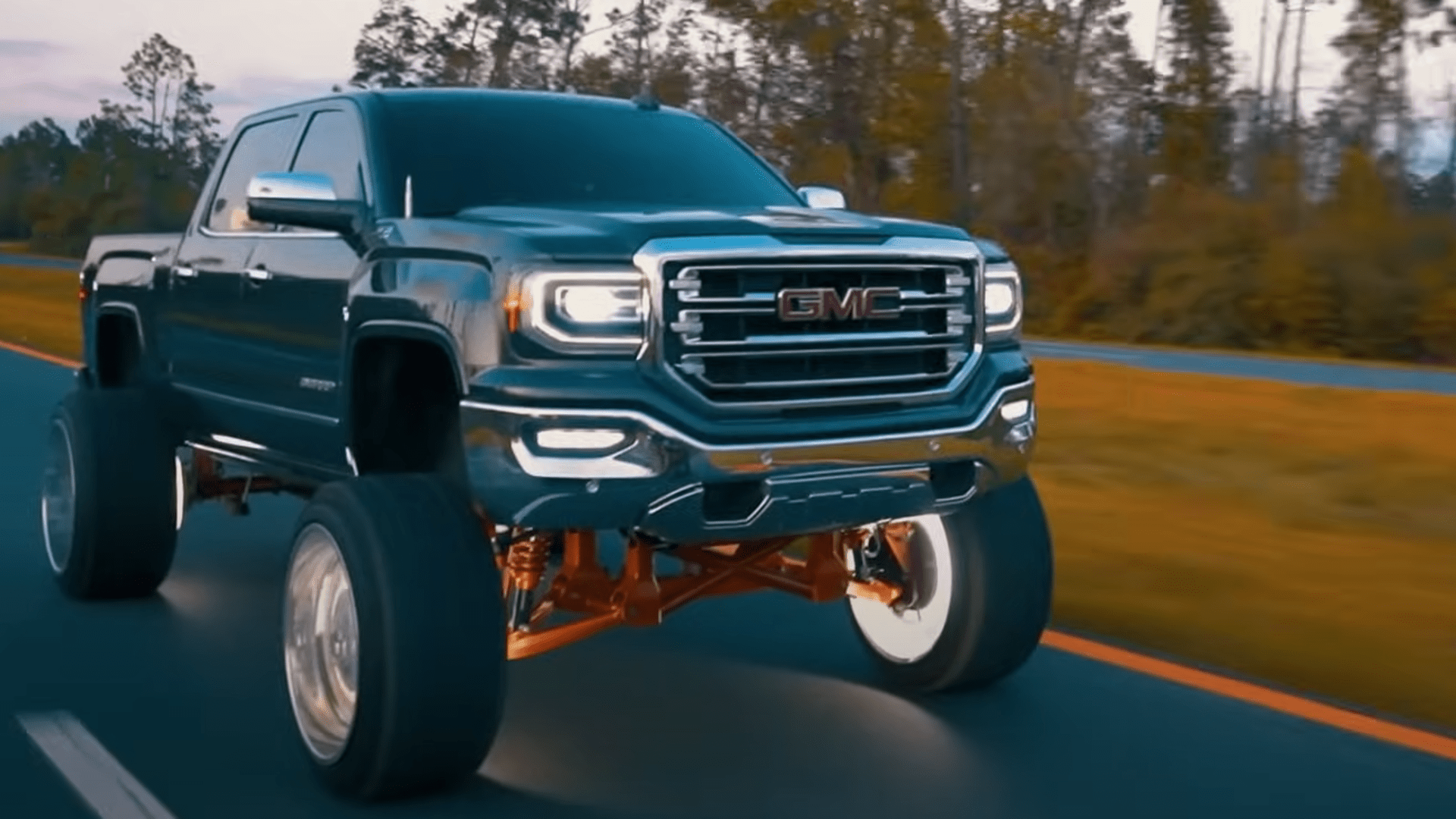
The roar of a powerful engine, the commanding view from a raised cab, and the undeniable aesthetic appeal – lifted trucks hold a special allure for many Canadians. Whether for off-road adventures, hauling heavy loads, or simply making a statement, modifying a truck’s suspension and tire size is a popular trend. However, beneath the rugged exterior lies a critical question: Are lifted trucks illegal in Canada? This isn’t a simple "yes" or "no" answer, but rather a complex landscape governed by provincial and territorial regulations, safety standards, and common sense. Understanding these rules is paramount for any truck owner or enthusiast to ensure their vehicle is not only road-legal but also safe for themselves and others.
This comprehensive guide will delve into the intricacies of Canadian vehicle modification laws, exploring the specific regulations that dictate what is permissible, what is not, and the critical considerations for anyone looking to modify their truck. We’ll provide practical advice, highlight potential challenges, and offer actionable insights to help you navigate the legalities of lifted trucks in Canada.
Understanding Canadian Vehicle Modification Laws
Unlike some countries, Canada does not have a single, overarching federal law that dictates all aspects of vehicle modifications, including those for lifted trucks. Instead, the authority to regulate vehicle construction, equipment, and modifications primarily rests with individual provinces and territories. Each jurisdiction has its own Motor Vehicle Act and accompanying regulations that outline specific requirements and limitations.
These provincial regulations are designed with public safety as the top priority. They aim to ensure that modified vehicles remain stable, visible, and controllable, and that alterations do not compromise the vehicle’s structural integrity or its ability to interact safely with other road users. This fragmented regulatory landscape means that a modification legal in Alberta might be illegal in Quebec, and vice-versa. Therefore, the first and most crucial step for any truck owner considering a lift is to thoroughly research and understand the specific laws of their province or territory.
Key Regulatory Areas for Lifted Trucks
When it comes to lifted trucks, provincial regulations typically focus on several critical areas to maintain safety and compliance. Ignoring these can lead to fines, insurance issues, or even having your vehicle deemed unroadworthy.
1. Maximum Bumper Height
This is arguably the most common and stringent regulation for lifted trucks across Canada. Provinces specify a maximum allowable height from the ground to the lowest point of the front and rear bumpers. The rationale is to prevent bumpers from being too high to effectively engage with other vehicles in a collision, potentially causing greater damage or injury. Measurements are typically taken with the vehicle unladen.
2. Maximum Vehicle Height
Most provinces also impose an overall maximum height limit for vehicles, usually around 4.15 meters (approximately 13 feet, 7 inches). While most lifted trucks won’t exceed this, extreme modifications or the addition of roof racks with gear could push a vehicle over the limit, especially in areas with low overhead clearances (bridges, tunnels).
3. Tire Size Restrictions and Fender Coverage
Oversized tires are a common accompaniment to a lifted truck. Regulations often address:
- Maximum Diameter: Some provinces limit how large tires can be.
- Fender Coverage: This is a crucial safety aspect. Tires must be adequately covered by the vehicle’s fenders or fender flares. This prevents rocks, mud, and other debris from being flung from the tires onto other vehicles or pedestrians, especially at speed.
4. Suspension Lift Limits
While not always a specific numerical limit on the "inches of lift," regulations often indirectly control suspension lifts by setting limits on overall vehicle height and bumper height. Some provinces might also specify that suspension components must be factory-designed for the vehicle or engineered to meet specific safety standards. Crucially, the modification must not compromise the original suspension’s function, stability, or handling characteristics.
5. Lighting Regulations
Modifying a truck’s ride height can significantly impact headlight aim. Regulations require headlights to be properly aimed to illuminate the road without blinding oncoming drivers. Auxiliary lights (fog lights, driving lights) also have specific mounting height and usage rules.
6. Steering and Brake System Integrity
Any modification to the suspension or tire size can affect the vehicle’s steering and braking systems. Regulations require that these critical systems are not compromised. Larger tires, for instance, may necessitate upgraded brakes to maintain adequate stopping power. Steering components must remain robust and free from excessive play or stress.
7. Frame Modifications
Cutting, welding, or significantly altering the vehicle’s frame is usually highly scrutinized and often requires professional engineering certification to prove structural integrity. Minor frame modifications may be tolerated if done by certified professionals and adhere to specific standards.
8. Visibility
Drivers of lifted trucks must maintain an adequate field of vision. Modifications should not create excessive blind spots that could endanger pedestrians or other road users.
Provincial Breakdown: A Glimpse into Specific Regulations
As highlighted, regulations vary by province. Here’s a brief overview of how a few key provinces approach lifted trucks:
- Ontario: The Highway Traffic Act and its regulations specify maximum bumper heights (e.g., 560 mm for passenger cars, 640 mm for trucks/SUVs, measured to the bottom of the bumper), overall vehicle height, and tire coverage. Vehicles with significant modifications may be subject to a provincial safety inspection.
- Alberta: Similar to Ontario, Alberta focuses on bumper heights (e.g., maximum 550mm to bottom of front bumper for passenger vehicles, up to 750mm for trucks), overall height, and the requirement for tires to be fully covered by fenders. Modifications must not compromise steering, braking, or suspension.
- British Columbia: BC’s Motor Vehicle Act Regulations also impose limits on bumper height, overall vehicle height, and mandate full fender coverage for tires. Significant modifications might trigger requirements for a vehicle inspection by a designated inspection facility.
- Quebec: Quebec is often considered one of the strictest provinces for vehicle modifications. Significant changes to suspension, frame, or driveline often require an engineering certificate to validate the safety and structural integrity of the modification. This is a crucial difference from many other provinces.
- Other Provinces: Saskatchewan, Manitoba, Nova Scotia, New Brunswick, etc., all have their own specific regulations. While the exact numbers may differ, the general principles – bumper height, overall height, tire coverage, and maintaining safety of critical systems – remain consistent.
Important Note: Regulations are subject to change. Always consult the official Motor Vehicle Act and Regulations for your specific province or territory, or contact your provincial Ministry of Transportation for the most current and accurate information.
The Role of Safety Standards and Inspections
Beyond the specific numerical limits, the spirit of Canadian vehicle modification laws revolves around safety.
- Provincial Safety Inspections: Many provinces require vehicles to pass a safety inspection when ownership is transferred, or when a vehicle is imported from another jurisdiction. Heavily modified vehicles, including lifted trucks, might also be subject to inspection if a police officer deems them unsafe or potentially non-compliant. These inspections ensure that all components meet provincial safety standards.
- National Safety Mark (NSM): While primarily for vehicle manufacturers, the principles underpinning the NSM reflect the broader Canadian commitment to vehicle safety. Aftermarket modifications should ideally align with these safety principles.
- Engineering Certificates: As seen in Quebec, for complex or significant structural modifications, an engineer’s stamp of approval may be required. This certification verifies that the changes meet recognized engineering standards and do not compromise vehicle safety.
Practical Advice for Lifted Truck Owners
Navigating the legalities of lifted trucks doesn’t have to be daunting. Here’s some practical advice:
- Know Your Local Laws: This cannot be stressed enough. Before purchasing a lift kit or making any modifications, meticulously research your provincial or territorial Motor Vehicle Act and Regulations. Pay close attention to bumper height, overall vehicle height, and tire coverage requirements.
- Consult Reputable Shops: Don’t attempt complex modifications yourself unless you are a certified professional. Seek out reputable off-road or truck customization shops that have experience with lifted trucks and a deep understanding of local regulations. A good shop will advise you on what is legal and what isn’t.
- Keep Documentation: Maintain records of all modifications, including receipts, installation guides, and any engineering certificates. This documentation can be invaluable if you ever need to prove the legality or safety of your modifications to law enforcement or insurance providers.
- Consider Insurance Implications: Inform your insurance provider about any significant modifications. Unreported or illegal modifications could lead to your policy being voided in the event of an accident, leaving you financially exposed. Your premiums might also increase.
- Prioritize Safety: Always choose high-quality components and ensure professional installation. A poorly installed lift kit can compromise handling, braking, and overall vehicle safety.
- Regular Inspections: Even after modification, regularly inspect your truck’s suspension, steering, and tires for wear and tear. Lifted trucks can put additional stress on certain components.
- Test Drive Responsibly: After any lift, take your truck for a cautious test drive in a safe area to familiarize yourself with changes in handling, braking, and visibility.
Potential Challenges and Solutions
Challenges:
- Fines and Penalties: Operating an illegally modified truck can result in significant fines. Police can issue tickets, order the vehicle off the road, or even impound it until modifications are rectified.
- Insurance Voidance: As mentioned, non-compliant modifications can lead to your insurance company refusing to cover damages in an accident.
- Difficulty Selling: A truck with illegal modifications will be harder to sell and may command a lower price, as the new owner would need to invest in bringing it into compliance.
- Safety Risks: Beyond legal ramifications, illegal or poorly executed lifts pose serious safety risks to the driver, passengers, and other road users.
Solutions:
- Proactive Research and Compliance: The best solution is prevention. Thoroughly research and adhere to all provincial regulations before making modifications.
- Professional Installation and Certification: Utilize certified mechanics and, if required, obtain engineering certificates for complex modifications.
- Open Communication with Insurer: Maintain transparent communication with your insurance provider about all modifications.
- Rectification: If your vehicle is deemed non-compliant, address the issues promptly to avoid further penalties and ensure safety.
Cost Implications of Lifted Truck Regulations (and Non-Compliance)
While there isn’t a direct "price" for "illegality," understanding the financial aspects of complying with or defying lifted truck regulations is crucial. This table outlines common regulatory aspects and their potential cost implications.
| Regulatory Aspect | Common Provincial Focus | Typical Threshold/Requirement (Example) | Potential Consequence of Non-Compliance | Cost Implication (Examples)