The Ultimate Guide to the Best Floor Jack for Lifted Trucks
The Ultimate Guide to the Best Floor Jack for Lifted Trucks
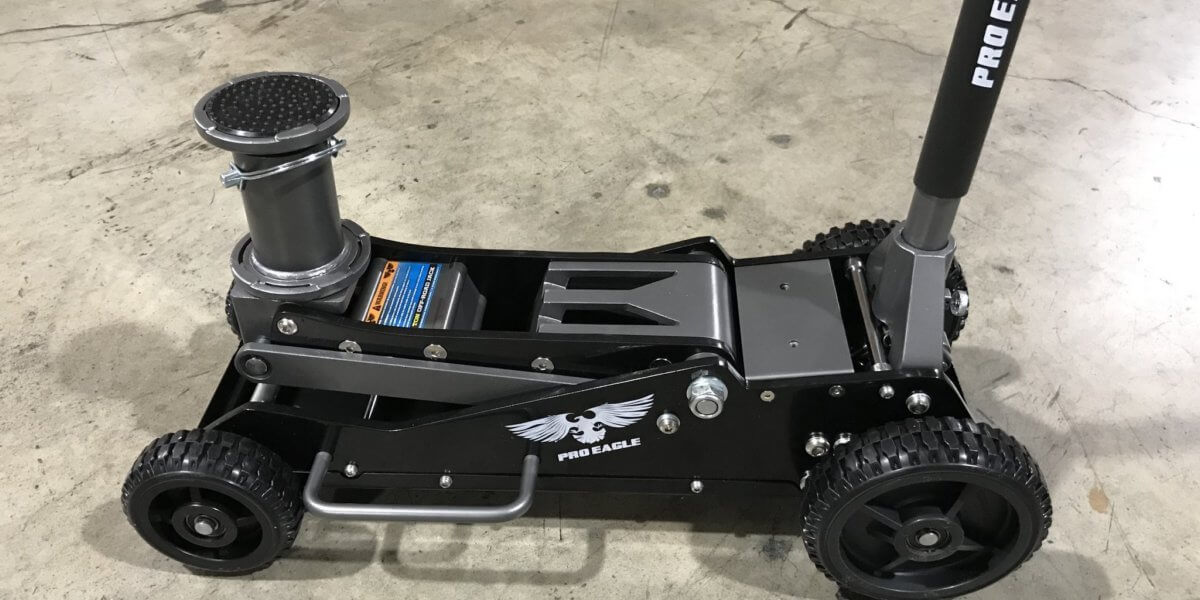
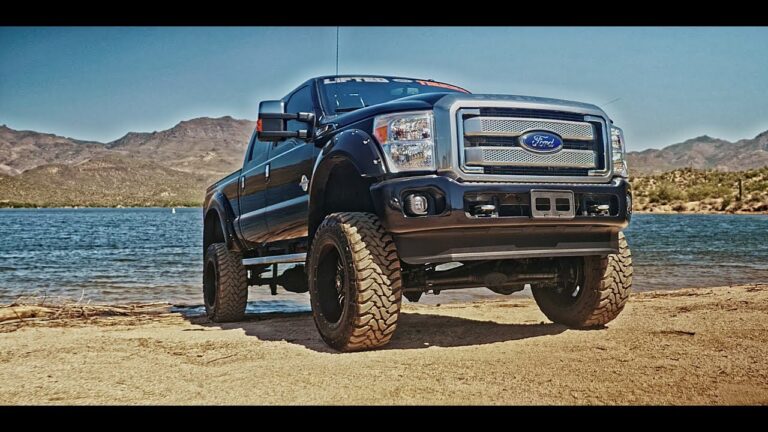
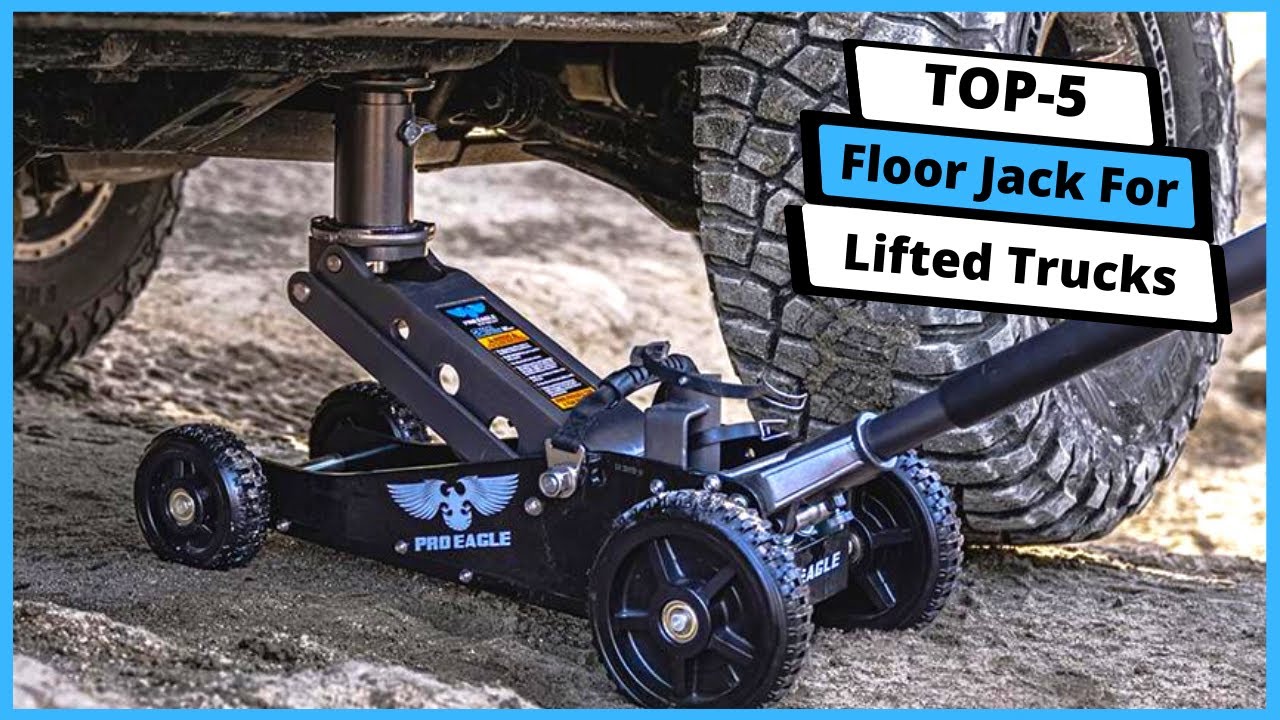
Lifted trucks offer a commanding presence on the road, enhanced off-road capability, and often a unique aesthetic. However, their elevated stance, increased ground clearance, and heavier components present a unique set of challenges when it comes to routine maintenance or emergency repairs. A standard floor jack, designed for typical passenger vehicles, simply won’t cut it. To safely and effectively lift a lifted truck, you need a specialized tool: the best floor jack for lifted trucks.
This comprehensive guide will delve into what makes a floor jack suitable for these behemoths, why it’s a crucial investment, and how to choose and use one safely. Understanding these aspects is not just about convenience; it’s fundamentally about safety and protecting both yourself and your valuable vehicle.
Why Standard Jacks Fall Short for Lifted Trucks
Before exploring what makes a jack ideal for lifted trucks, it’s important to understand why conventional jacks are inadequate:
- Insufficient Lifting Height: The most obvious issue is that standard jacks simply don’t extend high enough to get a lifted truck’s wheels off the ground. A truck with a 4-inch lift kit might need an additional 6-8 inches of lift just to clear the tires, let alone work underneath.
- Inadequate Weight Capacity: Lifted trucks often come with larger tires, heavy-duty suspension components, winches, and bumpers, all contributing to a significantly higher curb weight than their stock counterparts. A 2-ton jack, common for cars, is often insufficient for even a single corner of a heavy-duty lifted truck.
- Limited Reach: While ground clearance is high, the actual lift points (frame rails, axle tubes) might be further underneath the vehicle due to wider tires or aftermarket accessories. Standard jacks often lack the chassis length to reach these crucial, stable lifting points.
- Stability Concerns: A small, short-chassis jack lifting a heavy, tall vehicle can create an unstable situation, increasing the risk of the truck shifting or falling.
Investing in the best floor jack for lifted trucks isn’t merely an upgrade; it’s a necessity for safe and efficient vehicle maintenance.
Key Features to Look For in a Floor Jack for Lifted Trucks
When searching for the best floor jack for lifted trucks, prioritize these critical features:
- Exceptional Lifting Height: This is paramount. Look for jacks with a maximum lift height of at least 20-24 inches, and ideally even more, especially for trucks with significant suspension or body lifts. Some specialized jacks can reach over 30 inches. Always measure your truck’s ground clearance to the lowest lift point and add several inches for wheel clearance.
- Robust Weight Capacity: Aim for a minimum of a 3-ton (6,000 lbs) capacity, with 3.5-ton, 4-ton, or even 5-ton being preferable for heavy-duty trucks, diesel engines, or those with significant modifications. Remember, you’re often lifting only one end or corner of the vehicle, but you need ample safety margin.
- Extended Chassis Length (Long Reach): A longer chassis provides better stability and allows you to reach crucial frame rails or axle points that are further inboard, away from the vehicle’s edge. This prevents you from having to lift from less stable points like the differential housing (unless specifically designed for it).
- Rapid Lift Mechanism (Dual Pump): Many quality floor jacks feature a "dual pump" or "quick pump" design. This allows the jack to lift the saddle rapidly to the contact point with fewer pumps, significantly reducing the effort and time required, especially when dealing with the substantial lifting height needed for a lifted truck.
- Wide and Stable Saddle: A large, padded saddle provides a secure grip on the vehicle’s frame or axle, minimizing the risk of slippage and preventing damage to the undercarriage. Some jacks even offer extendable or adjustable saddles for greater versatility.
- Durable Construction Material:
- Steel: Typically heavier and more robust, offering excellent durability and often a lower price point. Ideal for garage use where portability isn’t the primary concern.
- Aluminum: Lighter and easier to maneuver, making them suitable for mobile mechanics or those who frequently move their jack. They can be more expensive and might have a slightly lower capacity than comparable steel jacks, though heavy-duty aluminum options exist.
- Hybrid (Steel/Aluminum): Offers a balance of strength and reduced weight.
- Essential Safety Features:
- Overload Valve: Prevents the jack from being used beyond its rated capacity, protecting both the tool and the user.
- Bypass Valve: Prevents over-extension of the hydraulic ram.
- Smooth Lowering Control: A precise release valve allows for a controlled and gradual descent, crucial for safety.
- Wide Base and Heavy-Duty Casters: Contribute to stability and easy maneuverability.
Types of Floor Jacks Suitable for Lifted Trucks
While the general term is "floor jack," specific designs cater to lifted trucks:
- Heavy-Duty Service Jacks: These are the workhorses. Often made of steel, they boast high weight capacities (3-5 tons) and excellent lifting heights. Their robust construction and longer chassis make them ideal for shop or home garage use.
- Long-Reach/High-Lift Jacks: Specifically designed to address the challenges of lifted vehicles. They combine an extended chassis with impressive maximum lift heights, ensuring you can reach stable lift points and get the wheels off the ground.
- Off-Road Jacks (Bottle Jacks with Extensions): While not traditional "floor jacks," heavy-duty bottle jacks with screw extensions or accessories can achieve very high lifts. However, they typically offer less stability than a wide-base floor jack and are often better suited for roadside emergencies or specific field repairs rather than general garage work. For the purpose of this article, we’re focusing on the stability and ease of use of a wheeled floor jack.
How to Safely Use a Floor Jack on a Lifted Truck
Safety is paramount when working with heavy vehicles. Always follow these steps:
- Prepare the Work Area:
- Park the truck on a flat, level, and solid surface (concrete is ideal). Avoid sloped driveways or soft ground.
- Engage the parking brake.
- Place wheel chocks on the wheels that will remain on the ground to prevent any movement. For example, if lifting the front, chock the rear wheels.
- Locate Approved Lift Points: Consult your truck’s owner’s manual or a reliable service guide for the designated jacking points. These are typically strong, reinforced areas like the frame rails, axle tubes, or specific suspension components. Never lift from the differential housing, control arms, or thin sheet metal.
- Position the Jack: Roll the jack into position so its saddle is directly beneath the chosen lift point. Ensure the jack’s handle has enough clearance to pump.
- Lift the Truck: Pump the jack handle slowly and steadily. As the jack makes contact and begins to lift, keep an eye on the truck for any signs of instability. Lift only high enough to allow for the placement of jack stands and to remove the wheel if necessary.
- Crucial Role of Jack Stands: Never work under a vehicle supported only by a floor jack. Once the truck is at the desired height, immediately place heavy-duty jack stands (rated for your truck’s weight) under the designated frame or axle points, adjacent to the jack. Ensure the jack stands are firmly seated and stable.
- Lower onto Jack Stands: Slowly and carefully open the jack’s release valve to lower the truck onto the jack stands. Ensure the truck’s weight is fully supported by the jack stands before removing the floor jack.
- Perform Work: Once the truck is securely on jack stands, you can safely perform your maintenance or repair.
- Lower the Truck:
- Re-position the floor jack under the original lift point and lift the truck slightly, just enough to relieve pressure on the jack stands.
- Remove the jack stands.
- Slowly and gradually open the jack’s release valve to lower the truck completely to the ground.
- Remove the floor jack and wheel chocks.
Practical Advice and Actionable Insights
- Don’t Skimp on Capacity: Always opt for a jack with a higher weight capacity than you think you need. A 3-ton minimum is a good starting point, but 4 or 5 tons offers greater peace of mind for heavy-duty lifted trucks.
- Measure Before You Buy: Before purchasing, measure the ground clearance to your truck’s lowest jacking point. Add at least 6-8 inches to that measurement to determine the minimum maximum lift height you’ll need.
- Invest in Quality Jack Stands: A good floor jack is only half the equation. High-quality, robust jack stands are non-negotiable for safety. Ensure they have a matching or higher weight capacity than your jack.
- Consider a Jack Pad: A rubber or polyurethane jack pad placed on the saddle can protect your truck’s frame from scratches and provide extra grip.
- Read the Manual: Always read and understand the floor jack’s instruction manual before first use.
- Maintenance Matters: Keep your hydraulic jack clean, check the fluid levels periodically, and store it in a dry place to prolong its lifespan.
Price Table: Illustrative Floor Jack Categories for Lifted Trucks
(Please note: Prices are illustrative ranges and can vary significantly based on brand, features, retailer, and market conditions. This table provides a general guide for the types of jacks suitable for lifted trucks.)
| Jack Category | Weight Capacity (Tons) | Max. Lift Height (Inches) | Chassis Length (Inches) | Construction Material | Typical Price Range (USD) | Key Features / Ideal For |
|---|---|---|---|---|---|---|
| Heavy-Duty Service Jack | 3 – 4 | 20 – 24 | 28 – 35 | Steel | $200 – $450 | Robust, durable, high capacity, good lift for moderate lifts. Excellent for garage use. |
| Long-Reach High-Lift Jack | 3.5 – 5 | 24 – 30+ | 30 – 40+ | Steel/Hybrid | $350 – $700+ | Extended reach and exceptional lift height. Essential for significantly lifted trucks and hard-to-reach points. Dual pump often included. |
| Aluminum High-Lift Jack | 2.5 – 3.5 | 20 – 25 | 28 – 32 | Aluminum | $400 – $800+ | Lighter weight, easier portability, still offers good lift height. Ideal for mobile use or frequent moving within a shop. |
Frequently Asked Questions (FAQ)
Q: Can I use a regular floor jack on my lifted truck if I just use wood blocks?
A: Absolutely not. Using wood blocks or other improvised spacers is extremely dangerous. It significantly compromises stability and increases the risk of the truck slipping off the jack, leading to severe injury or death. Always use a jack designed for the required lift height.
Q: What’s the difference between a floor jack and a bottle jack for lifted trucks?
A: A floor jack has wheels, a long handle, and a wide base, offering superior stability and ease of positioning under the vehicle. A bottle jack is compact, vertical, and hydraulic, providing a high lift but less stability due to its smaller footprint. While some heavy-duty bottle jacks with extensions can lift high, a floor jack is generally preferred for its stability and maneuverability in a garage setting.
Q: How do I know what weight capacity jack I need?
A: A good rule of thumb is to aim for a jack with a capacity that’s at least three-quarters of your truck’s total curb weight. Since you’re typically lifting only one end or corner, a 3-ton (6,000 lbs) jack is often a minimum for many lifted half-ton trucks, with 3.5-5 tons being safer for heavier trucks or those with extensive modifications. Always err on the side of higher capacity.
Q: Where are the safest lift points on my lifted truck?
A: Always refer to your truck’s owner’s manual or a reputable service guide. Generally, the most common and safest lift points are the reinforced frame rails, sturdy axle tubes (close to the wheels), or designated suspension components. Avoid differentials, control arms, tie rods, or any unreinforced sheet metal.
Q: Is an aluminum jack strong enough for a lifted truck?
A: Yes, many high-quality aluminum jacks are designed with sufficient capacity (e.g., 2.5 to 3.5 tons) and lift height for many lifted trucks. While they might be slightly less robust than comparable steel jacks, their primary advantage is portability. For extremely heavy-duty trucks, steel or hybrid options might offer more peace of mind.
Q: How often should I check the hydraulic fluid in my floor jack?
A: It’s good practice to visually inspect the fluid level (if your jack has an accessible reservoir) and check for leaks a couple of times a year, or if you notice a decrease in performance. Refer to your jack’s manual for specific maintenance guidelines.
Conclusion
For owners of lifted trucks, the right floor jack is an indispensable tool, blending convenience with critical safety. Standard equipment simply doesn’t cut it when dealing with the unique demands of increased ground clearance and vehicle weight. By prioritizing key features like exceptional lifting height, robust weight capacity, and extended reach, you can confidently select the best floor jack for lifted trucks that meets your specific needs.
Remember, the investment in a quality jack and accompanying jack stands is an investment in your safety and the longevity of your vehicle. Always adhere to proper lifting procedures and never compromise on safety. With the right tools and knowledge, you can tackle maintenance and repairs on your lifted truck with confidence and peace of mind.
(For current product availability and detailed specifications, search online for "best floor jack for lifted trucks" or visit reputable automotive tool retailers.)