Lifted Trucks Chevy: The Ultimate Guide to Elevated Performance and Style
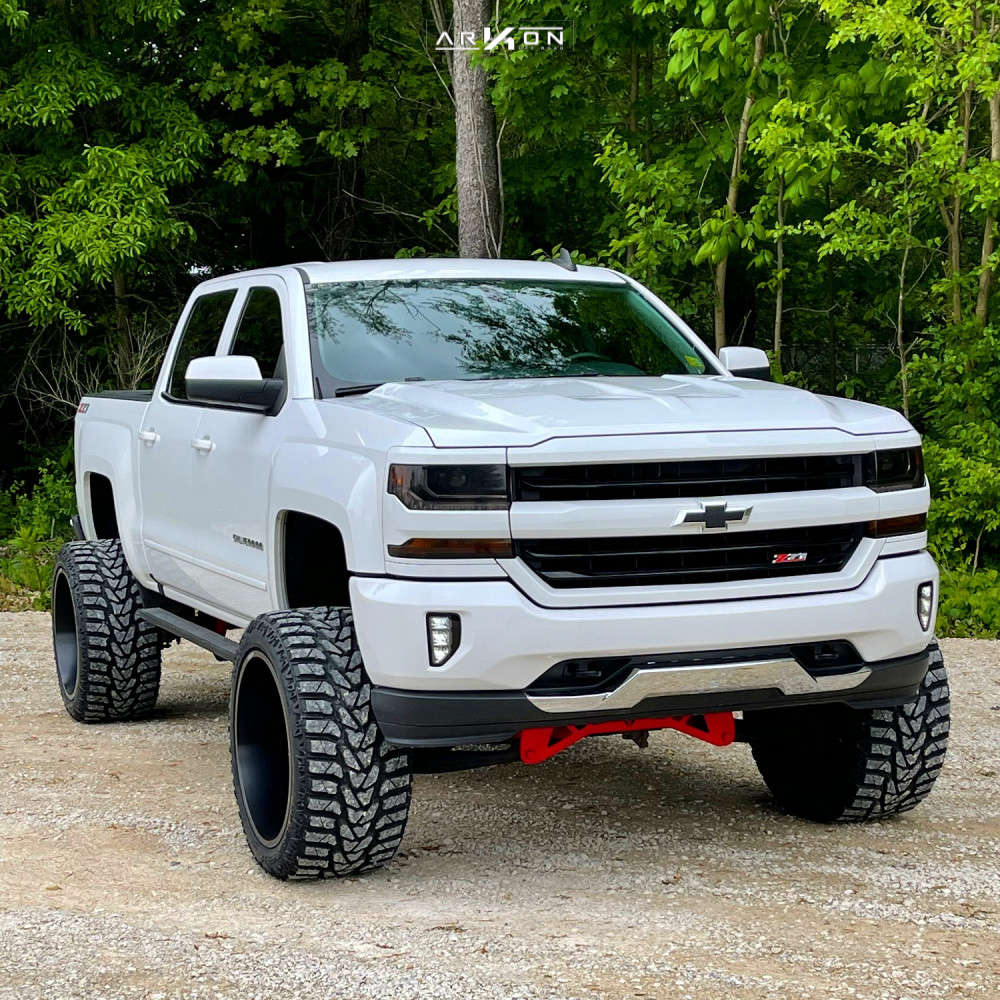
Lifted Trucks Chevy: The Ultimate Guide to Elevated Performance and Style
There’s an undeniable allure to a truck that stands taller, looks more aggressive, and promises to conquer any terrain. For countless enthusiasts, the Chevrolet truck, renowned for its durability, power, and iconic design, serves as the perfect canvas for such a transformation. Diving into the world of lifted trucks Chevy isn’t just about making a vehicle bigger; it’s about enhancing capability, asserting a unique style, and often, improving the overall driving experience for specific purposes. This comprehensive guide will explore everything you need to know about lifting your Chevy truck, from the "why" to the "how," ensuring you make informed decisions for your elevated ride.
Why Lift a Chevy Truck? The Allure of Elevation
The decision to lift a Chevy truck is often driven by a blend of practical benefits and aesthetic desires. Understanding these motivations is the first step in your lifting journey.
- Improved Off-Road Capability: This is perhaps the most significant functional advantage. A lift kit increases ground clearance, allowing your Chevy to navigate over larger obstacles without scraping the undercarriage. It also improves approach, departure, and breakover angles, crucial for tackling steep inclines, descents, and uneven terrain.
- Enhanced Aesthetics and Stance: For many, the visual impact is paramount. A lifted Chevy truck exudes an aggressive, commanding presence. It looks tougher, more capable, and stands out from the crowd, reflecting the owner’s personality and passion for their vehicle.
- Accommodating Larger Tires: Lifting your truck is almost always a prerequisite for fitting larger, more aggressive off-road tires. These tires not only fill out the wheel wells for a more proportionate look but also provide superior traction and durability for challenging environments.
- Better Visibility: Sitting higher in the driver’s seat provides an elevated perspective of the road and surrounding traffic, which can be advantageous in certain driving situations.
- Increased Utility (Specific Cases): While not universally true, in some specific scenarios, a lifted truck can offer better clearance for tasks like navigating rough farm roads or launching boats on steep ramps.
Understanding Lift Kits for Chevy Trucks
The term "lift kit" is broad, encompassing various methods and components designed to raise your truck. Choosing the right type for your lifted trucks chevy project is crucial.
Types of Lift Kits:
- Leveling Kits: These are the simplest and most affordable lift options. Factory Chevy trucks often have a slight "rake," meaning the front sits lower than the rear. A leveling kit typically raises the front of the truck by 1-2.5 inches to achieve a more level stance.
- Pros: Inexpensive, easy to install, improves aesthetics, allows for slightly larger tires (often 33-inch).
- Cons: Only addresses the front, minimal increase in ground clearance.
- Body Lifts: A body lift raises the truck’s cab and bed off the frame using spacers. The frame, suspension, and driveline remain at their original height.
- Pros: Relatively inexpensive, maintains factory ride quality, allows for larger tires (often 33-35 inch) without affecting suspension geometry.
- Cons: Minimal increase in ground clearance, can expose the frame, requires extensions for steering and shifter linkages, bumpers may appear "dropped."
- Suspension Lifts: These are the most comprehensive and effective lift kits, designed to increase ground clearance by modifying the truck’s suspension system. They involve replacing or adding components like:
- Shocks and Struts: Longer or performance-oriented shocks/struts.
- Coil Springs/Leaf Springs: Taller springs to increase ride height.
- Control Arms: Extended or relocated control arms to correct suspension geometry.
- Steering Components: Drop pitman arms or steering knuckles to maintain proper steering angles.
- Driveshaft Modifications: For higher lifts, longer driveshafts or CV joint angle correction may be necessary to prevent binding.
- Pros: Significant increase in ground clearance, improved off-road performance, allows for much larger tires (35-inch and up), complete suspension overhaul.
- Cons: More expensive, complex installation, can alter ride quality, may require additional modifications (e.g., brake lines, driveline).
Key Components to Consider:
When looking at suspension lifts for your Chevy, pay attention to the quality of components. Reputable brands like BDS Suspension, Rough Country, Fabtech, Zone Offroad, and Rancho offer kits with varying levels of sophistication and price points. The material quality of shocks, springs, and control arms will directly impact durability, performance, and ride comfort.
Choosing the Right Lift Kit for Your Chevy
Selecting the perfect lift kit for your Chevy truck involves careful consideration of several factors:
- Intended Use:
- Daily Driver/Light Off-Road: A leveling kit or a moderate 2-4 inch suspension lift might be sufficient.
- Serious Off-Roader: A 4-6 inch or higher suspension lift with robust components is ideal.
- Show Truck: Aesthetics may dictate a higher lift, potentially combining body and suspension lifts.
- Desired Tire Size: This is a primary driver. Determine the maximum tire size you want to run, then choose a lift kit that provides adequate clearance.
- Budget: Lift kits range from a few hundred dollars for leveling kits to several thousand for high-end suspension systems, not including installation, tires, and wheels.
- Chevy Model and Year: Specific kits are designed for different Chevy trucks (Silverado 1500, 2500HD, Colorado, Tahoe, Suburban) and model years. Ensure compatibility.
- Desired Ride Quality: Some lift kits prioritize off-road performance over on-road comfort. Research reviews regarding ride quality for specific kits.
- State/Local Regulations: Many areas have laws regarding maximum lift height and tire protrusion. Always check these before modifying your vehicle.
Practical Advice: Consult with experienced truck enthusiasts or reputable off-road shops. Their insights can be invaluable in navigating the vast array of options.
The Installation Process: DIY vs. Professional
Once you’ve selected your lift kit, the next step is installation. This can be a significant undertaking.
DIY Considerations:
- Tools Required: You’ll need a comprehensive set of tools, including a sturdy floor jack, jack stands, torque wrench, impact wrench, various sockets and wrenches, spring compressors (for some kits), and potentially a grinder or saw.
- Mechanical Expertise: A good understanding of automotive suspension systems is essential. This is not a beginner-level DIY project for most suspension lifts.
- Time Commitment: A suspension lift can take anywhere from a full day to several days, even for experienced DIYers.
- Safety Precautions: Always use jack stands, wear appropriate safety gear, and ensure the vehicle is stable. Working with heavy components and compressed springs can be dangerous.
- Potential Complications: Stripped bolts, seized components, or unexpected modifications can arise, requiring specialized tools or additional parts.
Professional Installation:
- Benefits: Expertise, specialized tools, proper torque specifications, often includes a warranty on labor, ensures proper alignment, and provides peace of mind.
- Cost Factor: Professional installation can add significantly to the overall cost, ranging from $500 to $2,000+ depending on the complexity of the kit and regional labor rates.
Actionable Insight: For anything beyond a simple leveling kit or body lift, professional installation is highly recommended unless you possess significant mechanical experience and the right tools.
Important Considerations After Lifting Your Chevy
Lifting your Chevy truck isn’t a "set it and forget it" modification. Several critical factors need attention post-installation to ensure safety, performance, and longevity.
- Alignment: This is absolutely crucial. Lifting a truck drastically changes its suspension geometry, requiring a professional alignment to correct camber, caster, and toe angles. Neglecting this will lead to rapid and uneven tire wear, poor handling, and potential safety issues.
- Tire and Wheel Selection: Choose tires appropriate for your lift height and intended use. Larger, heavier tires will impact acceleration, braking, and fuel economy. Ensure your wheels have the correct backspacing and offset to prevent rubbing.
- Braking Performance: Larger, heavier tires increase rotational mass and leverage, putting more strain on your braking system. Consider upgrading to larger rotors, calipers, or performance brake pads, especially for significant lifts and tire increases.
- Drivetrain Stress: Higher lifts, particularly on 4WD Chevy trucks, can alter driveline angles, leading to increased wear on CV joints, U-joints, and potentially requiring driveline spacers or new driveshafts to prevent vibrations and premature failure.
- Handling and Ride Quality: A lifted truck will inevitably handle differently. Expect a higher center of gravity, which can affect stability in turns. Ride quality can become firmer, especially with off-road-oriented suspension.
- Fuel Economy: Larger tires and wheels, combined with increased aerodynamic drag from the lift, will almost certainly reduce your Chevy’s fuel efficiency.
- Warranty Implications: Modifying your truck’s suspension can potentially void portions of your factory warranty related to drivetrain and suspension components. Check with your dealer before proceeding.
- Legality: Reiterate the importance of checking local laws regarding maximum lift height, tire protrusion, and fender flare requirements.
Maintaining Your Lifted Chevy Truck
Regular maintenance is key to the longevity and safety of your lifted Chevy.
- Regular Inspections: Periodically check all suspension components for wear, damage, or loose bolts. Pay attention to bushings, ball joints, tie rods, and shock absorbers.
- Lubrication: If your lift kit includes greasable fittings, ensure they are lubricated regularly.
- Tire Rotation and Balancing: Maintain proper tire rotation and balancing to ensure even wear and smooth operation.
- Promptly Address Issues: Any unusual noises, vibrations, or changes in handling should be investigated immediately.
Table: Estimated Costs for Lifted Trucks Chevy Modifications
| Item/Service | Description | Estimated Price Range (USD) | Notes |
|---|---|---|---|
| Leveling Kit (Parts Only) | Spacers for front suspension (e.g., 1-2.5 inches) | $100 – $400 | Basic kits, easy install, minimal lift. |
| Body Lift Kit (Parts Only) | Spacers to raise body off frame (e.g., 2-3 inches) | $200 – $600 | Mainly cosmetic, maintains ride quality, may require extensions. |
| Suspension Lift Kit (Parts Only) | |||
| – 2-4 Inch (Moderate) | Shocks, springs, basic geometry correction | $500 – $1,500 | Good for mild off-roading, larger tires (33-34"). |
| – 4-6 Inch (Significant) | More extensive component replacement, driveline correction often needed | $1,500 – $4,000+ | Serious off-roading, larger tires (35-37"). Higher quality kits can exceed $4000. |
| – 6 Inch+ (Extreme) | Advanced components, major driveline/steering modifications, often custom | $3,000 – $10,000+ | For extreme builds, requires comprehensive changes. |
| Installation Labor | |||
| – Leveling Kit | Basic install, often 2-4 hours | $200 – $500 | |
| – Body Lift Kit | Moderate complexity, often 4-8 hours | $400 – $800 | |
| – Suspension Lift Kit | Complex, 8-20+ hours depending on kit and truck | $800 – $2,500+ | Varies widely based on shop rates, kit complexity, and additional modifications. |
| Wheel Alignment | Post-lift essential to correct geometry | $100 – $250 | Absolutely required after any suspension modification. |
| Larger Tires (Set of 4) | Off-road or all-terrain tires (e.g., 33-37 inches) | $800 – $2,500+ | Price varies by brand, size, type, and quality. |
| Aftermarket Wheels (Set of 4) | New wheels for aesthetic or functional reasons | $600 – $2,000+ | Price varies by brand, material, size, and design. |
| Miscellaneous Parts/Upgrades | Brake lines, driveline mods, extended sway bar links, fender flares, etc. | $100 – $1,000+ | Can add up quickly depending on the extent of the lift and desired accessories. |
Disclaimer: All prices are estimates and can vary significantly based on brand, region, specific Chevy model, chosen components, and labor rates. Always get multiple quotes.
Frequently Asked Questions (FAQ)
Q1: How much does it cost to lift a Chevy truck?
A1: The cost varies widely. A basic leveling kit might be a few hundred dollars for parts and installation, while a comprehensive 6-inch suspension lift with professional installation, new tires, and wheels could easily exceed $5,000-$10,000. Refer to the table above for estimated ranges.
Q2: Will lifting my Chevy truck affect its warranty?
A2: Yes, it can. While the Magnuson-Moss Warranty Act prevents dealers from voiding your entire warranty for an aftermarket part, they can deny warranty claims for components directly affected by the lift (e.g., suspension, drivetrain components). Always check with your dealership beforehand.
Q3: What’s the biggest tire I can fit on a stock Chevy truck?
A3: Generally, a stock Chevy Silverado 1500 can fit around 32-inch tires without rubbing. A Colorado might be limited to 31 inches. To fit larger tires (33 inches and up), a lift kit is typically required.
Q4: Do I need new shocks with a lift kit?
A4: For suspension lift kits, yes, you almost always need longer shocks designed for the increased travel. Leveling kits might allow you to retain stock shocks, but performance aftermarket shocks are often recommended for improved ride quality and durability.
Q5: Is it safe to lift my truck myself?
A5: Installing a simple leveling kit or body lift can be a DIY project for those with mechanical aptitude and the right tools. However, complex suspension lifts involving significant component replacement and geometry changes are best left to experienced professionals due to safety concerns and the need for proper alignment.
Q6: How long does it take to install a lift kit?
A6: Installation time varies greatly. A leveling kit might take 2-4 hours. A full suspension lift can take anywhere from 8-20+ hours for a professional, and significantly longer for a DIYer. This doesn’t include the time for alignment.
Conclusion
Lifting your Chevy truck is a journey that blends passion, performance, and personal style. Whether you’re aiming for enhanced off-road prowess, a more commanding street presence, or simply the ability to run larger tires, a lifted trucks Chevy offers an exciting transformation. By understanding the different types of lifts, considering your specific needs, budgeting wisely, and prioritizing professional installation and post-modification care, you can ensure your elevated Chevy truck delivers years of thrilling and reliable service. Embrace the height, tackle new challenges, and enjoy the unique experience of driving a truly customized and capable machine.