Lifted Trucks Ban: Navigating the Regulations and Understanding the Rationale
Lifted Trucks Ban: Navigating the Regulations and Understanding the Rationale
Introduction: Defining the Debate
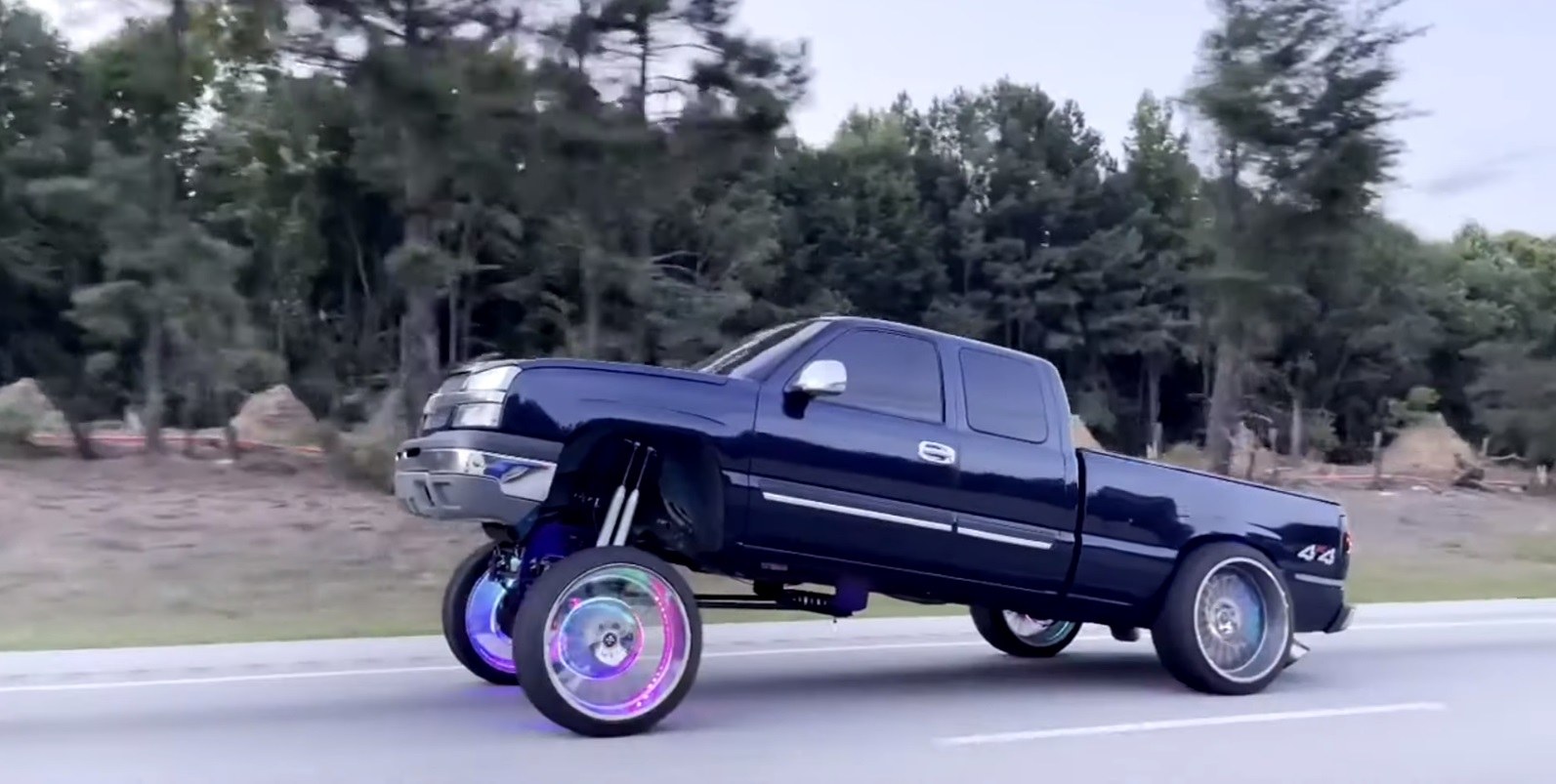
Lifted trucks have long been a symbol of rugged individuality, off-road prowess, and a distinctive aesthetic for many vehicle enthusiasts. These modifications, involving suspension or body lifts and often accompanied by oversized tires, raise a truck’s ride height significantly above its factory specifications. While they offer enhanced ground clearance for off-roading and a commanding presence on the road, their growing popularity has also brought them under intense scrutiny. The concept of a "lifted trucks ban" doesn’t typically imply a blanket prohibition on all modified vehicles, but rather a set of stringent regulations or outright prohibitions on excessively or unsafely modified vehicle heights. This crucial topic sits at the intersection of personal freedom, vehicle customization, and, most importantly, public safety.
The relevance of discussing lifted trucks bans stems from a growing concern among road safety advocates, law enforcement agencies, and even insurance providers regarding the potential hazards posed by improperly or excessively lifted vehicles. These concerns range from compromised visibility for the driver and other road users to altered vehicle dynamics that can increase the risk of accidents. As more jurisdictions consider tightening their regulations, understanding the various facets of lifted trucks bans – their rationale, implementation, impact, and how owners can navigate them – becomes paramount for both enthusiasts and the general public.
Understanding the Phenomenon of Lifted Trucks
The practice of lifting trucks is not new, evolving from practical necessity in off-road environments to a significant aftermarket industry driven by aesthetics and performance. Historically, early modifications were often crude, but today’s market offers sophisticated lift kits designed for various purposes.
Types of Lift Kits:
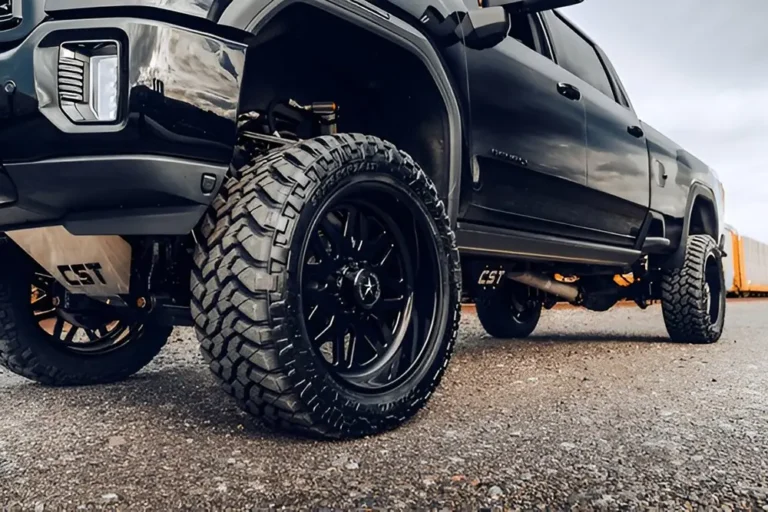
- Suspension Lifts: These replace or modify components of the vehicle’s suspension system (e.g., springs, shocks, control arms) to increase the distance between the frame and the axles. They can range from a mild 1-2 inches to extreme lifts of 10 inches or more, often improving off-road articulation and tire clearance.
- Body Lifts: These involve placing spacers between the vehicle’s frame and the body, effectively raising the body without altering the suspension geometry. Body lifts typically range from 1-3 inches and are primarily for aesthetic purposes or to fit slightly larger tires.
Reasons for Modification:
- Aesthetics: Many owners simply prefer the aggressive, elevated look of a lifted truck.
- Off-Road Performance: Increased ground clearance and articulation are vital for navigating challenging terrain, rocks, and deep mud.
- Tire Clearance: Lifting allows for the installation of larger diameter tires, which can further enhance off-road capability and visual appeal.
- Utility: For some, a lifted truck aids in towing specific types of trailers or navigating job sites.
The Rationale Behind Lifted Trucks Bans
The move towards regulating or banning certain lifted truck configurations is rooted deeply in public safety concerns. While enthusiasts argue for their right to modify their vehicles, policymakers increasingly point to a range of potential hazards.
Safety Concerns:
- Higher Center of Gravity and Rollover Risk: Raising a vehicle’s center of gravity makes it inherently less stable, increasing the risk of rollovers, especially during sharp turns, evasive maneuvers, or high-speed driving.
- Reduced Driver Visibility: The elevated driving position, combined with larger tires and potentially altered blind spot monitoring systems, can create significant blind spots, making it difficult for the driver to see smaller vehicles, pedestrians, cyclists, or even children close to the truck.
- Headlight Glare: Lifting a truck often raises its headlights above their factory-calibrated height. If not properly re-aimed, these lights can create blinding glare for oncoming traffic, impairing other drivers’ vision and increasing accident risk.
- Bumper Height Mismatch in Collisions: In a collision between a significantly lifted truck and a standard passenger car, the truck’s bumper and frame can bypass the safety structures of the smaller vehicle, leading to severe "underride" or "override" accidents. This can result in catastrophic intrusion into the passenger compartment of the lower vehicle.
- Altered Braking and Handling: Larger, heavier tires and altered suspension geometry can negatively impact a vehicle’s braking distance, steering responsiveness, and overall handling characteristics, making it harder to control in an emergency.
- Improper Installation: DIY or amateur lift kit installations can lead to mechanical failures, loose components, or improper alignment, all of which pose significant safety risks.
Regulatory Frameworks and Public Perception:
Many states and municipalities already have laws governing vehicle height, bumper height, and tire protrusion. Bans or stricter regulations often arise from a combination of these safety concerns and an increase in public complaints regarding nuisance, intimidation, and perceived recklessness associated with some excessively lifted trucks.
Types of Lifted Truck Regulations and Bans
Regulations concerning lifted trucks are diverse, varying significantly by state, county, and even city. There’s no single federal "lifted trucks ban" in the United States, but rather a patchwork of laws that define what is permissible.
- Maximum Overall Vehicle Height: Many states set a maximum total height for vehicles, often around 13 feet 6 inches, though this is primarily for commercial vehicles and bridges. For passenger trucks, limits are usually much lower.
- Maximum Bumper Height: This is one of the most common regulations. Laws specify a maximum allowable height from the ground to the bottom or top of the main bumper. These limits often differ for front and rear bumpers and can vary based on the vehicle’s Gross Vehicle Weight Rating (GVWR). For example, a common range might be 20-30 inches for the front bumper and 22-31 inches for the rear.
- Suspension Lift Limits: Some states directly regulate the maximum amount of suspension lift allowed in inches (e.g., "no more than 4 inches of lift").
- Tire Size Limits and Protrusion: Regulations may cap the maximum diameter of tires or require fender flares if tires extend beyond the vehicle’s fenders to prevent debris from being thrown onto other vehicles.
- Headlight Aiming Requirements: Laws often mandate that headlights must be properly aimed and at a certain height to prevent glare for other drivers.
- "Frame Height" Restrictions: Some jurisdictions focus on the distance between the ground and the lowest part of the vehicle’s frame.
- State-by-State Variations: California, for instance, has specific rules regarding maximum frame height based on GVWR. Texas also has bumper height limits. It is crucial for owners to check their specific state’s Department of Motor Vehicles (DMV) or equivalent agency.
- Outright Bans vs. Strict Regulations: While outright bans on all lifted trucks are rare, some regions might ban vehicles exceeding very low lift thresholds or implement inspection processes so rigorous that many lifted trucks effectively become illegal to operate.
Challenges for Owners and the Aftermarket Industry
The implementation of stricter lifted truck regulations or bans creates significant challenges for both truck owners and the aftermarket modification industry.
- Compliance Costs: Owners of non-compliant vehicles may face substantial costs to revert modifications, purchase new legal parts, or have professional services perform the necessary adjustments. This can include buying new stock suspension components, smaller tires, or paying for labor to undo previous work.
- Loss of Investment: Money spent on now-illegal lift kits, tires, and associated accessories becomes a sunk cost, leading to financial losses for enthusiasts who have invested heavily in their trucks.
- Inspection Failures and Fines: Vehicles that fail safety inspections due to non-compliance can be denied registration or receive citations, incurring fines that can range from hundreds to thousands of dollars per infraction. Repeat offenses can lead to vehicle impoundment.
- Insurance Implications: Many insurance companies view excessively lifted trucks as higher risk. Non-compliant modifications can lead to policy cancellation, refusal of coverage, increased premiums, or even voiding of coverage in the event of an accident if the modifications are deemed a contributing factor.
- Economic Impact on Aftermarket Industry: Manufacturers, distributors, retailers, and installers of lift kits and related accessories can experience a significant downturn in business, leading to job losses and economic hardship within this niche industry.
- Legal Battles and Advocacy: Owners and industry groups often engage in legal challenges against perceived unfair or overly restrictive regulations, arguing for property rights and responsible customization. However, these battles are often costly and difficult to win against public safety arguments.
Navigating the Regulations: Practical Advice for Truck Owners
For current or prospective lifted truck owners, proactive awareness and adherence to the law are essential.
- Know Your Local Laws BEFORE Modifying: This is the most critical piece of advice. Thoroughly research specific state, county, and city regulations regarding vehicle height, bumper height, tire size, and fender requirements before purchasing or installing any lift kit. Official DMV websites, state statutes, and local law enforcement agencies are the best sources.
- Measure Correctly and Regularly: Understand how measurements are taken (e.g., from the ground to the bottom/top of the bumper, frame height). After any modification, measure your truck to ensure it remains within legal limits.
- Opt for Professional Installation: Always have lift kits installed by certified professionals who are knowledgeable about local regulations. Proper installation ensures safety, maintains vehicle integrity, and can help prevent issues during inspections.
- Re-aim Headlights: Crucially, after any suspension or body lift, have your headlights professionally re-aimed to prevent blinding oncoming drivers. This is often a legal requirement.
- Check with Your Insurance Provider: Before and after modifying, discuss your plans with your insurance agent. Confirm that your policy will cover your modified vehicle and understand any implications for premiums or coverage.
- Be Prepared for Vehicle Inspections: Many states require periodic safety inspections. Ensure your lifted truck can pass all mandated checks, including height, lighting, and tire protrusion.
- Consider Adjustable Systems: Some lift kits offer adjustable height settings, which can be useful for adapting to different legal requirements or off-road situations.
- Maintain Records: Keep documentation of your lift kit purchases, professional installation, and alignment services. This can be valuable if questioned by law enforcement or during insurance claims.
The Future of Lifted Truck Regulations
The debate surrounding lifted trucks is likely to continue evolving. As vehicle technology advances and safety standards become more stringent, we may see further developments.
- Evolving Safety Standards: Federal agencies like NHTSA might increasingly focus on the interaction between vehicle height and safety, potentially leading to more harmonized national guidelines rather than disparate state laws.
- Technological Solutions: Future truck designs might incorporate adaptive suspensions or advanced driver-assistance systems that can better compensate for height changes, or even limit unsafe modifications.
- Community Engagement: Responsible truck clubs and aftermarket industry associations play a vital role in advocating for sensible regulations that balance customization rights with public safety. Educating members on legal compliance and safe modification practices is key.
- Balancing Act: The core challenge will remain: how to strike a fair balance between an individual’s right to customize their vehicle and the collective responsibility to ensure road safety for all users. The emphasis will likely shift towards performance-based regulations rather than blanket bans, focusing on how a modification affects braking, handling, and visibility.
Concluding Summary
The conversation around lifted trucks bans is a complex one, pitting the passion for automotive customization against legitimate public safety concerns. While lifted trucks offer aesthetic appeal and enhanced utility for specific purposes, the potential risks associated with excessive or improperly executed modifications—including increased rollover risk, reduced visibility, and dangerous bumper height mismatches—cannot be ignored. As a result, jurisdictions nationwide are implementing or tightening regulations, focusing on vehicle height, bumper height, and other critical safety parameters.
For truck owners, understanding and complying with these varied laws is not just a legal obligation but a moral imperative for road safety. Proactive research, professional installation, proper maintenance, and transparent communication with insurance providers are crucial steps to enjoying a modified truck responsibly. The future will likely bring further evolution in regulations, emphasizing a balance between individual freedom and collective safety, guiding enthusiasts towards safer and more compliant modification practices.
Table: Implications and Costs Associated with Lifted Trucks & Bans
This table outlines various financial and practical "costs" or implications associated with modifying trucks and the potential impact of regulations or bans.
| Aspect | Description | Estimated Cost/Implication (Example) |
|---|---|---|
| Initial Lift Kit Cost | Purchase price for suspension, body lifts, larger tires, and wheels. | $500 – $15,000+ |
| Professional Installation | Labor costs for proper, safe, and legal installation. | $300 – $2,500+ |
| Reverting Modifications | Cost to remove illegal modifications and return vehicle to stock or legal height. | $500 – $4,000+ (parts & labor) |
| Fines for Non-Compliance | Penalties for violating state/local height or modification laws. | $100 – $5,000+ (per infraction, can escalate) |
| Increased Insurance Premiums | Due to higher risk profile, perceived liability, or policy adjustments. | 10-50% increase, potential policy void |
| Vehicle Impoundment Fees | Costs if vehicle is deemed unsafe or illegal and impounded by authorities. | $100 – $500+ (initial fee) + $25-100/day storage |
| Legal Fees | For challenging citations, fighting impoundment, or accident litigation. | $500 – $10,000+ |
| Resale Value Impact | Potentially lower resale value if modifications are undesirable, illegal, or limit buyer pool. | Variable (can decrease significantly) |
| Accident Liability | Increased personal and financial liability if modifications contribute to an accident. | Potentially millions (personal injury, property damage) |
| Increased Fuel Consumption | Larger tires and altered aerodynamics often lead to lower MPG. | $100s – $1000s annually in fuel costs |
| Accelerated Wear & Tear | Stress on drivetrain, brakes, and suspension components. | Increased maintenance costs over time |
| Public Safety "Cost" | (Non-monetary) Increased risk of severe injuries/fatalities in accidents involving lifted vehicles. | Immeasurable human cost |
Frequently Asked Questions (FAQ) about Lifted Trucks Ban
Q1: What exactly constitutes a "lifted truck" in the eyes of the law?
A1: Legally, a "lifted truck" typically refers to a vehicle whose ride height, bumper height, or frame height has been modified beyond the manufacturer’s original specifications and/or exceeds specific state or local limits. The definition often includes both suspension lifts and body lifts.
Q2: Are all lifted trucks illegal?
A2: No, not all lifted trucks are illegal. Many jurisdictions allow for a certain degree of modification, often within a specified number of inches for suspension or body lift, or maximum bumper/frame height limits. The illegality arises when these modifications exceed the legally permissible limits in a given state or municipality.
Q3: How do I find out the specific lift laws in my state or city?
A3: The best way is to consult your state’s Department of Motor Vehicles (DMV), Department of Public Safety, or equivalent state transportation agency website. Local police departments or city/county ordinances may also have specific rules. It’s crucial to check before making any modifications. You can often find state-specific information via resources like NHTSA’s vehicle modification guidelines (this is a representative link; always check official state government sites).
Q4: What are the penalties for violating lifted truck laws?
A4: Penalties vary widely but can include fines (ranging from hundreds to thousands of dollars), citations, vehicle inspection failures, refusal of vehicle registration, orders to remove modifications, and even vehicle impoundment. Repeat offenses often lead to harsher penalties.
Q5: Can I get insurance for a lifted truck?
A5: Yes, generally you can get insurance for a lifted truck, but it’s crucial to inform your insurance provider about all modifications. Some insurers may charge higher premiums due to the increased perceived risk, or they might have specific requirements. Failure to disclose modifications could lead to claims being denied or your policy being voided in the event of an accident.
Q6: Will a lift void my vehicle’s warranty?
A6: Installing an aftermarket lift kit can potentially void parts of your vehicle’s factory warranty, particularly components related to the suspension, drivetrain, and steering that are directly affected by the lift. The Magnuson-Moss Warranty Act prevents blanket denials, but manufacturers can deny warranty claims if they can prove the aftermarket part caused the failure. Always check with your dealer or manufacturer.
Q7: Are body lifts or suspension lifts more regulated?
A7: Both types of lifts are subject to regulation, but suspension lifts often draw more scrutiny due to their greater impact on a vehicle’s center of gravity, handling, and potential for extreme height changes. Body lifts, while affecting overall height, typically have less impact on suspension geometry and are usually limited to a few inches. However, both must comply with overall vehicle and bumper height limits.
Q8: What should I do if my truck is currently lifted above legal limits?
A8: If your truck exceeds legal limits, you should immediately take steps to bring it into compliance. This may involve removing the illegal lift components, installing a legal-height lift, or reverting to a stock setup. It’s also advisable to get your headlights re-aimed and ensure your vehicle can pass any required safety inspections to avoid fines and ensure safety.