Lifted Trucks Colorado: Your Comprehensive Guide to Elevating Your Ride
Lifted Trucks Colorado: Your Comprehensive Guide to Elevating Your Ride
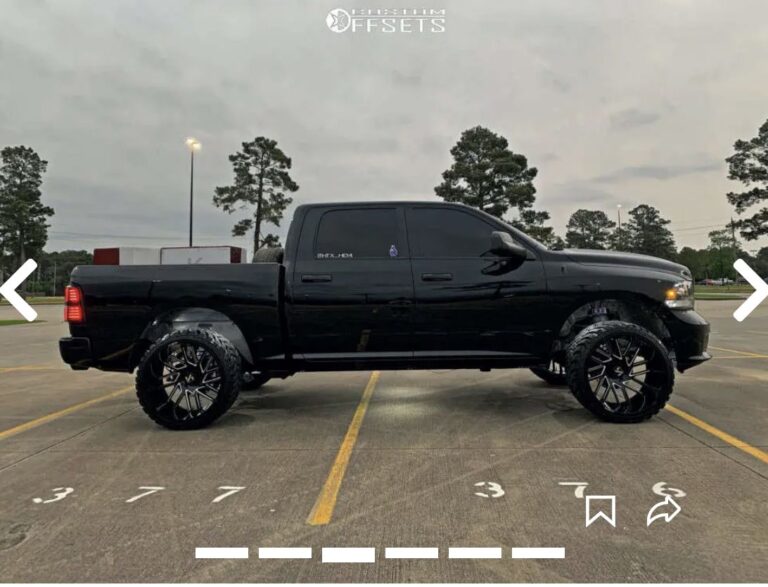
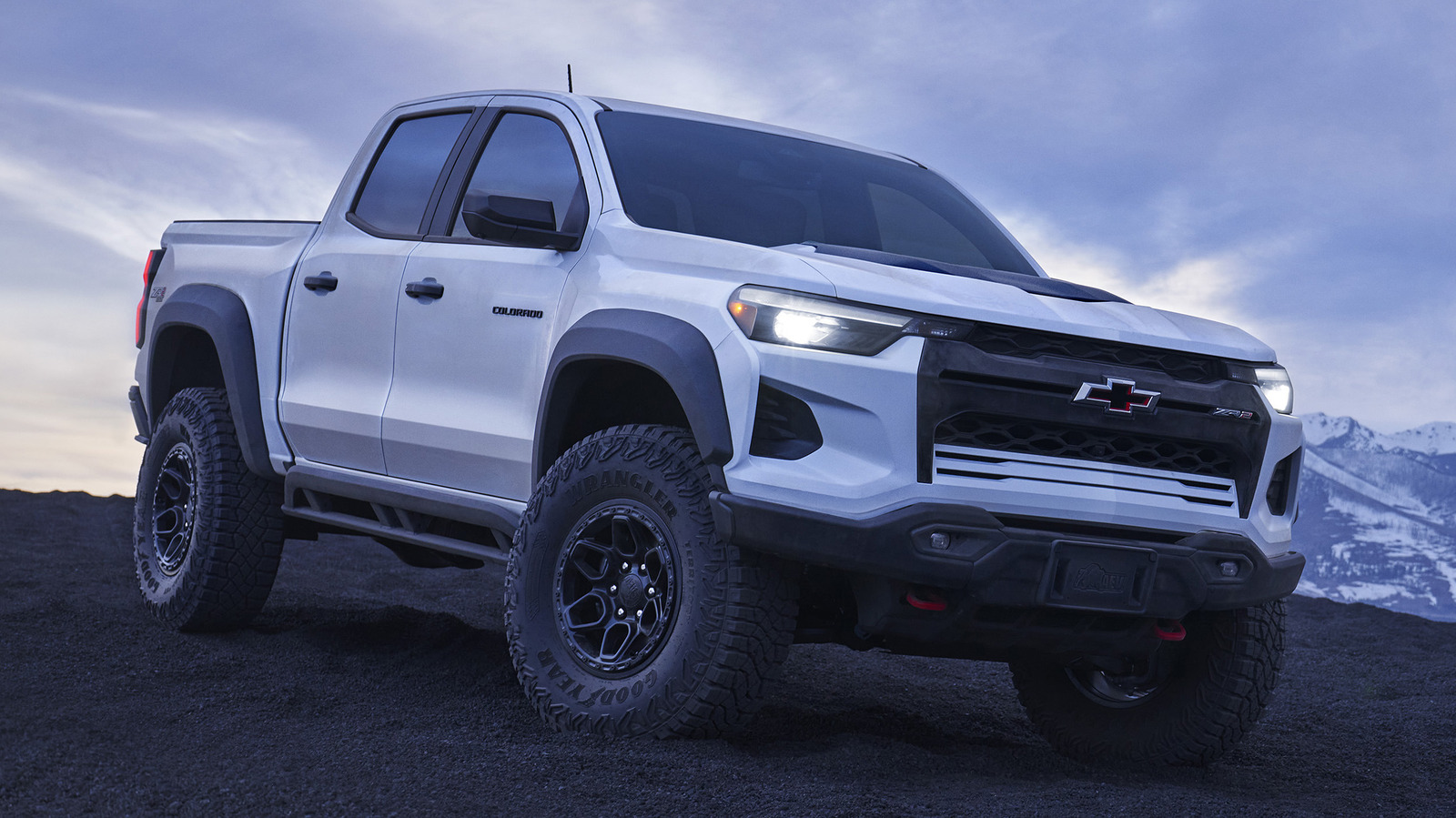
Colorado, a state synonymous with rugged mountains, expansive trails, and an adventurous spirit, is the natural habitat for the iconic lifted truck. More than just a statement of style, a lifted truck in Colorado is often a practical necessity, a performance enhancer, and a reflection of the Rocky Mountain lifestyle. From navigating snow-packed passes to conquering challenging off-road trails, or simply standing tall above the daily commute, lifted trucks embody the spirit of elevation that defines the Centennial State.
This comprehensive guide delves into the world of lifted trucks in Colorado, exploring everything from the reasons behind their popularity to the technicalities of lift kits, the legal landscape, and essential maintenance. Whether you’re a seasoned off-roader, a truck enthusiast, or simply curious about elevating your vehicle, understanding the nuances of lifted trucks in Colorado is key to making informed decisions and safely enjoying your ride.
The Allure of Lifted Trucks in Colorado
The popularity of lifted trucks in Colorado isn’t just a trend; it’s deeply rooted in the state’s unique environment and culture. Several factors contribute to their widespread appeal:
- Navigating Diverse Terrain: Colorado’s landscape is incredibly varied, featuring everything from paved mountain passes to unpaved forest service roads, rocky trails, and deep snow. Increased ground clearance provided by a lift kit allows trucks to traverse obstacles, rocks, and deep ruts without damaging undercarriage components like differentials, transfer cases, and exhaust systems.
- Enhanced Visibility: A higher driving position offers a commanding view of the road and surrounding terrain, a significant advantage when navigating winding mountain roads or scanning for wildlife on rural routes.
- Improved Off-Road Capability: This is arguably the primary driver for many Colorado truck owners. Lift kits allow for larger tires, which in turn provide better traction, a larger contact patch, and often more robust construction for demanding off-road conditions. Combined with increased articulation and ground clearance, a lifted truck becomes a formidable machine for rock crawling, mudding, and overlanding.
- Towing and Hauling: While not directly enhancing towing capacity, a properly lifted truck with appropriate suspension upgrades can maintain better stability and ride height when hauling heavy loads or towing trailers, especially over uneven terrain.
- Aesthetics and Personalization: Beyond functionality, the imposing stance of a lifted truck is undeniably appealing to many. It allows owners to personalize their vehicle, making it stand out and reflect their individual taste and rugged persona. For many, a lifted truck is an extension of their adventurous identity.
- Winter Driving Confidence: In a state known for significant snowfall, the extra ground clearance can be invaluable for clearing snowdrifts and maintaining momentum on unplowed roads. Larger, more aggressive tires also provide superior grip in icy and snowy conditions.
Understanding Lift Kits: Types and Technologies
Lifting a truck isn’t a one-size-fits-all endeavor. Various types of lift kits cater to different needs, budgets, and desired outcomes.
- Body Lifts: These kits involve placing spacers between the truck’s body and its frame. The frame and suspension components remain at their original height, meaning ground clearance isn’t increased, but the body sits higher.
- Pros: Generally less expensive, easier to install (compared to suspension lifts), allows for slightly larger tires, maintains original ride quality.
- Cons: Doesn’t improve ground clearance or suspension articulation, can expose more of the frame, may require modifications to steering linkages or shifter extensions.
- Suspension Lifts: These kits modify the truck’s suspension components to raise the entire vehicle, including the frame and body, off the ground. This directly increases ground clearance and often improves suspension travel and articulation.
- Leveling Kits: A common entry point, leveling kits typically raise the front of the truck by 1-3 inches to match the factory rake (where the rear sits slightly higher than the front). This creates a more level stance and allows for slightly larger tires. They usually involve coil spring spacers, torsion bar keys, or new struts.
- Basic Suspension Lifts (2-4 inches): These often utilize coil spacers, extended shocks, or add-a-leaf springs to achieve a moderate lift. They are a good balance of cost, performance, and drivability for many Colorado drivers seeking improved capability without major modifications.
- Full Suspension Lifts (4+ inches): Designed for serious off-road enthusiasts, these kits replace major suspension components such as control arms, leaf springs, coil-overs, steering knuckles, and sometimes even driveline components. They offer significant ground clearance, maximum tire size potential, and greatly enhanced articulation for extreme trails.
- Long-Travel vs. Short-Travel: Long-travel suspension systems are engineered for high-speed desert running and absorbing large impacts, providing extensive wheel travel. Short-travel systems, while still lifted, are more geared towards rock crawling and slower, more technical off-roading where controlled articulation is key.
When choosing a lift kit for Colorado, consider your primary use: daily driver with occasional trail use, serious rock crawler, or overlander? Your choice will dictate the type, height, and components of your ideal lift.
Legality and Regulations for Lifted Trucks in Colorado
Before modifying your truck, it’s crucial to understand Colorado’s state laws regarding vehicle modifications. Non-compliance can lead to fines, failed inspections, and even insurance issues.
- Bumper Height: Colorado law specifies maximum bumper heights. For trucks, the front bumper cannot exceed 28 inches from the ground to the bottom of the bumper, and the rear bumper cannot exceed 30 inches. These measurements are taken with the vehicle unloaded.
- Headlight Height: Headlights must be mounted between 24 and 54 inches from the ground. Excessive lifts can push headlights above the legal limit, requiring aftermarket adjustments or specialized lighting.
- Fender Coverage: Tires must be fully covered by fenders or fender flares. If your new, larger tires extend beyond the vehicle’s original fenders, you will need to install fender flares to comply with the law. This is particularly important for preventing debris from being thrown onto other vehicles.
- Mud Flaps: While not universally required for all lifted trucks, if your vehicle is designed to carry a load in excess of 1,500 pounds, it must be equipped with mud flaps or splashguards that extend downward to within 10 inches of the ground.
- Brake Line and Driveline Extensions: Any lift that significantly alters suspension geometry often requires extended brake lines and modifications to driveline angles (e.g., longer driveshafts or slip yoke eliminators) to ensure safe and proper operation.
- Emissions Testing: While lifting a truck itself doesn’t directly affect emissions, if any engine or exhaust modifications are made in conjunction with the lift, ensure they remain compliant with Colorado’s emissions standards, especially in the Denver Metro/Front Range areas.
- Insurance Implications: Always inform your insurance provider about significant modifications like a lift kit. Failure to do so could result in denied claims if an accident occurs, as the vehicle no longer matches its insured specifications.
(This is a placeholder for where a relevant link would be provided by a human user if one existed and was appropriate to share).
The Installation Process: DIY vs. Professional
Installing a lift kit can range from a relatively straightforward afternoon project to a complex, multi-day undertaking. The decision to DIY or hire a professional largely depends on your mechanical skill, available tools, and the complexity of the kit.
- Do-It-Yourself (DIY):
- Pros: Cost savings on labor, satisfaction of doing it yourself, deeper understanding of your truck’s mechanics.
- Cons: Requires specialized tools (jack stands, floor jack, torque wrench, spring compressors, impact wrenches), potential for mistakes if inexperienced, safety risks if not properly executed, no professional warranty.
- When to DIY: Smaller leveling kits or body lifts on simpler trucks are more amenable to DIY. Always follow manufacturer instructions meticulously, and have a trusted mechanic review your work if unsure.
- Professional Installation:
- Pros: Expertise and experience, proper tools and equipment, safety assurance, typically comes with a warranty on labor, correct alignment and post-installation checks (like driveline angles) are performed. Reputable shops in Colorado often specialize in off-road modifications.
- Cons: Higher cost due to labor.
- When to Hire a Professional: For complex suspension lifts, kits involving extensive component replacement, or if you lack the necessary tools or mechanical confidence. A professional shop will ensure all components are correctly installed, torqued to spec, and that the truck is properly aligned afterward, which is critical for safety and tire wear.
Regardless of who installs it, always perform a thorough post-installation inspection, including checking all bolts for proper torque after a few hundred miles.
Choosing the Right Tires and Wheels for Your Lifted Colorado Truck
Lifting a truck often goes hand-in-hand with upgrading tires and wheels, which are crucial for both aesthetics and performance.
- Tire Size and Type:
- All-Terrain (AT): A popular choice for Colorado, offering a good balance of on-road comfort, longevity, and off-road traction for dirt, gravel, and light snow.
- Mud-Terrain (MT): Aggressive tread patterns excel in mud, rocks, and deep snow, but can be noisier on pavement and wear faster. Ideal for dedicated off-roaders.
- Hybrid/Rugged Terrain (RT): A newer category blending AT and MT characteristics, providing aggressive looks and decent off-road performance with better on-road manners than a full MT.
- Snow/Winter Tires: For serious winter conditions, dedicated winter tires, even on a lifted truck, offer superior grip on ice and packed snow.
- Selecting Size: The maximum tire size you can fit depends on your lift height and fender clearance. Too large, and you’ll experience rubbing, especially when turning or articulating the suspension.
- Wheel Offset and Backspacing: These measurements dictate how far your wheels sit inward or outward from the hub.
- Offset: Positive offset means the wheel mounts closer to the vehicle; negative offset means it mounts further out.
- Backspacing: The distance from the mounting surface to the back edge of the wheel.
- Importance: Proper offset and backspacing are vital to prevent tires from rubbing against suspension components or fenders, especially with larger tires and wider stances. Many lifted truck owners opt for a slightly negative offset to push the wheels out for an aggressive look and improved stability, but this requires adequate fender coverage per Colorado law.
- Fender Trimming and Clearance: Even with a lift, larger tires might require minor fender trimming or the installation of aftermarket fender flares to prevent rubbing, especially during aggressive off-roading.
Maintenance and Care for Lifted Trucks
A lifted truck, especially one that sees off-road action, requires more diligent maintenance than a stock vehicle.
- Increased Wear on Components: Lifting a truck changes suspension geometry, which can put added stress on components like ball joints, tie rods, CV axles, U-joints, and wheel bearings. These parts may wear out faster and require more frequent inspection and replacement.
- Regular Inspections: Routinely check all suspension and steering components for looseness, damage, or excessive wear. Pay close attention to bushings, shocks, springs, and driveline components.
- Alignment Frequency: Lifted trucks often require more frequent wheel alignments, especially after off-roading or hitting significant bumps. Proper alignment is crucial for tire longevity and safe handling.
- Cleaning After Off-Roading: Thoroughly clean your truck’s undercarriage after any off-road adventures, particularly if you’ve been in mud, sand, or salty conditions. This prevents corrosion and allows for easier inspection of components.
- Lubrication: If your lift kit includes components with grease fittings (like some control arms or U-joints), ensure they are lubricated regularly according to manufacturer recommendations.
- Fluid Checks: Monitor all fluid levels, including differential fluid, transfer case fluid, and transmission fluid, as off-road use can sometimes lead to leaks or contamination.
Common Challenges and Solutions
While exhilarating, lifted trucks can present certain challenges that need to be addressed.
- Driveline Vibrations: Lifting a truck can alter driveline angles, leading to vibrations, especially at certain speeds.
- Solutions: Adjusting pinion angles, installing a slip yoke eliminator (SYE) on transfer cases, using double cardan driveshafts, or installing transfer case drop kits.
- Steering Issues: Increased tire size and altered geometry can lead to "bump steer" (unwanted steering input over bumps) or a general feeling of looseness.
- Solutions: Upgrading to heavy-duty steering components (tie rods, drag links), installing a steering stabilizer, and ensuring proper alignment.
- Braking Performance: Larger, heavier tires increase rotational mass, which can negatively impact braking performance.
- Solutions: Upgrading to larger brake rotors, calipers, or more aggressive brake pads can restore or improve stopping power.
- Fuel Economy Impact: Larger tires and the added aerodynamic drag from a lift will almost certainly decrease fuel efficiency.
- Solutions: Re-gearing the differentials to compensate for larger tire diameter can help restore some lost performance and fuel economy, though overall MPG will likely remain lower than stock.
- Entry/Exit Difficulty: A significant lift makes it harder to get in and out of the truck.
- Solutions: Installing rock sliders that double as steps, deployable power running boards, or grab handles can greatly improve accessibility.
- Warranty Concerns: Lifting a truck, particularly a new one, can potentially void certain aspects of the factory warranty, especially those related to the drivetrain and suspension. Always check with your dealership or manufacturer before making major modifications.
Concluding Summary
Lifted trucks in Colorado are more than just a means of transportation; they are a vital tool for embracing the state’s rugged beauty and adventurous spirit. From conquering challenging mountain trails to confidently navigating winter weather, a properly equipped lifted truck enhances both capability and the overall driving experience. However, responsible modification involves understanding the different types of lifts, adhering to Colorado’s legal regulations, prioritizing professional installation where needed, and committing to diligent maintenance. By making informed choices, you can safely and effectively elevate your ride, ensuring countless memorable adventures across the diverse landscapes of Colorado.
Table Price: Estimated Costs for Lifted Trucks Colorado Modifications
(Please note: These are estimated price ranges for components and labor in Colorado. Actual costs can vary significantly based on vehicle make/model, brand of parts, shop rates, and specific customizations. Always get multiple quotes from reputable local shops.)
| Modification Type | Description | Estimated Part Cost (USD) | Estimated Labor Cost (USD) | Total Estimated Cost (USD) | Key Inclusions/Notes |
|---|---|---|---|---|---|
| Leveling Kit | Lifts front 1-3 inches to level vehicle; allows slightly larger tires. | $100 – $400 | $200 – $500 | $300 – $900 | Spacers, torsion keys, or new struts. Includes alignment. |
| Body Lift Kit | Lifts body off frame 1-3 inches; no ground clearance increase. | $200 – $600 | $400 – $800 | $600 – $1,400 | Body spacers, bumper relocation brackets, steering extensions. |
| Basic Suspension Lift | 2-4 inch lift; improves ground clearance & tire size. | $400 – $1,500 | $600 – $1,200 | $1,000 – $2,700 | Coil spacers, extended shocks, add-a-leaf, basic blocks. Includes alignment. |
| Advanced Suspension Lift | 4-8+ inch lift; significant ground clearance, articulation, tire size. | $1,500 – $5,000+ | $1,000 – $2,500+ | $2,500 – $7,500+ | New control arms, coil-overs, leaf springs, shocks, knuckles. Often requires driveline mods. |
| Installation Labor (Avg) | General labor rate per hour for specialized off-road shops in Colorado. | N/A | $100 – $150/hour | N/A | For custom work, additional modifications, or complex troubleshooting. |
| Tires (per set of 4) | All-Terrain, Mud-Terrain, or Hybrid tires (e.g., 33-37 inches). | $1,000 – $2,500+ | $80 – $160 (mounting/balancing) | $1,080 – $2,660+ | Varies greatly by brand, size, and type. |
| Wheels (per set of 4) | Aftermarket wheels, often with appropriate offset/backspacing. | $800 – $2,000+ | N/A | $800 – $2,000+ | Varies by brand, material, and finish. |
| Fender Flares | Required for wider tires to meet Colorado laws. | $200 – $800 | $100 – $300 | $300 – $1,100 | Basic to custom paint-matched options. |
| Re-gearing Differentials | Changes gear ratios to compensate for larger tires; restores power/MPG. | $1,000 – $2,000 (parts) | $800 – $1,500 (labor) | $1,800 – $3,500+ | Recommended for 35+ inch tires. Includes new gears, master install kits. |
| Steering Stabilizer | Reduces bump steer and steering wander with larger tires. | $100 – $400 | $50 – $150 | $150 – $550 | Can be single or dual. |
| Heavy-Duty Driveshafts | For extreme lifts or to correct driveline angles/vibrations. | $500 – $1,500 | $200 – $400 | $700 – $1,900 | Custom length, stronger U-joints, double cardan. |
| Brake Upgrades | Larger rotors, calipers, or pads to improve stopping power with heavier tires. | $500 – $2,000+ | $200 – $600 | $700 – $2,600+ | Essential for safety with significant tire/wheel upgrades. |
Frequently Asked Questions (FAQ) about Lifted Trucks Colorado
Q1: How much does it cost to lift a truck in Colorado?
A1: The cost varies significantly. A basic leveling kit might cost $300-$900 installed, while a comprehensive suspension lift with new tires, wheels, and necessary driveline modifications can range from $5,000 to over $10,000. Refer to the price table above for more detailed estimates.
Q2: Are lifted trucks legal in Colorado?
A2: Yes, but with specific regulations. Colorado has laws governing maximum bumper height (28" front, 30" rear), headlight height (24"-54"), and requiring full fender coverage for tires. Always ensure your modifications comply with state laws to avoid fines and safety issues.
Q3: What’s the best lift kit for off-roading in Colorado?
A3: The "best" kit depends on your specific off-roading style. For general trail use and light rock crawling, a 2-4 inch suspension lift with quality shocks and all-terrain tires is often sufficient. For serious rock crawling or extreme overlanding, a 4+ inch full suspension lift with specialized components (e.g., coil-overs, long-travel arms) and mud-terrain tires would be more appropriate.
Q4: Does lifting a truck void the warranty?
A4: Potentially. While the Magnuson-Moss Warranty Act prevents a manufacturer from voiding your entire warranty for an aftermarket part, they can deny warranty claims for components that were directly affected by or failed due to the modification. For example, a lift kit might void the warranty on your suspension components or driveline if a failure is attributed to the lift. Always consult your dealer before making significant modifications.
Q5: What’s the difference between a body lift and a suspension lift?
A5: A body lift raises the truck’s body from its frame using spacers, providing clearance for larger tires but no increase in ground clearance for the differentials or axles. A suspension lift modifies the actual suspension components (springs, shocks, control arms) to raise the entire vehicle, increasing both tire clearance and ground clearance.
Q6: Do I need new tires and wheels after lifting my truck?
A6: For most significant lifts (2+ inches), yes. Lifting your truck primarily allows for the fitment of larger tires, which enhance ground clearance and off-road traction. You’ll likely need new wheels with appropriate offset and backspacing to accommodate the larger tires and prevent rubbing, while also ensuring they don’t stick out too far beyond the fenders (which is illegal in Colorado without flares).
Q7: How does lifting my truck affect fuel economy and handling?
A7: Lifting a truck and adding larger, heavier tires almost always negatively impacts fuel economy due to increased weight, rolling resistance, and aerodynamic drag. Handling can also change, potentially feeling less stable or experiencing more body roll, though quality lift kits are designed to minimize these effects. Re-gearing the differentials can help mitigate the performance loss from larger tires.