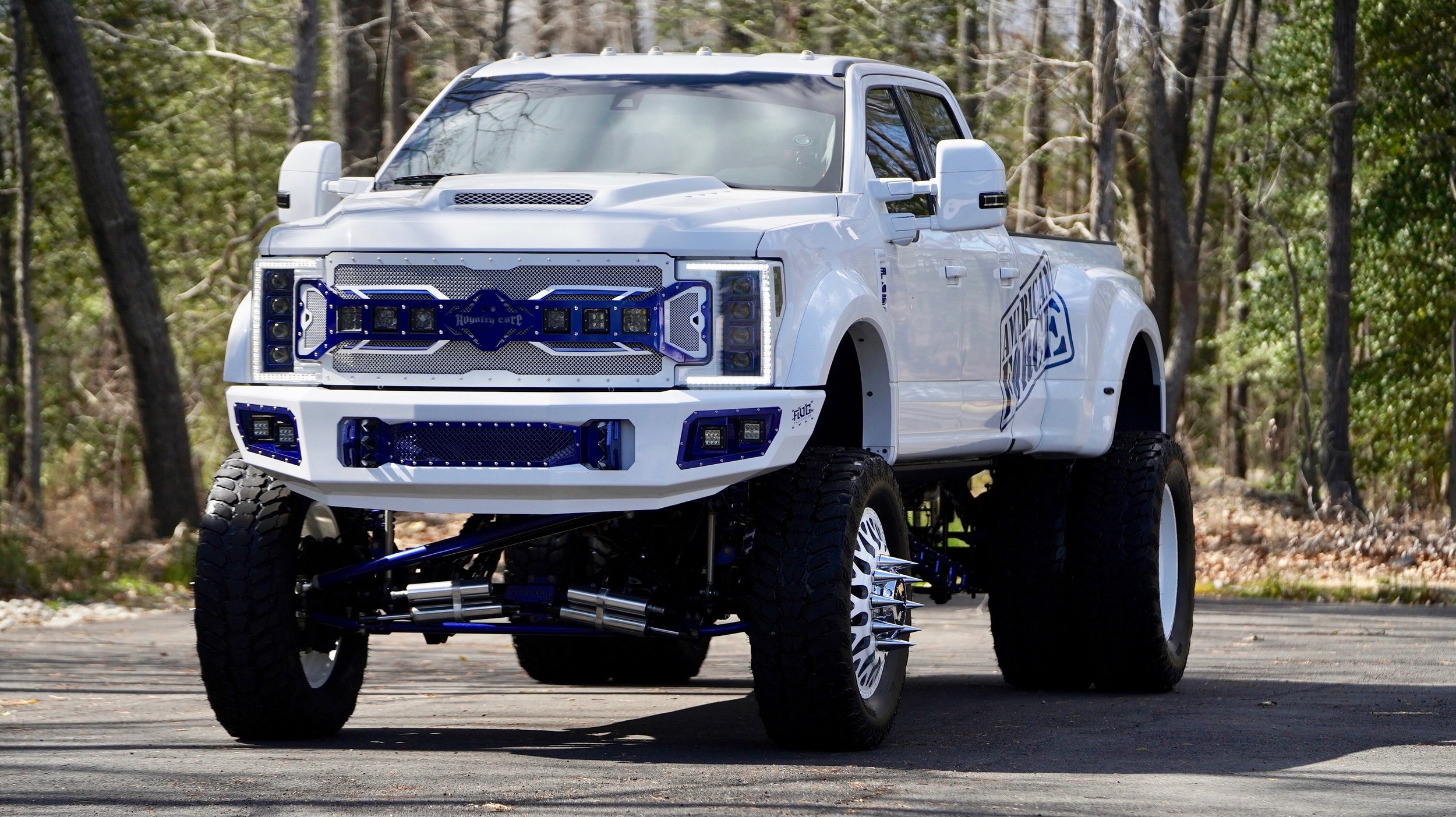
Cool Lifted Trucks: A Comprehensive Guide to the Ultimate Off-Road and On-Road Statement
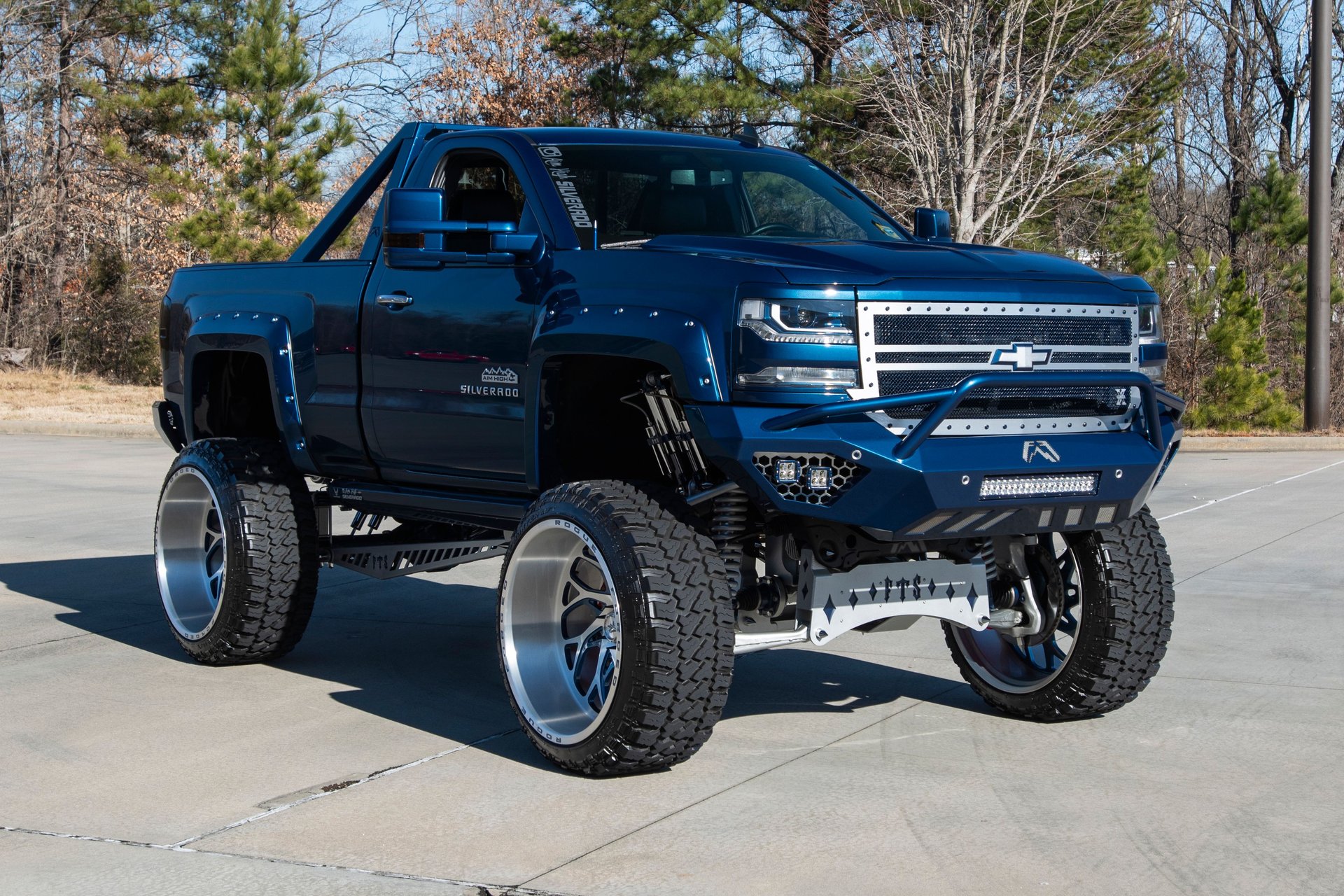
Cool Lifted Trucks: A Comprehensive Guide to the Ultimate Off-Road and On-Road Statement
The roar of a powerful engine, the commanding presence, and the sheer capability – these are just some of the reasons why cool lifted trucks capture the imagination of automotive enthusiasts worldwide. More than just a vehicle, a lifted truck is a statement of style, an emblem of rugged individualism, and often, a testament to serious off-road prowess. From the bustling city streets to the untamed wilderness, these formidable machines stand tall, quite literally, offering a unique blend of aesthetics, performance, and practicality. This comprehensive guide delves into the world of cool lifted trucks, exploring their appeal, the mechanics behind them, how to build and maintain them, and everything you need to know to appreciate or own one.
The Allure of Cool Lifted Trucks
What makes a lifted truck so undeniably cool? It’s a combination of factors that resonate deeply with many truck owners. Firstly, there’s the aesthetic impact: the aggressive stance, towering height, and massive tires create an imposing and undeniably attractive profile. This visual appeal often signifies power and capability, drawing glances and admiration wherever these trucks go. Secondly, the functional benefits are immense, especially for those who venture off the beaten path. Increased ground clearance allows these vehicles to navigate challenging terrain, clear obstacles, and ford deeper water with ease. For hunters, campers, or off-road adventurers, a lifted truck isn’t just cool; it’s an essential tool. Finally, cool lifted trucks offer a unique platform for personalization. Owners can express their individuality through custom lift kits, wheels, tires, lighting, bumpers, and a myriad of other accessories, transforming a standard pickup into a one-of-a-kind masterpiece.
Understanding Lift Kits: The Foundation of Cool Lifted Trucks
The heart of any lifted truck is its lift kit. These kits modify the truck’s suspension or body to increase its height, allowing for larger tires and improved ground clearance. Understanding the different types is crucial for anyone considering a modification.
Types of Lift Kits:
- Leveling Kits: These are the simplest and most affordable. They typically raise the front of the truck by 1-3 inches to match the factory rake (the slight downward slope from rear to front), providing a more aggressive, level stance and allowing for slightly larger tires.
- Body Lifts: A body lift kit raises the truck’s body from its frame using spacers. The frame, suspension, and driveline components remain at their original height. These kits are relatively inexpensive and can provide 1-3 inches of lift, primarily to clear larger tires without altering the suspension geometry.
- Suspension Lifts: This is the most comprehensive and effective way to lift a truck. Suspension lift kits replace or modify components like coil springs, leaf springs, shock absorbers, control arms, and steering components to physically raise the entire chassis. They can provide anywhere from 2 inches to extreme 10+ inch lifts, offering significant ground clearance and improved off-road articulation.
Components of a Suspension Lift:
- Shocks and Struts: Often longer or specifically tuned to handle the increased suspension travel.
- Springs: Taller coil springs or add-a-leaf/full leaf pack replacements increase ride height.
- Control Arms: Longer or repositioned control arms maintain proper alignment and suspension geometry.
- Steering Components: Drop pitman arms, tie rods, and other parts ensure correct steering angles.
- Driveline Components: Driveshaft spacers, extended brake lines, and transfer case drop kits may be necessary to prevent binding and ensure proper function.
Benefits and Considerations:
The benefits of a suspension lift are clear: superior ground clearance, the ability to fit larger tires, improved off-road performance, and a commanding view of the road. However, there are considerations: higher cost, more complex installation, potential changes to ride quality (which can be improved with quality components), and possible impacts on vehicle warranty and fuel economy.
Choosing the Right Lift Kit for Your Cool Lifted Truck
Selecting the ideal lift kit requires careful thought about your truck’s intended use, your budget, and local regulations.
Key Factors to Consider:
- Intended Use: Will your truck be a daily driver, a weekend warrior for light trails, or a dedicated off-road beast? A moderate 2-4 inch suspension lift might be perfect for a daily driver that sees occasional trails, while serious rock crawling demands 6+ inches and heavy-duty components.
- Budget: Lift kits vary widely in price, from a few hundred dollars for leveling kits to several thousand for high-end suspension systems. Don’t forget to factor in installation costs, which can be significant.
- Desired Tire Size: The lift height directly correlates with the maximum tire size you can fit. Plan your tires first, then choose a lift that accommodates them.
- Truck Model Specifics: Every truck model has unique suspension designs. Ensure the lift kit is specifically designed for your year, make, and model to ensure proper fitment and performance.
- Local Laws: Many states and municipalities have regulations regarding maximum vehicle height, bumper height, and tire protrusion. Always check these laws before making modifications.
Installation: Professional vs. DIY
While some mechanically inclined individuals can tackle a lift kit installation, it’s generally recommended to have a professional shop install suspension lifts. Proper installation is critical for safety, performance, and maintaining correct alignment and suspension geometry. A poorly installed lift can lead to dangerous handling issues, premature wear on components, and costly repairs.
Beyond the Lift: Essential Modifications for Cool Lifted Trucks
The lift kit is just the beginning. To truly achieve the look and performance of cool lifted trucks, additional modifications are often necessary or highly desired.
Wheels and Tires: The Visual Impact
Arguably the most significant visual upgrade, larger wheels and aggressive tires complete the lifted look.
- Tires: Mud-terrain (MT) tires offer maximum traction off-road, while all-terrain (AT) tires provide a good balance for both on-road comfort and off-road grip. Consider tire width, diameter, and load rating.
- Wheels: Aftermarket wheels come in various designs, materials (steel, aluminum), and offsets. Offset is crucial as it dictates how far the wheel sits from the hub, affecting stance and tire clearance.
Performance Upgrades: Powering the Beast
To complement the larger tires and increased weight, performance upgrades can enhance power and efficiency.
- Engine Tuning: Aftermarket tuners can optimize engine parameters for improved horsepower, torque, and even fuel economy.
- Exhaust Systems: Performance exhaust systems can improve exhaust flow, enhance engine sound, and sometimes yield minor power gains.
- Cold Air Intakes: These can help the engine breathe easier, potentially increasing horsepower and improving throttle response.
Exterior Accessories: Function and Form
- Aftermarket Bumpers: Steel bumpers offer enhanced protection, provide mounting points for winches and auxiliary lighting, and contribute to a rugged aesthetic.
- Winch: An essential recovery tool for off-roaders, a winch can pull your truck (or others) out of sticky situations.
- Auxiliary Lighting: LED light bars, spot lights, and flood lights improve visibility during night-time off-roading or work.
- Fender Flares: Necessary in many areas to cover tires that protrude beyond the fender wells, they also add to the aggressive look.
- Side Steps/Running Boards: Given the increased height, steps are often crucial for easy entry and exit.
The "How-To" of Owning and Maintaining Cool Lifted Trucks
Owning a lifted truck comes with specific responsibilities and maintenance requirements.
Pre-Purchase Considerations:
- Research: Thoroughly research lift kits and components compatible with your specific truck model. Read reviews and seek advice from experienced owners.
- Budget Beyond the Lift: Remember to budget for larger tires, wheels, potential re-gearing (to compensate for larger tires affecting effective gear ratio), and ongoing maintenance.
- Professional Consultation: Before making any purchases, consult with a reputable off-road shop. They can provide expert advice on kit selection, installation, and potential issues.
Driving and Maintenance Tips:
- Alignment: After installing a lift kit and periodically thereafter, ensure your truck’s alignment is professionally checked and adjusted. This is critical for tire wear and safe handling.
- Suspension Checks: Regularly inspect all suspension components for wear, damage, or loose bolts, especially after off-road excursions.
- Tire Care: Rotate tires regularly, maintain proper inflation, and check for uneven wear, which can indicate alignment issues or suspension problems.
- Driving Dynamics: Be aware that a lifted truck has a higher center of gravity, which can affect handling, especially during cornering or emergency maneuvers. Braking distances might also increase due to larger, heavier tires. Adjust your driving style accordingly.
- Visibility: The increased height can create blind spots directly in front of the truck, so be extra vigilant for pedestrians or smaller vehicles, especially when parking or maneuvering in tight spaces.
Legal and Safety Considerations for Cool Lifted Trucks
While cool lifted trucks are impressive, it’s crucial to be aware of the legal and safety implications.
Legal Compliance:
- State and Local Laws: As mentioned, laws vary significantly. Some states have maximum bumper height laws, while others dictate how much tire can extend past the fender. Ensure your modifications comply to avoid fines or safety inspections.
- Emissions: Some performance modifications might affect emissions, so be mindful of local regulations.
Safety Aspects:
- Center of Gravity: A higher center of gravity increases the risk of rollover, especially with extreme lifts or improper suspension tuning. Drive responsibly.
- Braking: Larger, heavier tires can increase stopping distances. Consider upgrading brake components (rotors, calipers, pads) to compensate.
- Headlight Aim: Ensure your headlights are properly aimed after a lift to avoid blinding oncoming traffic.
- Insurance: Inform your insurance provider about significant modifications. Failure to do so could result in denied claims in case of an accident.
Types and Categories of Cool Lifted Trucks
The world of cool lifted trucks is diverse, catering to various tastes and purposes:
- Off-Road Beasts: These trucks feature extreme suspension lifts, oversized mud tires, heavy-duty bumpers, winches, rock sliders, and often additional armor. They are built to conquer the most challenging trails.
- Show Trucks: While they may have impressive lifts, the primary focus here is aesthetics. Custom paint jobs, intricate wheel designs, unique lighting, and luxurious interiors are common. These trucks are built to impress at car shows.
- Work/Utility Trucks: Some professionals use lifted trucks for specific tasks, such as accessing remote job sites or carrying specialized equipment. Lifts might be moderate, focusing on functionality and durability.
- Daily Drivers/Street Trucks: These trucks typically have moderate lifts (2-4 inches) and a balance of comfortable on-road performance with the aggressive look of larger tires and wheels. They combine practicality with style.
Price Table: Components for Cool Lifted Trucks
Below is an estimated price range for common components and services associated with building cool lifted trucks. Prices can vary significantly based on brand, quality, vehicle model, and labor rates.
| Component/Service | Estimated Price Range (USD) | Notes |
|---|---|---|
| Lift Kits | ||
| Leveling Kit (2-3 inches) | $100 – $400 | Front only, simple spacers or coil spring seats. |
| Body Lift Kit (1-3 inches) | $200 – $600 | Spacers between body and frame. |
| Suspension Lift Kit (2-4 inches) | $500 – $2,000 | Basic kits, may include new shocks/struts, coil spacers, or leaf blocks. Good for daily drivers. |
| Suspension Lift Kit (4-6 inches) | $1,500 – $4,500 | More comprehensive, often includes control arms, longer shocks, new springs. Common for significant tire upgrades. |
| Suspension Lift Kit (6+ inches) | $3,000 – $10,000+ | High-end, complex kits with full component replacement, crossmembers, advanced geometry correction. For extreme off-roading or show. |
| Wheels & Tires | (Prices per set of 4, excluding mounting/balancing) | |
| Off-Road Tires (33-35 inches) | $800 – $2,000 | All-terrain or mud-terrain, depending on brand and type. |
| Off-Road Tires (35-40+ inches) | $1,500 – $4,000+ | Larger sizes require more aggressive lifts and potentially re-gearing. |
| Aftermarket Wheels (17-22 inches) | $600 – $2,500+ | Alloy or steel, various designs and finishes. |
| Installation & Labor | (Varies by region and shop complexity) | |
| Lift Kit Installation | $500 – $2,000+ | Varies significantly based on lift type, kit complexity, and hours required. |
| Wheel & Tire Mounting/Balancing | $80 – $200 | Per set of 4. |
| Alignment | $80 – $150 | Essential after any suspension modification. |
| Performance & Drivetrain | ||
| Re-gearing (Front & Rear Differentials) | $1,500 – $3,500+ | Recommended for larger tires to restore power and optimize driveline stress. Includes parts and labor. |
| Engine Tuner/Programmer | $400 – $1,000 | Optimizes engine performance for specific modifications. |
| Cold Air Intake System | $200 – $500 | Improves airflow to the engine. |
| Performance Exhaust System | $500 – $2,000 | Enhances engine sound and exhaust flow. |
| Exterior Accessories | ||
| Aftermarket Bumpers (Front/Rear) | $500 – $3,000+ | Steel, often winch-ready, with light mounts. |
| Winch (10,000-12,000 lbs) | $400 – $1,500 | Essential recovery gear. |
| LED Light Bar | $50 – $500+ | Various sizes and lumen outputs. |
| Fender Flares | $200 – $800 | Covers tire protrusion, protects paint. |
| Side Steps/Running Boards | $200 – $1,000 | Aids entry/exit, often for aesthetics and minor side protection. |
Note: These are general estimates. Prices can fluctuate due to market conditions, brand prestige, material costs, and regional labor rates. Always get detailed quotes from reputable suppliers and installers.
Frequently Asked Questions (FAQ) about Cool Lifted Trucks
Q1: Are lifted trucks safe?
A1: When properly installed with quality components and maintained, a moderately lifted truck can be safe. However, extreme lifts can raise the center of gravity, potentially increasing the risk of rollovers if driven irresponsibly. Always drive within the truck’s new capabilities and adhere to legal limits.
Q2: How much does it cost to lift a truck?
A2: The cost varies significantly. A basic leveling kit might be $100-$400, while a comprehensive suspension lift kit can range from $1,500 to over $10,000, not including installation ($500-$2,000+) or additional components like larger tires, wheels, and re-gearing.
Q3: Will lifting my truck void my warranty?
A3: It depends on the manufacturer and the nature of the modification. Generally, aftermarket modifications can void the portion of your warranty related to the parts that were modified or affected by the modification. For example, a suspension lift might void the warranty on your suspension, drivetrain, and steering components. It’s best to check with your dealership or manufacturer directly.
Q4: What’s the difference between a body lift and a suspension lift?
A4: A body lift raises the truck’s body from its frame using spacers, leaving the suspension geometry untouched. It primarily allows for larger tires. A suspension lift modifies the actual suspension components (shocks, springs, control arms) to raise the entire chassis, providing increased ground clearance and often improving off-road articulation.
Q5: Do lifted trucks get worse gas mileage?
A5: Yes, generally. Lifting a truck, especially with larger, heavier, and more aggressive tires, increases aerodynamic drag and rolling resistance. This, combined with the added weight, typically leads to a decrease in fuel efficiency. Re-gearing can help mitigate some of the negative impact on engine performance.
Q6: Do I need to regear my truck after lifting it?
A6: If you install significantly larger tires (typically 35 inches or more), re-gearing your differentials is highly recommended. Larger tires effectively change your truck’s final drive ratio, making it feel sluggish and putting extra strain on the engine and transmission. Re-gearing restores the optimal gear ratio, improving performance, towing capability, and reducing stress on the drivetrain.
Conclusion
cool lifted trucks represent more than just a modified vehicle; they embody a lifestyle of adventure, capability, and personalized expression. From their imposing stance and rugged aesthetics to their enhanced off-road prowess, these trucks capture the imagination and deliver unmatched versatility. Whether you’re seeking to dominate challenging trails, make a bold statement on the pavement, or simply enjoy a commanding view from behind the wheel, the world of cool lifted trucks offers a thrilling journey. By understanding the components, considering practical and legal implications, and committing to proper maintenance, owners can safely and proudly enjoy their customized machines, ensuring their lifted truck remains a source of pride and an enduring symbol of automotive freedom.