Car Wash for Lifted Trucks: A Comprehensive Guide to Keeping Your Beast Pristine
Car Wash for Lifted Trucks: A Comprehensive Guide to Keeping Your Beast Pristine
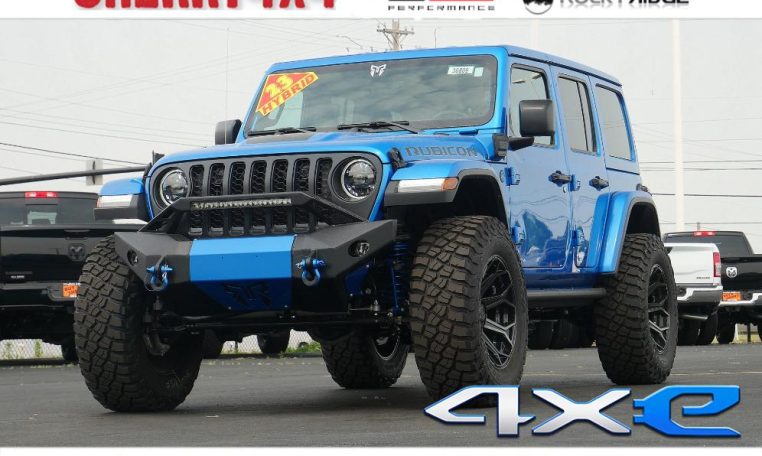
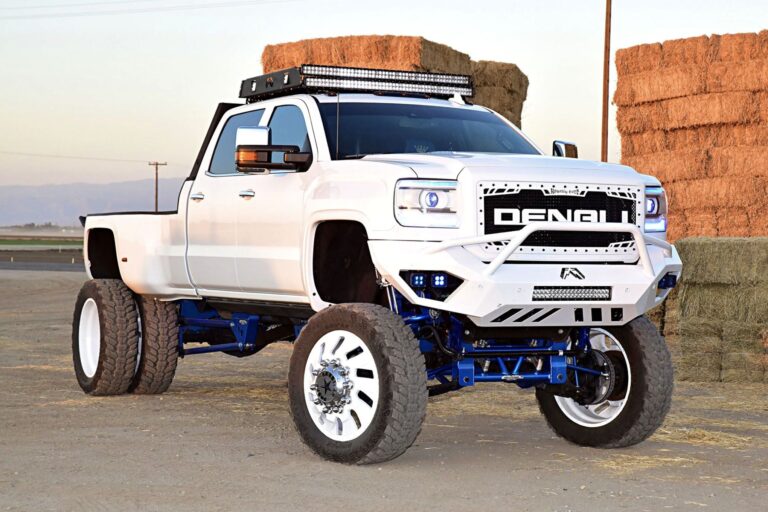
Owning a lifted truck is a statement. It’s a testament to capability, adventure, and a commanding presence on and off the road. But with great height and rugged aesthetics comes a unique set of challenges, especially when it comes to maintenance – and nowhere is this more apparent than with keeping your truck clean. A standard car wash simply won’t cut it. "Car wash for lifted trucks" isn’t just about rinsing dirt; it’s a specialized process demanding specific techniques, tools, and considerations to ensure every inch, from the roof racks to the robust undercarriage, is spotless and protected. This comprehensive guide will delve into everything you need to know to give your lifted rig the meticulous clean it deserves, preserving its imposing look and extending its lifespan.
Understanding the Unique Challenges of Washing Lifted Trucks
Lifted trucks, by their very nature, present several obstacles that standard sedans or SUVs don’t when it comes to cleaning. Recognizing these challenges is the first step towards an effective wash strategy.
- Height and Reach: The most obvious hurdle is the sheer elevation. Reaching the roof, upper windows, and the middle of the hood can be a significant stretch. Standard automatic car washes often have height restrictions, and even if a truck fits, the brushes or nozzles may not adequately cover the entire surface, leaving large sections uncleaned.
- Exposed Undercarriage: One of the main reasons for lifting a truck is increased ground clearance. While beneficial for off-roading, it means the undercarriage is far more exposed to mud, grime, salt, sand, and debris. This area is crucial for preventing rust and corrosion on vital components like the chassis, suspension, drivetrain, and exhaust system. Neglecting it can lead to costly repairs down the line.
- Large Tires and Wheels: Lifted trucks typically sport larger, more aggressive tires and custom wheels. These tires are designed to grip, which also means they pick up and hold onto more dirt, mud, and road tar. The wheels themselves, often aftermarket and made from specific alloys or finishes, require careful cleaning to avoid damage.
- Exterior Accessories: From fender flares and rock sliders to light bars, winches, roof racks, and bed liners, lifted trucks are often adorned with numerous accessories. Each of these adds nooks, crannies, and textured surfaces that trap dirt and require dedicated attention.
- Paint Protection: Despite their rugged appeal, lifted trucks still benefit from proper paint care. The environments they often traverse can be harsh, making regular cleaning and protection vital for maintaining the finish and preventing scratches or swirl marks.
Essential Gear and Supplies for DIY Lifted Truck Washing
For those who prefer the satisfaction and thoroughness of a do-it-yourself wash, having the right arsenal of tools and cleaning agents is paramount.
- Pressure Washer: A good electric or gas-powered pressure washer (1500-2000 PSI is usually sufficient for home use) is invaluable. Equip it with a variety of nozzles (e.g., 40-degree for general rinsing, 25-degree for stubborn grime, and a low-pressure soaping nozzle). A dedicated undercarriage cleaner attachment is highly recommended.
- Long-Handled Brushes and Wash Mitts: Invest in a sturdy, long-handled wash brush with soft bristles for reaching high areas like the roof and upper body panels. Complement this with several plush microfiber wash mitts for the main body panels, ensuring a gentle, scratch-free wash.
- Specialized Soaps and Shampoos: Use a pH-neutral car wash soap for the main body. For the undercarriage and heavily soiled areas, a heavy-duty degreaser or dedicated undercarriage cleaner can be highly effective.
- Wheel and Tire Cleaners: Select a wheel cleaner that is safe for your specific wheel finish (e.g., polished aluminum, chrome, painted). A dedicated tire cleaner will help strip off old tire dressing and brake dust.
- Buckets: The "two-bucket method" is crucial for preventing swirl marks. You’ll need one bucket for your clean soapy water and another with plain water for rinsing your wash mitt.
- Microfiber Drying Towels: Large, absorbent microfiber towels are essential for drying the truck without leaving water spots or introducing scratches. A leaf blower can also be surprisingly effective for quickly drying crevices and wheels.
- Ladders or Step Stools: A stable, sturdy step stool or a small ladder is non-negotiable for safely reaching the roof and other high areas of your lifted truck.
- Protection Products: High-quality wax, paint sealant, or ceramic coating spray will protect your truck’s paint and make future washes easier. Tire dressing will complete the look of your wheels.
Step-by-Step Guide: How to Wash Your Lifted Truck Effectively
Follow these steps for a meticulous and thorough clean that addresses the unique needs of your lifted truck:
- Pre-Rinse (The De-Mudding Phase): Begin by thoroughly rinsing the entire truck, starting from the top and working your way down. Pay special attention to the undercarriage. Use your pressure washer with a wide-angle nozzle to blast away loose dirt, mud, and debris. If you have an undercarriage attachment, now is the time to use it to dislodge heavy grime.
- Wheels and Tires First: Clean your wheels and tires before washing the body. Apply your chosen wheel cleaner and tire cleaner, letting them dwell according to product instructions. Use dedicated wheel brushes (for spokes, barrels, and lug nuts) and a stiff brush for the tire treads. Rinse thoroughly to prevent chemicals from drying on the wheels.
- The Two-Bucket Wash Method: Fill one bucket with your pH-neutral car wash soap and water, and the other with plain rinse water. Using your long-handled brush or a dedicated wash mitt, start washing the highest parts of the truck (roof, upper cab, light bars). Work in small sections, always rinsing your mitt in the plain water bucket before reloading it with soapy water.
- Wash Top Down: After the roof, move to the hood, front bumper, and grille. Then proceed to the sides, doors, and fender flares, and finally the tailgate and rear bumper. For body panels, use soft microfiber wash mitts, ensuring gentle, straight-line passes rather than circular motions to minimize swirl marks.
- Undercarriage Deep Clean: Once the main body is washed, return to the undercarriage. If you didn’t use an undercarriage attachment during the pre-rinse, use it now with a degreaser or dedicated undercarriage cleaner. Blast away any remaining dirt, salt, or mud. This step is critical for rust prevention.
- Final Rinse: Rinse the entire truck thoroughly, starting from the top. Ensure no soap residue is left behind, as it can cause streaks or water spots.
- Drying: Dry the truck immediately to prevent water spots. Use large, clean microfiber drying towels, blotting rather than dragging. A leaf blower can be excellent for blowing water out of crevices, around emblems, and off wheels.
- Protection and Dressing: Apply a wax, sealant, or ceramic coating spray to the paint for added shine and protection. Finish by applying a non-sling tire dressing to your tires for a deep, rich black finish. Don’t forget to clean and condition any plastic trim or rubber seals.
Professional Car Wash Options for Lifted Trucks
While DIY offers maximum control, sometimes professional help is needed. However, not all car washes are created equal for lifted trucks.
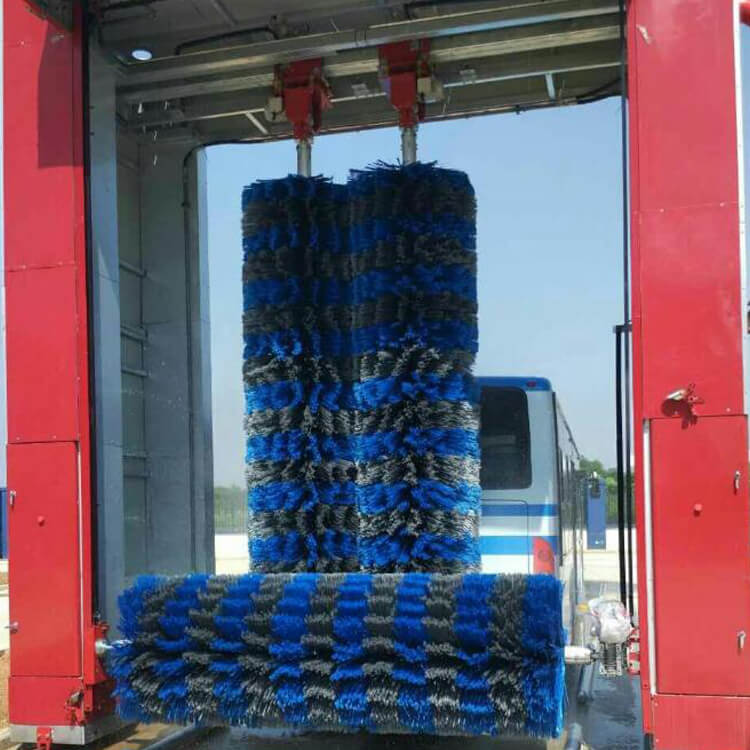
- Touchless Automatic Washes: These use high-pressure water and chemicals without brushes. While they minimize the risk of scratches, they often struggle with heavily soiled trucks, especially in the undercarriage and intricate areas. Crucially, many have height and width restrictions that lifted trucks exceed. Always check dimensions before entering.
- Full-Service Hand Washes: These are often the best professional option. They employ human detailers who can manually wash, scrub, and reach all areas of your truck, including the undercarriage (if specifically requested and offered). They offer thoroughness but come at a higher cost and require more time.
- Specialized Truck Washes: Some areas have dedicated truck wash facilities designed for commercial vehicles, large RVs, and lifted trucks. These typically have higher clearances and powerful washing systems, sometimes including automated undercarriage cleaning. They are an excellent option if available locally.
- Self-Service Bays: These allow you to use high-pressure wands, brushes, and soap dispensers provided by the facility. They give you the control of DIY without needing to own all the equipment, but you’ll still need your own specialized brushes, mitts, and drying towels for the best results. They are generally height-friendly.
When considering a professional wash, always inquire about their height and width restrictions, whether they offer undercarriage cleaning, and if they have specific services for oversized vehicles.
Important Considerations and Best Practices
- Frequency: How often you wash depends on your driving habits. Daily drivers might need a wash every 1-2 weeks. If you frequently go off-roading, a thorough wash (especially the undercarriage) should follow every adventure. Even if your truck isn’t visibly dirty, a monthly wash helps prevent grime buildup and keeps protective layers fresh.
- Environmental Impact: Be mindful of water usage. Use a shut-off nozzle on your hose and consider collecting rinse water if local regulations allow. Choose biodegradable soaps and dispose of wash water responsibly.
- Rust Prevention: This cannot be stressed enough. Regular, thorough undercarriage cleaning, especially after driving on salted roads or through mud, is your best defense against rust and corrosion.
- Protecting Accessories: Be gentle around light bars, antennas, and electrical components. If using a pressure washer, keep a safe distance to avoid damaging delicate parts. Consider covering exposed electrical connections before washing.
- Safety First: Always use a stable ladder or step stool when working at height. Never stand on precarious objects. Wear appropriate footwear to prevent slips, especially when using a pressure washer on wet surfaces.
- Link: For more information on maintaining your vehicle’s appearance, explore comprehensive guides on car wash for lifted trucks. (Note: This is a placeholder link; in a live article, it would point to a relevant, authoritative resource.)
Pricing Table: Car Wash for Lifted Trucks
| Service Type | Description | Estimated Price Range (USD) | Key Considerations |
|---|---|---|---|
| DIY Home Wash | Self-washing at home using your own equipment and supplies. | $5 – $20 per wash | Initial investment in equipment (pressure washer, buckets, brushes, soaps) can be $200-$500+. Cost per wash is for water, electricity, and consumables. Offers maximum control and thoroughness. Requires time and physical effort. |
| Self-Service Wash Bay | Using a coin-operated or card-operated bay with high-pressure wands, soap brushes, and rinse options. | $10 – $25 per wash | Price depends on time spent and options used. Good for basic rinsing and undercarriage blast. May still require bringing your own specialized brushes, mitts, and drying towels for a thorough clean. Height is usually not an issue. |
| Basic Automatic (Drive-Thru) | Entry-level automatic wash with soft-touch brushes or touchless jets. Limited undercarriage cleaning. | $15 – $35 per wash | Warning: Most lifted trucks will not fit due to height/width restrictions. Even if they fit, cleaning is often inadequate for lifted trucks, especially the undercarriage. Risk of damage to aftermarket accessories. |
| Touchless Automatic (Premium) | Advanced automatic wash using high-pressure water, chemicals, and sometimes dryers. Usually offers better undercarriage rinse than basic. | $25 – $45 per wash | Warning: Still significant height/width restrictions for many lifted trucks. Better for light maintenance washes if your truck fits, but may not remove heavy mud or grime. Limited effectiveness on complex accessories and undercarriage components compared to manual cleaning. |
| Full-Service Hand Wash | Manual wash by staff, including exterior wash, tire shine, and basic interior wipe-down. | $50 – $100+ | Ideal for thorough exterior cleaning. Ensure they are equipped and experienced with lifted trucks. Always specify undercarriage cleaning as an add-on. Price can vary significantly based on truck size and level of detail. May not include heavy mud removal. |
| Deluxe Hand Wash / Detail | Comprehensive hand wash, often including clay bar treatment, wax/sealant application, deep wheel cleaning, and thorough interior vacuum/detailing. | $150 – $400+ | The most thorough option. Excellent for restoring shine and protecting paint. Essential for maintaining the value and appearance of a well-maintained lifted truck. Always confirm they can handle the truck’s height and have appropriate tools/ladders. Specify undercarriage detail if needed. |
| Undercarriage Add-on | Specific high-pressure cleaning and sometimes chemical application for the truck’s underside. | $15 – $40 | Highly recommended for all lifted trucks, especially after off-roading or winter driving. Crucial for rust prevention. Always ask for this as an explicit add-on to any professional service. |
| Wax / Sealant Add-on | Application of a protective layer to the paint after washing. | $20 – $75 | Enhances shine and provides a layer of protection against environmental contaminants. Makes future washes easier. Often included in higher-tier hand wash packages. |
| Tire Dressing Add-on | Application of a product to make tires look black and shiny. | $5 – $15 | A small detail that significantly enhances the overall clean look of the truck. |
Note: Prices are estimates and can vary widely based on geographic location, facility reputation, the size/condition of the truck, and specific services requested.
Frequently Asked Questions (FAQ) About Car Wash for Lifted Trucks
Q1: Can I take my lifted truck through a regular automatic car wash?
A: In most cases, no. Regular automatic car washes have strict height and width restrictions that most lifted trucks exceed. Even if your truck technically fits, the brushes or nozzles may not clean effectively, and there’s a significant risk of damaging aftermarket accessories like light bars, roof racks, or fender flares. Always check the car wash’s stated height clearance.
Q2: How often should I wash my lifted truck?
A: The frequency depends on your usage. For daily drivers, once or twice a month is usually sufficient. If you regularly go off-roading, you should perform a thorough wash, especially of the undercarriage, as soon as possible after each adventure to prevent mud and debris from hardening and causing rust.
Q3: What’s the best way to clean the undercarriage of a lifted truck?
A: The best method is using a pressure washer with a dedicated undercarriage cleaner attachment or a wide-angle nozzle. Apply a degreaser or specialized undercarriage cleaner if there’s heavy grime. Professional truck washes or self-service bays often have powerful undercarriage rinses that can be very effective.
Q4: Are touchless car washes effective for lifted trucks?
A: Touchless washes are generally less effective for heavily soiled lifted trucks, as they rely on chemicals and water pressure rather than physical scrubbing. They might be suitable for light maintenance washes if your truck fits, but they won’t adequately remove caked-on mud, road tar, or thoroughly clean the undercarriage compared to a hand wash.
Q5: What kind of soap should I use for my lifted truck?
A: For the main body, always use a pH-neutral car wash soap. This prevents stripping off any wax or sealant and is gentle on your paint. For heavy grime on the undercarriage or wheels, you might need a stronger, specialized degreaser or wheel cleaner.
Q6: Is it safe to pressure wash my engine bay?
A: Pressure washing your engine bay can be risky. While it’s possible, it requires specific knowledge to cover sensitive electrical components, sensors, and air intakes. If done incorrectly, it can cause severe damage. It’s generally safer to hand-clean the engine bay with specialized cleaners and a gentle hose rinse, or leave it to professional detailers who are experienced in engine bay cleaning.
Q7: How can I prevent water spots on my lifted truck?
A: To prevent water spots, dry your truck immediately and thoroughly after rinsing. Use large, clean, absorbent microfiber drying towels. Working in the shade can also help, as direct sunlight can cause water to evaporate too quickly. A leaf blower is excellent for blasting water out of crevices and off textured surfaces.
Conclusion
Washing a lifted truck is more than just a chore; it’s an investment in preserving the functionality, appearance, and value of your vehicle. By understanding the unique challenges, equipping yourself with the right tools, and following a methodical approach, you can ensure your beast remains pristine, whether it’s conquering trails or cruising city streets. Whether you opt for a hands-on DIY approach or seek out specialized professional services, the key is consistency and attention to detail, particularly with the often-neglected undercarriage. A well-maintained, clean lifted truck not only looks impressive but also stands as a testament to responsible ownership, ready for its next adventure.