Chevy Lifted Trucks: A Comprehensive Guide to Elevating Your Ride
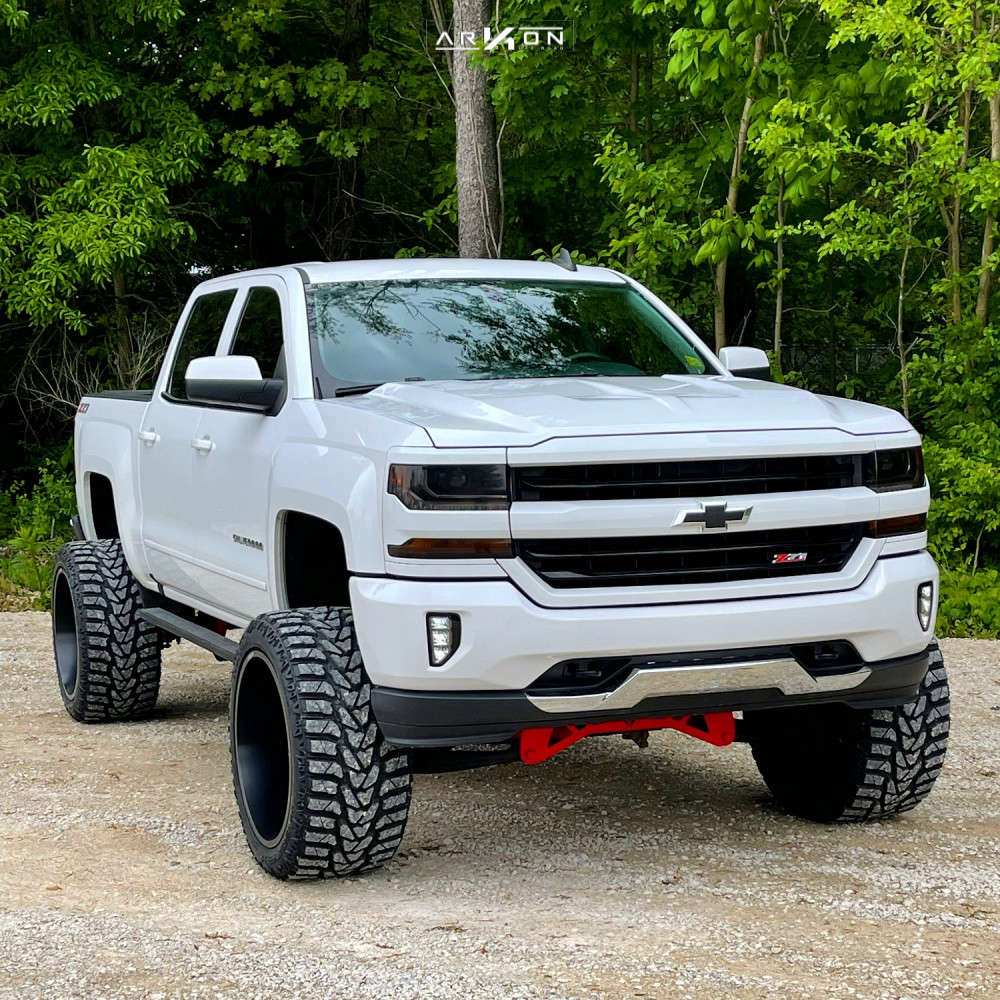
Chevy Lifted Trucks: A Comprehensive Guide to Elevating Your Ride
Introduction: The Ascent of the Chevy Lifted Truck
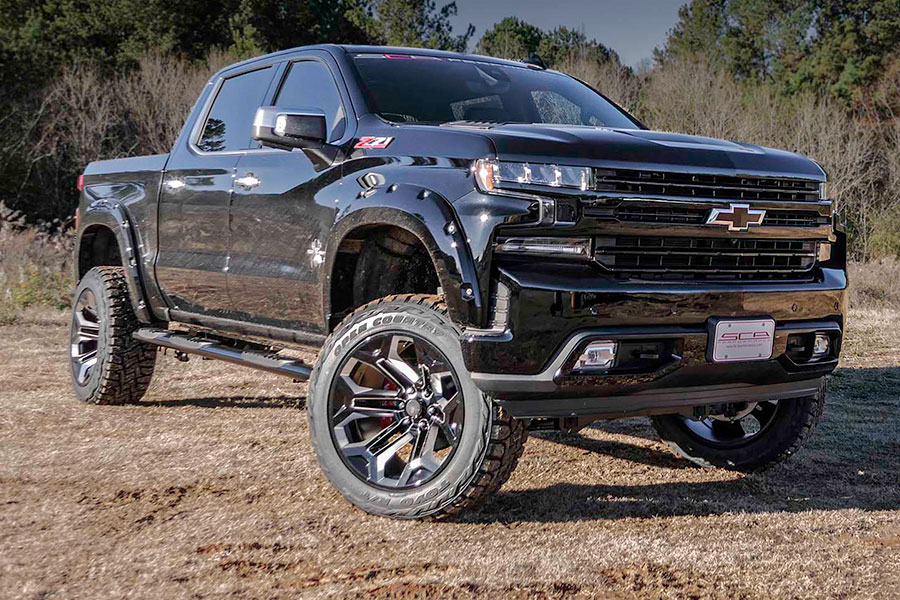
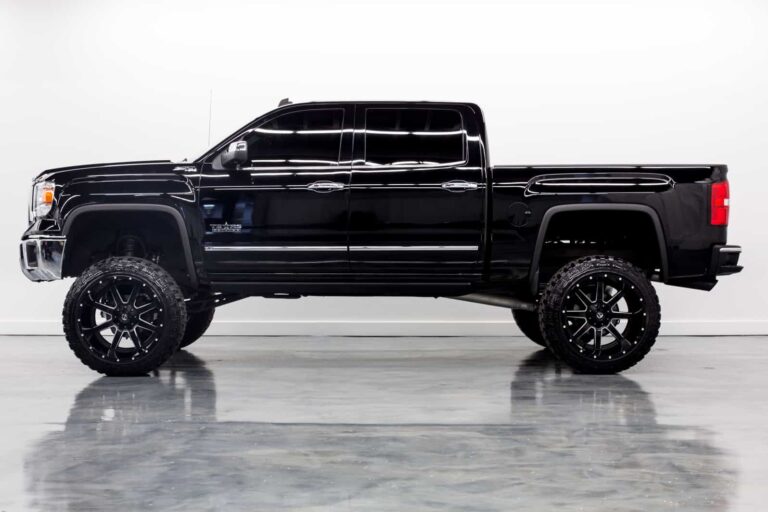
In the world of automotive enthusiasts, few sights command as much attention and respect as a lifted truck. Among the titans of the truck industry, Chevrolet stands tall, offering a robust platform for customization and enhancement. A "Chevy lifted truck" refers to a Chevrolet pickup that has undergone modifications, primarily to its suspension system, to increase its ground clearance and overall height. This transformation is more than just an aesthetic choice; it’s a declaration of capability, a pursuit of adventure, and a testament to personalized style.
From the rugged Silverado to the versatile Colorado, Chevy trucks are renowned for their durability, powerful engines, and widespread aftermarket support, making them ideal candidates for lifting. The importance and relevance of lifted Chevy trucks stem from their dual appeal: they offer unparalleled off-road prowess, allowing drivers to conquer challenging terrains with ease, and they project an undeniably aggressive, commanding presence on city streets. Whether for extreme trail blazing, enhanced towing, or simply making a statement, understanding the intricacies of lifting a Chevy truck is the first step towards realizing its full potential.
Understanding Lift Kits for Chevy Trucks
At the heart of every lifted Chevy truck is a "lift kit." These kits are engineered packages designed to elevate the vehicle’s body and/or suspension, thereby increasing ground clearance. The components typically include new shocks, springs (coil springs or leaf springs, depending on the truck’s design), control arms, steering components, and often extended brake lines.
There are primarily three types of lift kits available for Chevy trucks:
- Leveling Kits: These are the most basic and least expensive. Designed to raise the front of the truck by 1-2 inches, leveling kits aim to eliminate the factory rake (where the front sits slightly lower than the rear). They primarily improve aesthetics and allow for slightly larger tires without major modifications.
- Body Lifts: A body lift kit raises the truck’s body from its frame using spacers. Typically ranging from 1 to 3 inches, body lifts do not alter the suspension geometry or ride quality. Their main purpose is to create space for larger tires, offering a cost-effective way to achieve a taller stance without the complexities of a suspension overhaul.
- Suspension Lifts: These are the most comprehensive and popular type for significant height increases. Ranging from 2 inches to 12 inches or more, suspension lift kits involve replacing or modifying critical suspension components. This category is diverse, offering options from mild upgrades that maintain ride comfort to extreme setups designed for hardcore off-roading. Chevy trucks, particularly the Silverado and Colorado, benefit immensely from the extensive aftermarket support for suspension lifts, allowing for tailored solutions to meet specific needs and driving styles.
Chevy trucks are particularly well-suited for lifting due to their robust ladder-frame chassis, strong drivetrain components, and a massive ecosystem of aftermarket parts manufacturers. This ensures that owners have access to a wide range of quality products designed specifically for their vehicles, whether they drive a classic C10 or a brand-new Silverado HD.
Benefits of Lifting Your Chevy Truck
The decision to lift a Chevy truck comes with a host of compelling advantages that extend beyond mere aesthetics:
- Enhanced Off-Road Capability: This is arguably the primary benefit. Increased ground clearance allows the truck to traverse obstacles like rocks, logs, and deep ruts without scraping the undercarriage. Improved approach, departure, and breakover angles mean you can tackle steeper inclines and declines with greater confidence, reducing the risk of getting stuck or damaging critical components.
- Accommodate Larger Tires: A lift is often a prerequisite for fitting larger, more aggressive off-road tires. These tires provide superior traction on loose surfaces, mud, and snow, further enhancing the truck’s off-road performance and rugged appearance.
- Improved Aesthetics and Commanding Presence: There’s no denying the visual impact of a lifted Chevy. It projects an image of strength, capability, and individuality. A taller stance gives the truck an aggressive, customized look that stands out in a crowd.
- Better Visibility (Situational): While a higher ride height can sometimes make it harder to see immediately around the vehicle, it generally offers a better vantage point over traffic and obstacles on the road or trail, contributing to a sense of control and safety.
- Increased Utility: For those who use their trucks for work or recreation, a lift can provide practical benefits. It might make it easier to load certain types of cargo, or simply ensure the truck clears obstacles on a job site or campsite.
Choosing the Right Lift Kit for Your Chevy
Selecting the perfect lift kit requires careful consideration of several factors to ensure it aligns with your goals and budget:
-
Determine Your Primary Purpose:
- Daily Driver with Light Off-Road: A 2-4 inch suspension lift or a leveling kit might be sufficient, offering a great look and mild capability without sacrificing too much comfort.
- Serious Off-Roader: A 4-6 inch or even 8+ inch suspension lift with high-quality shocks and components will be necessary for extreme trails.
- Show Truck: Aesthetics might trump performance, allowing for extreme lifts purely for visual impact.
- Towing/Hauling: Specific kits designed to maintain or improve towing stability under load are crucial.
-
Consider Lift Height vs. Practicality: Taller lifts can be impressive, but they impact daily usability (garage clearance, parking structures), ride quality, fuel economy, and potentially vehicle stability. Research local laws regarding maximum lift height.
-
Suspension Type and Components:
- Coil-over vs. Leaf Spring: Depending on your truck model, you’ll have different base suspension types. Lift kits are designed to work with these.
- Shock Absorbers: Quality shocks (e.g., FOX, King, Bilstein) dramatically improve ride comfort and performance, especially off-road.
- Control Arms/Driveshafts: Taller lifts often require extended control arms, new driveshafts, or driveline angle correction to prevent premature wear and vibration.
-
Budget: Lift kits range widely in price. Factor in not just the kit cost but also professional installation, new tires, wheels, potential re-gearing, and alignment.
-
Brand Reputation: Stick with reputable brands known for quality, safety, and durability. Some popular choices for Chevy include BDS Suspension, Rough Country, Fabtech, Pro Comp, Rancho, and Skyjacker. Always ensure the kit is specifically designed for your Chevy model and year.
The Installation Process: A Practical Guide
Installing a lift kit can range from a relatively straightforward task for leveling kits to a complex, multi-day project for large suspension lifts.
-
DIY vs. Professional Installation:
- DIY: Can save money and provide a sense of accomplishment. Requires mechanical aptitude, specific tools (jack, jack stands, torque wrench, spring compressor, impact wrench, etc.), and ample time. For complex kits, it can be challenging and potentially dangerous if not done correctly.
- Professional Installation: Recommended for larger suspension lifts. Experienced shops have the specialized tools, knowledge, and lifts to ensure proper installation, alignment, and safety. While more expensive, it provides peace of mind and often includes a warranty on labor.
-
Key Steps (General Overview for Suspension Lift):
- Preparation: Secure the truck on jack stands, remove wheels, disconnect steering and brake lines (if necessary).
- Disassembly: Remove existing shocks, springs, control arms, and other components as per kit instructions.
- Installation of New Components: Install new lift springs, shocks, extended control arms, drop brackets, new steering components, and any other specific kit parts.
- Brake Line and Driveline Extensions: Ensure brake lines are long enough and driveline angles are corrected to prevent binding or damage.
- Reassembly: Reconnect all components, ensuring proper torque specifications are met.
- Post-Installation:
- Alignment: Crucial for safety, tire wear, and proper handling. A professional alignment is mandatory after any suspension modification.
- Clearance Check: Verify sufficient clearance for tires and suspension components throughout the full range of motion.
- Break-in Period: Drive cautiously for the first few hundred miles, re-torqueing bolts as recommended by the manufacturer.
Important Considerations and Potential Challenges
While the benefits are significant, lifting a Chevy truck also introduces several factors and potential challenges to consider:
- Ride Quality and Handling: Taller lifts, especially those with stiffer springs, can lead to a firmer ride. The higher center of gravity can also affect handling, particularly during cornering, requiring a more cautious driving style.
- Fuel Economy: Larger, heavier tires and increased aerodynamic drag from the lift typically result in a noticeable decrease in fuel efficiency.
- Legality: Local and state laws vary regarding maximum lift height, tire protrusion, and fender flare requirements. Always check regulations in your area.
- Maintenance: Lifted trucks may require more frequent inspections of suspension components due, to increased stress. Universal joints, ball joints, and tie rods might experience accelerated wear.
- Warranty: Major suspension modifications can potentially void certain parts of your factory vehicle warranty, particularly those related to the drivetrain and suspension. It’s wise to consult with your dealership before making significant changes.
- Drivetrain Stress and Re-gearing: Larger tires effectively change your truck’s final drive ratio, placing more stress on the transmission, axles, and engine. Re-gearing the differentials to match the larger tires is often recommended for optimal performance, especially for towing or off-roading, to restore power and maintain drivability.
- Safety: While modern lift kits are designed with safety in mind, any modification that raises a vehicle’s center of gravity can theoretically increase the risk of rollover, especially if not installed correctly or driven recklessly. Entry and exit can also become more challenging.
Tips for Owning and Maintaining a Lifted Chevy
To ensure your lifted Chevy performs optimally and remains reliable:
- Regular Inspections: Periodically check all suspension components, bolts, and bushings for wear, looseness, or damage.
- Proper Tire Pressure: Maintain correct tire pressure for your larger tires, which may differ from factory recommendations.
- Understand Limitations: Even with a lift, know your truck’s and your own off-road limits.
- Invest in Quality: Don’t cut corners on cheap lift kits or installation. Quality components last longer and perform better.
- Consider Re-gearing: If you’ve installed significantly larger tires (35 inches or more), re-gearing will dramatically improve acceleration, towing capability, and reduce drivetrain strain.
- Learn Off-Road Techniques: If you plan to hit the trails, educate yourself on proper off-road driving techniques to maximize your truck’s capabilities and ensure safety.
Chevy Lifted Trucks: Estimated Price Table
Please note: These prices are estimates and can vary significantly based on brand reputation, component quality, specific truck model/year, regional labor rates, and additional modifications (e.g., new tires, wheels, re-gearing).
| Chevy Model | Lift Type (Height) | Est. Kit Cost (USD) | Est. Pro Installation Cost (USD) | Total Est. Cost (USD) | Key Features / Notes |
|---|---|---|---|---|---|
| Silverado 1500 | Leveling Kit (1-2") | $100 – $300 | $200 – $500 | $300 – $800 | Levels factory rake, allows up to 33" tires. Minimal impact on ride. |
| Silverado 1500 | 3-4" Suspension Lift | $1,000 – $2,500 | $800 – $1,500 | $1,800 – $4,000 | Good balance for daily driving and light to moderate off-roading. Fits 33-34" tires. |
| Silverado 1500 | 6" Suspension Lift | $2,000 – $4,500 | $1,200 – $2,500 | $3,200 – $7,000 | Aggressive look, serious off-road capability. Often requires new wheels and potentially re-gearing for 35"+ tires. |
| Silverado 2500/3500 HD | 3-4" Suspension Lift | $1,500 – $3,000 | $1,000 – $1,800 | $2,500 – $4,800 | Enhances heavy-duty performance and aesthetic, clears larger tires. |
| Silverado 2500/3500 HD | 6" Suspension Lift | $2,500 – $5,000 | $1,500 – $3,000 | $4,000 – $8,000 | Maximum off-road or towing aesthetic for HD trucks, often includes robust components. |
| Chevy Colorado | Leveling Kit (1-2") | $100 – $250 | $200 – $400 | $300 – $650 | Entry-level lift, clears 31-32" tires. Improves stance. |
| Chevy Colorado | 4-5" Suspension Lift | $1,500 – $3,000 | $900 – $1,600 | $2,400 – $4,600 | Transforms mid-size truck into a highly capable off-roader. Fits 33-34" tires. |
| Body Lift (all models) | 1-3" Body Lift | $200 – $600 | $400 – $1,000 | $600 – $1,600 | Cost-effective way to clear larger tires without altering suspension geometry. |
| Note: Prices do not include the cost of new larger tires ($800-$3,000+), wheels ($500-$2,000+), re-gearing ($1,500-$3,000+ per axle), or any other custom fabrication. |
Frequently Asked Questions (FAQ) about Chevy Lifted Trucks
Q1: Will lifting my Chevy void its warranty?
A1: It can. Modifications to your vehicle’s suspension or drivetrain can void parts of your factory warranty, especially if a failure is directly attributed to the aftermarket part or its installation. It’s best to consult with your dealership before making significant modifications. The Magnuson-Moss Warranty Act prevents manufacturers from voiding a warranty solely because an aftermarket part was used, but they can deny coverage for a specific repair if they can prove the aftermarket part caused the problem.
Q2: How much does it cost to lift a Chevy truck?
A2: The cost varies greatly depending on the type of lift, the height, the quality of components, and whether you opt for professional installation. A leveling kit might cost $300-$800 installed, while a comprehensive 6-inch suspension lift with high-end components and professional installation could range from $3,000 to $8,000 or more, not including new tires and wheels.
Q3: How long does it take to install a lift kit?
A3: Installation time varies. A leveling kit might take 2-4 hours. A full suspension lift can take a professional shop 8-16 hours, or even longer for complex kits or if additional modifications (like re-gearing) are performed. DIY installations will generally take longer.
Q4: Do I need new tires and wheels after lifting?
A4: For most significant suspension lifts (4 inches or more), yes. The primary reason for lifting is often to accommodate larger tires for aesthetics or off-road performance. Your stock wheels might not have the correct backspacing for larger tires, causing rubbing issues. Leveling kits might allow for slightly larger tires on stock wheels, but it depends on the specific truck and tire size.
Q5: Does lifting a truck make it unsafe?
A5: When installed correctly by a reputable professional using quality components, a lift kit should not inherently make a truck unsafe for normal driving. However, any modification that raises the center of gravity can alter handling characteristics, especially during emergency maneuvers. Extreme lifts, poor installation, or cheap components can compromise stability and safety. It’s crucial to drive responsibly and be aware of the altered dynamics.
Q6: What’s the difference between a body lift and a suspension lift?
A6: A body lift raises the truck’s body off its frame using spacers, typically 1-3 inches. It does not change the suspension geometry or ground clearance under the axles. A suspension lift modifies the actual suspension components (shocks, springs, control arms) to raise the entire chassis and increase ground clearance under the axles, ranging from 2 inches to 12+ inches.
Q7: Do I need an alignment after lifting my truck?
A7: Absolutely. Any significant modification to your truck’s suspension geometry, including the installation of a lift kit, necessitates a professional wheel alignment. This ensures proper steering, prevents premature tire wear, and maintains safe driving characteristics.
Conclusion: Elevating the Chevy Experience
Chevy lifted trucks embody a powerful blend of rugged capability, personalized style, and undeniable presence. Whether you envision conquering challenging trails or simply desire a more imposing stance, the world of lifted Chevys offers a diverse array of options to transform your vehicle. From the careful selection of a lift kit tailored to your specific needs and budget to understanding the intricacies of installation and ongoing maintenance, the journey of elevating your Chevy is a rewarding one.
While the benefits of enhanced off-road performance, improved aesthetics, and increased utility are clear, it’s crucial to approach the process with knowledge and foresight, considering factors like ride quality, fuel economy, legality, and potential impacts on your vehicle’s warranty and drivetrain. By making informed decisions and prioritizing quality and safety, your Chevy lifted truck will not only stand out from the crowd but also serve as a reliable, versatile, and powerful extension of your adventurous spirit. It’s more than just a modification; it’s an enhancement that truly elevates the entire Chevy experience.
For more information and to explore specific lift kit options for your Chevy truck, you can visit a specialized retailer or manufacturer website .