Is Lifted Trucks Illegal? A Comprehensive Guide to the Law and Your Ride
Is Lifted Trucks Illegal? A Comprehensive Guide to the Law and Your Ride
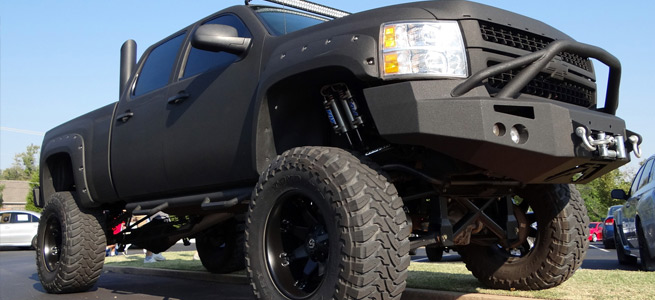
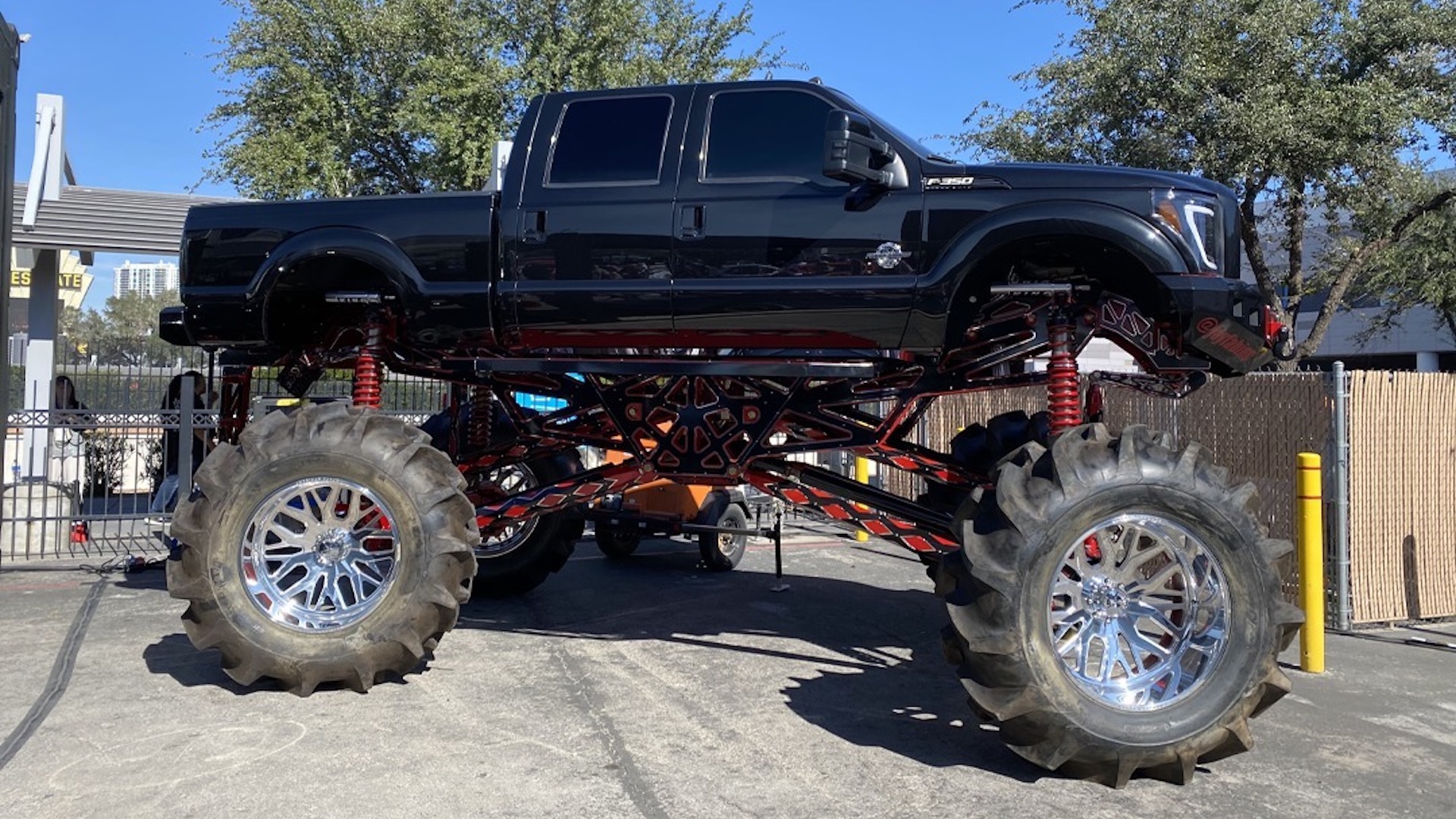
The sight of a powerful, elevated truck rumbling down the road is a common one, embodying a blend of rugged utility and bold personal style. For many truck enthusiasts, lifting their vehicle is a rite of passage, offering enhanced off-road capabilities, improved visibility, and an undeniable aesthetic appeal. However, the question that often arises, especially for those considering such modifications or encountering them on the road, is a critical one: is lifted trucks illegal?
The simple answer is not a straightforward "yes" or "no." While owning a lifted truck is not inherently illegal, the legality of such modifications is heavily regulated and varies significantly by state, and sometimes even by local jurisdiction. This guide will delve into the complexities surrounding lifted trucks, providing a comprehensive overview of the regulations, practical advice, and important considerations for anyone looking to modify their vehicle or simply understand the legal landscape. Understanding these nuances is paramount, not just for avoiding fines and legal troubles, but more importantly, for ensuring the safety of yourself and others on the road.
The Allure and Purpose of Lifted Trucks
Before we dive into the legalities, let’s briefly understand why people lift trucks. The motivations are diverse:
- Off-Road Capability: This is arguably the primary reason. Increased ground clearance allows trucks to navigate challenging terrains, clear obstacles, and traverse deep ruts without damaging the undercarriage. Larger tires, often accompanying a lift, also enhance traction and floatation over soft surfaces.
- Aesthetics and Personalization: For many, a lifted truck simply looks better. It projects an image of strength, capability, and individuality. The aggressive stance and imposing presence are highly desirable for some owners.
- Utility: For tasks like plowing snow or hauling certain types of trailers, a lifted truck can offer practical advantages, such as better approach/departure angles or a more level towing platform.
- Visibility: A higher driving position can provide a commanding view of the road ahead, though this can also be a double-edged sword regarding visibility for other, smaller vehicles.
There are generally two main types of lift kits:
- Suspension Lifts: These replace or modify components of the truck’s suspension system (shocks, springs, control arms, etc.) to raise the entire chassis from the axles. They are generally more expensive but offer superior performance and articulation, especially for off-roading.
- Body Lifts: These use spacers placed between the truck’s frame and body, raising the body without altering the suspension geometry. They are less expensive and easier to install but offer no ground clearance benefits (only the body is raised, not the axles) and primarily serve an aesthetic purpose or to accommodate slightly larger tires.
The Legal Landscape: It’s Not a Simple "Yes" or "No"
The core issue regarding the legality of lifted trucks revolves around safety. When a vehicle’s height and geometry are altered, it can impact its stability, handling, braking performance, and even the visibility it affords to other drivers. Because of these potential safety implications, government agencies at the state level impose specific regulations.
No state outright bans lifted trucks. Instead, they impose limits on various aspects of the vehicle’s dimensions after modification. These regulations are designed to ensure that modified vehicles remain safe to operate on public roads and do not pose undue risks to other road users. The specific limits are where the complexity lies, as they can vary wildly from one state to another. What is perfectly legal in Texas might be illegal in California, and vice-versa.
Key Regulatory Areas and What to Watch Out For
Understanding the types of regulations is crucial. Here are the common areas states legislate:
- Maximum Bumper Height: This is perhaps the most common and frequently enforced regulation. States specify the maximum allowable height for the front and rear bumpers, measured from the ground to the lowest point of the main bumper structure. The concern here is twofold: excessively high bumpers can override the safety systems of smaller vehicles in a collision, and they can obscure visibility for other drivers.
- Maximum Frame Height: Similar to bumper height, states often set limits on the maximum height of the vehicle’s frame or chassis from the ground. This addresses the overall elevation of the vehicle’s main structural components.
- Headlight and Taillight Height: Federal regulations govern the minimum and maximum heights for headlights and taillights. Lifting a truck excessively can push these lights out of their legal range, causing them to either blind oncoming drivers or be ineffective at illuminating the road.
- Fender Coverage (Tire Coverage): Many states require that tires be fully covered by the vehicle’s fenders or fender flares. This regulation prevents mud, rocks, and other debris from being thrown by oversized tires onto other vehicles or pedestrians, especially at speed.
- Brake System Requirements: When larger tires are installed, the original braking system may become inadequate due to increased rotational mass and leverage. Some states or general safety guidelines may implicitly or explicitly require upgraded braking components to maintain stopping power commensurate with the vehicle’s size and weight.
- Steering System Integrity: Significant lifts, especially improperly installed ones, can compromise a vehicle’s steering geometry, leading to unsafe handling, "death wobble," or excessive wear on components. Regulations aim to ensure steering remains functional and safe.
- Tire Size Limitations: While often indirectly regulated through fender coverage and overall height, some states may have specific maximum diameter or width limits for tires used on public roads.
- Mud Flap Requirements: Often tied to fender coverage, mud flaps are sometimes mandated, especially for commercial vehicles or those with tires extending beyond the bodywork, to prevent debris projection.
- Vehicle Inspection Requirements: Many states have periodic safety inspections. A lifted truck that does not comply with state regulations will fail inspection, making it illegal to register and drive.
Understanding State-Specific Regulations: Practical Advice
The most critical piece of advice for any truck owner considering a lift is this: You MUST research your specific state’s Department of Motor Vehicles (DMV) or Department of Transportation (DOT) regulations. Do not rely on anecdotal evidence or what is popular in your area. Laws can change, and enforcement can vary.
Here’s how to approach it:
- Identify Your State’s DMV/DOT Website: Start with the official government website for your state’s motor vehicle department.
- Search for "Vehicle Modification Laws," "Lift Kit Laws," or "Bumper Height Regulations": These keywords should lead you to the relevant statutes.
- Read the Specifics Carefully: Pay close attention to measurement methods (e.g., "to the bottom of the frame" vs. "to the top of the bumper"), vehicle classes (light trucks vs. heavy trucks), and any exemptions.
- Consult Reputable Shops: Experienced off-road or truck customization shops in your area are often knowledgeable about local and state laws. They can guide you toward compliant lift kits and installations.
- Consider Your Vehicle’s Gross Vehicle Weight Rating (GVWR): Some states categorize vehicles by GVWR, with different regulations for light-duty trucks versus heavy-duty trucks.
- Measure Your Truck: Before and after a lift, accurately measure your truck’s bumper heights, frame height, and tire coverage. Keep these measurements handy.
For example, California has very strict rules regarding maximum frame height based on GVWR. Texas, while generally seen as more lenient, still has specific bumper height limits. New York has specific rules about overall height and frame height related to GVWR. The differences are significant, reinforcing the need for individual research.
The "How-To" of Staying Legal: Important Considerations & Tips
Ensuring your lifted truck remains legal and safe requires careful planning and execution:
- Consult a Professional Installer: This cannot be stressed enough. A reputable off-road or truck customization shop has the expertise to recommend compliant kits, perform correct installations, and ensure all safety aspects (braking, steering, alignment) are properly addressed.
- Research Before You Buy: Don’t just pick the tallest lift kit available. Understand what height it will add and how that compares to your state’s laws. Consider how it will affect your truck’s handling and what other modifications (e.g., longer brake lines, driveshaft modifications, upgraded steering components) might be necessary.
- Account for Tire Size: Remember that larger tires also contribute to the overall height of your vehicle, in addition to the lift kit itself. Factor this into your measurements against state regulations.
- Maintain Safety Standards: A lift should never compromise your truck’s ability to stop, steer, or remain stable. If a kit requires you to remove critical safety components or results in unsafe handling, it’s not worth it.
- Be Aware of Local Ordinances: While less common for lift kits, some cities or counties might have specific vehicle modification rules. It’s rare, but worth a quick check if you’re concerned.
- Keep Documentation: Retain receipts for your lift kit and professional installation. If questioned by law enforcement, having documentation of a professionally installed, compliant kit can be helpful.
Potential Challenges and Solutions
Even with careful planning, owning a lifted truck can present some challenges:
- Insurance Issues: Modified vehicles often fall into a different risk category for insurance companies. Failure to inform your insurer about significant modifications like a lift kit could lead to a denied claim in the event of an accident. Solution: Always disclose modifications to your insurance provider. Be prepared for potentially higher premiums, but it’s essential for proper coverage.
- Resale Value: While some buyers specifically seek out lifted trucks, a non-compliant or poorly executed lift can significantly hurt your truck’s resale value, limiting your buyer pool. Solution: Opt for quality components and professional installation. Keep original parts if possible, for easier reversion.
- Safety Concerns: A higher center of gravity can increase the risk of rollovers, especially during sharp turns or evasive maneuvers. Poorly done lifts can also lead to instability, "death wobble," and premature wear of components. Solution: Prioritize safety above all else. Choose quality components, get professional installation, and drive responsibly, understanding your truck’s altered dynamics.
- Enforcement and Fines: Getting pulled over for an illegal lift can result in fines, points on your license, and even an order to correct the vehicle’s height, which can be costly. Solution: Thoroughly research and comply with all state and local regulations.
- Warranty Voidance: Modifying your truck’s suspension or drivetrain can sometimes void parts of your factory warranty. Solution: Check your manufacturer’s warranty terms before making significant modifications. Aftermarket parts often come with their own warranties.
Concluding Summary
So, is a lifted truck illegal? No, not inherently. But it is subject to a complex web of state-specific regulations designed to ensure road safety. The onus is entirely on the truck owner to understand and comply with these laws. From bumper and frame height limits to tire coverage and lighting regulations, every aspect of a lifted truck can fall under legal scrutiny.
The key takeaway is diligent research, professional installation, and a commitment to safety. By thoroughly understanding your state’s laws, choosing reputable installers, and prioritizing safe driving practices, you can enjoy the benefits and aesthetics of a lifted truck without falling foul of the law or compromising safety. Drive smart, lift responsibly, and always know your state’s rules before modifying your ride.
Table: Costs and Financial Implications of Lifted Trucks
| Category | Description | Estimated Cost Range (USD) | Notes |
|---|---|---|---|
| Lift Kit (Parts Only) | |||
| Body Lift (1-3 inches) | Spacers between frame and body. | $200 – $600 | Primarily cosmetic; no ground clearance benefit. |
| Suspension Lift (Small: 2-3 in.) | Leveling kits, mild suspension components. | $300 – $1,000 | Good for larger tires, minor off-roading. |
| Suspension Lift (Medium: 4-6 in.) | Comprehensive kit with new springs, shocks, control arms. | $1,000 – $3,000+ | Popular for aesthetics and moderate off-roading. |
| Suspension Lift (Large: 6+ in.) | Advanced kits, often requiring extensive drivetrain modifications. | $3,000 – $10,000+ | For serious off-roading or extreme aesthetics; higher risk of legal issues. |
| Installation Costs | |||
| Professional Installation | Labor for installing the lift kit, alignment, and adjustments. | $500 – $2,500+ | Varies significantly by shop, kit complexity, and additional modifications needed. |
| Associated Costs & Potential Fines | |||
| Larger Tires & Wheels | Often necessary to complement a lift; significant additional expense. | $1,000 – $4,000+ | Can increase legal height and require fender flares. |
| Alignment | Crucial after a lift to ensure proper handling and tire wear. | $100 – $300 | Typically included with professional installation, but check. |
| Increased Insurance Premiums | Modified vehicles can be deemed higher risk. | 5% – 20%+ increase | Varies by insurer, specific modifications, and driver history. |
| Fines for Illegal Modifications | Violations of state bumper/frame height, tire coverage, etc. | $50 – $1,000+ | Can include vehicle impoundment or order to correct; varies by state/jurisdiction. |
| Cost of Reversion to Legal | If required to remove an illegal lift; includes parts and labor. | $500 – $3,000+ | Can be substantial if original parts were discarded or damaged. |
| Potential Legal Fees | If disputes arise from accidents involving an illegal lift. | Varies widely | Could be significant in civil cases. |
| Warranty Voidance | Repair costs for components no longer covered by manufacturer warranty. | Varies widely | Can be costly for major drivetrain or suspension components. |
Frequently Asked Questions (FAQ)
Q1: Is a body lift or suspension lift more regulated?
A1: Both types of lifts contribute to a truck’s overall height and are subject to state regulations. However, suspension lifts tend to be more scrutinized because they significantly alter the vehicle’s center of gravity and suspension geometry, which directly impacts handling and safety. Body lifts are generally less complex but still contribute to bumper and frame height limits.
Q2: Do I need to inform my insurance company about my lifted truck?
A2: Absolutely, yes. Failing to inform your insurance provider about significant modifications like a lift kit can be grounds for denial of a claim in the event of an accident. It’s crucial for your coverage to be accurate and up-to-date. Be prepared for potential adjustments to your premium.
Q3: What happens if I get pulled over with an illegal lift?
A3: The consequences vary by state and the severity of the violation. You could receive a citation and fine, similar to other traffic violations. In some cases, you might receive a "fix-it ticket" or an order to correct the vehicle’s height within a specific timeframe. Repeated offenses or extremely dangerous modifications could lead to vehicle impoundment.
Q4: Are all lift kits legal?
A4: No. While the kits themselves are legal to purchase, their installation on a vehicle and subsequent use on public roads must comply with your state’s laws. A kit that offers 10 inches of lift might be legal in one state but far exceed the limits in another. Always check local regulations before purchasing and installing any lift kit.
Q5: Can I lift my truck myself to save money?
A5: While it’s technically possible, it’s generally not recommended unless you have extensive automotive experience, the right tools, and a thorough understanding of suspension geometry and safety. Improper installation can lead to dangerous handling issues, premature component wear, and potential legal problems. Professional installation ensures proper alignment, brake line extensions, and other critical adjustments are made correctly.
Q6: Does lifting my truck affect its factory warranty?
A6: Yes, it can. Most manufacturers have clauses in their warranties that allow them to deny coverage for parts that fail due to aftermarket modifications. If a component (e.g., a steering part or drivetrain component) fails and the manufacturer can prove that the lift kit directly caused or contributed to the failure, they may void the warranty for that specific part or system. It’s best to check your warranty terms or speak with your dealership before modifying.