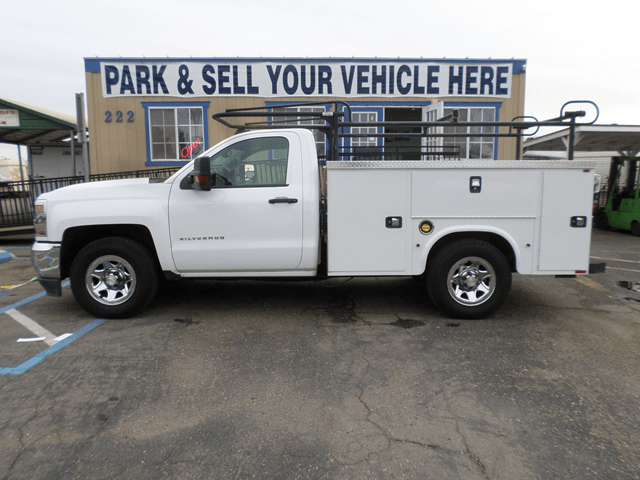
Trucks for Sale by Owner: Your Comprehensive Guide to Navigating the Private Market
Trucks for Sale by Owner: Your Comprehensive Guide to Navigating the Private Market In the vast landscape of vehicle acquisitions, the option of finding trucks for sale by owner stands out as a unique and often rewarding path. Unlike purchasing from a dealership, going directly to a private seller offers a direct line to the vehicle’s history, potential cost savings, and a more personal negotiation experience. This comprehensive guide will arm you with the knowledge and strategies needed to confidently explore the private truck market, ensuring you make an informed and secure purchase.
Understanding “Trucks for Sale By Owner”
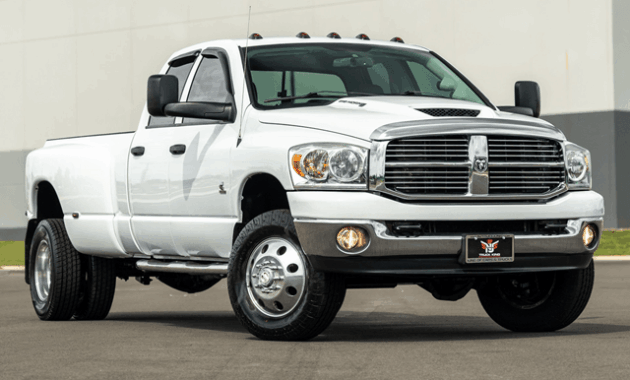
When we talk about “trucks for sale by owner,” we’re referring to vehicles being sold directly by their current private owners, rather than through a licensed dealership. This approach, often abbreviated as FSBO (For Sale By Owner), bypasses the traditional retail markup and sales processes. Its importance lies in the potential for significant savings, the opportunity to uncover unique or specialized trucks not typically found on dealer lots, and the ability to communicate directly with the person who knows the truck best. However, this freedom comes with increased responsibility for the buyer, demanding thorough research, due diligence, and a keen eye for detail.
Why Choose “For Sale By Owner”? The Benefits and Drawbacks
Opting for an FSBO truck isn’t for everyone, but for many, the advantages outweigh the challenges. Understanding both sides is crucial.
The Benefits:
- Cost Savings: Without a dealership’s overhead, commissions, and profit margins, private sellers often list their trucks at lower prices than comparable models at a dealership. This can translate into significant savings for the buyer.
- Direct Communication and Transparency: You get to speak directly with the person who has owned and driven the truck. This often provides a more honest and detailed account of the vehicle’s history, maintenance, and any quirks it might have. You can ask specific questions and get answers straight from the source.
- Potentially Better-Maintained Vehicles: Many private sellers take immense pride in their vehicles and maintain them meticulously. This “owner’s pride” can mean you’re buying a truck that has been cared for beyond basic requirements.
- Wider Selection of Unique Vehicles: Dealerships typically stock popular models and configurations. The private market, however, is a treasure trove of unique, customized, older, or specialized trucks that might be harder to find elsewhere.
- Negotiation Flexibility: While dealerships have fixed pricing structures, private sellers are often more open to negotiation, especially if they need to sell quickly or if you can point out legitimate reasons for a lower offer.
The Drawbacks:
- No Dealer Warranty or Support: Unlike a dealership purchase, an FSBO truck is almost always sold “as-is,” meaning there’s no implied warranty or post-sale support from the seller. Any issues that arise after the purchase are your responsibility.
- Increased Legwork for the Buyer: You are responsible for all aspects of the transaction, from finding the truck to arranging inspections, negotiating, and handling paperwork.
- Potential for Scams and Misrepresentation: The private market can attract unscrupulous individuals. Buyers must be vigilant against scams, undisclosed damage, or misleading information.
- Title and Paperwork Complexities: Ensuring a clean title, properly transferring ownership, and understanding state-specific regulations falls entirely on the buyer. Errors here can lead to significant headaches.
- Financing Challenges: Traditional bank loans for private party purchases can sometimes be more challenging to secure than dealer financing, though many banks do offer them.
The Search Begins: Where to Find FSBO Trucks
Finding the right FSBO truck requires knowing where to look and how to effectively filter your search.
Online Marketplaces:
- Craigslist and Facebook Marketplace: These are popular starting points for local private sales. They offer a vast number of listings, though quality and legitimacy can vary widely. Use detailed keywords and filters.
- eBay Motors: While known for auctions, eBay also has “Buy It Now” options and is good for finding specialty or classic trucks, often from a wider geographical area.
- AutoTrader and Cars.com (Private Seller Sections): These major automotive sites also have dedicated sections for private sellers, often with more comprehensive listings and search filters.
- Specialized Truck Forums and Enthusiast Sites: If you’re looking for a specific make, model, or type of truck (e.g., off-road builds, classic pickups), forums dedicated to those vehicles can be excellent resources.
- Local Online Classifieds: Many local news outlets or community websites host their own classified sections.
Local Listings and Word of Mouth:
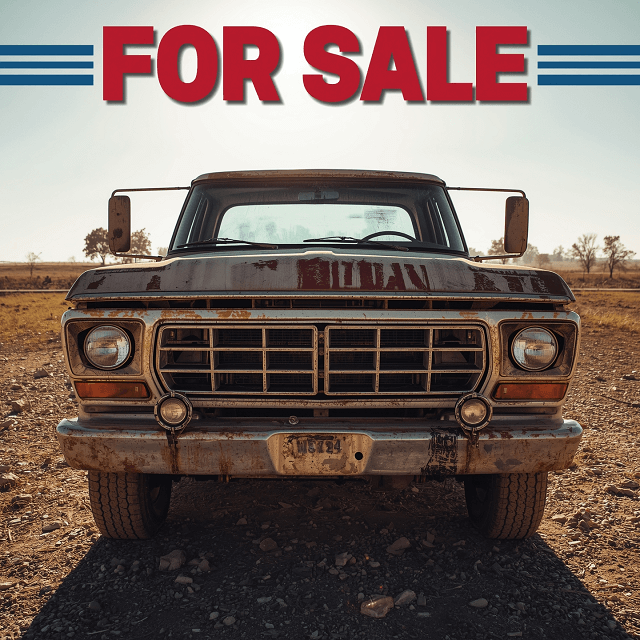
- “For Sale” Signs: Don’t underestimate the power of simply driving around and looking for trucks with “For Sale” signs in their windows or yards.
- Community Bulletin Boards: Check local grocery stores, community centers, or laundromats for posted flyers.
- Word of Mouth: Let friends, family, and colleagues know you’re in the market. Someone you know might be selling, or know someone who is.
Tips for Effective Searching:
- Set Up Alerts: Many online platforms allow you to save searches and receive notifications when new listings match your criteria.
- Use Specific Keywords: Beyond “trucks for sale by owner,” include make, model, year range, and specific features you’re looking for (e.g., “Ford F-150 4×4,” “diesel Ram 2500”).
- Expand Your Search Radius: Be willing to travel a reasonable distance for the right truck, especially for unique models.
Due Diligence: What to Investigate Before You Buy
This is arguably the most critical stage of buying an FSBO truck. Thorough investigation can save you from costly mistakes.
Initial Contact & Questions:
When you first contact a seller, ask probing questions:
- Why are they selling the truck? (Legitimate reasons like upgrading, downsizing, moving are good; vague answers are red flags).
- How long have they owned it?
- What is the truck’s maintenance history? (Ask for records).
- Has it been in any accidents?
- Are there any known mechanical issues or warning lights?
- Have any major modifications been made?
- What is the status of the title? (Clear, salvaged, rebuilt, lien?).
Vehicle History Report (VHR):
- CarFax and AutoCheck: These services are indispensable. For a fee, they provide detailed reports on a vehicle’s past, including accident history, previous owners, service records, odometer discrepancies, flood damage, and title issues. Never skip this step.
Physical Inspection (Your Own Pre-Purchase Assessment):
Before involving a mechanic, do your own walk-around and check:
- Exterior: Look for rust (especially common on truck frames and beds), dents, mismatched paint (indicating repairs), tire wear (evenness, depth), and proper panel alignment.
- Interior: Check for excessive wear and tear, rips, stains, odors (smoke, mold), functionality of all electronics, lights, and gauges.
- Under the Hood: Look for leaks, fluid levels, belt condition, hose integrity, battery corrosion, and any signs of amateur repairs.
- Underneath the Truck: If possible, get a low view to check the frame for rust, damage, or welds. Inspect suspension components and the exhaust system.
The Test Drive:
- Drive on various road types (city, highway, bumps) and speeds.
- Listen for unusual noises (squeaks, rattles, grinding, knocking).
- Test brakes (smoothness, pulling), steering (tightness, alignment), acceleration, and transmission shifts (smoothness, no slipping).
- Check all lights, wipers, horn, radio, and HVAC system (AC and heat).
Pre-Purchase Inspection (PPI) by a Certified Mechanic:
- This is non-negotiable. Arrange for a reputable, independent mechanic of your choice to perform a thorough inspection of the truck. They will often spot issues you missed and can provide an unbiased professional opinion on the truck’s condition and any potential upcoming repairs. This small investment can save you thousands later.
Negotiation Strategies and Pricing Your FSBO Truck
Armed with your research and inspection results, you’re ready to negotiate.
Research Market Value:
- Kelley Blue Book (KBB), NADAguides, Edmunds: Use these reputable sources to determine the private party resale value of the specific make, model, year, and trim of the truck. Adjust for mileage, condition, and optional features.
- Compare Similar Listings: Check current FSBO listings for similar trucks in your area to get a sense of the competitive landscape.
Be Prepared and Realistic:
- Know Your Budget: Set a firm maximum price you’re willing to pay.
- Be Ready to Walk Away: If the seller is unwilling to budge on an unreasonable price or if too many red flags appear, be prepared to move on. There will always be another truck.
Highlight Concerns:
- Use any findings from your pre-purchase inspection or VHR (e.g., upcoming brake job, minor oil leak, tire replacement needed) as leverage to negotiate a lower price. Present these facts calmly and logically.
Make a Fair Offer:
- Start your offer slightly below your target price, leaving room for counter-negotiation. However, don’t make an insultingly low offer, as it can alienate the seller. A reasonable range is often 5-15% below the asking price, depending on the market and the truck’s condition.
Payment Methods:
- Cashier’s Check/Bank Transfer: These are the safest methods for large transactions. Verify the cashier’s check with the issuing bank before handing over the title. Avoid personal checks or carrying large sums of cash.
- Never Pay in Advance: Do not send money or deposits for a truck you haven’t seen, inspected, and agreed upon.
The Transaction: Paperwork, Title Transfer, and Registration
This is where the rubber meets the road. Proper documentation is paramount to a legal and smooth ownership transfer.
Bill of Sale:
- An essential document for both buyer and seller. It should include:
- Full names and addresses of buyer and seller.
- Date of sale.
- Vehicle identification number (VIN).
- Make, model, year, and mileage of the truck.
- Agreed-upon purchase price.
- A statement that the vehicle is sold “as-is.”
- Signatures of both parties.
- It’s wise to have it notarized, if possible, as some states require it or consider it stronger proof.
Title Transfer:
- The Vehicle Title (Pink Slip): This is the most crucial document. Ensure the seller is the legal owner (name on the title matches their ID).
- Lien Release: If the seller still owes money on the truck, their lender holds the title or a lien is noted on it. Ensure the seller provides a lien release from their bank, proving the loan has been paid off, before you finalize the purchase. You cannot transfer ownership with an active lien.
- Signing Over the The seller must sign the title over to you in the designated area. Many states require this to be done in the presence of a notary or at the Department of Motor Vehicles (DMV). Fill out all required buyer information accurately.
Odometer Disclosure Statement:
- Most states require the seller to disclose the truck’s current mileage in writing, often directly on the title or a separate form. This helps prevent odometer fraud.
Temporary Tags and Registration:
- After purchase, you’ll need to visit your local DMV or equivalent agency to register the truck in your name, pay sales tax (if applicable in your state), and obtain new license plates and registration. Many states offer temporary tags to allow you to legally drive the truck home and for a short period while you complete permanent registration.
Insurance:
- Do not drive off with the truck without having insurance coverage. Contact your insurance provider beforehand to get a policy in place, effective the moment you take possession.
Sales Tax and Fees:
- Be aware that when you register the truck, you will likely owe sales tax on the purchase price (unless your state has exemptions for private sales) and various registration and title transfer fees. Factor these into your overall budget.
Common Pitfalls and How to Avoid Them
The private market has its share of risks. Awareness is your best defense.
- Scams: Be wary of deals that seem too good to be true, sellers who demand payment before you see the truck, or those who refuse a pre-purchase inspection. Avoid wire transfers or unconventional payment methods. Always meet in a safe, public place, and bring a friend.
- Undisclosed Problems: The “as-is” nature means you bear the risk. This is why the Pre-Purchase Inspection (PPI) is so vital. It’s your last line of defense against hidden mechanical issues.
- Title Issues: Never buy a truck without a clear title in the seller’s name. Be extremely cautious of “salvaged,” “rebuilt,” or “flood” titles, and understand the implications before proceeding. Avoid buying a truck if the title is not physically present, or if the seller claims to have “lost” it.
- Pressure Tactics: A legitimate seller won’t rush you. If you feel pressured to make a quick decision or skip steps (like the PPI), walk away.
- Lack of Documentation: Insist on a clear bill of sale and the properly signed-over title. Keep copies of everything.
Table: Estimated Price Ranges for Trucks For Sale By Owner
Please note: These prices are highly generalized estimates for trucks for sale by owner and can vary dramatically based on location, specific make/model, year, mileage, condition, features, and local market demand. Always conduct thorough research for your specific vehicle of interest.
| Truck Type | Example Models | Typical FSBO Price Range (Low) | Typical FSBO Price Range (High) | Key Considerations |
|---|---|---|---|---|
| Light-Duty Pickup | Ford F-150, Chevy Silverado 1500, Ram 1500, Toyota Tundra | $5,000 | $45,000 | Most common FSBO category. Price varies wildly by age, 2WD/4WD, engine type (V6/V8), trim level, and condition. Older models (10+ years) can be very affordable; newer used models hold value well. |
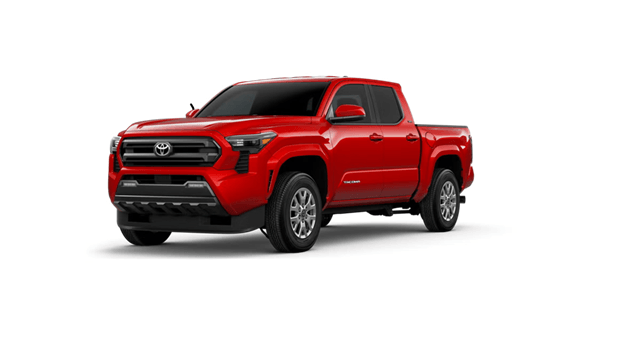
| Mid-Size Pickup | Toyota Tacoma, Chevy Colorado, Ford Ranger, Nissan Frontier | $8,000 | $35,000 | Popular for versatility and fuel efficiency. Tacomas tend to hold value exceptionally well. Condition, off-road packages, and mileage are major price drivers. |
| Heavy-Duty Pickup | Ford F-250/F-350, Chevy Silverado 2500/3500 HD, Ram 2500/3500 | $12,000 | $60,000+ | Diesel models are generally more expensive due to higher initial cost and towing capabilities. Look for maintenance records, especially for diesel engines. Rust on frame and bed is common with work trucks. |
| Work/Utility Truck | Older F-Series, Silverado, Ram (fleet models), Box Trucks, Flatbeds | $3,000 | $25,000 | Often older, higher mileage, and may have specialized equipment. Focus on mechanical soundness and frame integrity over cosmetic appearance. Price depends heavily on specific utility features. |
| Classic/Specialty Truck | Ford F-100, Chevy C10, Dodge Power Wagon (restored or project) | $2,000 | $100,000+ | Extremely wide range. Project trucks are cheap; fully restored, desirable classics command premium prices. Requires specialized knowledge for assessment. Values driven by rarity, condition, originality, and customization quality. |
Frequently Asked Questions (FAQ) about Trucks for Sale By Owner
Q: Is it safe to buy a truck FSBO?
A: Yes, it can be very safe if you follow proper procedures. The key is due diligence: comprehensive research, a vehicle history report, a thorough personal inspection, and most importantly, a pre-purchase inspection by an independent mechanic. Always meet in a public place and bring a friend.
Q: How do I know if the price is fair?
A: Research is crucial. Use online valuation tools like Kelley Blue Book, NADAguides, and Edmunds for private party values. Compare the asking price to similar FSBO listings in your area, taking into account the truck’s year, make, model, trim, mileage, and condition.
Q: What if the seller doesn’t have all the service records?
A: While comprehensive records are ideal, their absence isn’t an automatic deal-breaker, especially for older trucks. However, it does mean you need to rely more heavily on the Vehicle History Report (VHR) and a professional pre-purchase inspection to assess the truck’s mechanical health.
Q: Can I get financing for an FSBO truck?
A: Yes, many banks and credit unions offer loans for private party vehicle purchases. It’s best to get pre-approved for a loan before you start seriously looking, so you know your budget and can act quickly when you find the right truck. The process might be slightly different than dealer financing, so ask your lender about their specific requirements for private sales.
Q: What’s the most important step when buying FSBO?
A: The pre-purchase inspection (PPI) by a trusted, independent mechanic. This step provides an unbiased, professional assessment of the truck’s condition and potential future repair needs, protecting you from unforeseen problems.
Q: How do I avoid scams when looking for trucks for sale by owner?
A: Be skeptical of deals that seem too good to be true. Never send money before seeing and inspecting the truck. Verify the seller’s identity and ensure the name on the title matches their ID. Insist on a Vehicle History Report. Avoid sellers who refuse a PPI or try to rush the transaction. Always meet in a public, well-lit place.
Conclusion
Buying trucks for sale by owner can be a highly rewarding experience, offering significant cost savings and the chance to find a unique vehicle perfectly suited to your needs. While it requires a greater commitment to research and due diligence compared to buying from a dealership, the benefits of direct negotiation and a potentially better-maintained vehicle from a passionate owner are compelling.
By diligently following the steps outlined in this guide – from effective searching and thorough investigation to smart negotiation and meticulous paperwork – you empower yourself to navigate the private market with confidence. Remember, patience, research, and a critical eye are your best tools. With these, you can successfully find and acquire the perfect truck that meets both your practical requirements and your budget, ensuring a smooth transition into new ownership. The journey to your next truck begins with an informed decision, and by understanding every facet of the FSBO process, you’re well on your way to a smart and satisfying purchase.