Box Trucks For Sale: Your Comprehensive Guide to Buying the Right Vehicle
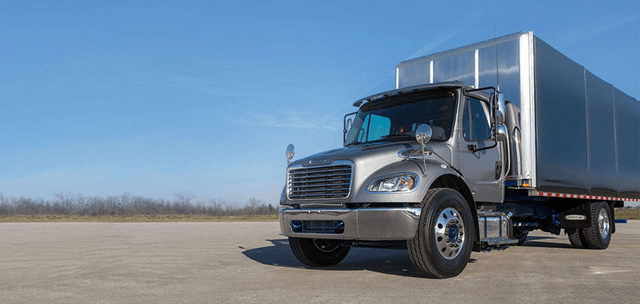
Box Trucks For Sale: Your Comprehensive Guide to Buying the Right Vehicle In the bustling world of commerce, logistics, and personal ventures, the box truck stands as an indispensable workhorse. Whether you’re moving furniture, delivering packages, transporting goods for a business, or launching a mobile service, finding the right box trucks for sale can be a pivotal decision. These versatile vehicles, characterized by their enclosed, cube-shaped cargo area, offer security, capacity, and flexibility that traditional vans or open-bed trucks simply cannot match.
This comprehensive guide aims to demystify the process of searching for box trucks for sale, providing you with the knowledge and tools to make an informed purchase. From understanding the different types and sizes to navigating the buying process and addressing common concerns, we’ll cover everything you need to know to acquire a vehicle that perfectly suits your operational needs.
Understanding Box Trucks: Types and Sizes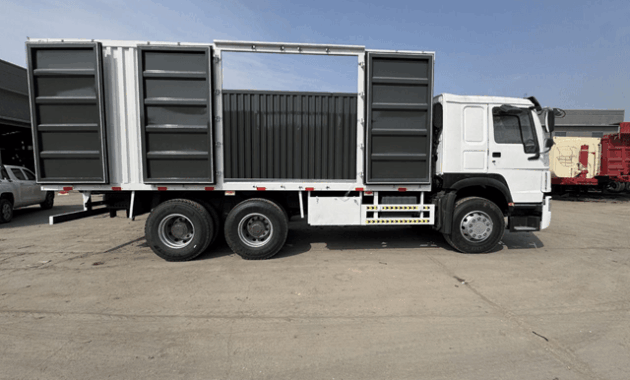
Before diving into the market for box trucks for sale, it’s crucial to understand the diverse range of options available. Box trucks are typically classified by their Gross Vehicle Weight Rating (GVWR) and their cargo box length, which directly impacts their capacity and potential licensing requirements.
Common Box Truck Classifications by GVWR:
- Light-Duty (Class 3-4): Typically under 14,000 lbs GVWR, these often include smaller trucks with cargo boxes ranging from 10 to 14 feet. They are ideal for local deliveries, light hauling, and often do not require a Commercial Driver’s License (CDL).
- Medium-Duty (Class 5-6): Ranging from 16,001 to 26,000 lbs GVWR, these trucks commonly feature 16-foot to 22-foot boxes. They are workhorses for moving companies, larger delivery routes, and various commercial services. Some models close to 26,000 lbs may require a CDL depending on state regulations and specific applications.
- Heavy-Duty (Class 7-8): Exceeding 26,000 lbs GVWR, these are less common for standard box truck configurations but exist for specialized heavy hauling needs, often with larger boxes (24-26 feet or more) and almost always require a CDL.
Popular Box Lengths and Their Applications:
- 10-14 Feet: Perfect for small businesses, expedited delivery services, or personal moving. Easy to maneuver in urban environments.
- 16-20 Feet: The sweet spot for many mid-sized businesses, local movers, and contractors. Offers a good balance of capacity and maneuverability.
- 22-26 Feet: Ideal for long-distance moving, large-volume deliveries, and businesses requiring substantial cargo space. These often come with more powerful engines and heavy-duty chassis.
Specialized Box Truck Types:
- Refrigerated Box Trucks (Reefers): Essential for transporting temperature-sensitive goods like food, pharmaceuticals, or flowers. They come equipped with a refrigeration unit.
- Curtain Side Box Trucks: Feature flexible curtains on the sides instead of solid walls, allowing for easy loading and unloading from the side using forklifts.
- Moving Trucks: Often include features like tie-downs, rub rails, and sometimes loading ramps or liftgates specifically designed for household goods.
- Flatbed Box Trucks: A less common hybrid, these have a flatbed with removable sides or a smaller box structure, offering versatility.
When you’re exploring box trucks for sale, consider not just the length but also the internal dimensions, payload capacity, and specific features that align with your intended use.
Key Considerations When Buying a Box Truck
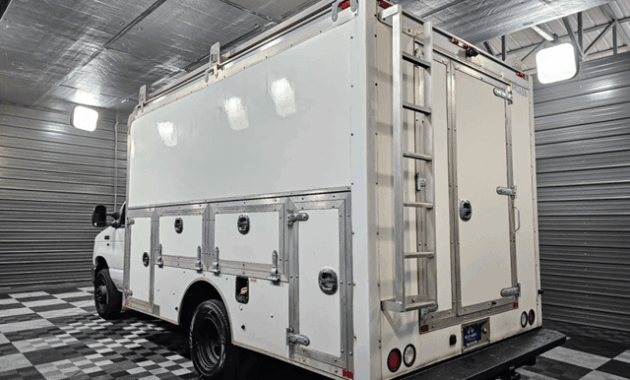
Purchasing a box truck is a significant investment. Thoughtful consideration of several factors will ensure you select a vehicle that meets your operational demands and financial constraints.
New vs. Used Box Trucks:
- New: Offers the latest technology, full warranty, customizable options, and peace of mind. However, the upfront cost is significantly higher, and depreciation is steepest in the first few years.
- Used: Provides a much lower entry price, allowing businesses with tighter budgets to acquire a capable vehicle. Depreciation has already occurred. The trade-off can be a shorter lifespan, potential unknown maintenance issues, and fewer customization options. Thorough inspection is paramount for used box trucks for sale.
Engine & Fuel Type:
- Diesel: Generally more fuel-efficient for heavy loads and long distances, known for durability and higher torque. Maintenance can be more expensive.
- Gasoline: Lower upfront cost, often quieter, and less expensive to maintain. Better suited for lighter loads and shorter, stop-and-go routes.
GVWR and Licensing:
Understanding the GVWR is critical. Trucks with a GVWR of 26,001 lbs or more, or those designed to transport hazardous materials, typically require a CDL. Ensure the truck you choose aligns with your drivers’ qualifications or your willingness to obtain the necessary licensing.
Cargo Capacity & Dimensions:
Don’t just look at the exterior length. Verify the interior dimensions (length, width, height) to ensure your goods fit. Also, check the payload capacity – the maximum weight of cargo the truck can safely carry.
Features & Specifications:
- Liftgate/Ramp: Essential for loading heavy items without a loading dock. Liftgates offer mechanical assistance, while ramps are simpler and lighter.
- Door Type: Roll-up doors are common and save space, while swing doors offer a wider opening.
- Interior Features: Tie-downs, E-track systems, interior lighting, and durable flooring can significantly improve efficiency and cargo safety.
- Transmission: Automatic transmissions are easier to drive, especially for new drivers or in heavy traffic. Manual transmissions can offer better fuel economy and control for experienced drivers.
Maintenance History (for Used Trucks):
A well-documented service history is a goldmine for used box trucks for sale. It indicates responsible ownership and helps predict future maintenance needs. Look for records of oil changes, brake services, tire rotations, and major component replacements.
Budgeting Beyond the Purchase Price:
Remember to factor in insurance, registration fees, fuel costs, routine maintenance, and potential repairs into your overall budget. A cheaper truck upfront might lead to higher operational costs down the line.
Where to Find Box Trucks For Sale
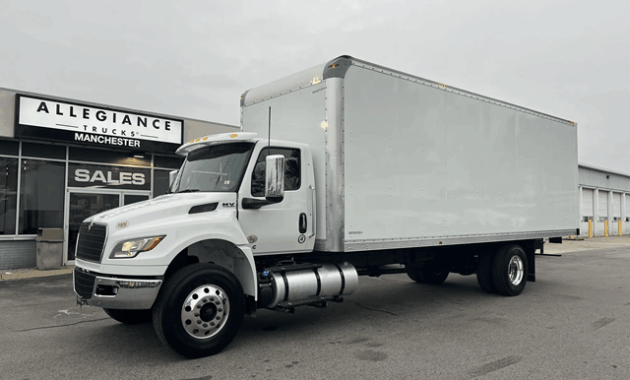
The market for box trucks for sale is diverse, offering multiple avenues for buyers.
- Commercial Truck Dealerships: Both new and used dealerships specialize in commercial vehicles. They offer a wide selection, financing options, and often warranties. Brands like Ford, Freightliner, Isuzu, Hino, and GMC are common.
- Online Marketplaces: Websites like TruckPaper.com, CommercialTruckTrader.com, and even general marketplaces like eBay Motors or Facebook Marketplace, list thousands of box trucks from dealers and private sellers. These platforms allow you to filter by size, price, mileage, and location (e.g., “box trucks for sale near me”).
- Auctions: Government surplus auctions, fleet liquidation auctions, and public auctions can offer great deals, but they often come with a “buyer beware” caveat as vehicles are sold “as-is.”
- Private Sellers: Buying directly from a business or individual can sometimes yield lower prices, but due diligence regarding inspection and paperwork is even more critical.
The Buying Process: A Step-by-Step Guide
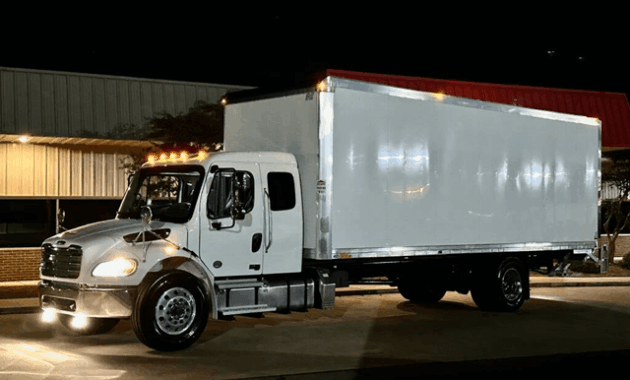
Navigating the purchase of box trucks for sale can be streamlined with a methodical approach.
- Define Your Needs: Clearly outline what you’ll use the truck for, required cargo capacity, typical routes, and budget. This helps narrow down your search.
- Set a Realistic Budget: Include not just the purchase price, but also taxes, registration, insurance, and initial maintenance.
- Research and Compare: Use online resources and visit dealerships. Compare models, features, prices, and seller reputations.
- Inspect Thoroughly: For used trucks, a professional pre-purchase inspection by an independent mechanic is non-negotiable. Check the engine, transmission, brakes, tires, suspension, frame, and the condition of the box itself (walls, roof, floor, doors, liftgate).
- Test Drive: Take the truck for an extended test drive. Pay attention to how it handles, brakes, shifts, and listen for any unusual noises. Test all features, including the liftgate.
- Negotiate: Be prepared to negotiate the price. Research market values to ensure you’re getting a fair deal.
- Secure Financing: Explore loan options from banks, credit unions, or dealership financing departments.
- Complete Paperwork: Ensure all titles, registrations, and sales agreements are correctly filled out and transferred. Verify the VIN on the paperwork matches the truck.
- Arrange Insurance: You’ll need commercial auto insurance before you can legally drive your new box truck.
Tips for a Successful Box Truck Purchase
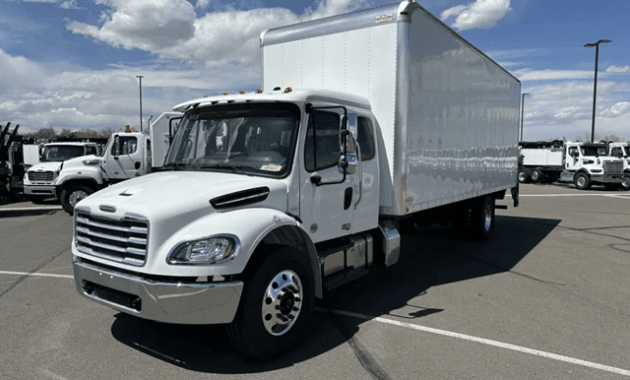
- Don’t Rush: Take your time. The right truck will come along.
- Verify VIN: Always check the Vehicle Identification Number (VIN) against the title and a vehicle history report (like Carfax or AutoCheck for commercial vehicles) to uncover accidents, odometer discrepancies, or salvage titles.
- Understand Warranties: For new trucks, understand what’s covered. For used trucks, ask if any remaining manufacturer warranty or dealer warranty is available.
- Factor in Operating Costs: Beyond fuel, consider tire replacement, oil changes, and potential repairs.
- Consider Resale Value: Some brands and models hold their value better than others.
Potential Challenges and Solutions
- Finding the Exact Match: If you have very specific needs, finding the perfect box trucks for sale can be challenging. Solution: Be flexible on minor features or consider customizing a suitable base model. Expand your search radius.
- High Upfront Costs: New box trucks can be expensive. Solution: Explore the used market, consider financing options, or lease a truck if your needs are short-term or you prefer lower monthly payments without ownership.
- Unexpected Maintenance: Used trucks inherently carry more risk. Solution: A thorough pre-purchase inspection significantly mitigates this. Set aside a maintenance budget.
- Licensing Confusion: Not understanding CDL requirements. Solution: Research your state’s specific CDL requirements based on GVWR and planned usage before purchasing.
Estimated Price Ranges for Box Trucks For Sale (Illustrative)
Please note: Prices for box trucks for sale vary dramatically based on brand, year, mileage, condition, features (e.g., liftgate, refrigeration), engine type, and market demand. The table below provides estimated ranges for general guidance only. Always conduct thorough research for current market prices.
| Type/Size of Box Truck | Condition | Estimated Price Range (USD) | Key Factors Influencing Price |
|---|---|---|---|
| Small (10-14 ft) | Used | $10,000 – $35,000 | Age, mileage (typically 80k-200k+), engine type (gas/diesel), condition of box/chassis. |
| New | $45,000 – $70,000+ | Brand, specific model, engine, transmission, added features (e.g., liftgate). | |
| Medium (16-20 ft) | Used | $15,000 – $55,000 | Age, mileage (100k-300k+), diesel vs. gas, liftgate presence, maintenance history. |
| New | $60,000 – $95,000+ | Brand, engine power, chassis robustnes, advanced driver-assist features. | |
| Large (22-26 ft) | Used | $20,000 – $75,000 | Age, high mileage (150k-400k+), primarily diesel, condition of heavy-duty components. |
| New | $85,000 – $130,000+ | High-capacity models, premium brands, specialized chassis, advanced safety. | |
| Refrigerated (Reefer) | Used | $25,000 – $80,000 | Age of refrigeration unit, insulation quality, hours on reefer unit, truck mileage. |
| New | $90,000 – $160,000+ | Newest refrigeration tech, precise temperature control, larger capacity. |
Disclaimer: These are rough estimates and can fluctuate significantly with market conditions, location, and individual truck specifications.
Frequently Asked Questions (FAQ) About Box Trucks For Sale
Q1: Do I need a CDL to drive a box truck?
A: Not necessarily. In most U.S. states, a Commercial Driver’s License (CDL) is required if the Gross Vehicle Weight Rating (GVWR) of the truck is 26,001 lbs or more, or if it is designed to transport hazardous materials. Most smaller and medium-sized box trucks (under 26,001 lbs GVWR) can be driven with a standard Class D driver’s license. Always check your specific state’s regulations.
Q2: What is a good mileage for a used box truck?
A: This depends on the engine type and maintenance. For a gas engine, under 150,000 miles is generally considered good. For a diesel engine, 200,000-300,000 miles can still be perfectly viable if well-maintained, as diesel engines are built for higher longevity. Some well-maintained diesel trucks can run past 500,000 miles. Focus more on maintenance records and the truck’s overall condition than just the odometer reading.
Q3: How much does insurance cost for a box truck?
A: Commercial box truck insurance costs vary widely based on factors like the truck’s value, size, usage (local vs. long-haul), cargo type, driver’s record, and the business’s location. Expect to pay anywhere from $2,000 to $10,000+ annually. Getting multiple quotes from commercial insurance providers is essential.
Q4: Should I buy a diesel or gas box truck?
A: It depends on your primary use.
- Diesel: Better for heavy loads, long distances, frequent use, and demanding tasks. More durable and fuel-efficient under load, but higher purchase price and maintenance costs.
- Gasoline: More suitable for lighter loads, shorter routes, urban driving, and less frequent use. Lower initial cost and cheaper maintenance, but less torque and fuel efficiency for heavy hauling.
Q5: What are the most reliable box truck brands?
A: Several brands have a strong reputation for reliability in the box truck segment. Some of the most commonly cited reliable brands include:
- Isuzu: Known for their NPR series, offering excellent maneuverability and fuel efficiency.
- Hino: Toyota’s commercial truck division, recognized for durability and solid performance.
- Freightliner: A popular choice for medium to heavy-duty applications, often with Cummins or Detroit Diesel engines.
- Ford: Their F-Series (F-450, F-550, F-650, F-750) chassis are commonly upfitted with box bodies and are known for their widespread service network.
- GMC/Chevrolet: Similar to Ford, their medium-duty chassis are also popular choices.
Reliability often comes down to individual truck maintenance and usage, regardless of brand.
Conclusion
The journey to find the perfect box trucks for sale can be complex, but with the right information, it becomes a strategic decision that empowers your business or personal endeavors. From understanding the nuances of different types and sizes to meticulously inspecting potential purchases and navigating the financial aspects, every step contributes to a successful outcome.
Remember to define your needs clearly, set a realistic budget, and prioritize thorough inspections, especially for used vehicles. A well-chosen box truck isn’t just a vehicle; it’s a vital asset that can significantly enhance efficiency, expand capabilities, and drive success. Invest wisely, and your box truck will serve as a reliable partner for years to come.
For a wide selection of available box trucks, you can explore various listings here: Link to Box Trucks For Sale Listings.