Jack Extension for Lifted Trucks: Your Comprehensive Guide to Safe and Effective Lifting
Jack Extension for Lifted Trucks: Your Comprehensive Guide to Safe and Effective Lifting
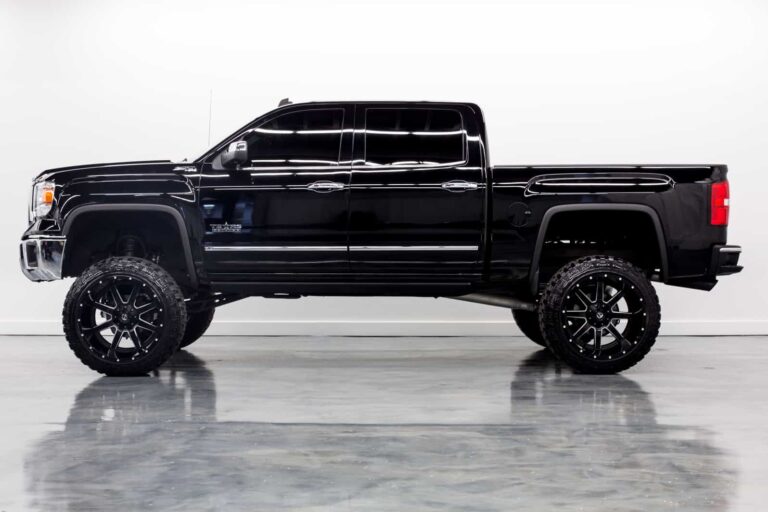
Lifted trucks offer unparalleled capability, aesthetics, and off-road prowess. However, their elevated stance introduces unique challenges when it comes to routine maintenance, tire changes, or any task requiring the vehicle to be lifted off the ground. A standard floor jack or bottle jack often falls short, literally, of reaching the crucial lift points on a modified truck. This is where the jack extension for lifted trucks becomes not just a convenience, but a fundamental safety and utility component.
A jack extension is a specialized accessory designed to increase the effective lifting height of your existing jack. By bridging the gap between the jack’s saddle and the truck’s frame or axle, it allows you to safely and efficiently raise your lifted vehicle to the necessary height. Without a proper jack extension for lifted trucks, attempting to lift a modified vehicle can be unstable, dangerous, and potentially damaging to both the truck and the jack itself. This guide will delve into everything you need to know about these indispensable tools, ensuring you can confidently and safely maintain your elevated ride.
Why Jack Extensions Are Essential for Lifted Trucks
The primary reason a jack extension for lifted trucks is indispensable stems from the very nature of vehicle modification. When a truck undergoes a lift kit installation, its frame, axles, and underbody components are raised significantly higher off the ground.
- Insufficient Lift Height: A conventional floor jack or bottle jack is engineered for stock-height vehicles. Its maximum lift height simply won’t be enough to engage the frame or axle of a lifted truck, let alone lift a wheel completely off the ground. This often leads to frustrating and unsafe attempts to stack wood blocks or other unsuitable materials, which can easily slip and cause severe accidents.
- Enhanced Safety: The most critical aspect of using a jack extension is safety. Trying to lift a heavy, lifted truck with an inadequate jack or makeshift spacers is incredibly risky. The vehicle can become unstable, slide off the jack, or even tip over, leading to serious injury or catastrophic damage. A properly designed jack extension for lifted trucks ensures a stable, secure connection between the jack and the vehicle’s lift point.
- Efficient Maintenance and Tire Changes: Whether you’re rotating tires, performing brake work, or addressing suspension components, lifting your truck is a prerequisite. With a jack extension, these tasks become straightforward and efficient, saving you time and reducing the physical strain and frustration associated with inadequate tools.
- Protection for Vehicle and Jack: Using the correct extension prevents damage to your truck’s frame or underbody by providing a stable, wide contact point. It also protects your jack from being overextended or placed in awkward positions that could compromise its integrity.
Understanding Different Types of Jack Extensions
The term "jack extension for lifted trucks" encompasses several designs, each suited to different types of jacks and lifting scenarios.
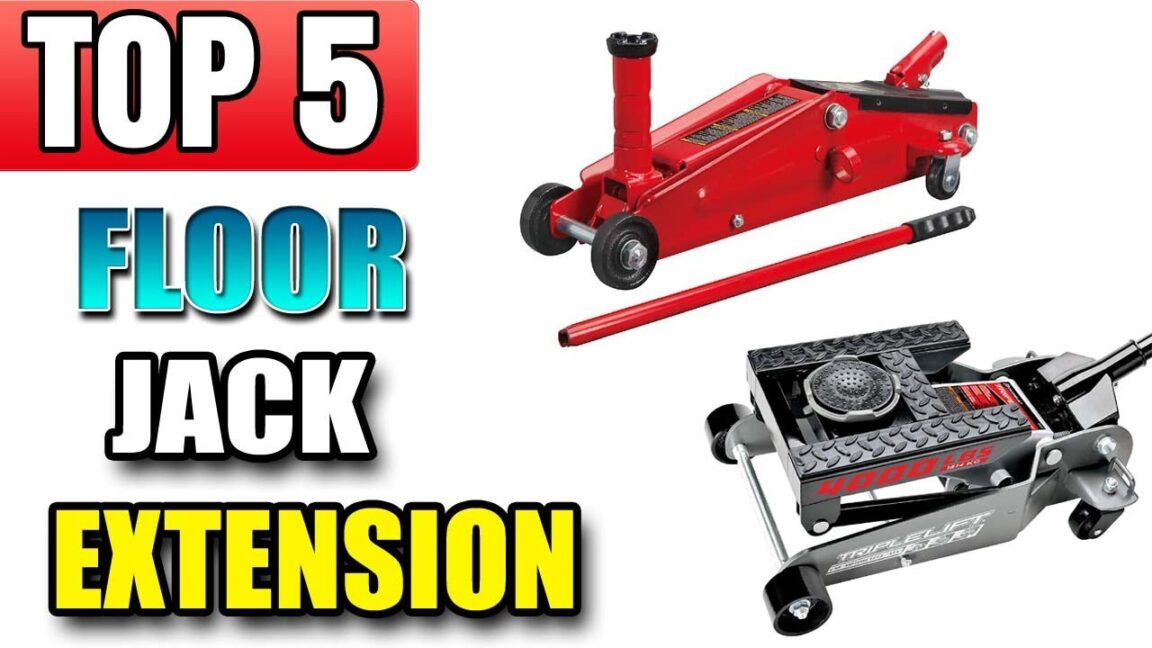
- Bottle Jack Extensions: These are perhaps the most common and straightforward. They are typically solid steel or aluminum cylinders designed to fit directly onto the ram of a bottle jack. Some feature threaded ends to screw securely into place, while others use a simple pin-lock mechanism. They come in various lengths, allowing you to choose the exact additional height needed. Their robust construction makes them ideal for heavy-duty lifting.
- Hi-Lift Jack Accessories (Often Function as Extensions): While a Hi-Lift jack (or farm jack) itself is designed for high-clearance vehicles, several accessories effectively extend its utility and safety for lifted trucks.
- Hi-Lift Jack Base: A larger, more stable base plate that prevents the jack from sinking into soft ground, effectively increasing its foundational stability.
- Bumper Lift Accessory: Attaches to the Hi-Lift jack and hooks onto various bumper styles, allowing you to lift directly from a strong point on the bumper.
- Wheel Lift Attachment: Designed to cradle a wheel, allowing you to lift the truck by the tire, which can be incredibly useful in off-road recovery scenarios or when frame access is difficult.
- Hydraulic Jack Pad Extensions/Adapters: These are not extensions in the sense of adding significant height, but rather adapters that provide a few crucial inches and, more importantly, a stable, protective contact surface. Often made of high-density rubber or reinforced polymer, they sit on the jack’s saddle, preventing metal-on-metal contact, protecting pinch welds, and slightly increasing the effective lift height. While not a primary solution for significantly lifted trucks, they complement longer extensions by offering superior contact.
- Custom/DIY Extensions (Use with Extreme Caution): Some enthusiasts might consider fabricating their own extensions. However, this comes with immense risk. Unless you possess professional welding and engineering expertise, and access to appropriate materials and testing, a DIY extension is highly likely to fail under the immense weight and pressure of a truck, leading to catastrophic failure. For safety, always opt for professionally manufactured and tested products.
Key Considerations When Choosing a Jack Extension
Selecting the right jack extension for lifted trucks requires careful thought to ensure safety, compatibility, and effectiveness.
- Required Lift Height: Measure the distance from your jack’s saddle at its lowest point to a suitable lift point on your truck (e.g., frame, axle) to determine how much additional height you need. Factor in the travel required to lift the wheel clear of the ground.
- Weight Capacity: The extension’s weight capacity must be equal to or greater than your jack’s capacity and certainly sufficient for the weight of your truck. Never exceed the stated capacity of either the jack or the extension.
- Compatibility with Your Jack: Ensure the extension is designed to fit your specific jack model. This includes the diameter of the ram for bottle jacks, or the attachment points for Hi-Lift jack accessories. A loose or ill-fitting extension is a significant safety hazard.
- Material and Construction Quality: Look for extensions made from high-strength steel or durable aluminum. Inspect welds, locking pins, and overall finish. Quality construction is paramount for handling heavy loads safely.
- Stability and Base Design: A good extension will minimize wobble and provide a secure interface. For bottle jack extensions, ensure it sits firmly and has a wide enough top surface to engage the truck’s lift point securely. For Hi-Lift jacks, consider accessories that broaden the base.
- Safety Features: Some extensions might include additional locking pins, anti-slip surfaces, or specific contours to better grip the vehicle’s frame. These features add layers of safety.
How to Safely Use a Jack Extension
Even the best jack extension for lifted trucks is only as safe as its user. Adhering to strict safety protocols is non-negotiable.
- Prepare Your Workspace: Always work on a flat, level, and solid surface (e.g., concrete garage floor). Never lift a vehicle on soft ground, an incline, or uneven terrain. Clear the area of obstacles and ensure adequate lighting.
- Chock the Wheels: Before lifting, place wheel chocks on the wheels that will remain on the ground, especially on the opposite end of the truck from where you are lifting. Engage the parking brake.
- Inspect Your Equipment: Before each use, thoroughly inspect your jack, jack extension, and jack stands for any signs of damage, cracks, leaks, or wear. Never use damaged equipment.
- Proper Placement of the Extension:
- Bottle Jack: Ensure the extension is firmly seated on the jack’s ram. If it’s a threaded extension, tighten it securely. If it’s pin-locked, ensure the pin is fully engaged.
- Hi-Lift Jack: Attach any accessories according to the manufacturer’s instructions.
- Identify Safe Lift Points: Consult your truck’s owner’s manual or a service guide to identify approved lift points on the frame, axles, or sturdy suspension components. Never lift from flimsy body panels, differential covers, or fuel tanks.
- Lift Gradually and Observe: Position the jack with the extension under the chosen lift point. Begin to lift slowly, watching carefully for any instability, slipping, or unusual noises. Stop immediately if anything seems amiss.
- ALWAYS Use Jack Stands: This is the most crucial safety rule. A jack, even with an extension, is designed for lifting, not supporting a vehicle for extended periods. Once the truck is at the desired height, immediately place appropriately rated jack stands under stable frame points near the jack. Lower the truck gently onto the jack stands until it is fully supported. The jack can then be removed or kept lightly engaged as a secondary safety measure.
- Lowering Safely: When ready to lower, ensure the area beneath the truck is clear. Slightly raise the truck with the jack to take pressure off the jack stands, remove the stands, and then slowly and carefully lower the truck to the ground. Remove wheel chocks only when the truck is fully on the ground.
Benefits of Using Jack Extensions
Investing in a quality jack extension for lifted trucks offers a multitude of advantages:
- Enhanced Safety: The paramount benefit is the significant increase in safety during lifting operations, minimizing the risk of accidents.
- Increased Efficiency: Makes routine maintenance and emergency tire changes much quicker and less strenuous.
- Versatility: Allows a single jack to be used across a range of lifted vehicles, maximizing the utility of your existing tools.
- Protection for Vehicle and Equipment: Prevents damage to your truck’s undercarriage and extends the lifespan of your jack by ensuring proper use.
- Peace of Mind: Knowing you have the right tools for the job brings confidence and reduces anxiety when working on your valuable truck.
Potential Challenges and Solutions
While jack extensions are beneficial, a few challenges can arise:
- Instability:
- Challenge: A tall extension can introduce leverage, making the lift point feel less stable.
- Solution: Always use on a perfectly level, hard surface. Ensure the extension is securely fitted to the jack and that the contact point on the truck is broad and stable. Use a wide-base jack if possible.
- Incorrect Capacity:
- Challenge: Using an extension with a lower weight rating than your truck or jack.
- Solution: Always verify that the extension’s capacity meets or exceeds your truck’s weight and your jack’s capacity.
- Compatibility Issues:
- Challenge: An extension that doesn’t fit your specific jack model.
- Solution: Double-check specifications and measurements before purchasing. Look for universal designs if you have multiple jacks, but prioritize perfect fit for critical safety.
- Storage:
- Challenge: Some extensions, especially for bottle jacks, can be bulky.
- Solution: Many are designed for compact storage. Consider a dedicated toolbox or space in your garage for all your lifting equipment.
Practical Advice and Actionable Insights
- Don’t Compromise on Safety: When it comes to lifting your heavy, lifted truck, safety is paramount. Never cut corners or use makeshift solutions. Invest in high-quality, properly rated jack extensions and jack stands.
- Measure Before You Buy: Take precise measurements of your truck’s lift points and your jack’s height range to ensure you purchase an extension that provides the exact additional height you need.
- Always Use Jack Stands: This cannot be stressed enough. A jack extension helps you lift the truck, but jack stands support it. Never get under a vehicle supported only by a jack.
- Understand Your Truck’s Lift Points: Familiarize yourself with the recommended lift points in your truck’s owner’s manual. Lifting from incorrect points can cause significant damage.
- Consider a Hi-Lift Jack for Off-Road: If your lifted truck sees significant off-road action, a Hi-Lift jack with its various extensions and accessories can be an invaluable recovery and lifting tool in remote locations where a floor jack isn’t practical.
Conclusion
The jack extension for lifted trucks is an indispensable tool for anyone who owns and maintains a modified, high-clearance vehicle. It transforms a potentially hazardous and frustrating task into a safe, efficient, and manageable one. By understanding the types available, carefully considering your specific needs, and rigorously adhering to safety protocols, you can ensure that your lifted truck remains a source of pride and capability, not a garage headache. Investing in the right jack extension is an investment in your safety, your truck’s longevity, and your peace of mind.
Jack Extension for Lifted Trucks: Price Table
Please note that these prices are illustrative and can vary significantly based on brand, material, specific features, retailer, and current market conditions. It’s always recommended to check current prices from reputable automotive parts suppliers.
| Product Type | Description | Typical Lift Height Added (Approx.) | Material (Typical) | Weight Capacity (Approx.) | Estimated Price Range (USD) | Key Features / Notes |
|---|---|---|---|---|---|---|
| Bottle Jack Extension | Single solid cylinder, fits on ram of hydraulic bottle jacks. | 4-12 inches | Steel / Aluminum | 4-20 tons | $30 – $100 | Simple, robust, various lengths. Ensure compatibility with jack ram diameter. |
| Adjustable Bottle Jack Extension | Multi-piece design allowing adjustable height. | 6-18 inches | Steel | 4-12 tons | $50 – $150 | More versatile, but potentially less stable than solid units if not properly secured. |
| Hi-Lift Jack Base | Broad, flat base plate for Hi-Lift jacks to prevent sinking in soft ground. | 0-1 inch (stability) | High-density Polymer | Hi-Lift Jack Capacity | $20 – $50 | Essential for off-road use, increases effective stability, not direct height. |
| Hi-Lift Bumper Lift Attachment | Hooks onto various bumper styles for direct bumper lifting with Hi-Lift. | Varies with bumper height | Steel | Hi-Lift Jack Capacity | $40 – $80 | Specific to bumper types, provides a secure lift point where frame access is difficult. |
| Hi-Lift Wheel Lift Attachment | Cradles a wheel to lift the truck by the tire. | Varies with tire size | Steel | Hi-Lift Jack Capacity | $60 – $120 | Excellent for off-road recovery, allows lifting without frame access. |
| Hydraulic Jack Pad/Adapter | Rubber or polyurethane pad that sits on jack saddle. | 0.5-2 inches (plus protection) | Rubber / Polyurethane | 2-6 tons | $10 – $40 | Primarily for protection and minor height adjustment, good for pinch welds. |
| Heavy-Duty Jack Pad for Lifted Trucks | Large, reinforced rubber/steel pad for wider contact points. | 1-3 inches (plus protection) | Steel/Rubber | 3-10 tons | $40 – $80 | Designed for heavy vehicles, provides a large, stable, non-slip contact area. |
Frequently Asked Questions (FAQ) about Jack Extensions for Lifted Trucks
Q1: Are jack extensions safe to use?
A1: Yes, when used correctly and with appropriate safety measures, jack extensions are safe. The key is to use a high-quality, properly rated extension that is compatible with your jack and to always use jack stands to support the vehicle once it’s lifted. Never get under a vehicle supported only by a jack and extension.
Q2: Can I just stack wood blocks instead of buying a jack extension?
A2: No, it is strongly advised against. Stacking wood blocks creates an unstable and highly dangerous lifting scenario. Wood can splinter, slip, or compress unevenly, leading to catastrophic failure and serious injury. Always use purpose-built, engineered jack extensions.
Q3: What’s the difference between a jack extension and a jack pad?
A3: A jack extension primarily adds significant vertical height to your jack’s reach. A jack pad, while sometimes adding a small amount of height (0.5-2 inches), is mainly designed to protect the vehicle’s frame or pinch welds from damage and provide a non-slip contact surface. For significantly lifted trucks, you’ll likely need a dedicated jack extension, and a jack pad can be used in conjunction for added protection.
Q4: How do I know how much lift height I need from an extension?
A4: Measure the distance from the ground to a suitable lift point on your lifted truck (e.g., frame, axle). Then, measure the maximum lift height of your existing jack. The difference between these two measurements, plus a few extra inches for clearance (especially to get a wheel off the ground), will give you an idea of the minimum additional height required from an extension.
Q5: Do I need different extensions for different types of jacks?
A5: Yes, generally. A bottle jack extension is specifically designed for a bottle jack’s ram. Hi-Lift jack accessories are for Hi-Lift jacks. Ensure the extension you purchase is compatible with your specific jack model.
Q6: Can I make my own jack extension?
A6: For safety reasons, it is highly discouraged to fabricate your own jack extension unless you are a certified engineer or fabricator with the necessary expertise, materials, and testing equipment. The forces involved in lifting a heavy truck are immense, and a poorly designed or constructed extension can fail with devastating consequences. Always purchase professionally manufactured and tested products.
Q7: Where can I buy a reliable jack extension for my lifted truck?
A7: For more information on selecting the right jack extension for your lifted truck, consider visiting reputable automotive parts retailers or specialized off-road equipment suppliers online. Brands like Hi-Lift, Powerbuilt, Pro-Lift, and various specialty off-road shops offer reliable solutions.