Florida Lifted Trucks: A Comprehensive Guide to the Sunshine State’s Towering Trend
Florida Lifted Trucks: A Comprehensive Guide to the Sunshine State’s Towering Trend
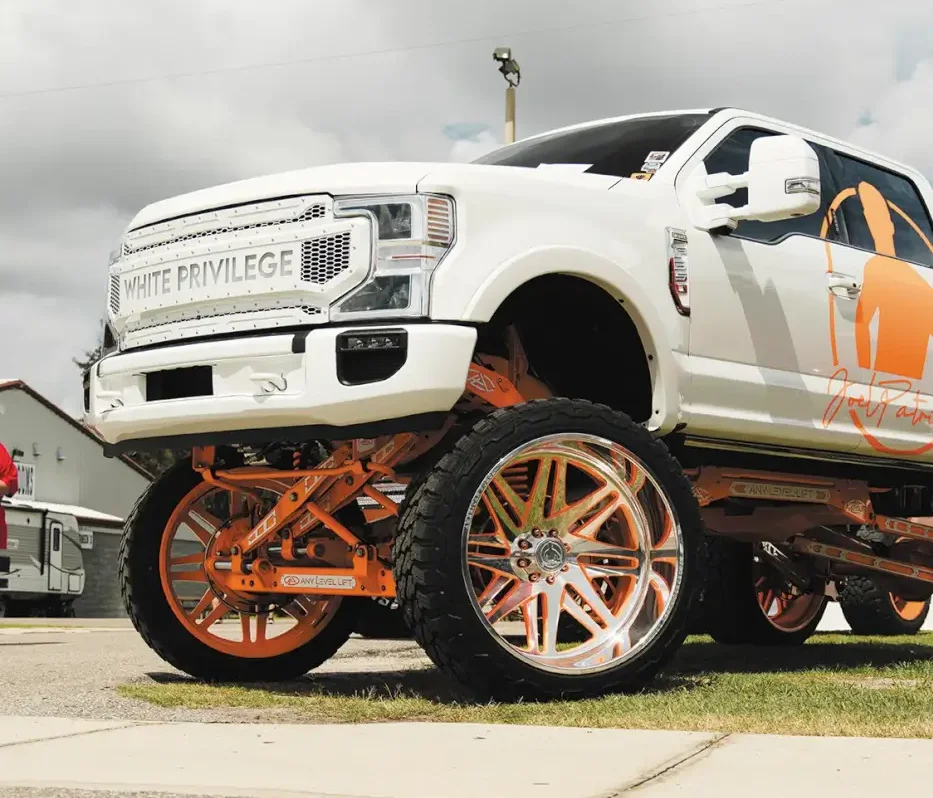
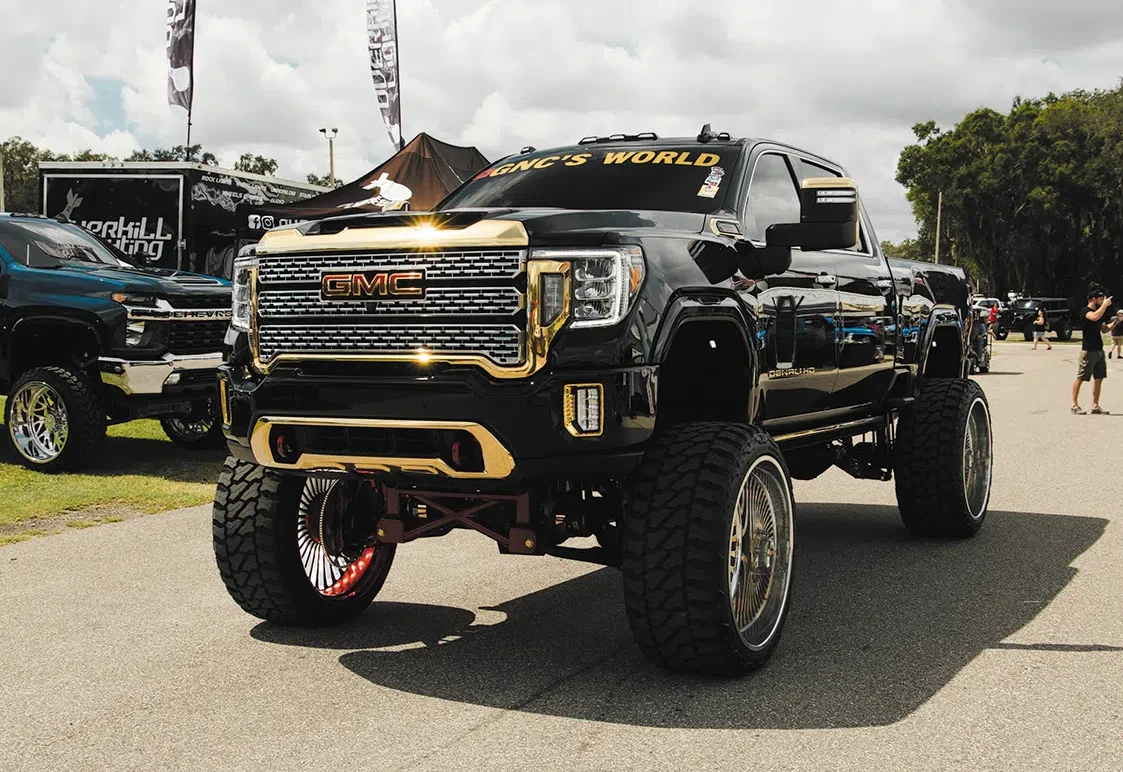
Florida, a state synonymous with sunshine, beaches, and a vibrant outdoor lifestyle, also boasts a distinctive automotive subculture: the world of Florida lifted trucks. More than just a modification, lifting a truck in Florida is often a statement of identity, a practical enhancement for diverse terrains, and a reflection of the state’s unique recreational demands. From navigating swampy trails and sandy beaches to making a commanding presence on urban highways, these elevated behemoths are an integral part of the Floridian landscape. This comprehensive guide delves into every aspect of Florida’s lifted truck phenomenon, offering insights for enthusiasts, prospective owners, and curious onlookers alike.
The Allure of the Lift: Why Florida Drivers Go Big
The popularity of lifted trucks in Florida stems from a confluence of aesthetic appeal, practical utility, and cultural expression.
Aesthetic Dominance and Customization
For many, the primary draw of a lifted truck is its imposing visual presence. A lifted truck commands attention, projecting an image of power, ruggedness, and individuality. The ability to customize a vehicle, from the height of the lift to the aggressive stance of oversized tires and custom wheels, allows owners to express their personality and stand out from the crowd. It’s a canvas for automotive artistry, reflecting the owner’s taste and style.
Practical Utility in a Diverse Landscape
Florida’s varied terrain presents numerous opportunities where a lifted truck truly shines:
- Off-Roading and Trails: The state is crisscrossed with unpaved roads, mud pits, and wooded trails, especially in its vast wilderness areas. Increased ground clearance is invaluable for clearing obstacles, navigating ruts, and preventing damage to the undercarriage.
- Beach Access: With hundreds of miles of coastline, beach driving is a popular pastime in designated areas. Lifted trucks, especially when equipped with appropriate tires, can handle soft sand with greater ease, preventing getting stuck and accessing prime spots.
- Water and Flooding: Florida’s subtropical climate means heavy rainfall and occasional flooding. A lifted truck offers a higher wading depth, providing a critical advantage when roads become submerged, whether from a summer thunderstorm or a hurricane.
- Towing and Hauling: Many Floridians own boats, RVs, or utility trailers. A lifted truck, often paired with enhanced suspension, can provide a more stable and capable platform for towing, especially over uneven terrain at boat ramps or campgrounds.
- Visibility: The elevated driving position offers a superior vantage point in traffic, allowing drivers to see further down the road and anticipate potential hazards.
Cultural Significance and Community
In Florida, owning a lifted truck is often more than just a personal choice; it’s an entry into a vibrant subculture. Truck meets, off-road events, and online communities thrive, fostering camaraderie among owners who share a passion for these formidable vehicles. It’s a lifestyle choice that embodies freedom, adventure, and a distinct "Florida Man" spirit of embracing the wild side.
Understanding Lift Kits: Types and Components
Lifting a truck isn’t a one-size-fits-all endeavor. There are several types of lift kits, each with different methods, costs, and impacts on vehicle performance and ride quality.
Types of Lift Kits
- Leveling Kits: These are the simplest and most affordable. They typically raise the front of the truck by 1-3 inches to eliminate the factory "rake" (where the front sits lower than the rear). They primarily improve aesthetics and allow for slightly larger tires without altering the rear suspension.
- Body Lifts: A body lift raises the truck’s body from its frame using spacers. The suspension, frame, and drivetrain components remain at their original height. Body lifts are generally less expensive, easier to install, and primarily offer clearance for larger tires without significantly changing the vehicle’s center of gravity or suspension geometry.
- Suspension Lifts: These are the most comprehensive and popular type of lift, directly modifying the vehicle’s suspension system. They involve replacing or augmenting components like coil springs, leaf springs, shocks, control arms, and sometimes steering linkages and driveline components. Suspension lifts provide true ground clearance, improve off-road performance, and come in a wide range of heights (2 inches to 12+ inches).
Key Components of a Suspension Lift
- Shocks and Struts: Often longer or specifically tuned to accommodate the increased travel.
- Coil Springs/Leaf Springs: Replaced with taller or stiffer versions to achieve the desired lift.
- Control Arms/Radius Arms: Extended or relocated to maintain proper suspension geometry and alignment.
- Track Bars: Modified or extended to keep the axles centered under the vehicle.
- Drop Pitman Arms/Steering Components: Used to correct steering angles and prevent "bump steer."
- Brake Line Extensions: Needed for increased suspension travel to prevent lines from stretching or breaking.
- Driveshaft Modifications: For higher lifts, driveshaft length and angles may need correction to prevent vibrations.
Navigating Florida’s Regulations for Lifted Trucks
While Florida embraces lifted trucks, there are legal limits and considerations to ensure safety and compliance. It’s crucial for owners to understand these regulations to avoid fines and potential safety hazards.
Florida’s Legal Lift Limits
Florida Statute 316.251 sets specific limits on vehicle height, primarily focusing on bumper height. These limits vary based on the vehicle’s net weight:
- Trucks under 2,000 lbs: Front bumper max 24 inches, Rear bumper max 26 inches.
- Trucks 2,000-3,000 lbs: Front bumper max 27 inches, Rear bumper max 29 inches.
- Trucks 3,000-5,000 lbs: Front bumper max 28 inches, Rear bumper max 30 inches.
- Trucks over 5,000 lbs: Front bumper max 30 inches, Rear bumper max 32 inches.
Other important regulations include:
- Headlight Height: Headlights must be mounted between 24 and 54 inches from the ground.
- Fender Coverage: Tires must be covered by fenders or fender flares to prevent debris from being thrown onto other vehicles.
- Brake Lights/Tail Lights: Must remain visible and within specified height ranges.
Important Note: While Florida does not have annual safety inspections, law enforcement can issue citations for vehicles deemed unsafe or non-compliant with these regulations. It’s always best to consult the latest Florida statutes or a reputable local shop for the most up-to-date information.
Insurance Implications
Modifying your truck can affect your insurance policy. It’s essential to inform your insurance provider about any significant modifications. Failure to do so could result in denied claims in the event of an accident. Premiums may also increase due to the higher value of the vehicle and potential changes in risk assessment.
The "How-To": Lifting Your Truck in Florida
Deciding to lift your truck is just the first step. The process of choosing, purchasing, and installing a lift kit requires careful consideration.
DIY vs. Professional Installation
- DIY: For mechanically inclined individuals with proper tools and a safe workspace, installing a leveling kit or a basic body lift can be a rewarding project. However, suspension lifts are significantly more complex, requiring specialized tools, knowledge of suspension geometry, and post-installation alignment. Mistakes can lead to serious safety issues.
- Professional Installation: For most suspension lifts, professional installation by an experienced shop is highly recommended. Experts ensure proper installation, address potential issues (like driveline angles or brake line length), and provide necessary post-installation services like wheel alignment and speedometer calibration. They also often offer warranties on their work.
Choosing the Right Kit
The "right" kit depends entirely on your intended use:
- Street Use/Aesthetics: A leveling kit or a mild 2-4 inch suspension lift, possibly with a body lift, will achieve the desired look and allow for larger tires without drastically altering ride quality or breaking the bank.
- Light Off-Roading/Beach Cruising: A 4-6 inch suspension lift offers significant ground clearance for most trails and beach conditions while maintaining reasonable road manners.
- Heavy Off-Roading/Rock Crawling: For extreme use, 6+ inch suspension lifts with heavy-duty components, long-travel shocks, and potentially custom fabrication may be necessary. These setups often prioritize off-road performance over on-road comfort.
Post-Installation Considerations
After a lift kit is installed, several crucial steps ensure safety and optimal performance:
- Wheel Alignment: Absolutely essential. A lift significantly alters steering and suspension geometry, requiring a professional alignment to prevent premature tire wear and maintain safe handling.
- Tire and Wheel Selection: Larger tires are almost always part of the lifted truck equation. Ensure the new tires and wheels are compatible with the lift height and fender clearance.
- Speedometer Recalibration: Larger tires change the effective gear ratio, causing the speedometer to read inaccurately. Recalibration is necessary for legal compliance and accurate speed readings.
- Re-gearing: For significantly larger tires (e.g., 35 inches or more), changing the differential gears (re-gearing) may be necessary to restore lost power, improve towing capability, and reduce strain on the drivetrain.
Challenges and Considerations for Florida Lifted Truck Owners
While the benefits are numerous, owning a lifted truck comes with its own set of challenges.
- Cost: Beyond the initial lift kit and installation, larger tires and wheels are a significant expense. Re-gearing, driveline modifications, and ongoing maintenance can add up.
- Fuel Economy: Larger, heavier tires and increased aerodynamic drag (due to height) almost invariably lead to a noticeable decrease in fuel efficiency.
- Ride Quality: While modern lift kits strive for comfort, a lifted truck’s ride can be stiffer or bouncier than stock, especially with higher lifts or off-road-oriented suspension.
- Parking and Access: Fitting into multi-story parking garages, drive-thrus, and even some home garages can become a challenge.
- Maintenance: More complex suspension systems may require more frequent inspection and maintenance. Components like ball joints, tie rods, and universal joints can experience accelerated wear.
- Resale Value: While some buyers specifically seek lifted trucks, the modifications can also limit the pool of potential buyers and may not always translate into a higher resale price.
Tips for Responsible Lifted Truck Ownership in Florida
To fully enjoy your Florida lifted truck while ensuring safety and compliance, consider these tips:
- Know Your Laws: Stay informed about Florida’s current bumper height, headlight, and fender coverage regulations.
- Choose Quality Components: Invest in reputable lift kits and professional installation. Cheap components can compromise safety and lead to costly repairs down the road.
- Regular Maintenance: Lifted trucks put extra stress on suspension and steering components. Adhere to a strict maintenance schedule and inspect your vehicle regularly for wear and tear.
- Drive Responsibly: Be mindful of the increased center of gravity, which can affect handling, especially in corners or during emergency maneuvers. Allow for longer braking distances.
- Be Mindful of Others: Your higher vantage point can reduce visibility for smaller vehicles around you. Be aware of your blind spots.
- Insure Properly: Always inform your insurance company about modifications to ensure adequate coverage.
Pricing Guide: Florida Lifted Trucks
The cost of lifting a truck in Florida can vary significantly based on the type of lift, the specific vehicle, the brand of components, and the labor rates of the installation shop. This table provides estimated price ranges for common modifications.
| Modification Type | Estimated Kit Cost (Parts Only) | Estimated Installation Labor | Total Estimated Cost Range | Notes |
|---|---|---|---|---|
| Leveling Kit (1-3") | $100 – $400 | $200 – $500 | $300 – $900 | Primarily front lift, often allows for 33" tires. Simple installation. |
| Body Lift (2-3") | $200 – $600 | $400 – $800 | $600 – $1,400 | Lifts body from frame, preserves stock suspension. Allows for larger tires (e.g., 33-35"). |
| Mild Suspension Lift (2-4") | $500 – $1,500 | $600 – $1,200 | $1,100 – $2,700 | Replaces springs/shocks. Good for aesthetics and light off-roading. Often requires alignment. Allows for 33-35" tires. |
| Moderate Suspension Lift (4-6") | $1,500 – $3,500 | $1,000 – $2,000 | $2,500 – $5,500 | More involved installation, may include new control arms, brake line extensions. Essential for serious off-roading. Requires alignment. Allows for 35-37" tires. |
| Extreme Suspension Lift (6"+) | $3,000 – $10,000+ | $1,500 – $4,000+ | $4,500 – $14,000+ | Highly complex, often requires driveline modifications (driveshafts, re-gearing), new steering components. For dedicated off-road builds. Requires alignment. Allows for 37"+ tires. |
| Additional Costs | ||||
| Larger Tires (Set of 4) | N/A | N/A | $1,000 – $3,000+ | Price varies greatly by brand, size, and type (all-terrain, mud-terrain). |
| Aftermarket Wheels (Set of 4) | N/A | N/A | $800 – $2,500+ | Price varies by brand, material, and design. |
| Wheel Alignment | N/A | $100 – $250 | $100 – $250 | Crucial after any suspension modification. |
| Speedometer Recalibration | N/A | $100 – $300 | $100 – $300 | Necessary for accurate speed readings with larger tires. |
| Re-gearing (Front & Rear) | N/A | $1,500 – $3,000+ | $1,500 – $3,000+ | Recommended for significantly larger tires (35"+) to restore performance and prevent drivetrain strain. |
Prices are estimates and can vary based on location, specific vehicle model, brand popularity, and market conditions. Always get detailed quotes from multiple reputable shops.
Frequently Asked Questions (FAQ) about Florida Lifted Trucks
Q1: Is it legal to lift a truck in Florida?
A1: Yes, it is legal, but Florida has specific regulations regarding bumper height, headlight height, and fender coverage based on the vehicle’s weight. It’s crucial to stay within these limits.
Q2: How high can I lift my truck in Florida?
A2: The primary restriction is bumper height, which ranges from a maximum of 24 inches (front) and 26 inches (rear) for trucks under 2,000 lbs, up to 30 inches (front) and 32 inches (rear) for trucks over 5,000 lbs. Headlights must be between 24 and 54 inches from the ground.
Q3: Does lifting a truck affect fuel economy?
A3: Yes, significantly. Larger, heavier tires and increased aerodynamic drag from the lift will almost always lead to a noticeable decrease in miles per gallon.
Q4: Do I need new tires and wheels after a lift?
A4: Most lift kits are installed specifically to accommodate larger tires and wheels, so yes, they are often a necessary and significant additional cost.
Q5: How much does it cost to lift a truck in Florida?
A5: The cost varies widely. A leveling kit might be a few hundred dollars, while a moderate suspension lift (including installation, tires, and alignment) can easily range from $3,000 to $6,000 or more. Extreme lifts can exceed $10,000. Refer to the pricing guide above for more details.
Q6: Will lifting my truck void my warranty?
A6: It can. Modifications like lift kits can potentially void the factory warranty on affected components (e.g., suspension, drivetrain). It’s best to consult with your dealership or read your warranty terms carefully.
Q7: What’s the difference between a body lift and a suspension lift?
A7: A body lift raises the vehicle’s body from its frame using spacers, leaving the suspension at its original height. A suspension lift directly modifies the suspension components (springs, shocks, control arms) to raise the frame and body, providing true ground clearance.
Q8: Is it safe to install a lift kit myself?
A8: While simple leveling kits or body lifts might be DIY-friendly for experienced mechanics, complex suspension lifts are best left to professionals. Proper installation is critical for safety, vehicle handling, and component longevity.
Conclusion
The phenomenon of Florida lifted trucks is a testament to the state’s unique environment and its residents’ desire for both practical utility and bold self-expression. From conquering sandy trails and navigating flooded streets to making a powerful statement on the highway, these vehicles embody a distinct Floridian spirit. However, the journey into the world of lifted trucks requires careful consideration, from understanding legal regulations and installation complexities to managing costs and ensuring responsible ownership. By choosing reputable components, professional installation, and adhering to safety guidelines, Florida truck enthusiasts can fully embrace this towering trend, enjoying the enhanced capabilities and undeniable presence that only a lifted truck can offer. It’s more than just a vehicle; it’s a lifestyle, deeply ingrained in the culture of the Sunshine State.