Gulf Coast Lifted Trucks: A Comprehensive Guide to Function, Style, and Culture
Gulf Coast Lifted Trucks: A Comprehensive Guide to Function, Style, and Culture
The Gulf Coast region, stretching from the sandy shores of Florida across Alabama, Mississippi, Louisiana, and Texas, is a unique tapestry of landscapes—from sun-drenched beaches and marshy wetlands to dense forests and bustling urban centers. This diverse environment has given rise to a distinctive automotive culture, none more prominent than that of the Gulf Coast lifted trucks. More than just vehicles, these trucks are a statement of utility, personal style, and a deep connection to the region’s outdoor lifestyle.
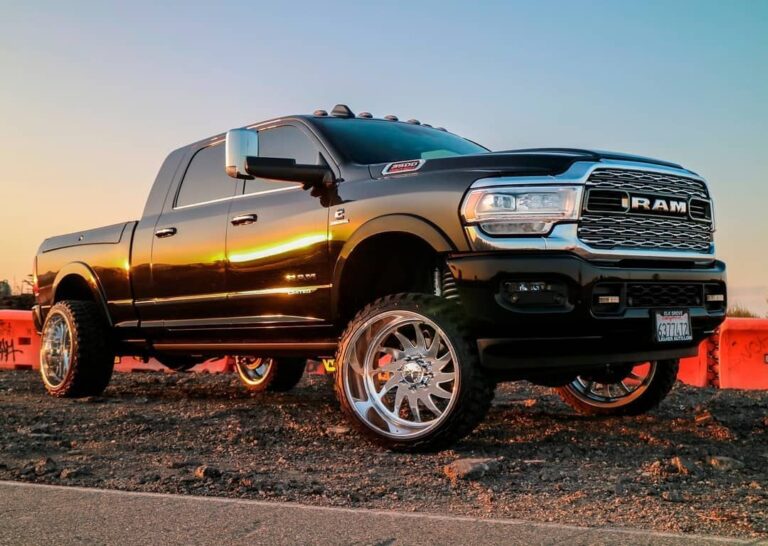
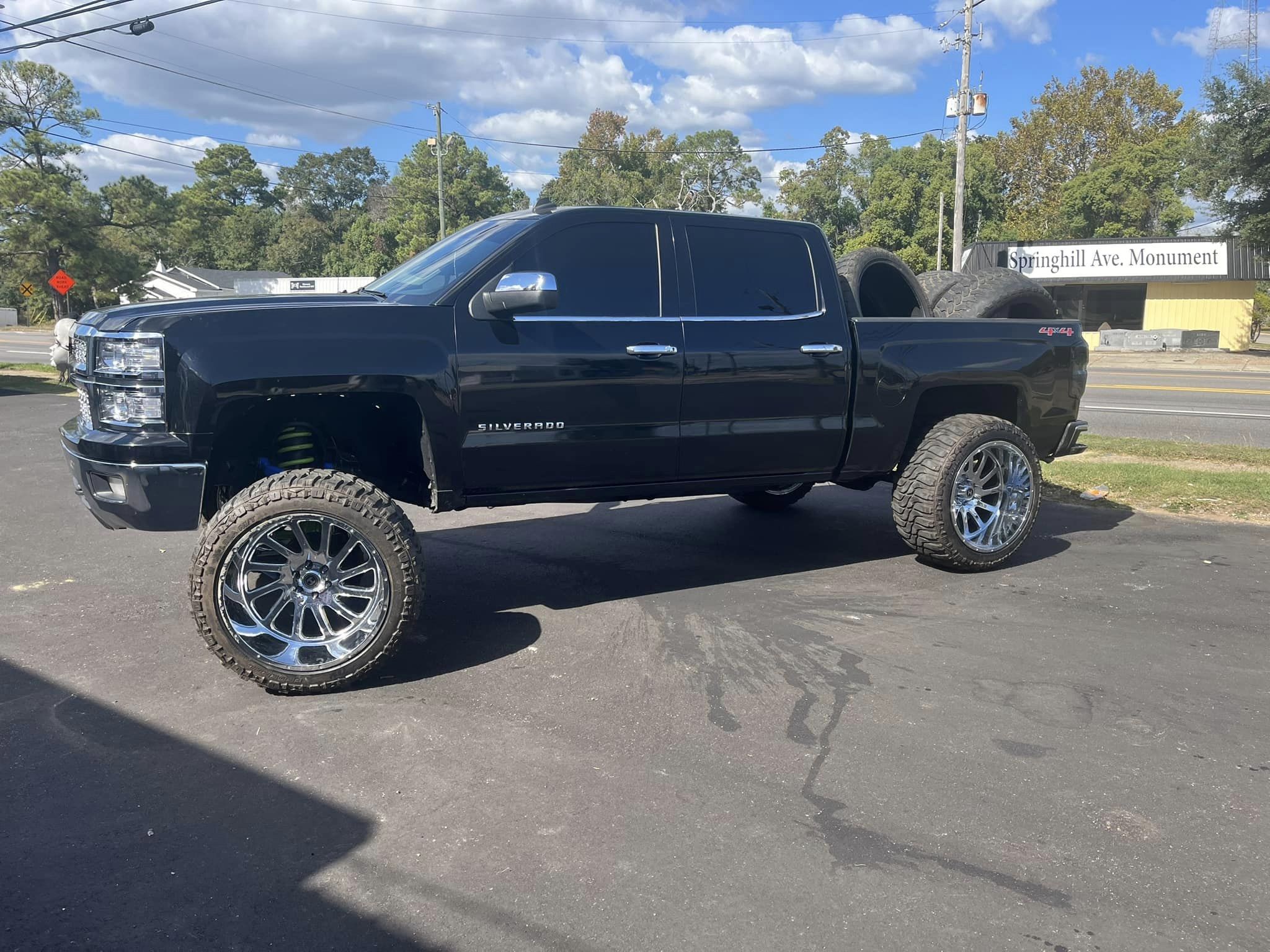
A Gulf Coast lifted truck is typically characterized by its elevated suspension, aggressive stance, and oversized tires, designed not just for aesthetics but for practical navigation of the area’s challenging terrains. Whether it’s for traversing muddy hunting trails, navigating flood-prone roads, hauling boats to the nearest fishing spot, or simply making a bold statement on the boulevard, these trucks embody a blend of rugged capability and Southern flair. This comprehensive guide will delve into the world of Gulf Coast lifted trucks, exploring their appeal, the customization process, essential considerations, and their undeniable impact on local culture.
The Allure of the Lifted Truck in the Gulf Coast
The popularity of lifted trucks along the Gulf Coast is not merely a trend; it’s a reflection of necessity and personal expression deeply rooted in the region’s characteristics.
Functionality Meets Environment:
- Off-Road Capability: The Gulf Coast is a paradise for outdoor enthusiasts. Hunting, fishing, and camping often involve navigating unpaved roads, muddy tracks, and sandy beaches. A lifted truck, with its increased ground clearance and larger, more aggressive tires, excels in these conditions, preventing getting stuck and protecting undercarriage components.
- Floodwater Navigation: The region is prone to heavy rainfall and tropical storms, leading to localized flooding. While not advocating for driving through deep water, a lifted truck offers a crucial advantage in safely traversing submerged roads that might otherwise be impassable for standard vehicles, providing peace of mind and enhanced mobility.
- Towing and Hauling: Many Gulf Coast residents own boats, ATVs, or trailers for work and recreation. A lifted truck often comes with enhanced suspension components and robust drivetrain upgrades that can improve towing stability and capacity, especially when launching boats on steep or uneven ramps.
- Improved Visibility: The elevated driving position provides a commanding view of the road and surrounding terrain, a significant benefit in both dense traffic and off-road scenarios.
Aesthetics and Personal Expression:
Beyond utility, the visual impact of a lifted truck is undeniable. It projects an image of power, capability, and individuality. Owners often customize their trucks with unique wheel designs, custom paint jobs, elaborate lighting setups, and performance exhaust systems to create a vehicle that is truly their own. The aggressive stance and towering presence make a statement, reflecting a lifestyle that embraces adventure and stands out from the crowd.
Community and Culture:
Lifted trucks are a common sight at local events, truck meets, and community gatherings throughout the Gulf Coast. They foster a sense of camaraderie among owners, creating a vibrant subculture of enthusiasts who share tips, show off their builds, and participate in organized off-road adventures. It’s more than just a vehicle; it’s a badge of honor and a symbol of a shared passion.
Anatomy of a Gulf Coast Lifted Truck: Key Components and Customizations
Building a Gulf Coast lifted truck involves more than just raising the suspension; it’s a holistic approach to enhancing both form and function.
-
Lift Kits: The heart of any lifted truck.
- Suspension Lifts: These replace or modify components like coil springs, leaf springs, shocks, control arms, and steering knuckles to raise the entire chassis. They offer significant ground clearance and often improve off-road performance and ride quality, especially higher-end kits.
- Body Lifts: These kits use spacers placed between the truck’s body and frame, raising the body without altering the suspension geometry. They are less expensive and easier to install but offer no increase in ground clearance for the differentials or axles. Often used to clear larger tires with minimal suspension changes.
- Leveling Kits: A smaller form of lift, typically 1-3 inches, designed to raise the front of the truck to match the factory rake of the rear, creating a more level stance. Often a first step for many owners before a full lift.
-
Tires and Wheels: Critical for both performance and aesthetics.
- Oversized Tires: Larger diameter tires are essential to fill the wheel wells created by the lift. Mud-terrain (MT) tires offer aggressive tread patterns for maximum grip in mud and loose soil, while all-terrain (AT) tires provide a good balance of off-road traction and on-road comfort.
- Custom Wheels: Often chosen for their size, offset, and aesthetic appeal. Chrome, black, polished, and deep-dish designs are popular, complementing the truck’s overall look. Proper wheel offset is crucial to prevent rubbing and ensure legal tire protrusion.
-
Performance Upgrades: To match the increased demands of a lifted truck.
- Gearing: Larger tires effectively change the final drive ratio, reducing torque. Re-gearing the differentials to a numerically higher ratio restores lost power and improves towing capability and fuel economy.
- Exhaust Systems: Aftermarket exhaust systems can improve engine breathing, provide a more aggressive sound, and sometimes offer slight horsepower gains.
- Engine Tuning: Performance tuners can optimize engine parameters for better power, torque, and even fuel efficiency, especially after significant modifications.
- Brake Upgrades: Larger tires and increased vehicle weight can strain the stock braking system. Upgraded brake pads, rotors, and even caliper kits enhance stopping power and safety.
-
Exterior Accessories: Enhancing utility and style.
- Light Bars and Pods: Essential for off-road visibility at night, particularly useful in remote areas or during early morning hunting trips.
- Grille Guards and Bumpers: Provide front-end protection from brush, debris, or minor impacts, and often serve as mounting points for winches and additional lighting.
- Running Boards/Steps: Due to the increased height, steps are often necessary for easier entry and exit for passengers.
- Fender Flares: Required in some states to cover wider tires that protrude beyond the fender wells, and also add to the aggressive aesthetic.
- Winches: A recovery tool for getting unstuck or assisting others, invaluable for serious off-roaders.
The Customization Process: A Practical Overview
Transforming a stock truck into a Gulf Coast lifted beast requires careful planning and execution.
- Define Your Purpose and Budget: Before buying anything, decide how you’ll primarily use the truck (daily driver, weekend warrior, show truck) and set a realistic budget for components and installation.
- Research and Plan:
- Lift Height and Tire Size: Determine the ideal lift height based on your intended use and local laws. Research compatible tire sizes for that lift.
- Component Selection: Choose reputable brands for lift kits, tires, wheels, and other accessories. Read reviews and seek advice from experienced enthusiasts or local shops.
- Legal Compliance: Understand your state and local laws regarding maximum lift height, tire protrusion, bumper height, and headlight aim.
- Professional Installation vs. DIY:
- Professional Installation: Recommended for most significant lift kits, especially suspension lifts. Reputable shops have the specialized tools, expertise, and alignment equipment to ensure proper installation, safety, and performance. This also helps with potential warranty issues.
- DIY: Smaller lifts (leveling kits, body lifts) can be tackled by experienced DIYers with the right tools and knowledge. However, critical safety components are involved, so proceed with caution and follow instructions meticulously.
- Alignment and Testing: After any suspension modification, a professional alignment is crucial to ensure proper steering, tire wear, and vehicle handling. Thoroughly test the truck in various conditions to identify any issues.
- Ongoing Maintenance: Lifted trucks require more diligent maintenance, including regular inspections of suspension components, tire pressure monitoring, and cleaning after off-road excursions, especially in salty or muddy environments.
Important Considerations and Potential Challenges
While the benefits are numerous, owning a Gulf Coast lifted truck comes with its own set of considerations.
- Legality: State and local laws vary widely regarding maximum lift height, tire coverage, and bumper heights. Non-compliance can lead to fines or being deemed unroadworthy. Always check local regulations.
- Safety: Raising a truck’s center of gravity can impact handling, especially at higher speeds or during emergency maneuvers. Braking performance may also be affected, necessitating upgrades. Proper installation and high-quality components are paramount for safety.
- Warranty: Installing aftermarket lift kits can potentially void parts of your factory warranty, particularly those related to the suspension, driveline, and steering components. Consult your dealer beforehand.
- Insurance: Modifications might increase your insurance premiums. Inform your insurance provider about significant changes to ensure proper coverage.
- Fuel Economy: Larger, heavier tires and increased aerodynamic drag from the lift will almost certainly reduce fuel efficiency. Re-gearing can mitigate this somewhat but won’t fully negate it.
- Practicality: Parking garages, drive-thrus, and even car washes can become challenging or inaccessible. Entry and exit for passengers, especially children or elderly individuals, can also be more difficult.
- Cost: The initial investment for a quality lift kit, tires, wheels, and professional installation can be substantial. Factor in potential ongoing costs for maintenance, fuel, and possible insurance increases.
Tips for Gulf Coast Lifted Truck Owners
- Prioritize Quality: Don’t skimp on cheap components. Investing in high-quality lift kits, tires, and professional installation will pay dividends in safety, performance, and longevity.
- Know Your Limits: Understand what your truck (and your driving skills) can handle off-road. Pushing beyond limits can lead to damage or dangerous situations.
- Regular Inspections: Frequently check all suspension components, bolts, and fasteners for looseness or wear, especially after off-road use.
- Proper Tire Maintenance: Maintain correct tire pressure, rotate tires regularly, and monitor tread wear to maximize tire life and ensure optimal handling.
- Cleanliness is Key: After driving through mud, sand, or saltwater, thoroughly wash the undercarriage to prevent corrosion and extend the life of components.
- Find a Reputable Shop: For installations, maintenance, and advice, seek out shops with proven experience in lifted truck modifications.
Pricing Information for Gulf Coast Lifted Trucks (Estimated Ranges)
Please note that these are highly generalized estimates. Actual prices vary drastically based on truck make/model, brand of components, geographical location, labor rates, and the complexity of the build. This table is for illustrative purposes only.
| Component Category | Description | Estimated Price Range (USD) | Notes (or even better, a well-balanced custom build, with full documentation of components).
- Safety Features: Includes enhanced braking systems, reinforced steering components, and proper lighting to ensure safety and control.
For more detailed information on Gulf Coast lifted trucks, you can explore resources like .
Frequently Asked Questions (FAQ) About Gulf Coast Lifted Trucks
Q1: Is it legal to lift my truck in the Gulf Coast region?
A1: Legality varies by state and even by local municipality. Most states have regulations regarding maximum frame height, bumper height, and tire coverage. Always check your specific state’s Department of Motor Vehicles (DMV) or equivalent transportation agency for current laws before undertaking significant modifications.
Q2: How much does it cost to lift a truck?
A2: The cost varies greatly. A basic leveling kit might be a few hundred dollars, while a comprehensive, high-quality suspension lift with new wheels, tires, and professional installation can range from $2,000 to over $10,000, depending on the components’ quality and complexity.
Q3: Will lifting my truck void my factory warranty?
A3: Generally, installing an aftermarket lift kit or other modifications can void the portion of your factory warranty related to the affected components (e.g., suspension, steering, drivetrain). It’s best to consult your dealership before making significant changes. The Magnuson-Moss Warranty Act prevents a warranty from being voided simply because an aftermarket part was used, but the manufacturer can deny a claim if they can prove the aftermarket part caused the failure.
Q4: What size tires can I run with a certain lift height?
A4: This depends on the specific truck model, lift kit design, and wheel offset. A 2-3 inch leveling kit might allow for 33-inch tires, while a 6-inch lift could accommodate 35-37 inch tires. Larger lifts (8+ inches) can clear 38-inch or larger tires. Always consult with a professional installer or the lift kit manufacturer’s specifications.
Q5: Does lifting a truck affect fuel economy?
A5: Yes, significantly. Larger, heavier, and more aggressive tires increase rolling resistance, and the elevated stance and wider profile create more aerodynamic drag. These factors combined will almost always lead to a noticeable decrease in fuel efficiency. Re-gearing can help restore some efficiency but won’t eliminate the impact.
Q6: How does lifting affect handling and ride quality?
A6: Lifting a truck raises its center of gravity, which can affect handling, especially in turns or at highway speeds. Higher-quality lift kits often include components designed to mitigate these effects, but some changes are inevitable. Ride quality can also vary; some kits improve it over stock, while others might make it stiffer or bouncier.
Q7: Do I need to re-gear my differentials after lifting my truck?
A7: For significant tire size increases (typically 35 inches or larger), re-gearing is highly recommended. Larger tires effectively change your truck’s final drive ratio, making the engine work harder and potentially causing sluggish acceleration, reduced towing capacity, and even transmission strain. Re-gearing restores the optimal power band and can improve driveability and fuel economy.
Conclusion: The Enduring Spirit of Gulf Coast Lifted Trucks
Gulf Coast lifted trucks represent a compelling blend of rugged utility, bold aesthetics, and a deep-seated regional culture. They are tools for navigating the diverse and often challenging landscapes of the Southern coast, symbols of personal freedom and expression, and rallying points for a vibrant community of enthusiasts. While the journey to building a custom lifted truck involves important considerations regarding legality, safety, and cost, the rewards—in terms of capability, visual impact, and a connection to a unique lifestyle—are clear. By approaching the customization process with careful planning, quality components, and a commitment to responsible modification, owners can enjoy their Gulf Coast lifted trucks for years to come, embodying the spirit of adventure that defines this remarkable region.