Extended Travel CV Axles for Lifted Trucks
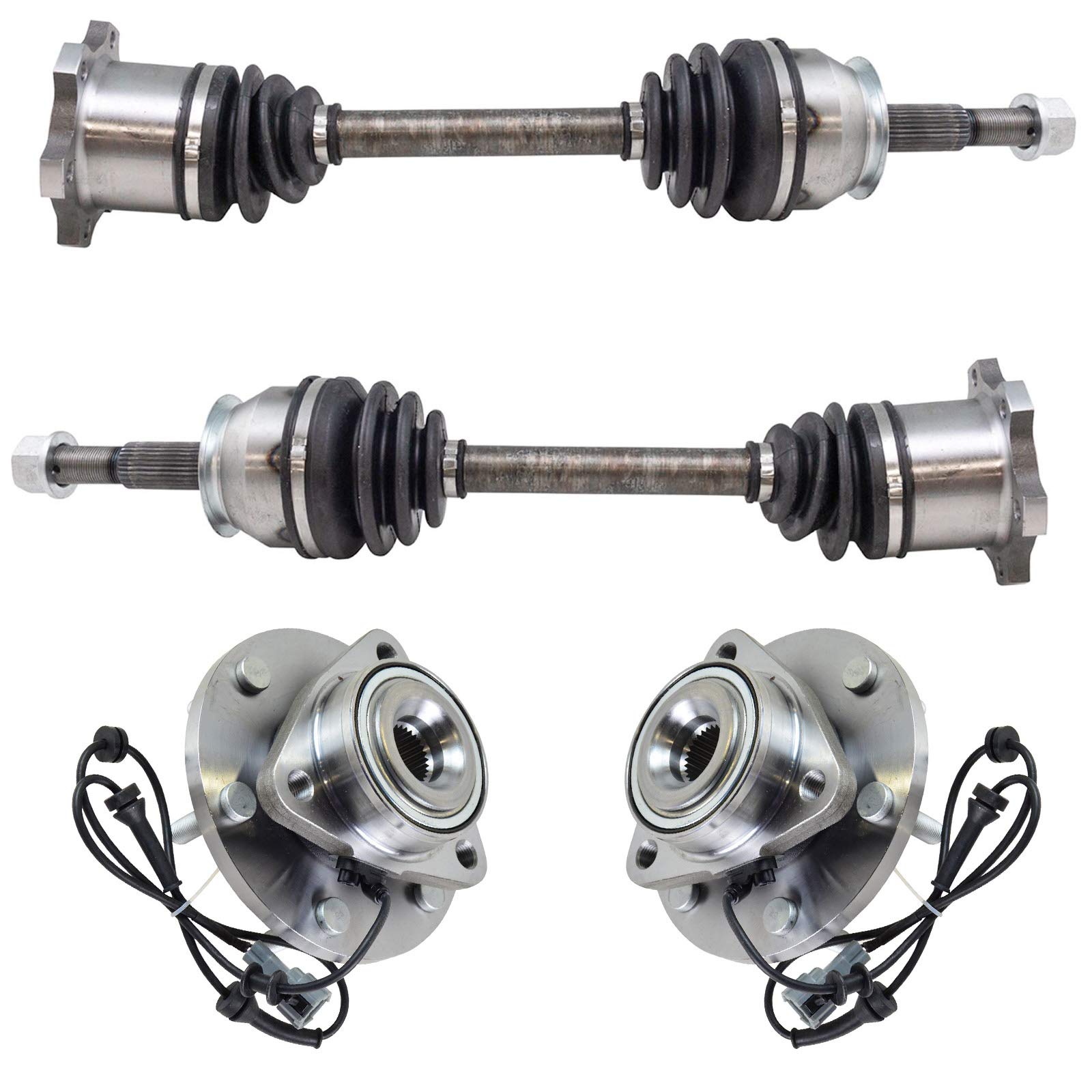
Extended Travel CV Axles for Lifted Trucks
Lifted trucks are a testament to capability and a desire for enhanced performance, particularly when venturing off the beaten path. However, modifying a vehicle’s suspension geometry, especially by lifting it, introduces a series of engineering challenges that must be addressed to maintain reliability and unlock true off-road potential. Among the most critical components affected by a lift are the Constant Velocity (CV) axles. For serious off-road enthusiasts and those running significant suspension lifts, standard CV axles often fall short, making extended travel CV axles for lifted trucks a vital upgrade.
This comprehensive guide will delve into the world of extended travel CV axles, explaining what they are, why they are indispensable for lifted trucks, how to choose the right ones, and how to maintain them for peak performance and longevity.
The Crucial Role of CV Axles and the Challenge of Lifting
CV axles are an essential part of a truck’s drivetrain, particularly in four-wheel-drive (4WD) and all-wheel-drive (AWD) vehicles. They transmit power from the differential to the wheels while accommodating the up-and-down movement of the suspension and the steering angle of the wheels. This is achieved through their unique constant velocity joints, which allow for a consistent rotational speed regardless of the joint’s angle.
When a truck is lifted, the suspension geometry changes significantly. The lower control arms drop, and the upper control arms often move to a new position, increasing the angle at which the CV axles operate. Standard CV axles are designed to function within a specific, relatively narrow range of angles. When these angles are exceeded due to a lift, several problems arise:
- Increased Stress and Wear: The CV joints are forced to operate at much steeper angles, putting immense stress on the internal components (cages, ball bearings, races). This accelerates wear dramatically.
- Premature Boot Failure: The protective rubber or thermoplastic boots that seal the CV joints and retain grease are stretched and compressed more aggressively. They are prone to tearing, allowing dirt, water, and debris to enter the joint and grease to escape, leading to rapid failure.
- Binding and Breakage: At extreme articulation (full droop or compression), standard CV axles can "bind," meaning the internal components lock up. This can lead to a sudden, catastrophic failure, often snapping the axle shaft itself or damaging the differential.
- Reduced Articulation: To prevent binding, many lifted truck owners are forced to limit their suspension’s downward travel, effectively reducing the very articulation they sought to gain with the lift.
This is where extended travel CV axles come into play. They are specifically engineered to overcome these challenges, allowing lifted trucks to fully utilize their suspension travel without compromising drivetrain integrity.
What Makes Extended Travel CV Axles Different?
Extended travel CV axles are not merely longer versions of stock axles. They are a purpose-built solution incorporating several key design and material enhancements:
-
Optimized CV Joint Design:
- Increased Internal Clearance: The internal components of the CV joint (cage, balls, and races) are designed with more clearance, allowing for greater angularity before binding occurs.
- Larger Cages and Bearings: Often, the internal components are physically larger and stronger, distributing loads over a greater surface area.
- Machined Inner Joints: Some designs feature re-machined or purpose-built inner joints that can plunge further in and out, accommodating the greater change in length during suspension travel.
-
Longer Shafts:
- While not always significantly longer in overall length, the shaft is precisely engineered to match the extended droop and compression cycles of a lifted suspension, ensuring the joints operate within their optimal plunge range.
-
Enhanced Boot Material and Design:
- Durable Materials: Boots are typically made from stronger, more flexible materials like thermoplastic elastomer (TPE) instead of traditional rubber. TPE offers superior resistance to tearing, punctures, and extreme temperatures.
- Optimized Pleats: The accordion-like folds (pleats) of the boots are designed to stretch and compress further without tearing or pinching, providing maximum protection throughout the full range of motion.
- Improved Clamps: High-quality clamps ensure a secure seal, preventing grease loss and contaminant entry.
-
Stronger Materials:
- Many aftermarket extended travel CV axles are constructed from high-strength materials like Chromoly steel. Chromoly offers a superior strength-to-weight ratio compared to OEM mild steel, making the shafts more resistant to bending and breaking under extreme loads.
Benefits of Upgrading to Extended Travel CV Axles
The advantages of installing extended travel CV axles on your lifted truck are significant and multi-faceted:
- Enhanced Durability and Reliability: The primary benefit is vastly improved strength and longevity. You’ll experience fewer axle failures, torn boots, and associated drivetrain issues.
- Increased Suspension Articulation: These axles allow your suspension to achieve its full intended travel, both in droop and compression, without fear of binding. This translates directly to better traction and control on uneven terrain.
- Improved Off-Road Performance: With more articulation and reliable power delivery, your truck can tackle more challenging obstacles with greater confidence and less stress on the drivetrain.
- Reduced Maintenance and Repair Costs: By preventing premature wear and catastrophic failures, you save money on frequent replacements, shop time, and potentially more severe damage to your differential or other components.
- Peace of Mind: Knowing your drivetrain can handle the demands of your lifted suspension and off-road adventures allows you to push your truck further without constant worry.
Choosing the Right Extended Travel CV Axles
Selecting the correct extended travel CV axles requires careful consideration of several factors:
- Lift Height and Suspension Type: This is paramount. Axles are often designed for specific lift ranges (e.g., 2-4 inches, 4-6 inches, or long-travel kits). Ensure compatibility with your exact lift kit and suspension components (e.g., aftermarket upper control arms, coil-overs).
- Intended Use:
- Daily Driver/Light Off-Road: A robust stock-replacement style extended travel axle might suffice.
- Moderate to Hardcore Off-Road: Invest in axles made from premium materials like Chromoly with heavy-duty boots and fully rebuildable joints.
- Material Quality: Prioritize axles made from high-strength alloys like Chromoly steel for superior durability.
- Boot Quality: Look for TPE boots or similar high-performance materials known for flexibility and resistance to punctures and temperature extremes.
- Rebuildability: Some high-end extended travel axles are fully rebuildable, meaning individual components (boots, grease, cages, bearings) can be replaced, extending their lifespan and reducing long-term costs.
- Brand Reputation and Warranty: Research reputable manufacturers known for quality and customer support. A good warranty reflects the manufacturer’s confidence in their product.
- Vehicle Specificity: Always ensure the axles are specifically designed for your truck’s make, model, year, and trim level.
- Budget: While quality often comes at a higher price, consider it an investment. Cheap axles often lead to repeated failures and more expense in the long run.
Installation and Maintenance Tips
Installation:
While a determined DIY mechanic can install CV axles, it often requires specific tools (torque wrench, axle nut socket, potentially a ball joint separator) and a good understanding of suspension components. If you’re unsure, professional installation is highly recommended to ensure proper torque specs and avoid damaging other components.
- Safety First: Always use jack stands and wheel chocks. Disconnect the battery.
- Inspect New Axles: Before installation, thoroughly inspect the new axles for any shipping damage, torn boots, or missing components.
- Cleanliness: Keep the work area and new components clean to prevent contamination of the new CV joints.
- Proper Torque: Adhere strictly to manufacturer’s torque specifications for all fasteners, especially the axle nut and control arm bolts.
- Test Drive: After installation, perform a careful test drive, listening for any unusual noises or vibrations.
Maintenance:
Regular inspection and maintenance are key to maximizing the lifespan of your extended travel CV axles.
- Frequent Boot Inspection: After every off-road trip or at least every oil change, visually inspect the CV boots for tears, cracks, or signs of grease leakage. Early detection can save the joint.
- Check for Play: Periodically check for any excessive play in the CV joints by gently wiggling the axle shaft by hand.
- Cleanliness: If boots get muddy or dirty, clean them to prevent abrasive particles from working their way into the joint if a small tear develops.
- Proper Grease: If a boot needs replacement, ensure you use the correct type and amount of CV joint grease specified by the manufacturer.
- Avoid Excessive Wheel Spin: While tempting, excessive wheel spin and harsh engagement of 4WD can shock load the drivetrain and accelerate wear on CV axles.
Common Challenges and Troubleshooting
Even with extended travel CV axles, issues can arise. Understanding common problems can aid in troubleshooting:
- Premature Boot Failure: Often caused by external damage (rocks, sticks), improper installation (pinched boot), or manufacturing defects. Replace boots immediately if torn.
- Vibrations: Can indicate an axle that is still operating at too extreme an angle (perhaps the lift is too high for the axle’s design), incorrect length, or issues with other drivetrain components (driveshafts, U-joints, wheel bearings).
- Clicking or Popping Noises: A common sign of a failing CV joint, indicating worn internal components or lack of lubrication. Replace the axle or rebuild the joint if possible.
- Binding at Full Articulation: If the axle still binds, it means the extended travel design isn’t sufficient for your specific suspension travel, or there’s an issue with installation. Re-evaluate axle length and joint capability relative to your suspension.
Price Table: Extended Travel CV Axles for Lifted Trucks
| Axle Type/Brand Category | Material & Construction | Lift Compatibility (Approx.) | Key Features | Estimated Price Range (Per Axle) | Warranty |
|---|---|---|---|---|---|
| Budget/Standard Duty | OEM-spec steel | 2-4 inch lifts | Slightly longer than stock, improved boot material | $150 – $250 | 1-2 Years |
| Mid-Range/Heavy Duty | High-strength steel, thicker shafts | 2-6 inch lifts, mild long travel | Optimized joint geometry, durable TPE boots, stronger cages | $250 – $450 | 2-5 Years |
| Premium/Extreme Duty | Chromoly Steel (4340/300M) | 4-8 inch lifts, long travel, race | Fully rebuildable joints, oversized internals, high-temp boots, precision machining | $450 – $800+ | Lifetime/Limited Lifetime |
| Specific Brand Example (e.g., RCV Performance) | Proprietary Chromoly, Billet steel | Custom/Long Travel | Ultimate strength, "Sphere-Lock" design, extreme angles | $1000 – $1500+ | Lifetime |
Note: Prices are estimates and can vary significantly based on vehicle make/model, specific brand, and retailer. Always check for current pricing and exact specifications.
Frequently Asked Questions (FAQ)
Q1: Do I really need extended travel CV axles for my lifted truck?
A1: If your truck is lifted 2 inches or more, and especially if you frequently go off-road or have a long-travel suspension, extended travel CV axles are highly recommended. Standard axles will wear out quickly, tear boots, and limit your suspension’s capability.
Q2: What’s the main difference between extended travel and stock length CV axles?
A2: Extended travel axles are designed with optimized CV joint internal clearances, stronger materials (often Chromoly), and more durable, flexible boots to accommodate the steeper operating angles and increased articulation of a lifted suspension. They are not just "longer" but fundamentally re-engineered.
Q3: How often should I inspect my CV boots?
A3: It’s good practice to inspect your CV boots after every off-road trip and during routine maintenance (e.g., oil changes). Look for tears, cracks, or signs of grease leakage.
Q4: Can I install extended travel CV axles myself?
A4: If you have experience with suspension work, the necessary tools (including a torque wrench and axle nut socket), and follow a service manual, it’s a doable DIY project. However, if you’re unsure, professional installation is recommended to ensure proper torquing and prevent damage.
Q5: What are the signs of a failing CV axle?
A5: Common signs include clicking or popping noises, especially when turning or accelerating; vibrations; grease leaking from torn boots; and a "clunking" sound when shifting gears or engaging 4WD.
Q6: Are extended travel CV axles compatible with all lift kits?
A6: No. You must choose extended travel axles that are specifically designed for your truck’s make, model, year, and the amount of lift/type of suspension you have. Axles designed for a 2-4 inch lift might not be suitable for a 6-inch lift or a long-travel kit.
Q7: What is Chromoly steel and why is it better for CV axles?
A7: Chromoly (chromium-molybdenum steel) is an alloy known for its excellent strength-to-weight ratio, high tensile strength, and good ductility. For CV axles, it provides significantly greater resistance to bending, twisting, and breaking under the extreme stresses of off-road driving compared to standard OEM steel.
Conclusion
For any enthusiast serious about maximizing the performance and reliability of their lifted truck, investing in extended travel CV axles is not just an upgrade—it’s a necessity. These specialized components address the inherent weaknesses of standard axles in a modified suspension, allowing your truck to achieve its full articulation potential without compromising drivetrain integrity. By choosing the right axles, performing proper installation, and adhering to regular maintenance, you ensure a more durable, capable, and worry-free off-road experience. Don’t let a weak link in your drivetrain hold back your adventure; equip your lifted truck with the strength it deserves.
For more information on selecting the perfect extended travel CV axles for your specific truck, consider consulting specialists or reputable online resources dedicated to aftermarket truck parts.