Best Lifted Trucks: Elevating Your Ride and Your Adventures
Best Lifted Trucks: Elevating Your Ride and Your Adventures
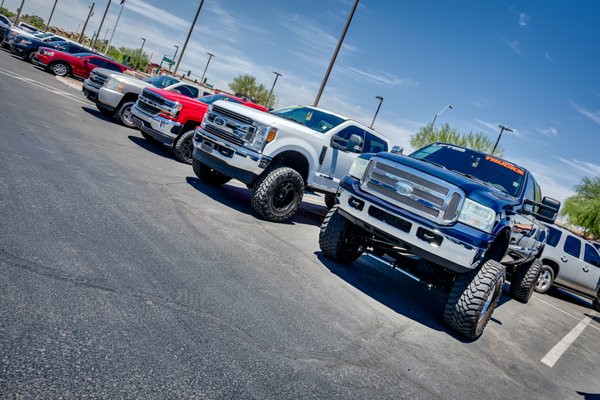
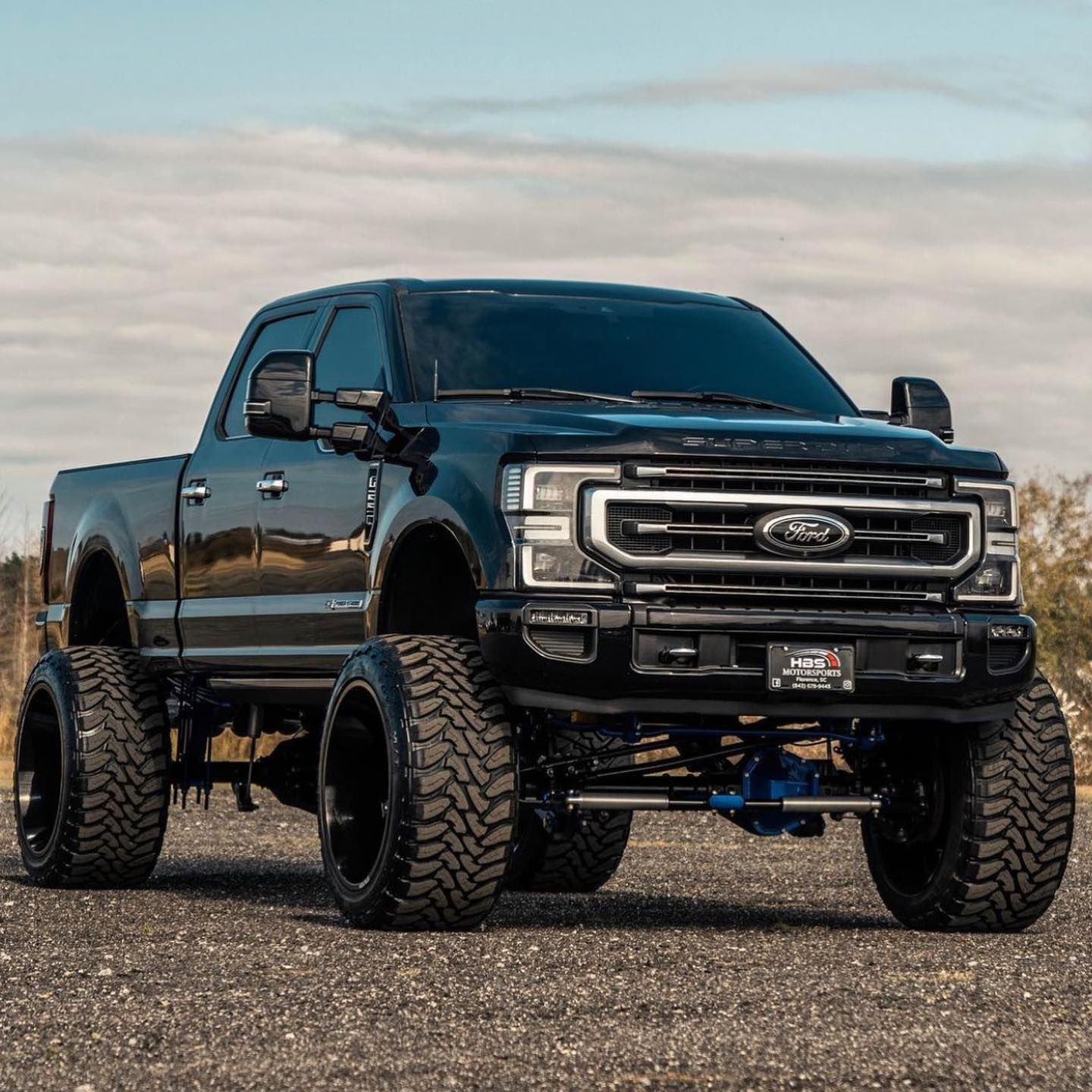
The roar of an engine, the imposing stance, the ability to conquer rugged terrain – for many, the allure of a lifted truck is undeniable. More than just a cosmetic upgrade, "best lifted trucks" represent a fusion of performance, utility, and undeniable style. But what exactly defines the "best" in this category? It’s a question with many answers, deeply rooted in individual purpose, budget, and desired capabilities. This comprehensive guide will navigate the world of elevated vehicles, helping you understand the nuances, benefits, and practical considerations involved in finding or building your ultimate lifted truck.
The Allure of the Elevated Ride
A lifted truck is essentially a vehicle whose suspension or body has been modified to increase its ground clearance and overall height. This modification typically allows for larger tires, improved off-road capability, and a more commanding view of the road. The popularity of lifted trucks stems from a blend of practical advantages and aesthetic appeal:
- Enhanced Off-Road Capability: Increased ground clearance allows trucks to traverse obstacles like rocks, logs, and deep ruts without damaging undercarriage components. Larger tires, often a companion to a lift, provide better traction and a larger contact patch for uneven surfaces.
- Improved Utility: For those who frequently drive on unpaved roads, construction sites, or simply need to clear tall snowdrifts, a lifted truck offers a practical advantage.
- Commanding Presence: There’s an undeniable cool factor to a lifted truck. Its imposing stature and aggressive stance turn heads and convey a sense of power and readiness for adventure.
- Personalization: Lifting a truck is a significant way to customize it, making it uniquely yours and reflecting your personal style and intended use.
However, the "best lifted truck" isn’t a one-size-fits-all concept. What’s best for extreme rock crawling might be impractical for daily commuting and towing. Understanding your primary purpose is the first step in making an informed decision.
Understanding Lift Kits: Types and Technologies
The foundation of any lifted truck is the lift kit itself. These kits come in various forms, each with distinct characteristics, costs, and performance implications.
-
Body Lifts:
- How it Works: These kits use spacers placed between the truck’s body and its frame, effectively raising the body without altering the suspension geometry.
- Pros: Relatively inexpensive, maintains factory ride quality, allows for slightly larger tires, easier to install than suspension lifts.
- Cons: Does not increase ground clearance at the axles (only at the frame), can create a gap between the frame and body, may require modifications to steering linkages or bumper mounts. Best for aesthetic changes or clearing slightly larger tires.
-
Suspension Lifts:
- How it Works: These kits replace or modify components of the truck’s suspension system, such as coil springs, leaf springs, shocks, control arms, and steering components, to increase height and suspension travel.
- Pros: Increases ground clearance at the axles, significantly improves off-road performance, allows for much larger tires, maintains or improves suspension articulation and ride quality (with quality kits).
- Cons: More expensive, complex installation, can alter handling characteristics, may require additional modifications like driveline adjustments or re-gearing.
Within suspension lifts, you’ll find further variations:
- Leveling Kits: These are typically small suspension lifts (1-2.5 inches) designed to raise the front of the truck to match the factory rear height, eliminating the "rake" often built into trucks for towing. They use coil spacers, longer shocks, or torsion bar keys.
- Full Suspension Lifts: These range from 3 inches to 12 inches or more, involving comprehensive replacements of suspension components. They are designed for significant off-road improvement and tire clearance.
- Long Travel Kits: For extreme off-roading, these highly specialized and expensive kits maximize suspension travel and articulation, often involving custom fabrication.
Choosing the right type depends heavily on your budget, desired lift height, and intended use.
Key Considerations When Choosing/Building the Best Lifted Truck
Before diving into specific models or kits, consider these crucial factors:
- Primary Purpose:
- Off-Roading: Prioritize suspension articulation, durable components, and tire size. Look for kits that improve shock absorption and control.
- Towing/Hauling: Be cautious with extreme lifts, as they can negatively impact towing stability. Airbags or heavy-duty springs might be necessary to maintain load capacity.
- Daily Driving/Show Truck: Aesthetics, comfortable ride quality, and manageable height are key.
- Budget: Beyond the lift kit itself, factor in installation costs, larger tires, new wheels, potential re-gearing, alignment, and long-term maintenance. Quality components upfront can save money in the long run.
- Truck Compatibility: Not all trucks are created equal when it comes to lifting. Research what lift heights and kits are well-regarded for your specific truck model to avoid compatibility issues or undue stress on components.
- Tire Size: The lift height dictates the maximum tire size. Larger tires improve ground clearance and traction but also impact speedometer accuracy, fuel economy, and potentially require re-gearing.
- Drivetrain & Gearing: Larger tires effectively change your truck’s final drive ratio, making it feel sluggish and impacting transmission performance and fuel economy. Re-gearing the differentials restores optimal power and efficiency. This is often a significant additional cost for lifts above 3-4 inches.
- Suspension Geometry: A good lift kit maintains proper suspension and steering geometry to ensure safe handling, prevent premature wear on components (like ball joints and CV joints), and allow for proper alignment. Poor geometry can lead to "death wobble" or unpredictable handling.
- Legalities: Research your local and state laws regarding maximum bumper height, headlight height, and overall vehicle height. Many areas have strict regulations.
- Professional Installation: While DIY is possible for some smaller lifts, professional installation by a reputable shop is highly recommended for safety, proper function, and to ensure all components are correctly aligned and torqued.
Top Contenders for "Best Lifted Trucks" (by Category)
While there isn’t one single "best lifted truck" product, certain truck models provide an excellent foundation for lifting, excelling in different roles:
- Best for Serious Off-Road Prowess:
- Toyota Tacoma TRD Pro/Regular Tacoma: Legendary reliability, excellent aftermarket support, and a compact size make it ideal for tight trails.
- Ford F-150 Raptor/Tremor (or Regular F-150): The Raptor and Tremor come with factory lifts and specialized suspension, but a standard F-150 also has vast aftermarket options for extreme builds.
- Ram 1500 Rebel/Power Wagon (or Regular Ram 1500): Ram offers impressive off-road packages, and its coil-spring rear suspension (on 1500s) often provides a smoother ride when lifted. The Power Wagon is a heavy-duty off-road beast.
- Jeep Gladiator: Combines Jeep’s legendary off-road capability with truck utility, making it a natural choice for lifting and adventure.
- Best for Towing/Hauling (with a moderate lift):
- Ford Super Duty (F-250, F-350): Designed for heavy work, these trucks can handle moderate lifts (2-4 inches) with appropriate suspension upgrades (like airbags) without compromising towing stability too much.
- Ram 2500/3500 HD: Similar to Ford, the Ram HD trucks are built for capacity and can be lifted moderately for improved looks and mild off-roading while retaining their workhorse capabilities.
- Chevy Silverado/GMC Sierra HD: Another strong contender in the heavy-duty segment, offering robust platforms for lifting.
- Important Note: Extreme lifts (6+ inches) on heavy-duty trucks are generally not recommended if serious towing is still a primary function, as they can significantly impact stability and safety.
- Best for Daily Driving & Style (balanced approach):
- Ford F-150 / Ram 1500 / Chevy Silverado 1500: The half-ton full-size trucks offer the best blend of comfort, capability, and a vast aftermarket for moderate (3-6 inch) lifts that look great and perform well without being overly cumbersome.
- Toyota Tundra: Known for its reliability and strong V8 engine, the Tundra is another excellent platform for a stylish and capable lifted daily driver.
- Mid-size Trucks (Chevy Colorado, Ford Ranger): If you want a lifted truck that’s easier to maneuver in urban environments, these provide a great option for a 2-4 inch lift with larger tires.
The "How-To" Guide: Building Your Best Lifted Truck
Building your ideal lifted truck is a process that requires careful planning and execution:
- Step 1: Define Your Purpose & Research: Be honest about how you’ll use the truck. This will guide every subsequent decision. Research reputable lift kit brands and their compatibility with your specific truck model. Read reviews and forum discussions.
- Step 2: Choose the Right Base Truck: Start with a truck known for its durability, aftermarket support, and suitability for lifting (e.g., solid frame, reliable drivetrain). Consider the condition of a used truck – a solid foundation is critical.
- Step 3: Select the Appropriate Lift Kit: Based on your purpose and budget, decide between a body lift, leveling kit, or full suspension lift. Opt for kits from established manufacturers known for quality components and good engineering.
- Step 4: Consider Supporting Modifications:
- Tires and Wheels: Choose tires appropriate for your use (e.g., all-terrain, mud-terrain) and wheels that offer the correct backspacing to prevent rubbing.
- Re-gearing: For lifts over 3-4 inches and larger tires, seriously consider re-gearing your differentials to restore power, improve transmission life, and maintain fuel efficiency.
- Driveline Components: Longer driveshafts or CV axle spacers might be needed for significant suspension lifts to prevent binding or premature wear.
- Brakes: Larger tires put more strain on brakes. Consider upgraded brake pads or rotors.
- Lighting: Ensure headlights are properly aimed after lifting. Auxiliary lights might be beneficial for off-roading.
- Step 5: Professional Installation (Highly Recommended): Unless you have significant automotive experience, specialized tools, and a proper workspace, have a certified shop install your lift kit. Incorrect installation can lead to dangerous handling, premature component wear, and costly damage.
- Step 6: Post-Installation Checks and Adjustments:
- Alignment: A professional alignment is absolutely critical after any suspension modification to ensure proper steering and tire wear.
- Speedometer Calibration: Larger tires will throw off your speedometer and odometer. Get it recalibrated.
- Test Drive: Drive the truck extensively to ensure everything feels right. Listen for unusual noises and check for any rubbing.
Maintaining Your Lifted Truck: Tips for Longevity
A lifted truck, especially one used off-road, requires diligent maintenance:
- Regular Inspections: Periodically check all suspension, steering, and driveline components for wear, damage, or loose bolts. Pay close attention to bushings, ball joints, tie rods, and CV boots.
- Alignment Checks: Get your alignment checked more frequently than a stock truck, especially after hard off-roading.
- Tire Rotation and Balance: Regular rotation helps ensure even tire wear, and balancing is crucial for smooth driving.
- Clean After Off-Roading: Wash off mud, dirt, and corrosive elements from undercarriage components, paying attention to exposed joints and moving parts.
- Lubrication: If your lift kit has greaseable fittings, ensure they are regularly lubricated.
- Understand Wear Patterns: Be aware that certain components (like ball joints, tie rods, and CV axles) may experience accelerated wear due to altered geometry and increased stress from larger tires.
Challenges and Solutions
Lifting a truck introduces some changes that require attention:
- Reduced Fuel Economy: Larger, heavier tires and increased aerodynamic drag are inevitable.
- Solution: Re-gearing helps mitigate the impact, and mindful driving habits (avoiding aggressive acceleration) can make a difference.
- Increased Wear on Components: Altered angles and larger rotating masses can stress parts.
- Solution: Invest in high-quality lift kits and supporting components. Regular maintenance and inspections are crucial for early detection of wear.
- Changes in Handling and Ride Quality: A higher center of gravity can affect stability, and some kits may make the ride stiffer.
- Solution: Choose a quality suspension lift with good shocks. Consider sway bar upgrades for improved on-road stability. Drive cautiously, especially around corners.
- Entry/Exit Difficulty: Getting in and out of a significantly lifted truck can be challenging for some.
- Solution: Install high-quality running boards or power-retracting steps. Add grab handles inside.
- Parking and Clearance Issues: Fitting into garages, drive-thrus, or low-clearance parking structures can become a problem.
- Solution: Be aware of your truck’s new height and dimensions. Utilize parking sensors and cameras.
Conclusion: Elevating Your Driving Experience
The pursuit of the "best lifted truck" is an exciting journey of customization and capability. Whether your dream involves conquering the toughest trails, making a bold statement on the street, or enhancing your truck’s utility, a well-planned and properly executed lift can transform your vehicle. By understanding the different types of lifts, considering crucial factors like purpose and budget, and committing to proper installation and maintenance, you can create a truly exceptional machine that elevates not just your truck, but your entire driving experience. The world is vast, and with the right lifted truck, you’ll be ready to explore it from a new perspective.
Table Price: Estimated Costs for Popular Lifted Truck Setups
Please Note: These prices are estimates only and can vary significantly based on brand, quality of components, geographic location, labor rates, and specific truck model. Additional costs for other modifications (e.g., bumpers, winches, lighting) are not included.
| Truck Model (Example) | Lift Type & Height | Estimated Lift Kit Price | Estimated Installation Cost | Estimated Additional Costs (Tires/Wheels/Re-gear) | Total Estimated Range | Key Considerations |
|---|