Ford Lifted Trucks for Sale: Your Ultimate Buyer’s Guide
Ford Lifted Trucks for Sale: Your Ultimate Buyer’s Guide
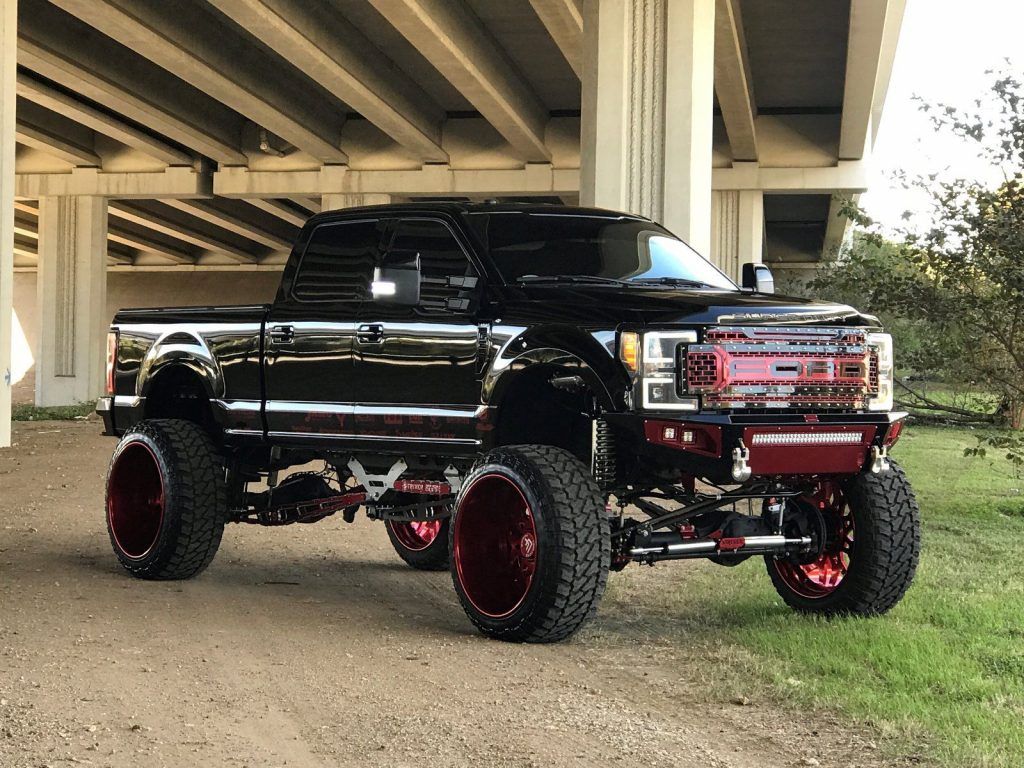
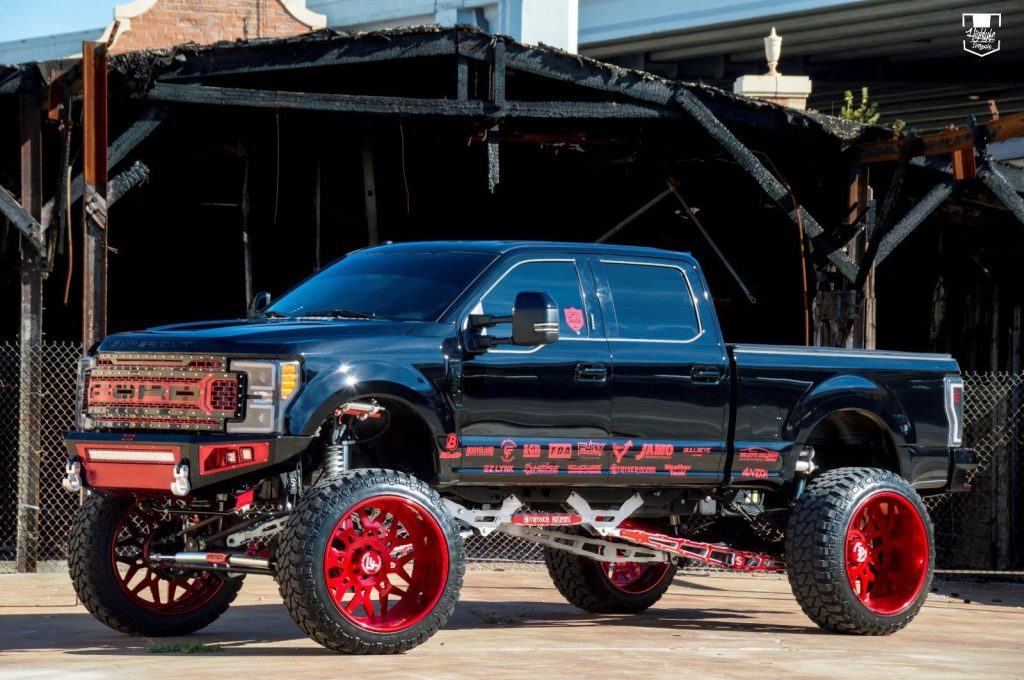
There’s an undeniable allure to a lifted Ford truck. More than just a vehicle, it’s a statement—a blend of rugged capability, commanding presence, and personalized style. From navigating challenging off-road trails to simply turning heads on city streets, a lifted Ford embodies power and freedom. If you’re in the market for a vehicle that stands tall above the rest, understanding the intricacies of "Ford lifted trucks for sale" is your first step towards making an informed and satisfying purchase. This comprehensive guide will delve into everything you need to know, transforming you from a curious browser into a confident buyer.
Why Choose a Lifted Ford Truck? The Appeal Unpacked
The decision to buy a lifted Ford truck goes beyond mere transportation; it’s about embracing a lifestyle. Here’s why these formidable machines capture the hearts of so many:
- Unrivaled Off-Road Performance: This is arguably the primary driver for many. A lifted suspension provides significantly increased ground clearance, allowing you to traverse rocky terrain, deep mud, and uneven landscapes without scraping the undercarriage. Larger tires, often a companion to a lift kit, offer superior traction and articulation, making challenging trails feel more manageable.
- Dominant Aesthetics and Road Presence: There’s no denying the head-turning appeal of a lifted truck. Its aggressive stance, elevated height, and robust tires create an imposing and powerful visual that commands respect on and off the road. It’s a vehicle that makes a statement without saying a word.
- Enhanced Utility and Visibility: While often associated with off-roading, the added height can also improve visibility in traffic, allowing you to see further down the road. For some, the ability to fit larger tires can also contribute to better traction for towing or hauling in certain conditions, though careful consideration of gearing and component stress is crucial.
- Personalization and Expression: Lifting a truck is a significant modification that allows owners to express their unique style and intended use. It opens up a world of aftermarket accessories, from custom wheels and lighting to performance upgrades, making each lifted truck a reflection of its owner.
Understanding Lift Kits: Types and Components
Before you buy, it’s essential to understand what makes a truck "lifted." There are two primary types of lift kits, each with different implications:
- Body Lifts: These kits raise the truck’s body from its frame using spacers. They are generally less expensive and don’t alter the suspension geometry, meaning ride quality and handling remain largely similar to stock. However, they don’t increase ground clearance for the differentials or axles, only the body itself. They also leave a visible gap between the frame and body if not properly addressed.
- Suspension Lifts: These are more comprehensive and involve modifying or replacing components of the truck’s suspension system. They directly increase ground clearance, improve wheel travel, and allow for much larger tires. Suspension lifts can range from modest leveling kits (which raise the front to match the rear) to extreme lifts of 6 inches or more.
- Components often replaced or added: Taller coil springs or leaf springs, longer shock absorbers, extended control arms, drop brackets for suspension components, new steering linkages, extended brake lines, and sometimes new driveshafts or slip yoke eliminators to correct driveline angles.
The quality of the lift kit and its installation are paramount. Reputable brands like BDS Suspension, Rough Country, Fabtech, and Rancho offer well-engineered kits designed to maintain proper vehicle geometry and safety.
Key Considerations When Buying a Lifted Ford Truck
Purchasing a lifted Ford truck, especially a pre-owned one, requires careful evaluation. Here are critical factors to consider:
- Purpose and Intended Use: Are you primarily off-roading, daily driving, towing, or seeking a show truck? Your primary use will dictate the appropriate lift size, tire type, and overall setup. An extreme lift might be thrilling off-road but impractical for daily commuting.
- Budget Beyond the Purchase Price: Lifted trucks often come with higher operating costs. Expect reduced fuel economy due to larger tires and increased aerodynamic drag. Maintenance can also be more expensive, as specialized tools or parts might be required.
- Quality of the Lift Kit and Installation: This is perhaps the most crucial factor for a used lifted truck. A poorly installed or cheap lift kit can lead to premature wear on components, poor handling, alignment issues, and even safety hazards. Look for signs of professional installation, reputable brand components, and proper alignment.
- Tire and Wheel Choice: The tires are as important as the lift. Consider tire size, tread pattern (all-terrain, mud-terrain), and wheel backspacing. Improper backspacing can cause rubbing and undue stress on suspension components.
- Drivetrain Compatibility: Significant lifts and larger tires can put stress on the drivetrain. Ensure that axle ratios have been appropriately changed (re-gearing) to compensate for larger tires, preventing power loss and transmission strain. Check for unusual vibrations, which could indicate driveline angle issues.
- Warranty Implications: Be aware that modifying a vehicle’s suspension can often void the manufacturer’s warranty on related components. If buying new with a dealer-installed lift, clarify what is covered.
- Legality and Safety: Check local and state laws regarding maximum vehicle height and tire protrusion. A significantly lifted truck will have a higher center of gravity, affecting handling, especially at speed or during emergency maneuvers. Always prioritize safety.
- Pre-Purchase Inspection (PPI): For any used lifted truck, a thorough PPI by an independent, qualified mechanic (preferably one experienced with lifted vehicles) is non-negotiable. They can identify potential issues that might be hidden or overlooked.
Where to Find Ford Lifted Trucks for Sale
The market for lifted Ford trucks is robust, offering several avenues for your search:
- Dealerships: Many Ford dealerships offer new trucks with factory-approved or dealer-installed lift kits. Used car dealerships, especially those specializing in trucks or custom vehicles, often have a selection of pre-lifted Fords.
- Specialized Custom Truck Shops: These businesses often build and sell custom lifted trucks, offering high-quality work and sometimes even their own warranties on modifications.
- Online Marketplaces: Websites like AutoTrader, CarGurus, eBay Motors, and local classifieds (Craigslist, Facebook Marketplace) are excellent resources. Use specific search terms like "Ford F-150 lifted," "Super Duty custom," or "lifted F-250" to narrow your results.
- Private Sellers: Buying from a private party can sometimes yield better prices, but it requires more due diligence regarding the vehicle’s history and the quality of the lift.
- Truck Enthusiast Forums and Clubs: These communities are great for finding well-maintained, pre-owned lifted trucks directly from owners who are passionate about their vehicles.
The Buying Process: A Step-by-Step Guide
- Define Your Needs and Budget: Be clear about your intended use and establish a realistic budget that includes the purchase price, insurance, and potential operating costs.
- Research and Shortlist: Use online resources to identify potential trucks that meet your criteria. Read reviews, compare specifications, and examine photos carefully.
- Thorough Inspection (Especially for Used Trucks):
- Exterior: Check for rust, body damage, uneven tire wear (a sign of alignment issues), and proper installation of the lift kit components. Look for signs of off-road abuse like scratched skid plates or bent tie rods.
- Underneath: Inspect the frame for cracks or bends. Examine the lift kit components: shocks, springs, control arms, steering linkages, and brake lines. Ensure all bolts are tight and there are no fluid leaks.
- Interior: Check for wear and tear, and ensure all electronics function.
- Engine & Drivetrain: Listen for unusual noises. Check fluid levels.
- Test Drive: Pay close attention to steering response, braking performance, and ride quality. Listen for clunks, squeaks, or vibrations that could indicate problems with the suspension or drivetrain. Drive at various speeds and on different road surfaces if possible.
- Ask Questions:
- Who installed the lift kit? (Professional shop vs. DIY)
- What brand is the lift kit?
- Has the truck been re-geared for the larger tires?
- What is the maintenance history?
- Why are they selling?
- Negotiate: Don’t be afraid to negotiate the price, especially if you’ve identified any areas requiring attention or repair.
- Finalize Purchase: Ensure all paperwork is in order, including title, registration, and any lien releases. Consider gap insurance for financed vehicles.
Maintaining Your Lifted Ford Truck
Proper maintenance is crucial for the longevity and safety of your lifted truck:
- Regular Inspections: Periodically check all suspension components for wear, damage, or looseness. This includes shocks, springs, bushings, control arms, and steering linkages.
- Lubrication: Many aftermarket suspension components have grease fittings that require regular lubrication.
- Tire Care: Rotate and balance your larger tires frequently to ensure even wear. Monitor tire pressure closely, as incorrect pressure can lead to poor handling and premature wear.
- Alignment Checks: Get regular wheel alignments, especially after off-road excursions, to prevent uneven tire wear and maintain proper handling.
- Cleaning: After off-roading, thoroughly clean the undercarriage to remove mud, dirt, and debris that can trap moisture and accelerate corrosion.
Potential Challenges and Solutions
While exhilarating, owning a lifted Ford truck can present unique challenges:
- Reduced Fuel Economy: Larger tires and increased aerodynamic drag inevitably lead to lower MPG.
- Solution: Consider re-gearing the axles to match tire size, which can restore some performance and efficiency. Drive conservatively.
- Increased Wear on Components: Driveline angles, ball joints, and universal joints can experience accelerated wear.
- Solution: Invest in high-quality lift kits that address geometry correctly. Regular inspections and preventative maintenance are key.
- Changes in Handling: A higher center of gravity can lead to more body roll and a less stable feel at high speeds.
- Solution: Drive cautiously, especially in turns. High-quality shocks and sway bar upgrades can help mitigate this.
- Parking and Accessibility: Fitting into garages, parking structures, and even some drive-thrus can become a challenge.
- Solution: Measure your truck’s height before buying and be mindful of your surroundings.
- Warranty Voiding: As mentioned, modifications can impact your manufacturer’s warranty.
- Solution: Clarify warranty terms with the dealer or consider an aftermarket warranty if available for modified vehicles.
Estimated Price Guide for Ford Lifted Trucks for Sale
Prices for lifted Ford trucks vary significantly based on the model, year, condition, quality of the lift kit, and additional modifications. The table below provides estimated price ranges for common scenarios. These are broad averages and should be used as a guide, not definitive pricing.
| Model | Year Range | Lift Type/Size | Condition/Modifications | Estimated Price Range (USD) |
|---|---|---|---|---|
| Ford F-150 | 2015-Present | 2-4" Level/Mild Lift | Used, well-maintained, basic lift | $30,000 – $55,000 |
| Ford F-150 | 2015-Present | 6"+ Suspension Lift | Used, professionally built, extensive mods | $40,000 – $75,000+ |
| Ford F-150 | New | Dealer/Shop Custom | Brand new, full custom lift & wheels | $60,000 – $100,000+ |
| Ford Super Duty | 2017-Present | 2-4" Level/Mild Lift | Used, good condition, basic lift | $45,000 – $75,000 |
| Ford Super Duty | 2017-Present | 6"+ Suspension Lift | Used, professionally built, extensive mods | $60,000 – $110,000+ |
| Ford Super Duty | New | Dealer/Shop Custom | Brand new, full custom lift & wheels | $80,000 – $150,000+ |
| Older Models | 2004-2014 | Varies | Used, 4-6" lift, good condition | $15,000 – $35,000 |
| Custom Builds | Any | Extreme Lifts | Highly customized, show quality | $75,000 – $200,000+ |
Note: These prices do not include taxes, title, or additional fees. "Extensive mods" can include upgraded wheels, tires, lighting, bumpers, performance tunes, and interior enhancements.
Frequently Asked Questions (FAQ)
Q: Is a lifted truck safe?
A: When professionally installed with quality components, a lifted truck can be safe. However, a higher center of gravity inherently changes handling characteristics, making it more prone to body roll and potentially increasing rollover risk if driven irresponsibly. Poorly installed lifts are unsafe.
Q: Does lifting a truck void the warranty?
A: Generally, yes, a lift kit can void the factory warranty on suspension, drivetrain, and related components if the manufacturer deems the modification caused a failure. Some dealerships offer "lift-friendly" packages that maintain a warranty, so always clarify this upfront.
Q: How much does it cost to lift a Ford truck?
A: The cost varies widely. A basic leveling kit might be $200-$600 (parts only), while a 4-6 inch suspension lift can range from $1,500 to $5,000+ for parts alone. Professional installation can add another $500 to $2,000 or more, depending on complexity.
Q: What are the best Ford trucks to lift?
A: The Ford F-150 and the Super Duty series (F-250, F-350) are the most popular choices due to their robust frames, powerful engines, and extensive aftermarket support. The Ranger is also a good option for a smaller, more nimble lifted truck.
Q: What are the pros and cons of a lifted truck?
A: Pros: Enhanced off-road capability, aggressive aesthetics, better visibility, personalization. Cons: Reduced fuel economy, higher initial and maintenance costs, altered handling, potential warranty issues, parking challenges.
Q: Do lifted trucks use more gas?
A: Yes, almost always. The larger, heavier tires and increased height (leading to more aerodynamic drag) require more power to move the vehicle, resulting in reduced fuel efficiency compared to a stock truck.
Conclusion: Elevate Your Driving Experience
The journey to finding your perfect Ford lifted truck for sale is an exciting one, filled with possibilities for adventure and personal expression. Whether you dream of conquering rugged trails or simply making a bold statement on the asphalt, a lifted Ford offers a unique and exhilarating driving experience. By understanding the types of lifts, diligently considering the key factors, and following a smart buying process, you can confidently navigate the market and find a truck that not only meets your needs but truly elevates your drive. Choose wisely, drive responsibly, and prepare to stand tall above the crowd.
For more information and a wide selection of Ford lifted trucks, you can explore reputable automotive marketplaces here.