Air Bags for Lifted Trucks: The Ultimate Guide to Enhanced Performance and Ride Comfort
Air Bags for Lifted Trucks: The Ultimate Guide to Enhanced Performance and Ride Comfort
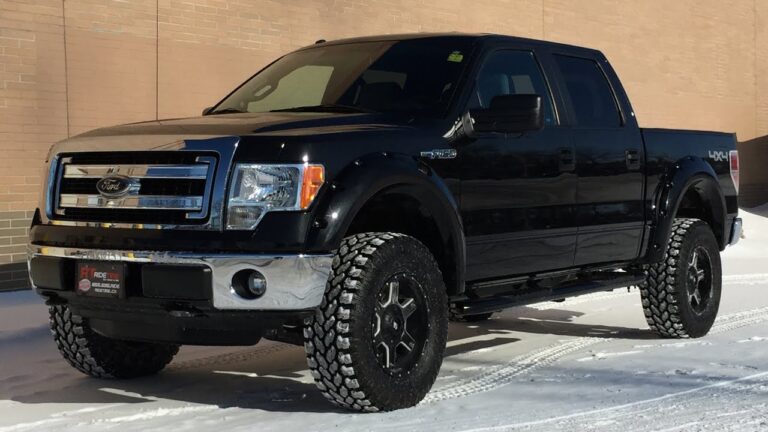
For truck enthusiasts, a lifted truck isn’t just a vehicle; it’s a statement, an expression of capability, and often, a tool for serious work or adventurous play. While a lift kit provides increased ground clearance and an aggressive stance, it can also introduce new challenges, particularly when it comes to carrying heavy loads, towing, or maintaining optimal ride quality. This is where air bags for lifted trucks come into play, offering a sophisticated and highly effective solution to these common issues. Far more than just an accessory, air bags are a critical upgrade that can transform your lifted truck’s performance, stability, and overall driving experience. In this comprehensive guide, we’ll explore everything you need to know about integrating air bags into your lifted truck’s suspension system, ensuring it performs at its peak, no matter the demand.
Why Lifted Trucks Need Air Bags: Addressing the Unique Challenges
Lifted trucks, by their very nature, modify the original suspension geometry. While standard leaf springs or coil springs might suffice for daily driving with an empty bed, adding significant weight from a heavy trailer, a camper shell, tools, or even a full load of gear for an overland trip can quickly overwhelm the stock or even aftermarket lifted suspension. This often leads to several undesirable consequences:
- Rear-End Sag: The most immediate and visible problem. A sagging rear end not only looks bad but also negatively impacts steering, braking, and headlight aiming.
- Reduced Stability and Handling: A truck that sags under load loses its balanced center of gravity, leading to increased body roll, sway, and a general feeling of instability, especially at highway speeds or around corners.
- Compromised Ride Quality: Overloaded springs can lead to a harsh, jarring ride, with bottoming out becoming a frequent occurrence over bumps.
- Uneven Tire Wear: Misaligned suspension due to sag can cause premature and uneven wear on your tires.
- Stress on Suspension Components: Continuously overloading your springs can lead to fatigue, cracking, and premature failure of shocks, springs, and other suspension parts.
Air bags for lifted trucks provide a dynamic solution to these problems. Unlike static springs, air bags are adjustable, allowing you to fine-tune your suspension’s support precisely when and where you need it. They work in conjunction with your existing springs, bolstering their capacity and ensuring your truck maintains a level stance and optimal performance under any load.
The Core Benefits of Air Bags for Lifted Trucks
Integrating air bags into your lifted truck’s suspension offers a multitude of advantages that go beyond mere load support:
1. Superior Load Leveling and Sag Prevention
This is the primary benefit. With air bags, you can inflate them to the desired pressure to counteract the weight of your cargo or trailer tongue, keeping your truck level. This restores proper steering geometry, ensures even tire contact, and prevents your headlights from blinding oncoming traffic. For lifted trucks, maintaining that level stance is crucial for preserving the aesthetic and functional integrity of the lift.
2. Dramatically Improved Ride Quality
When your truck is unloaded, air bags can be deflated to a minimum pressure, allowing your existing suspension to work as designed, often resulting in a softer, more comfortable ride than overloaded springs would provide. When loaded, you can inflate the bags to provide firm, controlled support, eliminating the harsh bottoming out feeling and smoothing out the ride significantly. This adjustability is a game-changer for daily driving and heavy-duty use alike.
3. Enhanced Stability and Handling
By providing adjustable support, air bags reduce body roll and sway, particularly when cornering or driving in crosswinds. This results in a more stable and predictable driving experience, boosting driver confidence and safety. For a lifted truck, which already has a higher center of gravity, this added stability is invaluable.
4. Increased Safety and Control
A level truck handles better, brakes more effectively, and has properly aimed headlights. By preventing sag, air bags contribute directly to a safer driving environment for you and others on the road. Reduced sway also makes towing heavy trailers significantly safer and less fatiguing.
5. Protection for Your Suspension
By distributing the load more effectively and preventing your existing springs from being constantly overstressed, air bags for lifted trucks can extend the lifespan of your leaf springs, shocks, and other suspension components, saving you money on costly repairs down the line.
Types of Air Bag Systems for Lifted Trucks
When considering air bags for lifted trucks, it’s important to understand the different types of systems available, each offering varying levels of functionality and complexity:
1. Helper Air Bags (Load Leveling Kits)
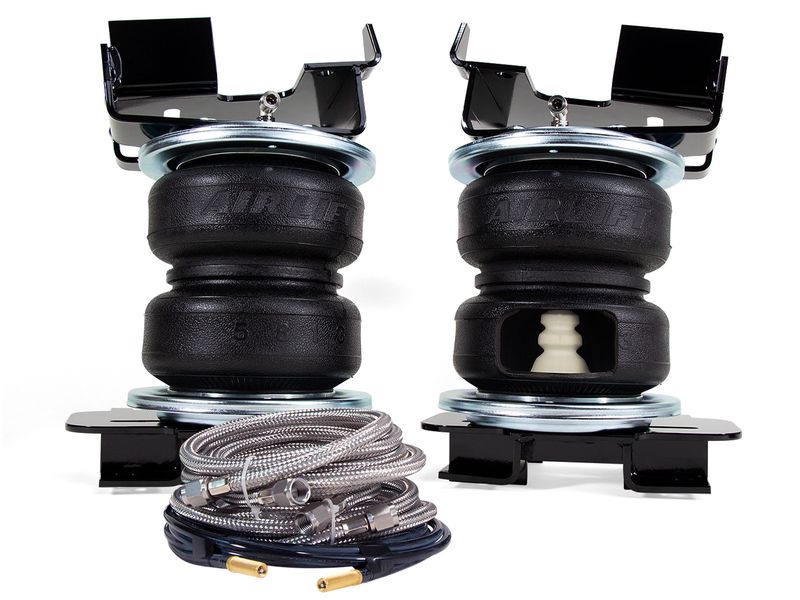
These are the most common and popular type. Helper air bags work in conjunction with your existing leaf springs, typically installing between the truck’s frame and the axle/leaf spring assembly. They are designed to provide supplemental support when needed and are available in specific configurations to accommodate various lift heights. Key features include:
- Easy Integration: Often bolt-on installations.
- Adjustable Pressure: Manually or with an on-board air system.
- Lift-Specific Brackets: Many manufacturers offer kits with longer brackets or spacers to compensate for lifted suspension, ensuring proper fitment and travel.
2. On-Board Air Compressor Systems
While helper air bags can be manually inflated at a gas station or with a portable compressor, an on-board air system offers unparalleled convenience and control.
- Manual On-Board Systems: Include a compressor, air tank (optional), air lines, and typically a gauge and inflation valves mounted in the cab. You control the pressure manually.
- Automatic Leveling Systems: These advanced systems use sensors to detect the truck’s height and automatically inflate or deflate the air bags to maintain a preset ride height, regardless of load changes.
- Single Path vs. Dual Path: Single path systems inflate both air bags equally, while dual path systems allow independent inflation of each air bag. Dual path is ideal for uneven loads (e.g., a toolbox on one side) or for optimizing stability during cornering.
3. Full Air Suspension Systems
These are the most comprehensive and expensive options. Full air suspension replaces your truck’s traditional springs (leaf or coil) entirely with air bags. This provides the ultimate in ride quality, adjustability, and often includes features like self-leveling, adjustable ride height (for show or clearance), and advanced electronic controls. While offering superior performance, they are significantly more complex to install and maintain, and generally more suited for custom builds or specific high-performance applications rather than just load leveling on a daily driver lifted truck.
Choosing the Right Air Bags for Your Lifted Truck
Selecting the ideal air bags for lifted trucks requires careful consideration of several factors:
- Truck Specifics: Always start with your truck’s year, make, model, and whether it’s 2WD or 4WD. This ensures compatibility.
- Lift Height and Type: This is paramount for lifted trucks. You’ll need a kit specifically designed to work with your lift. Whether you have a block lift, an add-a-leaf, a shackle lift, or a full spring replacement, the air bag kit must accommodate the increased distance between the frame and axle, often requiring extended brackets or spacers.
- Intended Use: How often do you tow or haul? How heavy are your loads? Do you frequently go off-roading? If you’re consistently at max capacity, a heavy-duty system is warranted. If it’s occasional light use, a basic helper kit might suffice.
- Weight Capacity: Ensure the air bag kit’s advertised capacity meets or exceeds your anticipated maximum load (including tongue weight for towing).
- Desired Control: Do you want manual inflation, or the convenience of an on-board compressor? Do you need independent left/right control (dual path)?
- Brand Reputation: Stick with reputable manufacturers like Air Lift, Firestone, Hellwig, and Ride-Rite, known for quality and reliability.
- Budget: Air bag systems range widely in price, from basic helper kits to full air suspension. Determine what features are essential for your needs and budget accordingly.
Installation and Maintenance Tips for Air Bags on Lifted Trucks
While many helper air bag kits are designed for DIY installation, especially for those comfortable working on their truck, some aspects are specific to lifted applications:
Installation Overview:
- Read Instructions Thoroughly: Every kit is different. Understand the specific steps for your truck and lift.
- Clearance Check: With a lifted truck, ensure there’s adequate clearance for the air bags and brackets, especially during full suspension articulation (e.g., off-roading).
- Lift-Specific Brackets: Ensure you have the correct extended brackets or spacers to compensate for your lift height. Without them, the air bags may be too short or bind.
- Air Line Routing: Route air lines carefully, away from sharp edges, exhaust components, and moving parts. Use zip ties and protective loom where necessary. For lifted trucks, you’ll need longer air lines, so plan accordingly.
- Leak Testing: After installation, inflate the bags and use a soapy water solution to check all connections for leaks.
Maintenance Tips:
- Regular Pressure Checks: Check air pressure periodically, especially before towing or hauling.
- Minimum Pressure: Always maintain the manufacturer’s recommended minimum air pressure (e.g., 5-10 PSI) even when unloaded, to prevent the bags from chafing or being damaged.
- Inspect for Damage: Regularly check the air bags, lines, and fittings for any signs of wear, cracks, punctures, or leaks.
- Cleanliness: Keep the air bags and surrounding components free of excessive dirt and debris, which can cause premature wear.
- Compressor Maintenance (if applicable): If you have an on-board compressor, check its air filter and ensure it’s free from moisture or debris.
Potential Challenges and Solutions
Even with the best systems, unique challenges can arise when installing air bags for lifted trucks:
- Clearance Issues: Lifted trucks, especially those with aggressive articulation, might experience interference between the air bags/brackets and other suspension components or even tires.
- Solution: Consider relocation brackets, smaller diameter bags (if available for your application), or adjusting your bump stops to limit extreme articulation. Careful planning during kit selection is key.
- Air Line Damage: Off-roading can expose air lines to sharp rocks, branches, or flying debris.
- Solution: Use heavy-duty, braided air lines, route them through frame rails or protected areas, and use protective loom. Carry a repair kit.
- Compressor Malfunctions: On-board compressors can fail due to water ingress, dust, or electrical issues.
- Solution: Mount the compressor in a protected location (e.g., under the bed, in a toolbox), ensure it’s rated for the environment, and regularly check electrical connections.
- Cost: Quality air bag systems can be a significant investment.
- Solution: Consider a phased approach – start with helper bags and add an on-board compressor later. DIY installation can save on labor costs.
Price Table: Complete Information for Air Bags for Lifted Trucks
Here’s an overview of typical air bag systems for lifted trucks, including estimated price ranges and key features. Prices can vary significantly based on brand, specific truck model, and additional accessories.
| Type of Air Bag System | Components Included | Key Features | Estimated Price Range (USD) |
|---|---|---|---|
| Basic Helper Air Bag Kit (Manual Fill) | Air bags, lift-specific brackets, air lines, Schrader valves (manual fill) | Entry-level load leveling, sag prevention, works with existing suspension. Requires external air source for inflation. | $250 – $500 |
| Heavy-Duty Helper Air Bag Kit (Manual Fill) for Lifted Trucks | Heavy-duty air bags, robust lift-specific brackets, longer air lines, heavy-duty Schrader valves | Enhanced weight capacity, greater durability, specifically designed to accommodate increased frame-to-axle distance of lifted trucks. | $400 – $800 |
| On-Board Air System (Single Path) | HD Helper Kit + Air compressor, air tank (optional), in-cab gauge, single inflation point, wiring harness | Convenient inflation/deflation from cab. Both bags inflate/deflate equally, providing consistent leveling. | $800 – $1,500 |
| On-Board Air System (Dual Path) | HD Helper Kit + Air compressor, air tank, dual in-cab gauges, independent left/right control valves, wiring harness | Ultimate adjustability for uneven loads (e.g., side-to-side sag), precise leveling, improved cornering stability. | $1,200 – $2,500 |
| Full Air Suspension System | Replaces coil/leaf springs with air bags, dedicated air compressor, air tank, height sensors, electronic controller, wiring | Superior ride quality, ultimate adjustability, ability to raise/lower truck on demand, often self-leveling. More complex and costly. | $3,000 – $10,000+ |
Note: Prices are estimates and do not include installation labor if professionally installed. Always verify compatibility with your specific lifted truck model and lift kit.
Frequently Asked Questions (FAQ) About Air Bags for Lifted Trucks
Q: Do air bags affect my lift height when unloaded?
A: No, when properly installed and maintained at their minimum recommended pressure (e.g., 5-10 PSI), air bags for lifted trucks are designed to work with your existing suspension without increasing your static lift height. They only provide additional lift when inflated to support a load.
Q: Can I go off-roading with air bags?
A: Yes, many air bag systems are robust enough for off-road use. However, it’s crucial to ensure proper air line routing and protection, and to check for sufficient clearance between the bags and other suspension components during full articulation. Some extreme off-roaders may prefer specific bag designs or full air suspension for maximum travel.
Q: Are air bags difficult to install on a lifted truck?
A: Basic helper air bag kits can often be installed by a competent DIY mechanic. However, for lifted trucks, ensuring proper fitment with extended brackets and correct air line routing is crucial. On-board air compressor systems add electrical wiring and more complex plumbing. If you’re unsure, professional installation is recommended.
Q: How much air pressure should I run in my air bags?
A: Always follow the manufacturer’s recommendations. There will be a minimum pressure (e.g., 5-10 PSI) to prevent damage, and a maximum pressure (e.g., 100 PSI). The ideal pressure when loaded will depend on the weight and desired ride height, often found through trial and error within the recommended range.
Q: Will air bags make my ride too stiff?
A: Not if used correctly. When unloaded, you run minimum pressure for a comfortable ride. When loaded, you inflate them just enough to level the truck. Over-inflating them will indeed make the ride stiff, so it’s about finding the "sweet spot" for each load. The adjustability is one of their main advantages.
Conclusion
For owners of lifted trucks, the quest for optimal performance, stability, and ride comfort often leads to one indispensable upgrade: air bags for lifted trucks. These systems are far more than a simple add-on; they are a sophisticated enhancement that addresses the inherent challenges of modified suspension, especially when towing or hauling. By providing adjustable load support, air bags prevent sag, improve handling, increase safety, and protect your valuable suspension components.
Whether you opt for a basic helper kit to manually level your load or a comprehensive on-board air system for ultimate convenience and control, investing in the right air bag solution will transform your lifted truck into a more capable, comfortable, and confident vehicle. Don’t let your lifted truck’s potential be limited by sag and instability; unlock its full capability with the strategic integration of air bags, ensuring every journey is smooth, stable, and safe.
For further information and to explore specific products tailored to your lifted truck, you can visit a reputable online retailer specializing in truck suspension upgrades: