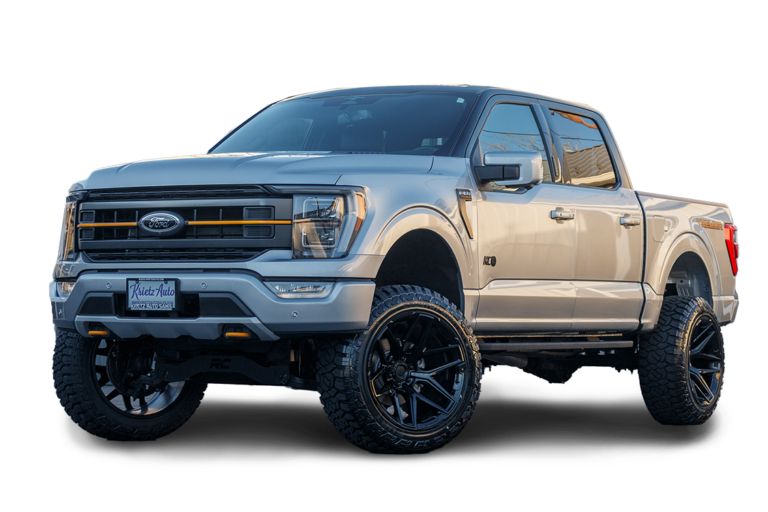
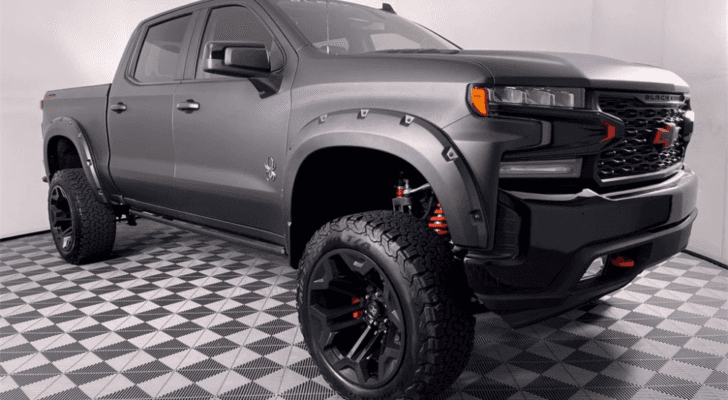
Custom Lifted Trucks For Sale: Your Ultimate Guide to Finding and Owning the Perfect Beast
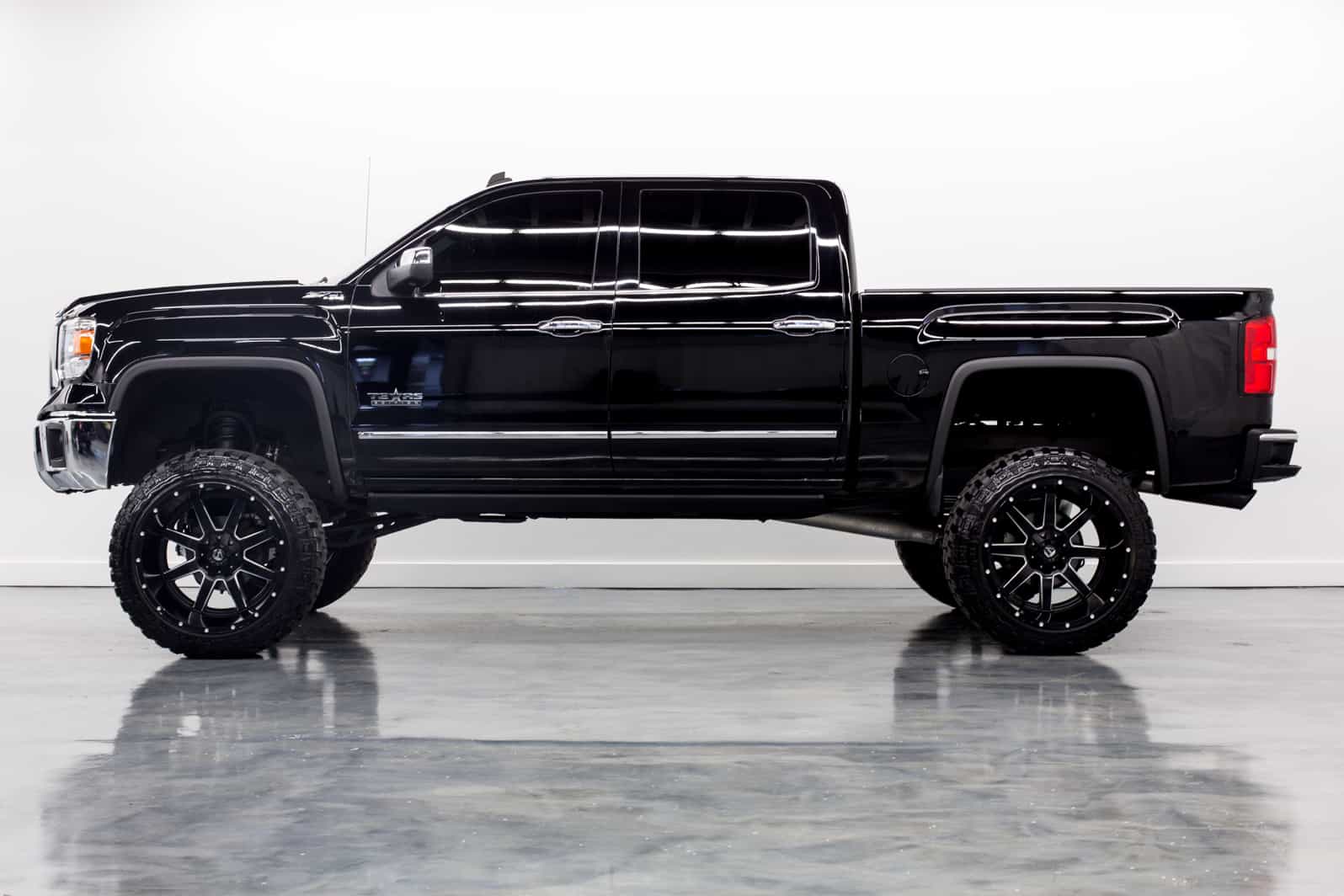
Custom Lifted Trucks For Sale: Your Ultimate Guide to Finding and Owning the Perfect Beast
The roar of an engine, the imposing stance, the ability to conquer any terrain – for many, the allure of a custom lifted truck is undeniable. More than just a vehicle, a custom lifted truck is a statement, a lifestyle, and a testament to personalization and capability. These aren’t just trucks; they are meticulously modified machines designed for enhanced performance, formidable aesthetics, and unparalleled utility, making the hunt for custom lifted trucks for sale an exciting journey for enthusiasts and practical owners alike.
Whether you’re an off-road adventurer seeking superior ground clearance, a truck enthusiast yearning for a unique presence on the asphalt, or someone who simply appreciates the robust functionality of a highly capable vehicle, understanding the world of custom lifted trucks is paramount. This comprehensive guide will navigate you through everything you need to know, from defining what makes a truck "custom lifted" to the practicalities of purchasing, owning, and maintaining these magnificent machines.
What Makes a Truck "Custom Lifted"?
At its core, a "custom lifted truck" is a standard pickup truck that has undergone modifications to raise its body or suspension, increasing its ground clearance. This process typically involves installing a "lift kit," which can be broadly categorized into two main types:
- Suspension Lifts: These are the most common and comprehensive lifts, involving the replacement or modification of components like springs, shocks, control arms, and leaf springs to raise the entire chassis. Suspension lifts provide genuine ground clearance benefits and allow for significantly larger tires, enhancing off-road capability.
- Body Lifts: These kits use spacers to raise the truck’s body from its frame, without altering the suspension geometry. While they allow for slightly larger tires and create a lifted appearance, they don’t improve ground clearance at the differentials and can sometimes leave a gap between the frame and body.
Beyond the lift itself, "custom" implies a range of additional modifications. These often include:
- Larger Wheels and Tires: Essential for filling out the new wheel wells and providing enhanced traction and off-road performance.
- Aftermarket Bumpers and Grilles: For improved aesthetics, protection, and often to accommodate winches or additional lighting.
- Performance Upgrades: Engine tunes, exhaust systems, cold air intakes to boost horsepower and torque, sometimes necessary to compensate for the added weight and larger tires.
- Fender Flares: To cover the wider stance of larger tires and protect the paint from debris.
- Lighting: LED light bars, auxiliary lights for improved visibility during off-road excursions or simply for a distinctive look.
The combination of these modifications transforms a stock truck into a personalized powerhouse, ready for adventure or simply turning heads on the highway.
The Benefits of Owning a Custom Lifted Truck
The appeal of custom lifted trucks for sale extends beyond mere aesthetics. There are tangible advantages that drive their popularity:
- Enhanced Off-Road Capability: This is arguably the primary benefit. Increased ground clearance allows the truck to navigate over obstacles like rocks, logs, and deep ruts without scraping the undercarriage. Larger tires provide better traction and flotation in mud, sand, and snow, while improved approach and departure angles prevent bumpers from dragging.
- Commanding Road Presence: A lifted truck simply stands out. Its elevated height and aggressive stance convey power and confidence, making a strong visual statement on any road.
- Increased Utility and Visibility: The higher vantage point offers improved visibility of the road ahead, traffic, and surroundings. For those who frequently tow or haul, the added ground clearance can be beneficial, though extreme lifts might affect towing stability if not properly engineered.
- Personalization and Expression: A custom lifted truck is an extension of its owner’s personality. It allows for a unique build that reflects individual tastes, whether it’s for extreme off-roading, show-stopping aesthetics, or a blend of both.
Navigating the Market: Where to Find Custom Lifted Trucks For Sale
The search for the perfect custom lifted truck can take you through various channels, each with its own advantages and considerations:
- Specialty Dealerships: Many dealerships specialize in custom vehicles, often selling new trucks that have been lifted and modified in-house, or high-quality used custom builds.
- Pros: Often come with some form of warranty (dealer or aftermarket), financing options, and pre-inspected vehicles.
- Cons: Generally higher prices due to dealer markups and professional modifications.
- Franchise Dealerships: Mainstream dealerships (Ford, Ram, Chevy, Toyota) sometimes have custom lifted trucks in their inventory, either trade-ins or models modified by local shops.
- Pros: Reputable brands, often good financing.
- Cons: Limited selection of truly custom builds.
- Private Sellers (Online Marketplaces): Websites like Craigslist, Facebook Marketplace, and dedicated truck forums are teeming with private sellers.
- Pros: Often more negotiable prices, unique builds, direct communication with the previous owner.
- Cons: No warranty, "as-is" sales, requires extensive due diligence on the buyer’s part.
- Custom Builders/Shops: Some shops specialize in building custom trucks from the ground up, or modifying new trucks to a customer’s specifications. While you might not find "for sale" listings in the traditional sense, they can build your dream truck.
- Pros: Bespoke, highest quality, professional installation.
- Cons: Highest cost, long lead times.
- Online Aggregators and Dedicated Sites: Platforms like AutoTrader, Cars.com, eBay Motors, and specific websites dedicated to custom lifted trucks for sale (e.g., LiftedTrucksForSale.com – note: this is a placeholder URL for demonstration, a real link would go here if one existed) are excellent resources for browsing a wide selection across various sellers. These sites allow you to filter by make, model, lift size, and price.
Key Considerations When Buying a Custom Lifted Truck
Purchasing a custom lifted truck requires a more discerning eye than buying a stock vehicle. Here’s what to keep in mind:
- Budget Beyond the Purchase Price: Factor in higher insurance premiums, increased fuel consumption (due to larger tires and aerodynamic changes), and potentially higher maintenance costs for specialized components.
- Intended Use: Are you primarily off-roading, daily driving, or showing it off? Your intended use will dictate the ideal lift height, tire size, and type of modifications needed. An extreme lift might be great for trails but cumbersome for city driving.
- Quality of the Lift Kit and Installation: This is paramount for safety and longevity. Research reputable lift kit brands (e.g., BDS Suspension, Rough Country, Fabtech, Zone Offroad). Ensure the installation was performed by a certified professional. Poor installation can lead to dangerous handling issues, premature wear on components, and costly repairs.
- Vehicle History Report: Obtain a CarFax or AutoCheck report to check for accidents, flood damage, salvage titles, and consistent maintenance records. Pay close attention to any incidents that might have affected the chassis or suspension.
- Test Drive: During the test drive, pay attention to steering feel, braking performance (larger tires can increase stopping distances), any unusual noises (clunks, squeaks), vibrations at different speeds, and overall ride comfort. Lifted trucks will ride differently than stock, but excessive harshness or instability is a red flag.
- Pre-Purchase Inspection (PPI): Never skip this step, especially with a custom vehicle. Have an independent, trusted mechanic (ideally one familiar with lifted vehicles) thoroughly inspect the truck. They should focus on the suspension components, steering, drivetrain (U-joints, CV axles), brakes, and tire wear patterns.
- Legality and Regulations: Lift laws vary significantly by state and even county. Research local regulations regarding maximum lift height, tire protrusion, fender flare requirements, and bumper height before you buy. Ignorance of the law is not an excuse and can lead to fines or impoundment.
Types and Categories of Custom Lifted Trucks
While customization means endless variations, most custom lifted trucks for sale fall into general categories:
- Mild Lifts (Leveling Kits to 3 inches): Often involve leveling kits (raising the front to match the rear) or small suspension lifts. These are primarily for aesthetics, accommodating slightly larger tires, and minor off-road improvements. They retain much of the factory ride quality.
- Moderate Lifts (3 to 6 inches): This is a popular range, offering a good balance between significant off-road capability and everyday usability. They allow for substantial tire sizes (e.g., 35-37 inches) and provide a commanding presence without being overly cumbersome.
- Extreme Lifts (6+ inches): These are for serious off-road enthusiasts or show trucks. They require extensive modifications beyond just the lift kit, often involving heavy-duty axles, custom driveshafts, and re-gearing. They offer maximum ground clearance but significantly alter handling and can be challenging for daily driving.
- Specific Models: Certain truck models are more popular for customization due to their robust platforms and aftermarket support. These include:
- Ford F-Series (F-150, F-250, F-350)
- Ram 1500, 2500, 3500
- Chevrolet Silverado / GMC Sierra 1500, 2500, 3500
- Toyota Tacoma / Tundra
Tips for a Smooth Purchase
- Do Your Homework: Research specific lift kits, common issues with the truck model, and average pricing.
- Ask Incisive Questions: Inquire about the brand of the lift kit, who installed it, when it was installed, whether the truck has been re-geared, and what other modifications have been made.
- Negotiate Wisely: Be prepared to negotiate, but understand that quality custom work adds significant value. Don’t lowball on a well-maintained, professionally built truck.
- Document Everything: Keep records of all conversations, inspections, and purchase agreements.
- Consider Post-Purchase Costs: Immediately after buying, you might want to get a fresh alignment, a fluid check, and potentially update some wear-and-tear items.
Potential Challenges and Solutions
- Warranty Issues: Aftermarket modifications can void portions of a factory warranty.
- Solution: Be aware of this before buying. Some specialty dealerships offer their own warranties, or you might consider an extended aftermarket warranty that covers modified components.
- Increased Operating Costs: Higher fuel consumption, more expensive tires, and potentially specialized parts.
- Solution: Factor these into your budget from the outset. Consider a diesel engine for better torque and potentially better mileage (though initial cost is higher).
- Handling and Safety: A higher center of gravity can affect stability, especially at speed or during evasive maneuvers.
- Solution: Invest in high-quality lift components, ensure professional installation and alignment, and drive cautiously, understanding the truck’s new dynamics.
- Resale Value: Highly customized trucks can appeal to a niche market, potentially making them harder to sell to the general public.
- Solution: Keep original parts if possible, document all modifications, and maintain the truck meticulously to justify its value.
Table Price: Estimated Pricing for Custom Lifted Trucks For Sale
The price of custom lifted trucks for sale can vary dramatically based on the base truck’s year, mileage, condition, the extent and quality of modifications, and the region. The table below offers estimated price ranges for different categories of custom lifted trucks.
| Truck Type/Base Model (Example) | Lift Size/Type | Customization Level | Estimated Price Range (USD) | Notes |
|---|---|---|---|---|
| Ford F-150 / Ram 1500 / Chevy 1500 | Leveling Kit / 2-3 inch | Mild | $30,000 – $50,000 | Newer used truck with basic lift, larger tires, possibly minor aesthetic mods. |
| Ford F-150 / Ram 1500 / Chevy 1500 | 4-6 inch Suspension Lift | Moderate | $45,000 – $75,000 | Newer used truck with quality lift, 35-37" tires, aftermarket wheels, maybe bumpers/lighting. |
| Ford F-250/350 / Ram 2500/350 / Chevy 2500/350 | 4-6 inch Suspension Lift | Moderate | $60,000 – $100,000 | Heavy-duty truck with quality lift, larger tires, potentially performance mods, higher towing capacity. |
| Toyota Tacoma / Tundra | 2-4 inch Suspension Lift | Mild to Moderate | $35,000 – $65,000 | Popular for off-roading, good resale, often with quality suspension upgrades (e.g., Fox, King). |
| Any Full-Size Truck | 6+ inch Extreme Suspension | Extensive | $70,000 – $150,000+ | Highly customized, new or nearly new base truck, extensive modifications (engine, axles, interior, paint). |
Note: These prices are highly generalized estimates for a truck that is a few years old (e.g., 2018-2023 models) with a clean title. Prices can be significantly lower for older models or higher for brand-new trucks with extensive custom work.
Frequently Asked Questions (FAQ) About Custom Lifted Trucks For Sale
Q: Are custom lifted trucks legal everywhere?
A: No. Lift laws vary significantly by state and even local municipality. These laws typically regulate maximum bumper height, headlight height, and overall vehicle height. Always check your local Department of Motor Vehicles (DMV) or equivalent agency for specific regulations before purchasing or modifying a truck.
Q: Do lifted trucks affect fuel economy?
A: Yes, generally. Lifting a truck, especially when combined with larger, heavier tires, increases aerodynamic drag and rolling resistance. This almost always results in a noticeable decrease in fuel efficiency. Re-gearing the differentials can sometimes mitigate this to a degree, but an impact on MPG is expected.
Q: How does lifting a truck affect its warranty?
A: Installing aftermarket components, including lift kits, can potentially void portions of your factory warranty, particularly those related to the suspension, drivetrain, and steering components. Some reputable lift kit manufacturers offer their own limited warranties, and some dealerships may honor warranties if they performed the modifications themselves. Always clarify warranty implications before purchase.
Q: What’s the difference between a body lift and a suspension lift?
A: A body lift raises the truck’s body off its frame using spacers, providing clearance for larger tires but not increasing ground clearance at the axles. A suspension lift modifies or replaces suspension components (springs, shocks, control arms) to raise the entire chassis, increasing ground clearance and allowing for larger tires, significantly improving off-road capability.
Q: Should I buy a new or used custom lifted truck?
A: Both have pros and cons. A new custom lifted truck often comes with a dealer warranty (if modified by the dealer) and the latest features but at a premium price. A used custom lifted truck offers better value and a wider variety of unique builds but requires more thorough inspection and carries higher risk due to potential unknown modification quality. For many, the value found in a well-inspected used truck makes it the preferred option.
Q: How much does a custom lifted truck cost to maintain?
A: Maintenance costs can be higher than a stock truck. Larger tires are more expensive to replace, and specialized suspension components may require specific maintenance or replacement parts. Fuel costs will also be higher. Regular inspections of suspension components, alignments, and tire rotations are crucial.
Conclusion
The journey to finding and owning the perfect custom lifted truck is one filled with excitement and discovery. These formidable vehicles offer a unique blend of enhanced capability, striking aesthetics, and personalized expression that resonates deeply with their owners. However, the path to ownership demands careful consideration, thorough research, and a keen eye for quality and safety.
By understanding the various types of modifications, the benefits they offer, the nuances of the market, and the critical considerations for purchase, you can navigate the world of custom lifted trucks for sale with confidence. Prioritize a comprehensive pre-purchase inspection, understand your local laws, and always factor in the long-term costs of ownership. With diligence and passion, you’ll not only find a truck that turns heads but also a reliable and capable companion ready to tackle any adventure you throw its way. The open road, or the rugged trail, awaits.