Are Lifted Trucks Legal in Ontario?
Are Lifted Trucks Legal in Ontario?
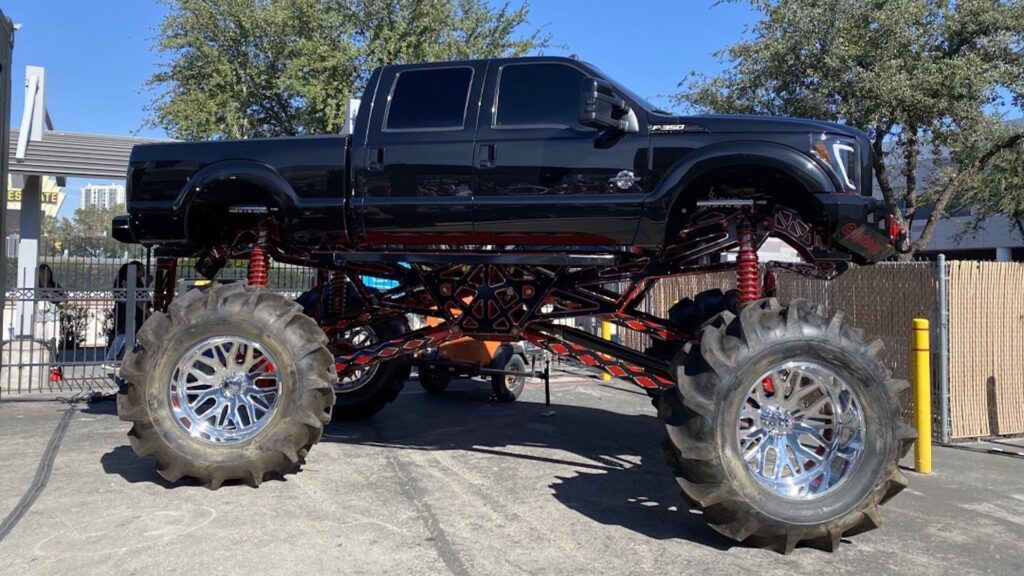
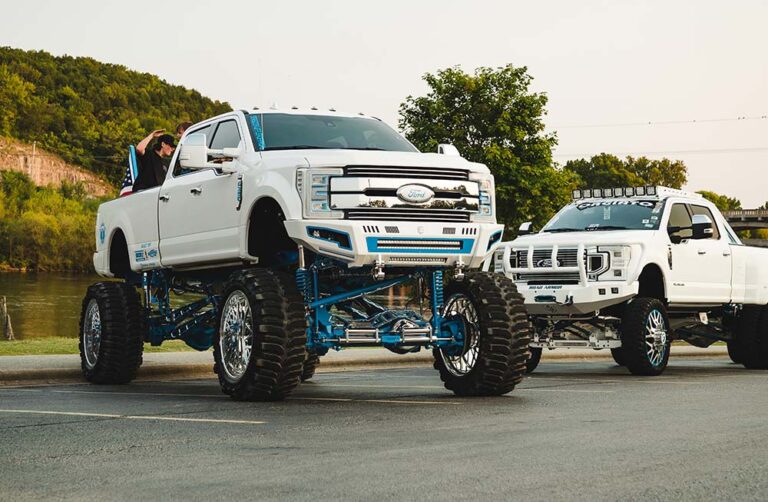
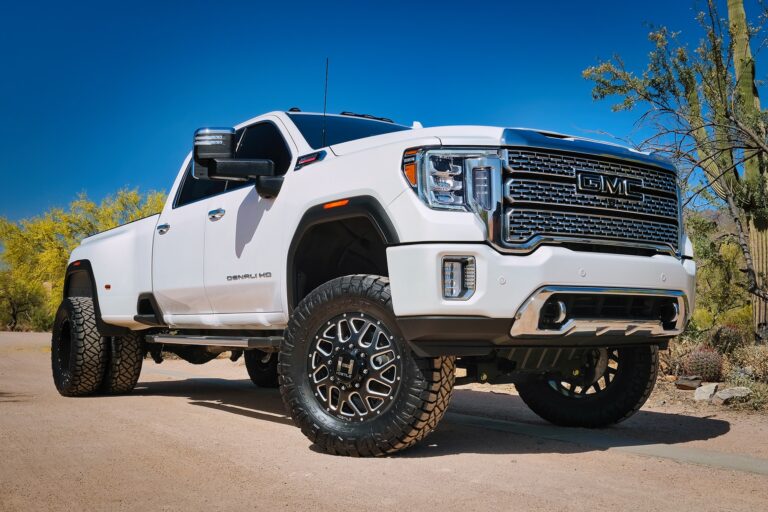
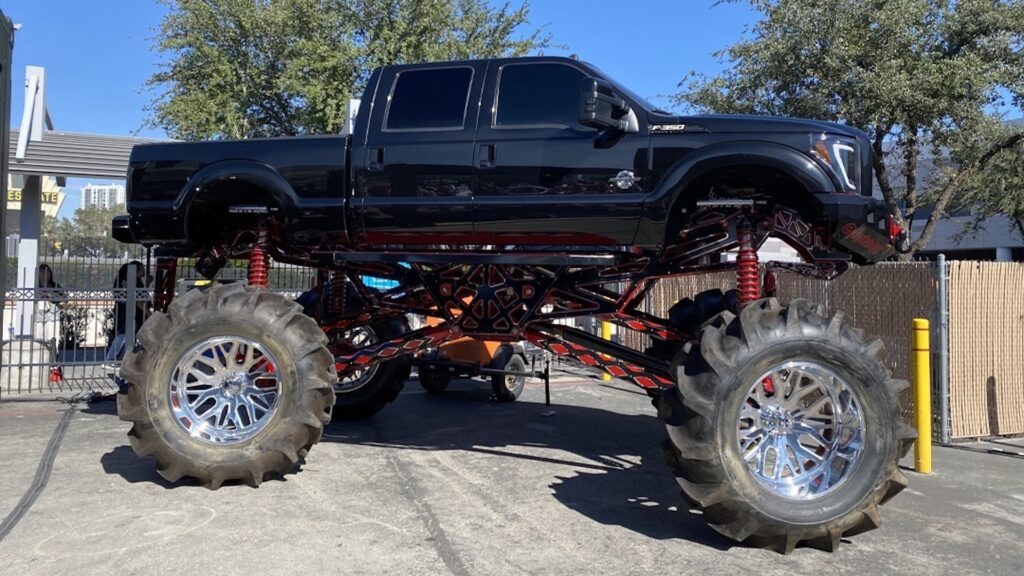
The roar of a powerful engine, the imposing stance, and the elevated perspective – lifted trucks have an undeniable appeal for many drivers. Whether for off-road prowess, increased utility, or simply a distinctive aesthetic, modifying a truck’s suspension or body to achieve greater ground clearance is a popular pursuit. However, for enthusiasts in Ontario, this passion often comes with a critical question: are lifted trucks legal in Ontario? The answer, while not a simple yes or no, is nuanced and hinges on adherence to a complex set of regulations outlined in the Ontario Highway Traffic Act (HTA) and related MTO (Ministry of Transportation Ontario) standards. Understanding these rules is not just about avoiding fines; it’s about ensuring the safety of yourself, your passengers, and every other road user. This comprehensive guide will delve into the intricacies of Ontario’s laws regarding vehicle modifications, providing clarity and practical advice for current and aspiring lifted truck owners.
The Regulatory Landscape: Ontario’s Highway Traffic Act (HTA)
Unlike some jurisdictions with explicit "maximum lift height" laws, Ontario’s regulations regarding lifted trucks are embedded within the broader framework of the Highway Traffic Act and its associated regulations concerning vehicle dimensions, equipment, and safety. There isn’t a single, straightforward clause that states, "you can lift your truck X inches." Instead, legality is determined by how the modifications affect various aspects of the vehicle to ensure it remains safe and compliant with general roadworthiness standards.
Key sections of the HTA and MTO guidelines that are particularly relevant to lifted trucks include:
- Vehicle Dimensions (Height, Width, Length): While there isn’t an absolute maximum lift height, the overall vehicle height must not exceed certain limits. More critically, the effective maximum height is often dictated by other components remaining within their specified ranges.
- Fender Coverage (Tire Exposure): All tires must be adequately covered by the vehicle’s fenders or fender flares. If wider tires or a significant lift causes tires to protrude beyond the body, additional flares are required.
- Lighting Requirements: Headlights, taillights, and other mandatory lighting must remain within specific height ranges from the ground and must not be obstructed. A significant lift can push headlights above the maximum allowed height, or taillights might become obscured by the truck’s bed or other modifications.
- Bumper Height: This is often the most restrictive and frequently cited regulation. Bumpers must be within a certain height range from the ground to the bottom of the main bumper structure. This ensures they align with other vehicles for crash safety.
- Steering and Suspension Modifications: Any alterations to the steering or suspension system must maintain the vehicle’s safe operating characteristics and not compromise its structural integrity. Poorly installed or incompatible lift kits can lead to unsafe handling.
- Tire Size: While not directly regulated by height, excessively large tires can contribute to overall vehicle height, affect speedometer accuracy, and lead to rubbing issues.
The overarching principle is that any modification must not compromise the safety or operational integrity of the vehicle. Law enforcement and MTO inspectors have the authority to deem a vehicle unsafe or non-compliant if modifications are improperly executed or exceed reasonable limits, even if no specific "lift law" is broken.
Key Dimensions and Measurements: What You Need to Know
For any truck owner considering a lift, understanding and meticulously measuring these dimensions before and after modification is paramount.
- Maximum Vehicle Height: While commercial vehicles have strict overall height limits (e.g., 4.15 meters or approximately 13 feet 7 inches), passenger and light-duty trucks don’t have a specific overall maximum height in the HTA that typically impacts a standard lift. However, other component-specific height limits often effectively cap how high a truck can legally be.
- Bumper Height: This is arguably the most critical and most frequently violated regulation for lifted trucks. While specific numbers can vary based on vehicle type and manufacturing standards, general guidelines often stipulate that the lowest part of the main bumper structure should be within a range (e.g., typically not exceeding 22-26 inches from the ground for light trucks). Exceeding this height can lead to severe penalties as it compromises crash compatibility with other vehicles.
- Fender Coverage: Tires must be completely covered by the fender or a fender flare when viewed from above. If your new tires or wheels extend beyond the truck’s body line, you will need to install fender flares to remain compliant.
- Headlight Height: Headlights must be mounted at a height of not less than 56 cm (22 inches) and not more than 137 cm (54 inches) from the ground to the center of the lamp. A significant lift can easily push headlights above the maximum limit, requiring adjustments or even alternative lighting solutions.
- Taillight/Brake Light Visibility: Taillights and brake lights must be clearly visible from specified distances and angles. Ensure that any lift or modification does not obscure these crucial safety lights.
Safety Considerations and Performance Impact
Beyond the legalities, lifting a truck significantly alters its fundamental dynamics. Understanding these impacts is crucial for responsible ownership.
- Centre of Gravity: Raising a truck’s centre of gravity inherently reduces its stability. This can increase the risk of rollover, especially during sharp turns, emergency maneuvers, or driving on uneven terrain.
- Braking Performance: Larger, heavier tires can increase rotational mass, making it harder for the stock braking system to bring the vehicle to a stop efficiently. This often necessitates upgrading brakes to compensate.
- Steering Geometry: Lift kits, especially suspension lifts, alter the angles of steering and suspension components. If not properly corrected or aligned, this can lead to "bump steer," loose steering, increased wear on components, and overall diminished handling.
- Suspension Integrity: The quality of the lift kit components and the expertise of the installation are paramount. Cheap kits or poor installation can lead to premature failure of suspension parts, compromising safety.
- Visibility: While the driver gains a higher vantage point, the truck itself can create larger blind spots, particularly for smaller vehicles and pedestrians close to the front or sides.
- Pedestrian Safety: Bumpers at excessive heights can pose a significant risk to pedestrians in the event of a collision, as they are more likely to strike vital organs rather than legs.
Types of Lifts and Their Legality
Different types of lift kits have varying impacts on a truck’s legality and performance:
- Body Lifts: These kits use spacers to raise the truck’s body from its frame. They are generally less complex and don’t significantly alter suspension geometry, often making them less problematic legally. However, they still contribute to overall vehicle height and can create gaps between the body and frame.
- Suspension Lifts: These replace or modify suspension components (springs, shocks, control arms) to raise the vehicle. They can offer better off-road performance but are more complex, significantly alter suspension geometry, and require careful installation and alignment to maintain safety and compliance. These are more likely to push bumper and headlight heights beyond limits.
- Leveling Kits: Typically small (1-3 inch) suspension lifts applied to the front of a truck to eliminate the factory "rake" (where the front sits lower than the rear). These are generally the least problematic legally due to their minimal height increase.
- Tire Size: Simply installing larger tires also contributes to the overall lift and ground clearance. This must be considered in conjunction with any suspension or body lift, as it directly impacts fender coverage, speedometer calibration, and overall height.
Practical Advice for Lifted Truck Owners
If you own or are considering lifting a truck in Ontario, here’s actionable advice:
- Know the HTA and MTO Guidelines: Familiarize yourself with the relevant sections of the Highway Traffic Act and MTO vehicle inspection standards. These are your definitive sources.
- Professional Installation is Key: Do not attempt a significant lift yourself unless you are a certified mechanic with experience in suspension modifications. Professional installation ensures safety, proper alignment, and often comes with a warranty.
- Invest in Quality Components: Cheap lift kits can compromise safety and lead to premature wear. Purchase reputable brands known for quality and compatibility.
- Measure, Measure, Measure: Before purchasing a lift kit, measure your current bumper height, headlight height, and fender clearance. Then, research kits that will keep you within legal limits after installation.
- Consider a Safety Inspection: After any significant modification, especially a lift, it’s highly recommended to have a qualified mechanic perform a safety inspection to ensure all components are properly installed and the vehicle is roadworthy.
- Inform Your Insurer: Always notify your insurance company about any significant modifications to your vehicle. Failure to do so could result in denied claims in the event of an accident. Some insurers may charge higher premiums or even refuse coverage for highly modified vehicles.
- Maintain Your Vehicle: Lifted trucks put additional stress on various components. Regular inspections and maintenance of suspension, steering, and braking systems are crucial.
- Adjust Your Driving Habits: Be aware of the altered handling characteristics of a lifted truck. Drive defensively, anticipate turns, and allow for increased braking distances.
Potential Challenges and Solutions
Despite careful planning, owning a lifted truck in Ontario can present challenges:
- Police Stops and Fines: Law enforcement officers have the discretion to pull over vehicles they suspect are unsafe or non-compliant. This can lead to warnings, fines, or even an order to get a safety inspection.
- Vehicle Impoundment: In extreme cases where a vehicle is deemed severely unsafe or illegally modified, it can be impounded until brought into compliance.
- Insurance Denials: If modifications were not declared, or if they are deemed to have contributed to an accident due to being unsafe or non-compliant, your insurance claim could be denied.
- Finding Compliant Kits: Research kits carefully. Some manufacturers design kits with specific regulations in mind. Prioritize kits that allow for legal bumper and headlight heights.
- Engineering Certificates: For very significant or custom modifications, an engineer’s report or certificate may be required by MTO or could be beneficial to demonstrate the safety and structural integrity of the changes. Consult with a professional engineer specializing in automotive modifications if you are pushing the boundaries.
Conclusion
Are lifted trucks legal in Ontario? Yes, they can be, but with significant caveats and responsibilities. The legality of a lifted truck in Ontario is not determined by a simple "lift height" number, but by a complex interplay of regulations governing overall vehicle dimensions, bumper height, fender coverage, lighting, and general vehicle safety. Owners must meticulously adhere to the Ontario Highway Traffic Act and MTO standards to ensure their vehicle is not only compliant but also safe to operate.
The key takeaway is that customization and utility can coexist with safety and legality. By understanding the regulations, investing in quality components, ensuring professional installation, and maintaining diligent awareness of your vehicle’s altered dynamics, you can enjoy your lifted truck responsibly on Ontario’s roads. Prioritizing safety and compliance will not only keep you out of legal trouble but, more importantly, will protect you and others sharing the road.
Ontario Lifted Truck Legal Parameters Summary Table
| Parameter/Regulation | General Ontario Guideline (Approximate/Common Interpretation) | Key Implication for Lifted Trucks |
|---|---|---|
| Overall Vehicle Height | No specific passenger vehicle maximum, but limited by other component heights. | While no direct "lift limit," exceeding other component height limits effectively caps overall height. |
| Bumper Height (Bottom of Main Structure) | Typically, maximum 22-26 inches (56-66 cm) from the ground. (Varies by vehicle class/design) | Most critical limit. Often the first point of non-compliance. Significant lifts will likely exceed this. |
| Headlight Height (Center of Lamp) | Minimum 22 inches (56 cm), Maximum 54 inches (137 cm) from the ground. | High lifts can push headlights above max. Requires careful kit selection or aiming adjustments. |
| Taillight/Brake Light Visibility | Must be clearly visible from specified distances/angles (e.g., 60-150 inches from ground). | Ensure lift/modifications do not obscure these vital lights. |
| Fender Coverage | Tires must be completely covered by the fender or fender flares when viewed from above. | Wider tires or increased offset will require fender flares to avoid being illegal. |
| Tire Protrusion | Tires must not extend beyond the widest part of the fender/flare. | Directly tied to fender coverage. |
| Suspension/Steering Integrity | Must maintain safe operating characteristics and not compromise structural integrity. | Requires quality lift kits, professional installation, and proper alignment to avoid unsafe handling. |
| Speedometer Accuracy | Must be reasonably accurate. | Larger tires can affect speedometer readings. Recalibration may be necessary for compliance and safety. |
| General Roadworthiness / Safety | Vehicle must be in good working order and not present a hazard. | Overarching principle – poorly executed lifts or extreme modifications can lead to vehicle being deemed unsafe by authorities. |
Disclaimer: These are general guidelines based on common interpretations of Ontario regulations. Specific measurements can vary, and official MTO or HTA documents should always be consulted for precise legal requirements.
Frequently Asked Questions (FAQ)
Q1: Is there a specific maximum lift height in Ontario?
A1: No, the Ontario Highway Traffic Act does not specify a maximum "lift height" in inches. Instead, legality is determined by how modifications affect other specific measurements and safety standards, such as bumper height, headlight height, and fender coverage.
Q2: What is the biggest issue for lifted trucks in Ontario regarding legality?
A2: The most common point of non-compliance for lifted trucks in Ontario is the bumper height regulation. Bumpers must remain within a certain height range from the ground, and many significant lift kits push the bumper beyond this limit, compromising crash compatibility.
Q3: Do I need an engineer’s certificate for my lifted truck in Ontario?
A3: While not always explicitly required for standard, professionally installed lift kits, an engineer’s certificate can be highly beneficial for significant custom modifications or if a vehicle is deemed questionable by authorities. It provides documentation of the safety and structural integrity of the changes. It’s advisable to consult with a professional if your modifications are extensive.
Q4: Will my insurance cover a lifted truck in Ontario?
A4: You must inform your insurance provider about any significant modifications, including lift kits. Failure to do so could result in your policy being voided or claims being denied in the event of an accident. Insurance companies may adjust premiums or, in some cases, refuse coverage for vehicles with extreme or unsafe modifications.
Q5: Can I get pulled over just for having a lifted truck in Ontario?
A5: Yes, law enforcement officers have the discretion to pull over any vehicle they suspect may be unsafe or non-compliant with the Highway Traffic Act. Even if you believe your truck is compliant, its appearance may attract attention, leading to an inspection to verify adherence to regulations.
For more detailed information on Ontario’s vehicle regulations, please refer to the official Ministry of Transportation Ontario (MTO) website.