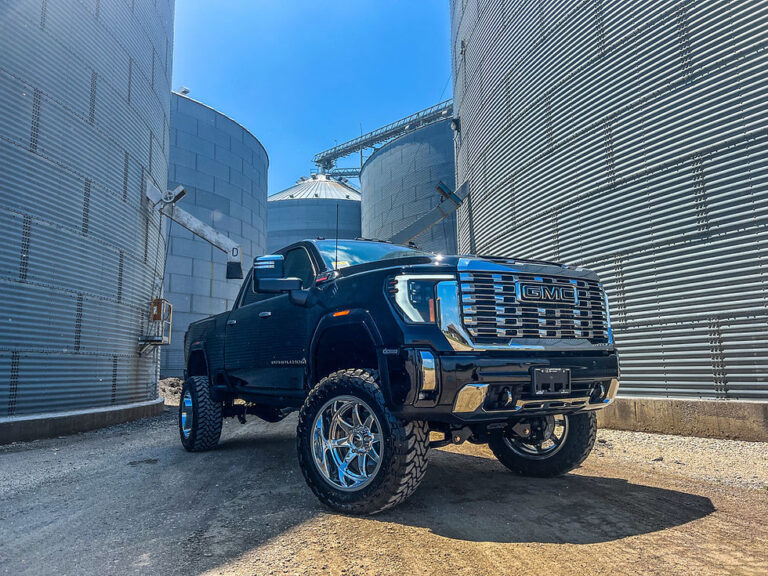
Extended Brake Hoses for Lifted Trucks: A Comprehensive Guide to Safety and Performance

Extended Brake Hoses for Lifted Trucks: A Comprehensive Guide to Safety and Performance

Extended Brake Hoses for Lifted Trucks: A Comprehensive Guide to Safety and Performance

Lifting your truck transforms its appearance and enhances its off-road capability, allowing you to conquer challenging terrains with greater ease. However, this modification also necessitates careful consideration of several critical components, one of the most vital being your brake system. Specifically, extended brake hoses for lifted trucks are not merely an upgrade but a fundamental requirement for maintaining safety and optimal braking performance.

This comprehensive guide will delve into every aspect of extended brake hoses, from understanding their necessity to choosing, installing, and maintaining them. Whether you’re planning a lift or already driving a lifted rig, ensuring your brake lines can handle the increased suspension travel is paramount.

Understanding the Critical Need for Extended Brake Hoses

When a truck’s suspension is lifted, the distance between the chassis (where the hard brake lines are mounted) and the axles (where the calipers and wheel cylinders are located) increases. Standard, factory-length brake hoses are designed for the stock suspension travel. Once a lift kit is installed, especially one that significantly increases wheel articulation and droop (the downward travel of the suspension), these stock hoses become dangerously short.

At full suspension droop – when a wheel is extended downwards, such as when traversing uneven terrain or going over a bump – the original brake hoses can stretch taut. This over-extension places immense stress on the hose material and its fittings. The consequences can range from premature wear and cracking of the hose to a sudden, catastrophic rupture. A snapped brake hose means an immediate loss of hydraulic pressure to that wheel, leading to a significant reduction in braking power, a spongy pedal, and potentially a complete loss of braking capability, putting you and others at severe risk.

Extended brake hoses for lifted trucks address this critical issue by providing the necessary additional length to accommodate the increased suspension travel. They ensure that even at maximum droop or articulation, the brake lines remain slack, preventing dangerous stretching, kinking, or tearing, and preserving the integrity of your braking system.

The Undeniable Benefits of Extended Brake Hoses

Investing in the correct extended brake hoses offers a multitude of advantages that go beyond mere compliance with your lift kit:

  • Enhanced Safety: This is the primary and most crucial benefit. By preventing brake hose over-extension and potential rupture, extended hoses directly safeguard your ability to stop your truck effectively, under all driving conditions.
  • Optimal Braking Performance: With hoses that can freely move with your suspension, hydraulic pressure is consistently maintained, ensuring a firm brake pedal and responsive stopping power. Stock hoses, when stretched, can subtly restrict fluid flow, leading to a less efficient brake system.
  • Increased Durability and Longevity: Designed to withstand the rigors of lifted applications, extended hoses are built to last. They reduce stress on the hose material and fittings, extending the lifespan of your entire brake system components.
  • Full Suspension Articulation: For off-road enthusiasts, extended hoses are non-negotiable. They allow your suspension to achieve its full intended articulation without any restriction from the brake lines, maximizing traction and control on uneven terrain.
  • Peace of Mind: Knowing that your braking system is properly configured for your lifted truck provides invaluable peace of mind, whether you’re navigating city streets or tackling a challenging trail.

Types of Extended Brake Hoses

When selecting extended brake hoses, you’ll generally encounter two main material types, each with its own characteristics:

  1. DOT-Approved Rubber Hoses:

    • Material: Similar to factory hoses, these are constructed from multiple layers of synthetic rubber reinforced with fabric braiding.
    • Pros: Cost-effective, good flexibility, generally quiet, and provide a comfortable pedal feel. They meet Department of Transportation (DOT) safety standards.
    • Cons: Can be susceptible to expansion under extreme pressure (leading to a slightly "softer" pedal feel compared to stainless steel), and over time, UV exposure and environmental factors can degrade the rubber.
  2. Braided Stainless Steel (PTFE/Teflon Core) Hoses:

    • Material: These hoses feature a PTFE (Teflon) inner core, which is highly resistant to heat and chemicals, surrounded by a layer of stainless steel braiding, and often an outer PVC or urethane protective coating.
    • Pros: Significantly stronger and more durable than rubber, highly resistant to expansion under pressure (resulting in a firmer, more consistent pedal feel), excellent resistance to abrasion, impact, and UV degradation. Often preferred for performance and heavy off-road use.
    • Cons: Typically more expensive than rubber hoses, and some users might find the firmer pedal feel less "comfortable" initially.

For most lifted truck applications, especially those used for off-roading, braided stainless steel lines are often the preferred choice due to their superior durability and performance benefits. However, high-quality DOT-approved rubber hoses are perfectly adequate for many applications.

Choosing the Right Extended Brake Hoses: Key Considerations

Selecting the correct extended brake hoses for lifted trucks is paramount. Here’s what you need to consider:

  • Determine the Correct Length: This is the most critical factor.
    • Method 1 (Measurement): Jack up your truck until the suspension is at its absolute maximum droop (wheels hanging freely). Measure the distance from your hard brake line connection point on the chassis to the caliper/wheel cylinder, accounting for the path the hose will take. Add an additional 1-2 inches for slack and articulation.
    • Method 2 (Lift Kit Recommendation): Many reputable lift kit manufacturers will specify the recommended extended brake hose length for their kits. Always refer to their guidelines.
    • Account for Future Modifications: If you plan on adding longer shocks or modifying suspension components further, factor that into your length calculation.
  • Material Choice: As discussed, decide between DOT-approved rubber or braided stainless steel based on your budget, driving style, and performance expectations.
  • Correct Fittings: Ensure the new hoses come with the correct banjo bolts, crush washers, and line fittings (thread type and angle) to match your truck’s calipers/wheel cylinders and hard lines. Mismatched fittings will lead to leaks and system failure.
  • DOT Approval: Always verify that the extended brake hoses are DOT (Department of Transportation) approved. This certification ensures they meet stringent safety and performance standards.
  • Reputable Brand: Purchase from well-known and trusted manufacturers. This ensures quality materials, proper engineering, and reliable performance.
  • Complete Kits: Many manufacturers offer complete extended brake line kits that include all necessary hoses (front and rear), banjo bolts, crush washers, and retention clips, simplifying the purchasing process.

Installation Guide: A Step-by-Step Overview

While this guide provides a general overview, if you’re not experienced with brake system work, it’s highly recommended to seek professional installation. Brake system integrity is non-negotiable for safety.

Tools and Materials:

  • Jack and jack stands
  • Wheel chocks
  • Metric/SAE wrench set
  • Flare nut wrenches (essential for brake line fittings to prevent rounding)
  • Brake fluid (DOT 3 or DOT 4, as specified by your vehicle manufacturer)
  • Brake bleeder kit (one-person bleeder, vacuum bleeder, or pressure bleeder)
  • Drain pan for old brake fluid
  • Shop rags/towels
  • Gloves and eye protection

Steps:

  1. Safety First: Park on a level surface, engage the parking brake, and place wheel chocks. Jack up the truck and secure it firmly on jack stands. Remove the wheels.
  2. Prepare for Fluid Loss: Place a drain pan under the area where you’ll be disconnecting the brake lines. Have rags ready to catch drips.
  3. Disconnect Old Hoses: Using a flare nut wrench, carefully loosen the hard line fitting where it connects to the flexible brake hose. Then, disconnect the hose from the caliper/wheel cylinder and remove any retaining clips.
  4. Install New Hoses:
    • Connect the new extended brake hose to the caliper/wheel cylinder, ensuring all banjo bolts and crush washers are correctly installed and torqued to manufacturer specifications.
    • Route the hose carefully, ensuring it has adequate slack at full droop and compression, and that it doesn’t rub against any suspension components, frame, or tire. Use new retaining clips if provided.
    • Connect the hard line to the new flexible hose fitting. Use a flare nut wrench and tighten securely, but do not overtighten, which can strip threads or crack lines.
  5. Repeat for All Wheels: Follow the same procedure for all brake hoses that require extension.
  6. Bleed the Brake System: This is a critical step. Air introduced into the brake lines during installation must be removed to restore proper brake function. Start with the wheel furthest from the master cylinder (typically rear passenger side), then rear driver, front passenger, and finally front driver. Follow your vehicle’s specific bleeding procedure, ensuring no air remains in the system.
  7. Inspect for Leaks: With the engine off, pump the brake pedal several times to build pressure. Hold the pedal down firmly and visually inspect all new connections for any signs of brake fluid leakage.
  8. Test Drive: Reinstall the wheels, lower the truck, and take it for a slow, controlled test drive in a safe area. Test the brakes gently at first, then gradually increase pressure, ensuring a firm pedal feel and effective stopping power. Listen for any unusual noises and re-check for leaks after the test drive.

Maintenance and Inspection Tips

Regular inspection of your extended brake hoses for lifted trucks is crucial for ongoing safety:

  • Visual Checks: Periodically inspect the entire length of each hose for cracks, bulges, chafing, cuts, or signs of fluid leakage.
  • Fittings: Ensure all fittings are tight and free from corrosion.
  • Routing: Confirm that hoses are still routed correctly and aren’t rubbing against anything. Re-secure any loose clips or ties.
  • Post-Off-Road Inspection: After any particularly demanding off-road excursions, give your brake lines a thorough inspection for impact damage or snags.
  • Fluid Level: Regularly check your brake fluid reservoir level. A consistently low level could indicate a slow leak.

Common Challenges and Solutions

  • Incorrect Hose Length:
    • Challenge: Hoses are too short (stress at droop) or too long (chafing, snagging).
    • Solution: Meticulous measurement is key. Always re-measure if unsure, and if necessary, order a replacement of the correct length.
  • Improper Routing:
    • Challenge: Hoses rubbing against tires, suspension components, or frame, leading to premature wear.
    • Solution: Take your time during installation. Cycle the suspension through its full travel (if possible on a lift) to observe hose movement. Use zip ties or P-clips to secure hoses away from potential rub points, ensuring they still have enough slack.
  • Air in the Brake System:
    • Challenge: Spongy brake pedal, reduced braking effectiveness.
    • Solution: Thorough and correct bleeding of the entire brake system. Sometimes, a vacuum bleeder or pressure bleeder is more effective than traditional two-person methods.
  • Leaking Fittings:
    • Challenge: Brake fluid leaks at connection points.
    • Solution: Ensure fittings are properly torqued (not overtightened), crush washers are new and correctly seated, and threads are not cross-threaded.

Extended Brake Hoses for Lifted Trucks: Price Table

The price of extended brake hoses can vary significantly based on material, length, brand, and whether they are purchased individually or as a complete kit. Here’s an estimated price table:

Type of Hose Material Length Range (Lift Height) Typical Price Range (USD) Key Features Common Brands
Basic Rubber (Pair) DOT-Approved Rubber 2" – 4" Lift $40 – $80 OEM-style flexibility, cost-effective, standard feel. Crown, Omix-ADA, Dorman
Standard Stainless Steel (Pair) Braided Stainless Steel (PTFE Core) 2" – 6" Lift $70 – $150 Firmer pedal feel, increased durability, abrasion resistance. Skyjacker, Rough Country, Fabtech
Premium Stainless Steel (Kit) Braided Stainless Steel (PTFE Core) 4" – 8"+ Lift $150 – $350+ Superior strength, ultimate durability, often includes all hardware, custom lengths. Goodridge, Russell, StopTech, Synergy
Custom Length/Application Braided Stainless Steel (PTFE Core) Variable $80 – $150+ (per hose) Tailored to extreme lift/articulation needs, specific fittings. Individual fabricators, specialty shops

Note: Prices are estimates and can vary based on vehicle make/model, retailer, and specific kit contents. Always confirm DOT approval.

Frequently Asked Questions (FAQ)

Q: Do I really need extended brake hoses for my lifted truck?
A: Absolutely. If your truck has any suspension lift that increases the distance between your chassis and axles, extended brake hoses are a critical safety component to prevent hose stretching, damage, and potential brake failure, especially during suspension articulation.

Q: How do I know what length of extended brake hose to get?
A: The most accurate way is to measure at full suspension droop (with the wheel hanging freely). Measure from the hard line connection to the caliper, following the intended hose path, and add 1-2 inches for slack. Alternatively, consult your lift kit manufacturer’s recommendations.

Q: Can I install extended brake hoses myself?
A: If you have experience working with brake systems, understand proper bleeding procedures, and have the correct tools (especially flare nut wrenches), it’s possible. However, due to the critical safety nature of brakes, if you are unsure, professional installation is strongly recommended.

Q: What’s the difference between rubber and stainless steel extended brake hoses?
A: Rubber hoses are more flexible and cost-effective, offering an OEM-like feel. Stainless steel braided hoses are more durable, resistant to expansion under pressure (providing a firmer pedal), and offer superior protection against abrasion and UV degradation.

Q: Are all extended brake hoses DOT approved?
A: No, not all. It is crucial to verify that any extended brake hoses you purchase are DOT (Department of Transportation) approved. This certification ensures they meet essential safety and performance standards.

Q: Do I need to bleed my brakes after installing extended brake hoses?
A: Yes, absolutely. Any time you open the brake system, air will be introduced. Thoroughly bleeding the entire brake system is mandatory to remove all air and restore proper braking function.

Conclusion

Upgrading to extended brake hoses for lifted trucks is a non-negotiable step for anyone modifying their vehicle’s suspension. It’s a critical safety measure that ensures your braking system can handle the increased suspension travel and articulation without compromise. By understanding the types, choosing the correct length and material, and performing a careful installation and regular maintenance, you ensure not only optimal braking performance but also peace of mind, allowing you to enjoy your lifted truck safely on any adventure. Don’t overlook this vital component – your safety depends on it.

Extended Brake Hoses for Lifted Trucks: A Comprehensive Guide to Safety and Performance

Electric Running Boards for Lifted Trucks: The Ultimate Guide to Enhanced Accessibility and Style

Electric Running Boards for Lifted Trucks: The Ultimate Guide to Enhanced Accessibility and Style

Electric Running Boards for Lifted Trucks: The Ultimate Guide to Enhanced Accessibility and Style

For owners of lifted trucks, the imposing stature and commanding presence are undeniably appealing. However, the elevated ride height, while fantastic for off-roading and visibility, can present a significant challenge for daily entry and exit. This is where electric running boards for lifted trucks step in, offering a sophisticated and practical solution that marries convenience with an uncompromised aesthetic. More than just a simple accessory, these automatic steps transform the user experience, providing a safe, comfortable, and stylish way to access your elevated vehicle. This comprehensive guide will delve into every aspect of electric running boards, from their core functionality to installation, maintenance, and crucial buying considerations, ensuring you make an informed decision for your prized possession.

Understanding Electric Running Boards for Lifted Trucks: The Core Concept

Electric running boards for lifted trucks are innovative, automatically deploying steps that extend when a door is opened and retract seamlessly when closed. Unlike traditional fixed running boards that are permanently visible, electric boards remain tucked away, preserving the sleek lines and ground clearance of your lifted truck. This dynamic functionality is achieved through a robust system comprising powerful electric motors, intelligent sensors, and durable linkage mechanisms. When a door sensor detects an opening, the motor engages, extending the step with a smooth, controlled motion. Conversely, closing the door triggers retraction, making the steps virtually disappear beneath the truck’s rocker panels. This ingenious design not only enhances accessibility but also protects the steps from road debris and maintains the truck’s rugged, unencumbered look.

The Unmatched Benefits of Electric Running Boards for Lifted Trucks

The advantages of installing electric running boards for lifted trucks extend far beyond mere convenience, impacting safety, aesthetics, and overall vehicle enjoyment.

  • Enhanced Accessibility for All: The most significant benefit is undoubtedly the ease of entry and exit. For drivers, passengers, children, and especially individuals with mobility challenges or shorter stature, a lifted truck can be a genuine hurdle. Electric running boards provide a perfectly positioned, stable step, eliminating awkward stretches, jumps, or the risk of slipping.
  • Improved Safety and Stability: These steps are designed with safety in mind. They typically feature wide, non-slip surfaces and often come with integrated LED lighting that illuminates the step area at night. This combination drastically reduces the risk of slips, falls, or missteps, particularly in low-light conditions or inclement weather.
  • Preserved Aesthetics and Ground Clearance: One of the primary reasons lifted truck owners opt for electric boards over fixed ones is aesthetics. When retracted, they are virtually invisible, maintaining the clean lines and aggressive stance of your truck. Crucially, they also preserve your truck’s precious ground clearance, ensuring that your off-road capabilities remain unhindered by bulky fixed steps that can catch on obstacles.
  • Convenience and Comfort: The automatic deployment means no fumbling, no reaching, and no manual effort. Just open the door, and a stable step appears, making every entry and exit a comfortable and effortless experience.
  • Minor Door Ding Protection: When deployed, some electric running boards can offer a slight degree of protection against minor door dings from adjacent vehicles in parking lots, acting as a buffer.
  • Increased Resale Value: As a premium and highly desirable aftermarket upgrade, electric running boards can add significant appeal and value to your lifted truck, making it more attractive to potential buyers.

Key Features and Considerations When Choosing Electric Running Boards for Lifted Trucks

Selecting the right electric running boards for lifted trucks requires careful consideration of several factors to ensure they meet your needs, budget, and the demands of your vehicle.

  • Material and Durability: Look for boards constructed from high-quality, corrosion-resistant materials such as aircraft-grade aluminum or heavy-duty steel. A durable powder-coat finish is essential for protecting against rust, road salt, and harsh weather conditions.
  • Motor Strength and Reliability: The motors are the heart of the system. Ensure they are high-torque, weather-sealed, and designed for longevity. Reputable brands often use robust motors capable of operating smoothly in various temperatures and conditions.
  • Weight Capacity: This is crucial. Check the specified weight capacity per side to ensure it can safely support multiple users or heavy individuals without strain on the system. Capacities typically range from 300 to 600 pounds per step.
  • Deployment Speed and Smoothness: A good set of electric running boards will deploy and retract quickly and quietly. Slow, jerky, or noisy operation can indicate lower quality or potential issues.
  • Integrated Lighting Options: Many premium models feature integrated LED lights that illuminate the step automatically when deployed. This is a significant safety feature for night-time use.
  • Sensor Technology and Safety Features: Advanced systems include obstruction detection, which automatically stops the deployment or retraction if the step encounters an obstacle, preventing damage or injury. Look for reliable door sensor integration.
  • Vehicle-Specific Fit: While some universal options exist, vehicle-specific kits ensure a perfect fit, optimal mounting points, and seamless integration with your truck’s electrical system. This minimizes installation headaches and maximizes performance.
  • Brand Reputation and Warranty: Invest in reputable brands known for quality and customer support. A strong warranty (e.g., 3-5 years) provides peace of mind.

Types and Styles of Electric Running Boards for Lifted Trucks

While the core functionality remains similar, electric running boards for lifted trucks come in various styles and configurations to match different truck aesthetics and user preferences.

  • Cab-Length vs. Full-Length: Most electric boards are cab-length, providing steps for the front and rear doors of crew cab or extended cab trucks. Some larger trucks or specific models might offer full-length options that extend further along the body.
  • Step Pad Design: Step surfaces vary, from aggressive textured grip patterns to more subtle, ribbed designs. The key is a non-slip surface that provides secure footing in all weather conditions.
  • Mounting and Profile: Some boards offer a lower profile when retracted, hugging the truck’s body more closely, while others might have a slightly more visible housing. This often comes down to personal aesthetic preference and specific truck body design.
  • Finish Options: While black powder coat is standard for durability and stealth, some brands might offer options for polished aluminum accents or other finishes.

Installation Guide: Getting Your Electric Running Boards for Lifted Trucks Up and Running (General Overview)

Installing electric running boards for lifted trucks can be a rewarding DIY project for the mechanically inclined, but it does require patience and attention to detail.

  1. Preparation is Key: Read the instruction manual thoroughly. Gather all necessary tools, which typically include wrenches, sockets, wire cutters/strippers, a drill, and a multimeter. Ensure you have a clean, well-lit workspace and prioritize safety by disconnecting the battery.
  2. Mounting Brackets: The first step usually involves securely attaching the mounting brackets to your truck’s frame. These are often vehicle-specific and utilize existing frame holes, though some drilling may be required.
  3. Motor and Linkage Assembly: Once the brackets are in place, the motors and the step linkage mechanisms are attached. Ensure all bolts are torqued to specifications.
  4. Wiring the System: This is often the most complex part. The system needs to be wired to your truck’s power source (usually the battery), ground, and to the door trigger wires that signal when a door opens or closes. A control module manages the system’s operation. Many modern kits use "plug-and-play" connectors where possible, but some splicing might be necessary.
  5. Testing and Adjustment: After all connections are made, reconnect the battery and test the system. Open and close each door to ensure the boards deploy and retract smoothly and fully. Check for any obstructions. Some systems allow for minor adjustments to deployment depth or angle.
  6. Professional Installation: If you’re uncomfortable with electrical wiring, drilling, or working under your truck, professional installation is highly recommended. Many automotive accessory shops specialize in these installations and can ensure a safe and reliable setup.

Maintenance Tips for Your Electric Running Boards for Lifted Trucks

To ensure the longevity and smooth operation of your electric running boards for lifted trucks, regular maintenance is essential.

  • Regular Cleaning: Periodically clean the steps and the underlying mechanisms to remove dirt, mud, road salt, and debris. A simple wash with soap and water, followed by a rinse, is usually sufficient. Pay attention to the pivot points and motor housing.
  • Lubrication: Every few months, or more frequently in harsh environments, lubricate the moving parts, hinges, and pivot points with a silicone-based lubricant or a dry film lubricant. Avoid petroleum-based greases that can attract dirt.
  • Inspect Wiring and Connections: Routinely check all electrical connections for corrosion, fraying, or loose terminals. Ensure any exposed wiring is properly secured and protected.
  • Check for Damage: After off-roading or during routine checks, inspect the steps and brackets for any signs of damage, bending, or excessive wear.
  • Winter Care: In snowy or icy conditions, ensure the steps are free of ice and packed snow before attempting to deploy them. You may need to gently clear them to prevent strain on the motors.

Troubleshooting Common Issues with Electric Running Boards for Lifted Trucks

Even the most robust electric running boards for lifted trucks can encounter issues. Here’s a quick guide to common problems and their solutions:

  • Boards Not Deploying/Retracting:
    • Check Power: Verify the fuse for the running boards hasn’t blown. Ensure battery connections are secure.
    • Check Sensors: Ensure door sensors are clean and properly connected.
    • Obstruction: Look for any physical obstructions preventing movement.
    • Manual Override: Many systems have a manual override switch; ensure it’s not engaged.
  • Slow or Jerky Operation:
    • Lubrication: The most common cause. Lubricate all moving parts.
    • Debris: Clear any dirt or debris from the linkage.
    • Motor Strain: Could indicate a failing motor or excessive friction.
  • Grinding Noises:
    • Debris: Often caused by dirt or small stones in the mechanism. Clean thoroughly.
    • Worn Components: Could be a sign of worn gears or bushings in the motor or linkage.
  • Partial Deployment/Retraction:
    • Obstruction: Again, check for anything blocking the full range of motion.
    • Sensor Issue: A faulty sensor might not be registering the full open/close position.
    • Low Voltage: Insufficient power can cause weak motor operation.

Price Table: Electric Running Boards for Lifted Trucks

Brand/Model (Example) Material Key Features Typical Price Range (USD) Installation Cost (Estimate USD)
AMP Research PowerStep Aircraft-Grade Aluminum Integrated LED lighting, 600 lbs capacity, pinch-proof safety, weatherproof motors, 5-year warranty $1,200 – $2,000+ $200 – $500
Rough Country Electric Steps Steel (Powder-Coated) Aggressive styling, durable construction, 500 lbs capacity, dual motors, 3-year warranty $800 – $1,500 $200 – $450
Go Rhino SRM Series Aluminum (Textured Black) Slim design, high-traction step surface, integrated LED lights, anti-pinch technology, 5-year warranty $1,000 – $1,800 $250 – $500
Iron Cross HD Steps Steel (Textured Black) Heavy-duty construction, large step area, weather-resistant finish, robust motor system, 3-year warranty $900 – $1,600 $200 – $450
Generic/Off-Brand Steel/Aluminum Blend Basic functionality, variable weight capacity, often lack advanced features like integrated lights/pinch-proof $500 – $1,000 $250 – $600 (due to potential complexity)

Note: Prices are estimates and can vary significantly based on truck model, specific features, retailer, and promotional offers. Installation costs are also estimates and depend on the installer’s rates and the complexity of the specific vehicle/kit.

Frequently Asked Questions (FAQ) about Electric Running Boards for Lifted Trucks

Q1: Are electric running boards universal, or do I need a specific set for my truck?
A1: Most electric running boards for lifted trucks are vehicle-specific. They are designed to fit the exact make, model, and year of your truck to ensure proper mounting, functionality, and electrical integration. Always confirm compatibility before purchase.

Q2: How much do electric running boards typically cost?
A2: The cost varies widely based on brand, materials, features, and specific truck model. You can expect to pay anywhere from $800 to over $2,000 for a quality set, excluding installation. Refer to the price table above for a general overview.

Q3: Are electric running boards difficult to install? Can I do it myself?
A3: Installation can be moderately challenging, especially due to the electrical wiring. While many mechanically inclined individuals can perform a DIY installation, it often requires specialized tools, familiarity with automotive wiring, and a good understanding of the instructions. If you’re unsure, professional installation is recommended.

Q4: Are these running boards waterproof and weather-resistant?
A4: Yes, reputable electric running boards for lifted trucks are designed to be highly durable and weather-resistant. Their motors, electronics, and steps are sealed and constructed from materials that can withstand rain, snow, road salt, mud, and extreme temperatures.

Q5: What is the typical weight capacity of electric running boards?
A5: Most high-quality electric running boards have a weight capacity ranging from 300 to 600 pounds per side, making them robust enough to support multiple adults safely. Always check the manufacturer’s specifications.

Q6: Do electric running boards drain the truck’s battery?
A6: When properly installed, electric running boards have a very minimal power draw and should not significantly drain your truck’s battery. They are designed for efficient operation. However, a faulty installation or a malfunctioning component could potentially lead to excessive draw.

Q7: Can I manually override or turn off the electric running boards?
A7: Many systems come with a manual override switch, often located in the cab, that allows you to disable the automatic deployment. This can be useful for car washes, maintenance, or when you simply don’t want them to deploy.

Q8: What happens if the running boards hit an obstruction while deploying or retracting?
A8: Most premium electric running boards for lifted trucks feature a "pinch-proof" or obstruction-sensing safety mechanism. If the step encounters an obstacle during movement, it will automatically stop or retract to prevent damage to the step or potential injury.

Conclusion

Electric running boards for lifted trucks are more than just a luxurious add-on; they are a practical necessity that significantly enhances the ownership experience. By providing effortless accessibility, superior safety, and preserving the aesthetic integrity and ground clearance of your elevated vehicle, they represent a smart investment for any lifted truck enthusiast. With a wide array of options available, understanding the key features, installation considerations, and maintenance requirements will empower you to choose the perfect set for your truck. Ultimately, these innovative steps transform a potential inconvenience into a seamless, stylish, and comfortable experience, making every journey in your lifted truck a pleasure from the moment you step in.

Electric Running Boards for Lifted Trucks: The Ultimate Guide to Enhanced Accessibility and Style

Extreme Lifted Trucks: The Ultimate Guide to Height, Power, and Performance

Extreme Lifted Trucks: The Ultimate Guide to Height, Power, and Performance

Extreme Lifted Trucks: The Ultimate Guide to Height, Power, and Performance

In the world of automotive customization, few vehicles command attention quite like an extreme lifted truck. These aren’t just trucks with a basic leveling kit; they are colossal machines engineered to tower over traffic, conquer formidable terrain, and make an undeniable statement. More than mere vehicles, extreme lifted trucks represent a unique blend of passion, engineering prowess, and a desire to push boundaries, transforming conventional pickups into awe-inspiring behemoths that defy the ordinary. This comprehensive guide will delve into the fascinating realm of extreme lifted trucks, exploring their definition, components, benefits, challenges, and everything an enthusiast needs to know.

What Defines an Extreme Lifted Truck?

An extreme lifted truck transcends the common perception of a lifted vehicle. While a standard lift kit might raise a truck by 2 to 6 inches for improved ground clearance or larger tires, an extreme lift typically involves raising the vehicle by 10, 12, 15 inches, or even significantly more. This isn’t achieved with simple spacers; it demands a complete overhaul of the suspension system, often involving custom fabrication, heavy-duty components, and meticulous engineering.

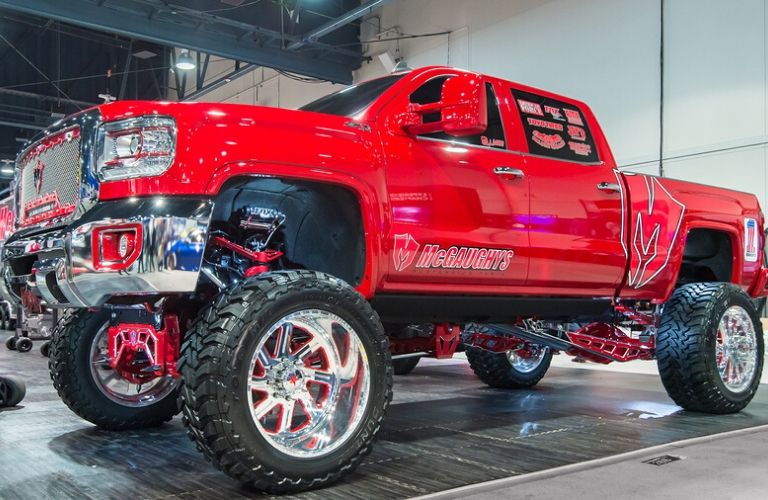
These trucks are characterized by their colossal stature, often riding on tires 40 inches or larger in diameter, and boasting a commanding presence that is impossible to ignore. Their purpose can vary from being dedicated show trucks, built to impress at events with their immaculate finish and elaborate modifications, to hardcore off-road machines designed for mud bogging, rock crawling, or competitive mega truck events. What unites them is the dedication to achieving maximum height, capability, and visual impact.

The Anatomy of Extreme Lift: Key Components

Building an extreme lifted truck is a complex endeavor that requires specialized components and often extensive custom fabrication. Understanding these elements is crucial to appreciating the engineering involved.

1. Suspension Systems

The heart of any extreme lift is its suspension. Unlike bolt-on kits, extreme lifts often feature:

  • Custom Long-Travel Systems: Designed to allow massive wheel articulation, crucial for off-roading.
  • Coilover Conversions: Replacing leaf springs or standard coil springs with adjustable coilovers for superior damping and ride quality, despite the height.
  • Four-Link or Triangulated Four-Link Setups: These sophisticated link systems control axle movement, providing stability and articulation, especially in extreme off-road conditions.
  • Air Ride Systems: Some show trucks utilize air suspension for adjustable ride height, allowing them to "lay frame" when parked and then lift to extreme heights.

2. Axles & Drivetrain

The stock axles and drivetrain are rarely sufficient for the immense stress of large tires and extreme terrain.

  • Heavy-Duty Axles: Swapping in axles like Dana 60, Dana 80, or custom-built units from companies like Rockwell is common to handle increased torque and weight.
  • Gearing Changes: Re-gearing differentials is essential to compensate for larger tire diameters, restoring power and preventing strain on the engine and transmission.
  • Reinforced Driveshafts: Longer, stronger driveshafts are required to accommodate the increased ride height and ensure reliable power delivery.
  • Lockers: Differential lockers are crucial for off-road performance, ensuring both wheels on an axle receive power simultaneously.

3. Tires & Wheels

The most visually striking component, massive tires are a hallmark of extreme lifted trucks.

  • Large Diameter Tires: Ranging from 40-inch to over 50-inch diameters, these tires provide maximum ground clearance and traction.
  • Aggressive Tread Patterns: Mud-terrain (MT) or super-swamper style tires are chosen for their ability to grip in loose or wet conditions.
  • Beadlock Wheels: Essential for extreme off-roading, beadlock wheels physically clamp the tire bead to the wheel, preventing the tire from coming off the rim at very low air pressures.

4. Steering Components

With massive tires and altered geometry, stock steering components are inadequate.

  • Crossover or High-Steer Systems: These reconfigure the steering linkage to improve geometry and reduce bump steer.
  • Hydraulic Assist Steering: Often necessary to turn oversized tires with ease, reducing strain on the driver.
  • Heavy-Duty Tie Rods and Drag Links: Reinforced components prevent bending or breaking under the stress of larger tires and off-road impacts.

5. Frame Reinforcement & Body Modifications

The original frame may need reinforcement to handle the increased stresses. Additionally:

  • Fender Flares & Trimming: Extensive cutting of fenders or custom widebody kits are often required to clear the huge tires at full articulation.
  • Custom Bumpers & Rock Sliders: Fabricated to match the new proportions and provide protection.

6. Engine & Performance Upgrades

To compensate for the added weight, increased drag from larger tires, and altered gearing, engine upgrades are common.

  • ECU Tuning: Optimizing engine parameters for performance.
  • Forced Induction: Superchargers or turbochargers are often added to significantly boost horsepower and torque.
  • Performance Exhaust Systems: To improve airflow and sound.

Benefits and Appeal of Extreme Lifted Trucks

The allure of extreme lifted trucks stems from a combination of practical advantages and intangible benefits.

Unrivaled Off-Road Capability

For those who truly venture off the beaten path, an extreme lift provides unparalleled ground clearance. This allows trucks to clear massive obstacles, traverse deep mud pits, and navigate challenging rock gardens that would stop lesser vehicles in their tracks. The larger tires offer a huge contact patch for traction and can float over soft terrain.

Commanding Presence & Aesthetics

There’s no denying the visual impact of an extreme lifted truck. They are head-turners, eliciting stares and admiration wherever they go. For many owners, it’s a statement of individuality and a showcase of their passion for automotive customization. The sheer scale and aggressive stance create a powerful, unique aesthetic.

Personalization & Engineering Showcase

Building an extreme lifted truck is a highly personal journey. It allows owners to express their creativity and often their mechanical aptitude. These vehicles become mobile canvases for custom paint, lighting, interior upgrades, and intricate fabrication, reflecting the owner’s vision and the skill of the builders.

Community & Lifestyle

The extreme lifted truck scene fosters a vibrant community. Owners gather at truck shows, off-road events, and online forums, sharing knowledge, tips, and a mutual appreciation for these magnificent machines. It’s a lifestyle that celebrates power, ruggedness, and a passion for pushing limits.

Challenges and Important Considerations

While exhilarating, owning an extreme lifted truck comes with significant challenges and responsibilities.

1. Safety & Stability

Raising a vehicle’s center of gravity dramatically impacts its stability. Extreme lifted trucks are more prone to roll-overs, especially during sharp turns or on uneven terrain. Braking performance can also be compromised due to larger, heavier tires and altered suspension geometry. Professional installation and careful driving are paramount.

2. Legality & Regulations

Vehicle modification laws vary widely by state and country. Many jurisdictions have strict regulations regarding maximum vehicle height, bumper height, fender coverage (tires must be covered), and headlight/taillight heights. It’s crucial to research local laws before embarking on an extreme build to avoid fines or inability to register the vehicle.

3. Cost & Maintenance

Extreme lifted trucks are incredibly expensive. Beyond the initial purchase of the truck, the components alone can run into tens of thousands of dollars, with custom fabrication and labor adding significantly more. Maintenance costs are also higher, with specialized parts, increased wear and tear on components, and often lower fuel economy.

4. Driveability & Practicality

Daily driving an extreme lifted truck presents challenges. Parking in garages or multi-story car parks becomes impossible. Maneuvering in tight spaces is difficult, and entry/exit often requires significant effort or specialized steps. Highway manners can be compromised, with increased wind noise, reduced aerodynamics, and a less comfortable ride than stock.

5. Engineering & Fabrication Expertise

This is not a project for the novice DIY enthusiast. Extreme lifts require advanced mechanical knowledge, welding skills, suspension geometry understanding, and precision fabrication. Improper installation can lead to dangerous failures. Hiring reputable, experienced shops and fabricators is essential.

6. Impact on Vehicle Warranty

Modifying a truck to this extent will almost certainly void its factory warranty. Owners must be prepared to cover all future repairs out of pocket.

Types of Extreme Lifted Trucks

Extreme lifted trucks can be broadly categorized by their primary function or aesthetic.

  • Show Trucks: Built primarily for aesthetics and display, these trucks often feature immaculate paint, chrome, elaborate lighting, and highly detailed engines and interiors. While capable, their primary goal is visual impact.
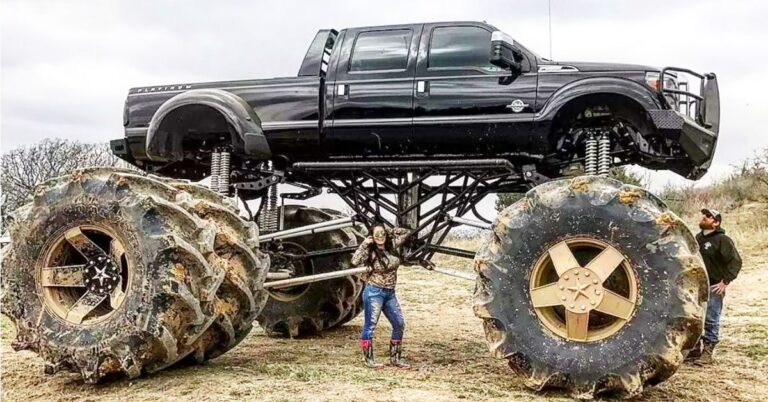
  • Mud Boggers: Designed to conquer deep mud pits, these trucks often feature paddle tires, powerful engines (sometimes even multiple engines), and highly articulated suspensions. Durability and traction in slop are key.
  • Rock Crawlers: While often lifted, extreme rock crawlers prioritize articulation, low gearing, and robust components over sheer height. Their goal is to navigate extremely technical rocky terrain slowly and precisely.
  • Mega Trucks: A hybrid category, often seen in competitive events, these trucks typically feature massive tractor tires (often 5-6 feet tall), heavily reinforced chassis, and immense power for tackling extreme mud and vertical climbs.

Tips for Aspiring Extreme Lift Owners

Considering diving into the world of extreme lifted trucks? Here’s some practical advice:

  1. Define Your Purpose: Are you building a show truck, an off-road beast, or a bit of both? Your purpose will dictate component choices and budget.
  2. Research Thoroughly: Spend countless hours researching components, shops, and legal requirements. Learn from others’ builds and mistakes.
  3. Budget Realistically: Extreme lifts are expensive. Create a detailed budget that accounts for parts, labor, unforeseen issues, and ongoing maintenance. Be prepared for costs to exceed initial estimates.
  4. Prioritize Safety & Legality: Never compromise on safety. Ensure all modifications are performed by professionals and comply with local laws.
  5. Start with a Solid Base Vehicle: A well-maintained truck with a robust frame is a better starting point than a beat-up one.
  6. Find Reputable Fabricators: This is perhaps the most crucial tip. Seek out shops with proven experience in extreme truck builds, strong portfolios, and positive customer reviews.
  7. Be Patient: Custom builds take time. Rushing the process can lead to mistakes and compromises.

Extreme Lifted Truck Price Table

The cost of an extreme lifted truck build can vary wildly depending on the truck’s base model, the extent of customization, component choices, and labor rates. This table provides estimated ranges for various aspects of a custom extreme lifted truck build.

Component/Service Estimated Price Range (USD) Notes
Base Truck (Used) $15,000 – $60,000+ Depends on make, model, year, condition. New trucks significantly higher.
Extreme Lift Kit/Suspension $10,000 – $40,000+ Custom 4-link, coilovers, long-travel systems. Fabrication costs extra.
Tires (4x) & Wheels (4x) $8,000 – $20,000+ For 40"+ tires and custom beadlock wheels.
Heavy-Duty Axle Upgrades $5,000 – $15,000 per axle Includes stronger differentials, gearing changes.
Steering System Upgrades $2,000 – $8,000 Hydraulic assist, crossover steering, heavy-duty components.
Drivetrain Reinforcement $1,000 – $5,000 Driveshafts, transfer case upgrades.
Engine Performance Upgrades $5,000 – $25,000+ Tuning, forced induction (turbo/supercharger), exhaust, cooling.
Custom Fabrication $5,000 – $30,000+ Frame reinforcement, fender work, custom bumpers, mounting brackets.
Professional Installation $10,000 – $50,000+ Labor costs for complex builds. Highly variable.
Paint & Bodywork (Custom) $5,000 – $20,000+ For high-quality, custom finishes.
Interior & Electronics $2,000 – $10,000+ Custom upholstery, sound systems, gauges.
Total Estimated Build Cost $70,000 – $300,000+ Excludes base truck. Can easily exceed $500,000 for top-tier show trucks.

Frequently Asked Questions (FAQ)

Q: Are extreme lifted trucks legal to drive on public roads?
A: Legality varies significantly by state and country. Many jurisdictions have specific laws regarding maximum bumper height, headlight height, fender coverage, and overall vehicle height. Always check your local Department of Motor Vehicles (DMV) regulations. Some extreme builds are strictly for off-road use or trailer queens.

Q: How much does an extreme lifted truck cost?
A: The cost can range from $70,000 to over $300,000 for a fully custom build, excluding the price of the base truck. Top-tier show trucks can exceed $500,000. It’s a significant investment.

Q: Can I daily drive an extreme lifted truck?
A: While some owners do, extreme lifted trucks are generally not practical for daily driving. They often have poor fuel economy, are difficult to park, struggle with low overhead clearances, and can have a less comfortable ride. Visibility and entry/exit can also be challenging.

Q: What are the biggest tires I can put on a truck?
A: With extreme lifts and extensive body/fender modifications, tires ranging from 40 to 50 inches in diameter are common. Some mega trucks use even larger agricultural or tractor tires.

Q: Is an extreme lifted truck safe?
A: When professionally engineered and built to high standards, they can be safe within their intended use. However, the significantly raised center of gravity inherently increases the risk of roll-overs, and braking distances can be affected. Driving habits must adapt to the vehicle’s altered dynamics. DIY or poorly executed builds can be extremely dangerous.

Q: Will lifting my truck void its warranty?
A: Yes, performing an extreme lift and related modifications will almost certainly void your truck’s factory warranty, especially for components related to the drivetrain, suspension, and potentially the engine.

Conclusion

Extreme lifted trucks stand as monumental tributes to automotive passion and engineering. They are more than just vehicles; they are expressions of individuality, feats of mechanical prowess, and often the culmination of significant investment and dedication. While they offer unparalleled off-road capability and an undeniable visual presence, they also demand a deep understanding of their complexities, challenges, and the responsibilities that come with owning such a formidable machine. For those who embrace the journey, the world of extreme lifted trucks offers an exhilarating blend of power, height, and performance that truly elevates the driving experience.

Extreme Lifted Trucks: The Ultimate Guide to Height, Power, and Performance

Extended Ball Joints for Lifted Trucks

Extended Ball Joints for Lifted Trucks

The allure of a lifted truck is undeniable – commanding presence, enhanced off-road capability, and a rugged aesthetic that turns heads. However, lifting a truck isn’t just about adding bigger tires and taller springs; it fundamentally alters the vehicle’s suspension geometry. While lift kits address ride height, they often introduce new stresses and limitations on critical components, particularly the ball joints. This is where extended ball joints for lifted trucks become not just an upgrade, but a crucial necessity for maintaining safety, performance, and the longevity of your suspension system.

Understanding Suspension Geometry and Lift Kits

Before diving into extended ball joints, it’s essential to grasp how lifting impacts your truck’s suspension. Most modern trucks utilize an independent front suspension (IFS) system, featuring upper and lower control arms connected to the steering knuckle via ball joints. These ball joints act as flexible pivot points, allowing the wheel to move up and down and steer left and right.

When you install a lift kit, especially one that uses spacer blocks on top of the coil springs or longer coil springs, the control arms are pushed downwards at a steeper angle. This change in angle means the factory ball joints are now operating at or near the extreme limits of their intended range of motion, even at rest. During suspension travel (hitting bumps, off-roading), these angles become even more exaggerated, leading to:

  • Reduced articulation: The ball joint quickly binds, limiting upward or downward wheel travel.
  • Premature wear: Constant stress at extreme angles accelerates wear on the ball joint’s internal components, boot, and grease.
  • Compromised alignment: Achieving proper caster and camber becomes difficult, leading to poor handling and uneven tire wear.
  • Potential catastrophic failure: In severe cases, a factory ball joint operating beyond its design limits can fail entirely, leading to loss of steering control and significant damage.

What Are Extended Ball Joints?

Extended ball joints are aftermarket replacements specifically engineered to compensate for the altered suspension geometry of lifted trucks. Unlike standard ball joints, they feature a longer stud or shank that effectively "extends" the connection point between the control arm and the steering knuckle. This longer stud allows the ball joint to sit lower or higher within the control arm, restoring a more natural operating angle for the entire suspension system.

Key characteristics and differences from standard ball joints include:

  • Increased operating angle: Designed to articulate smoothly through the wider range of motion required by lifted suspensions.
  • Longer stud/shank: The primary feature that repositions the pivot point.
  • Heavy-duty construction: Often made from stronger materials like forged steel or chromoly, and designed to withstand greater forces.
  • Improved internal components: Many feature enhanced internals, better seals, and often come greasable for extended life and easier maintenance.

By restoring the correct geometry, extended ball joints alleviate the undue stress on themselves and other suspension components, ensuring your lifted truck performs as intended.

Benefits of Installing Extended Ball Joints

Upgrading to extended ball joints offers a multitude of advantages for any lifted truck owner:

  1. Restored Suspension Geometry: This is the primary benefit. By bringing the control arm angles closer to their factory specifications, extended ball joints allow the suspension to cycle through its full range of motion without binding.
  2. Increased Articulation and Travel: With the ball joint operating within its intended range, the wheel can move further up and down, which is crucial for off-road performance, allowing tires to maintain contact with uneven terrain.
  3. Enhanced Durability and Lifespan: Reduced stress on the ball joint itself means less wear and tear, significantly extending its operational life compared to a factory ball joint struggling in a lifted application. This also protects other components like control arm bushings.
  4. Improved Handling and Steering Response: Proper geometry allows for better alignment (caster and camber), leading to more precise steering, reduced wandering, and a more stable ride, especially at highway speeds.
  5. Prevention of Premature Wear and Failure: This is a critical safety aspect. Extended ball joints prevent the factory units from operating at dangerous angles that can lead to rapid deterioration and sudden, catastrophic failure.
  6. Better Alignment Capabilities: With the suspension components sitting at more favorable angles, alignment technicians can more easily achieve optimal alignment specifications, reducing tire wear and improving overall drivability.
  7. Compatibility with Aftermarket Upper Control Arms (UCAs): Many high-performance aftermarket UCAs are designed to work in conjunction with extended ball joints to provide the ultimate in suspension travel and adjustability for extreme lifts.

Types and Categories of Extended Ball Joints

Extended ball joints come in various configurations to suit different needs and lift heights:

  • Upper Control Arm (UCA) Ball Joints: Most commonly found in lifted applications, as the upper control arm often experiences the most severe angle changes with common lift kits.
  • Lower Control Arm (LCA) Ball Joints: While less common to require extension compared to UCAs, some extreme lifts or specific truck models may benefit from extended lower ball joints as well.
  • Material and Construction:
    • Forged Steel: A common and strong material, offering good durability.
    • Chromoly Steel: Often used in heavy-duty or performance applications for its superior strength-to-weight ratio.
    • Greasable vs. Sealed: Greasable ball joints allow for periodic lubrication, which can extend their life, especially in harsh conditions. Sealed units are maintenance-free but must be replaced once the grease dries out or the boot tears.
  • Design Variations: Some designs integrate with specific aftermarket upper control arms, offering even greater articulation and strength. Others are direct replacements for OEM, but with the extended stud.
  • Lift Height Specificity: Manufacturers often specify the range of lift height their extended ball joints are designed for (e.g., 2-4 inches, 4-6 inches). Matching this is crucial for optimal performance.

Choosing the Right Extended Ball Joints

Selecting the correct extended ball joints is paramount for safety and performance. Consider these factors:

  1. Vehicle Make, Model, and Year: Always ensure compatibility with your specific truck.
  2. Lift Height: This is the most critical factor. The degree of extension needed directly correlates with your truck’s lift. Consult the ball joint manufacturer’s recommendations for your specific lift height.
  3. Type of Lift Kit: Is it a simple leveling kit, a full coilover conversion, or a drop-bracket lift? Different lift types can affect how much extension is required.
  4. Driving Conditions: If your truck sees heavy off-road use, towing, or hauling, invest in heavy-duty options with robust construction and potentially greasable fittings.
  5. Budget vs. Quality: While extended ball joints are an investment, opting for cheap, no-name brands can be a false economy, leading to premature failure. Reputable brands offer better materials, engineering, and warranties.
  6. Aftermarket UCA Compatibility: If you’re running aftermarket upper control arms, ensure the extended ball joints are compatible or, better yet, come as an integrated package. Many UCAs are designed with specific extended ball joints in mind.

Installation Guide: A General Overview

Disclaimer: Installing ball joints requires specialized tools and mechanical expertise. If you are not comfortable performing this work, it is highly recommended to seek professional installation from a qualified mechanic. Improper installation can lead to severe safety hazards.

General Steps (may vary by vehicle):

  1. Safety First: Park on a level surface, engage the parking brake, chock the rear wheels, and lift the front of the truck with a hydraulic jack. Securely support the truck with jack stands under the frame. Remove the front wheels.
  2. Disassembly:
    • Disconnect the brake line and ABS sensor wiring from the steering knuckle.
    • Remove the tie rod end from the steering knuckle.
    • Remove the cotter pin and castle nut from the upper ball joint stud.
    • Use a ball joint separator or fork to separate the upper ball joint from the steering knuckle.
    • Remove the bolts securing the upper control arm to the frame (if replacing the entire UCA) or remove the snap ring/bolts securing the ball joint to the UCA.
  3. Ball Joint Removal: If replacing only the ball joint within the UCA, use a ball joint press kit to press out the old ball joint. This tool is essential and typically available for rent.
  4. Installation of New Extended Ball Joint:
    • Clean the control arm bore.
    • Press in the new extended ball joint using the ball joint press kit, ensuring it’s seated correctly and straight.
    • Install the snap ring or bolts to secure the ball joint to the UCA.
  5. Reassembly:
    • Reconnect the upper control arm to the frame (if removed).
    • Attach the extended ball joint stud to the steering knuckle. Torque the castle nut to manufacturer specifications and install a new cotter pin.
    • Reconnect the tie rod end, brake line, and ABS sensor.
    • Reinstall the wheels, lower the truck.
  6. Crucial Post-Installation Step: Wheel Alignment: An immediate professional wheel alignment is absolutely mandatory after installing new ball joints. This ensures correct caster, camber, and toe, which is vital for safety, handling, and tire longevity.

Maintenance Tips and Longevity

To maximize the life of your extended ball joints:

  • Regular Inspection: Periodically check the ball joint boots for tears, cracks, or punctures. Inspect for excessive play by jacking up the wheel and trying to wiggle it at the 12 and 6 o’clock positions.
  • Greasing (if applicable): If your ball joints are greasable, follow the manufacturer’s recommended greasing schedule using the specified grease type. This is especially important after off-road excursions or driving in wet/muddy conditions.
  • Address Issues Promptly: Don’t ignore clunking noises, loose steering, or uneven tire wear. These are signs that something is wrong and should be investigated immediately.
  • Proper Torque: Ensure all fasteners are torqued to specification during installation and re-checked periodically.

Price Table: Extended Ball Joints for Lifted Trucks

Product Example / Brand Type Material Lift Height Compatibility Estimated Price Range (USD) Key Features
Moog K80026 Upper (Pair) Forged Steel 2-4 inches $120 – $180 Greasable, improved internal design, OEM quality replacement.
Rough Country 1021 Upper (Pair) Forged Steel 2-6 inches $100 – $150 Heavy-duty, often included with lift kits, budget-friendly.
SPC Performance 25470 Upper (Single) Forged Steel 2-4 inches $90 – $130 High-articulation design, often used with SPC UCAs, heavy-duty.
ICON Vehicle Dynamics Upper (Single) Forged Steel 0-3 inches $110 – $160 High-strength, designed for maximum articulation, rebuildable.
Total Chaos (Uniball) Upper (Pair) Chromoly Steel 2-6 inches $300 – $500 Uniball design for extreme strength/articulation, rebuildable, higher maintenance.
Mevotech TTX Upper (Pair) Forged Steel 2-4 inches $150 – $220 Heavy-duty, greasable, enhanced wear surfaces for durability.

Note: Prices are estimates and can vary based on vehicle model, retailer, and current market conditions. Always verify compatibility for your specific truck.

Frequently Asked Questions (FAQ)

Q: Do I really need extended ball joints for my lifted truck?
A: For most trucks lifted 2 inches or more, yes. Without them, your factory ball joints will be operating at extreme angles, leading to premature wear, potential failure, and compromised handling. It’s a critical safety and performance upgrade.

Q: How do I know if my ball joints are failing?
A: Common symptoms include clunking or popping noises (especially over bumps or when turning), loose or wandering steering, uneven tire wear, and vibration. You can also visually inspect for torn boots or excessive play when the wheel is off the ground.

Q: Can I install extended ball joints myself?
A: If you have experience with suspension work, a good set of tools (including a ball joint press), and a service manual for your truck, it’s possible. However, it’s a complex and safety-critical job. If in doubt, professional installation is highly recommended.

Q: Are extended ball joints expensive?
A: They are an investment, typically ranging from $100-$500 per pair, depending on the brand, material, and vehicle. Considering the cost of replacing worn suspension components or dealing with a catastrophic failure, they are a worthwhile investment.

Q: What’s the difference between extended ball joints and aftermarket control arms?
A: Extended ball joints are components that fit into your existing or aftermarket control arms. Aftermarket control arms (UCAs) are often designed with optimized geometry for lifted applications and may include or require specific extended ball joints to achieve maximum travel and alignment correction. Many owners opt for both for the best performance.

Q: How long do extended ball joints last?
A: With proper installation and maintenance, high-quality extended ball joints can last many tens of thousands of miles, often exceeding the lifespan of factory ball joints in a lifted application. Longevity depends on driving conditions, maintenance, and the quality of the component.

Conclusion

For any truck enthusiast who has invested in lifting their vehicle, extended ball joints for lifted trucks are an indispensable upgrade. They are not merely an accessory but a fundamental component that restores proper suspension geometry, significantly enhancing safety, performance, and the longevity of your entire front end. By mitigating the stresses introduced by a lift, extended ball joints ensure your truck handles predictably, articulates effectively, and stands up to the demands of both daily driving and off-road adventures. Investing in the right extended ball joints is an investment in the future of your lifted truck’s capability and your peace of mind on the road and trail.

Extended Ball Joints for Lifted Trucks

Electric Truck Steps for Lifted Trucks: The Ultimate Guide to Enhanced Access and Style

Electric Truck Steps for Lifted Trucks: The Ultimate Guide to Enhanced Access and Style

Electric Truck Steps for Lifted Trucks: The Ultimate Guide to Enhanced Access and Style

For enthusiasts who’ve elevated their trucks, the thrill of commanding a formidable, lifted beast is undeniable. However, with increased ground clearance comes a practical challenge: easy and safe entry and exit. This is where electric truck steps for lifted trucks come into play, transforming a simple act into a seamless experience. Far more than just an accessory, these innovative steps are a crucial upgrade for any lifted vehicle, blending convenience, safety, and sophisticated design.

What are Electric Truck Steps for Lifted Trucks?

Electric truck steps, often referred to as power running boards or automatic deploying steps, are motorized platforms designed to extend when a vehicle door opens and retract discreetly when the door closes. For lifted trucks, they are especially vital, bridging the significant gap between the ground and the vehicle’s cabin. Unlike fixed running boards, which can reduce ground clearance and sometimes look bulky, electric steps remain hidden, preserving the truck’s aggressive aesthetic while offering a stable, lower stepping surface precisely when needed. They operate via a robust motor system, usually triggered by door sensors, ensuring reliable and swift deployment and retraction.

Why Electric Truck Steps are Essential for Lifted Vehicles

The primary appeal of lifting a truck lies in enhanced off-road capability, a more commanding view, and an imposing stance. However, these advantages introduce accessibility issues that electric steps elegantly resolve.

Unparalleled Convenience and Accessibility

Imagine trying to climb into a truck that sits several feet off the ground, especially for shorter passengers, children, or individuals with mobility challenges. Electric steps eliminate this struggle, providing a comfortable, intermediate step that significantly reduces the effort required to enter or exit the vehicle. This convenience extends to daily use, making errands, commutes, and family outings far more pleasant.

Enhanced Safety and Stability

Climbing into a lifted truck without proper assistance can be precarious, increasing the risk of slips, falls, or strained muscles. Electric steps offer a wide, sturdy, and often textured stepping surface, complete with integrated LED lighting for visibility in low-light conditions. This stability is crucial, especially when getting in or out with groceries, tools, or while navigating uneven terrain. They provide a predictable and secure platform, minimizing the risk of injury.

Preserving Aesthetics and Ground Clearance

One of the biggest advantages of electric steps over traditional fixed running boards is their ability to retract completely out of sight. This means your lifted truck maintains its clean lines and aggressive, uncluttered profile when parked or driving. More importantly, it ensures that your hard-earned ground clearance for off-roading remains uncompromised. When retracted, these steps are tucked away, preventing damage from rocks, stumps, or other obstacles on challenging trails.

Key Features and Considerations Before You Buy

Investing in electric truck steps requires careful consideration to ensure you select the right product for your specific truck and needs.

Compatibility and Fitment

The most critical factor is ensuring the steps are compatible with your truck’s make, model, and year, especially given it’s a lifted vehicle. Manufacturers design steps for specific vehicle chassis, and modifications to suspension might impact sensor placement or mounting. Always double-check fitment guides.

Construction Materials and Durability

Electric steps are exposed to the elements and significant foot traffic. Look for robust materials like aircraft-grade aluminum or high-strength steel, often finished with a durable, corrosion-resistant coating (e.g., black powder-coat). The step surface itself should offer excellent grip, often achieved through textured or ribbed designs.

Weight Capacity

Consider the maximum weight the steps can safely support. High-quality electric steps for lifted trucks are typically rated for 300-600 pounds per side, ensuring they can accommodate multiple users or heavy gear without issue.

Motor and Sensor Technology

The heart of electric steps lies in their motor and sensor system. Look for high-torque, weather-sealed motors designed for reliability in various conditions. Advanced sensor technology, often integrated into the doorjamb or OBD-II port, ensures smooth, responsive deployment and retraction. Some systems include safety features like anti-pinch technology, which stops the steps if an obstruction is detected.

Integrated Lighting

Many premium electric steps come with integrated LED lights that illuminate the step and the ground below when deployed. This is a significant safety feature, especially in dark environments, helping users see their footing.

Installation Complexity

While many DIY-savvy truck owners can install electric steps, it often involves electrical wiring, drilling, and precise mounting. If you’re not comfortable with these tasks, professional installation is highly recommended to ensure safety, proper functionality, and to preserve warranties.

Weather Resistance

Given their exposure, steps must be able to withstand rain, snow, mud, and extreme temperatures. Ensure all components, especially the motors and wiring harnesses, are fully sealed and corrosion-resistant.

Types and Popular Brands

While the core function is the same, there are variations in design, features, and brand reputation.

  • Standard Electric Steps: These are the most common type, offering reliable deployment and retraction. Brands like AMP Research PowerStep are often considered the industry standard, known for their robust design and proven technology. You can find more information about their offerings at AMP Research PowerStep.
  • Plug-N-Play Systems: Some newer systems offer simpler installation with minimal wiring, often connecting directly to the OBD-II port for power and door signals.
  • Heavy-Duty/Extreme Applications: For severe off-roaders, some steps are designed with even greater durability and protection in mind, often with reinforced brackets and more robust motors. Other notable brands include Rough Country, Bestop, and Go Rhino!.

Installation Overview and Maintenance Tips

General Installation Steps (Professional Recommended)

  1. Preparation: Read the manual thoroughly. Gather all tools. Disconnect the truck’s battery.
  2. Mounting Brackets: Securely attach the custom-fit mounting brackets to the truck’s frame, using existing holes where possible.
  3. Motor and Step Assembly: Mount the motor to the bracket, then attach the step linkage to the motor and brackets. Ensure proper alignment.
  4. Wiring: This is the most complex part. Run the wiring harness from the steps, through the firewall, and connect to the truck’s power source (battery) and door trigger sensors (often tapping into door wiring or using an OBD-II module).
  5. Controller Installation: Install the control module, usually in a dry, accessible location within the cabin.
  6. Testing and Adjustment: Reconnect the battery. Test the steps by opening and closing doors. Adjust any alignment issues.

Maintenance for Longevity

  • Regular Cleaning: Wash off dirt, mud, salt, and debris from the steps and linkages, especially after off-road excursions or in winter. Use a mild soap and water.
  • Lubrication: Periodically lubricate the hinge points and motor linkages with a silicone-based spray lubricant, avoiding grease or oil that can attract dirt. Refer to the manufacturer’s recommendations.
  • Inspect Wiring: Check for any frayed wires, loose connections, or damaged insulation, particularly after driving through rough terrain.
  • Motor Health: Listen for unusual noises during deployment/retraction. If issues arise, consult the troubleshooting guide or a professional.

Common Challenges and Solutions

  • Steps Not Deploying/Retracting:
    • Solution: Check wiring connections, fuse, and ensure doors are fully opening/closing. Inspect sensors for damage or blockage.
  • Slow or Uneven Operation:
    • Solution: Lubricate hinge points. Check for debris obstructing the mechanism. Ensure battery voltage is adequate.
  • Reduced Ground Clearance (Retracted):
    • Solution: While electric steps minimize this, some designs are lower profile than others. Research specific models for their retracted clearance if this is a major concern for extreme off-roading.
  • Pinch Hazard:
    • Solution: Most modern steps have anti-pinch technology. Always ensure the area is clear before steps deploy/retract, and educate passengers, especially children.

Price Table: Electric Truck Steps for Lifted Trucks

Please note: Prices are estimates and can vary significantly based on truck model, brand, features, retailer, and installation costs. This table provides a general range for high-quality electric steps suitable for lifted trucks.

Brand / Model Range Key Features Estimated Price Range (USD) Target Vehicle Type
AMP Research PowerStep Aircraft-grade aluminum, dual motors, LED lighting, anti-pinch technology $1,200 – $2,200 Full-size trucks (F-150, Silverado, Ram, Tacoma, Tundra)
Rough Country Power Steps Durable steel construction, weather-resistant finish, integrated LED lights $1,000 – $1,800 Full-size trucks, Jeeps, SUVs
Bestop PowerBoard NX Aluminum construction, smart motor, wireless technology (some models) $1,100 – $1,900 Full-size trucks, Jeeps, SUVs
Go Rhino! RB20/RB10 Power Aggressive raptor-style design, heavy-duty steel, textured step surface $1,300 – $2,100 Full-size trucks, especially off-road builds
N-Fab EpYx Power Steps Unique styling, durable construction, integrated LED lighting $1,000 – $1,700 Full-size trucks, Jeeps

Note: Installation costs are typically separate and can range from $200-$600 depending on complexity and location.

Frequently Asked Questions (FAQ)

Q1: Are electric truck steps waterproof?
A1: Yes, high-quality electric steps are designed to be weather-resistant and waterproof. Their motors, wiring harnesses, and components are sealed to withstand rain, snow, mud, and road salt.

Q2: How much do electric truck steps for lifted trucks cost?
A2: The cost typically ranges from $1,000 to $2,200 for the steps themselves, with professional installation adding another $200-$600. Prices vary based on brand, features, and truck model.

Q3: Are they difficult to install? Can I do it myself?
A3: Installation involves mechanical mounting and electrical wiring. While some experienced DIYers can tackle it, it requires specific tools, knowledge of your truck’s wiring, and attention to detail. Professional installation is often recommended to ensure proper functionality and safety.

Q4: What is the weight limit for electric truck steps?
A4: Most electric steps for lifted trucks have a weight capacity of 300-600 pounds per step, designed to safely support multiple adults. Always check the manufacturer’s specifications for your specific model.

Q5: Do electric steps drain the truck’s battery?
A5: When properly installed, electric steps draw minimal power and typically do not drain the truck’s battery. They are designed with low-power standby modes. However, continuous cycling or a fault could potentially impact battery life.

Q6: Do they reduce ground clearance when retracted?
A6: When retracted, electric steps are designed to tuck up tightly against the truck’s frame, minimizing impact on ground clearance. They offer significantly better clearance than fixed running boards, making them ideal for lifted trucks that go off-road.

Q7: How do electric steps know when to deploy?
A7: They typically use sensors connected to your truck’s door triggers. When a door is opened, the sensor signals the control module, which then deploys the steps. Some systems use an OBD-II module to read door status directly.

Q8: Are electric steps worth the investment for a lifted truck?
A8: Absolutely. For lifted truck owners, electric steps provide unparalleled convenience, significantly enhanced safety, and maintain the truck’s aesthetic and ground clearance. They make accessing your vehicle easier for everyone and are a valuable upgrade.

Conclusion

Electric truck steps for lifted trucks are more than just a luxury; they are a practical necessity that dramatically improves the ownership experience. By seamlessly providing a safe and convenient stepping surface when needed and disappearing discreetly when not, they offer the best of both worlds: uncompromised style and accessibility. For anyone who has invested in lifting their truck, these innovative steps represent a smart, valuable upgrade that enhances safety, comfort, and the overall enjoyment of their powerful machine. Embrace the convenience and elevate your lifted truck experience with these indispensable accessories.

Electric Truck Steps for Lifted Trucks: The Ultimate Guide to Enhanced Access and Style