Is Canada Outlawing Lifted Trucks? A Comprehensive Guide
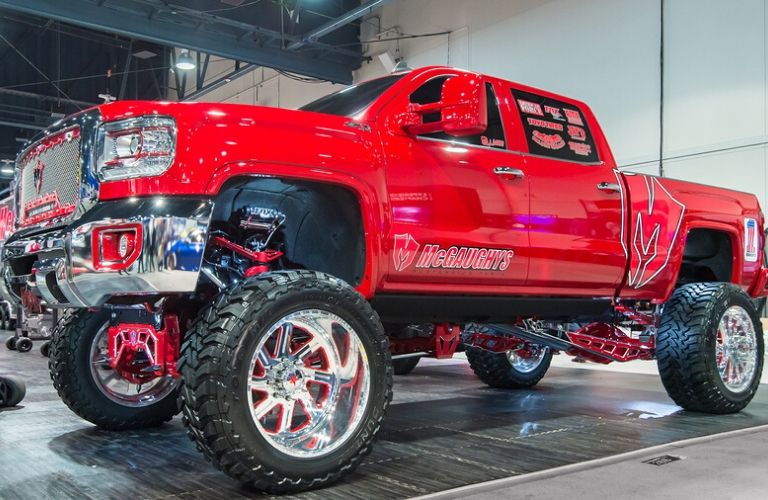
Is Canada Outlawing Lifted Trucks? A Comprehensive Guide
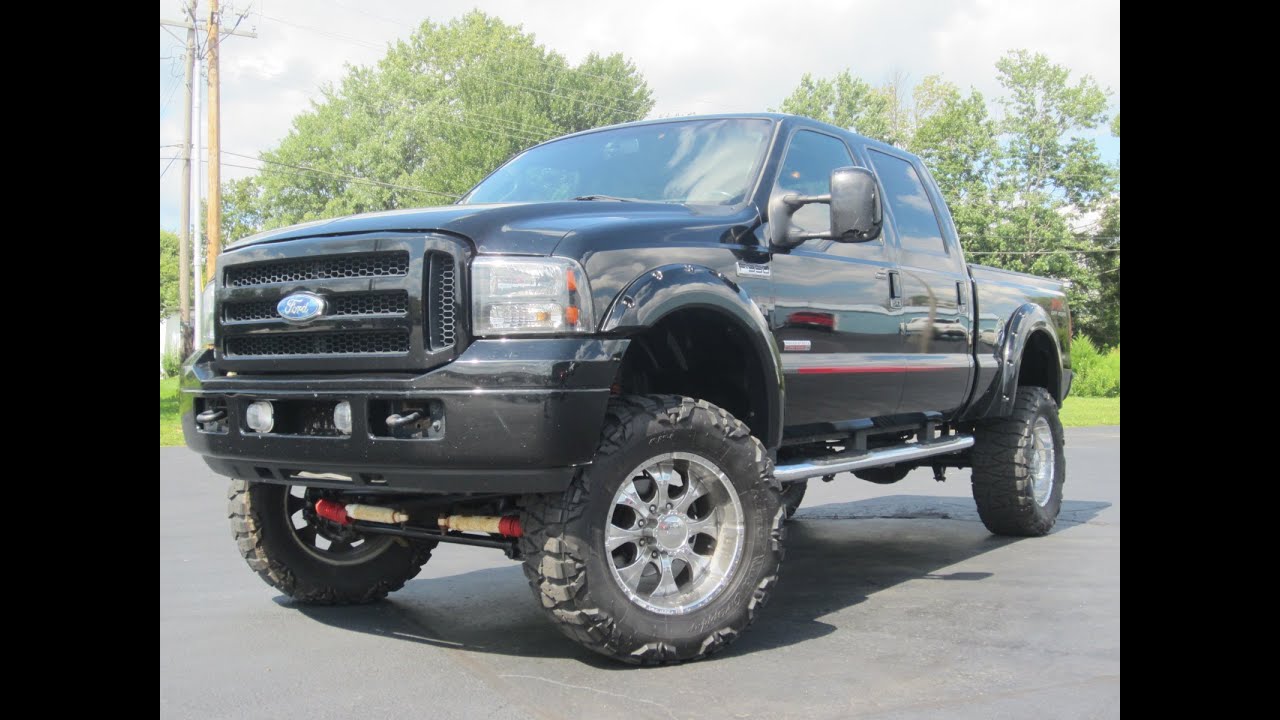
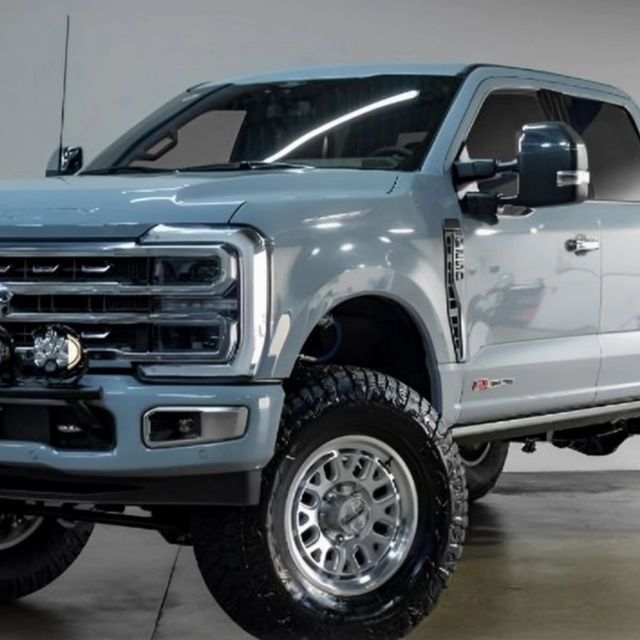
The rumble of a powerful engine, the commanding presence, and the sheer capability of a lifted truck are undeniable draws for many Canadian enthusiasts. However, a persistent rumour often circulates: "Is Canada outlawing lifted trucks?" This question sparks concern and confusion among truck owners, potential buyers, and the general public alike. Is the freedom to customize and enhance one’s vehicle truly under threat across the vast Canadian landscape?
This comprehensive article aims to cut through the speculation and provide clear, factual information regarding the legality and regulation of lifted trucks in Canada. We’ll delve into the nuances of provincial laws, safety considerations, and practical advice, ensuring you have a complete understanding of where Canada stands on this popular automotive modification. The short answer is no, Canada is not outright outlawing lifted trucks. However, there are stringent regulations governing modifications, designed to ensure safety and compliance.
The Current Regulatory Landscape in Canada
To understand the situation, it’s crucial to grasp that there isn’t a single, blanket federal law in Canada that outright bans or outlaws lifted trucks. Instead, the regulation of vehicle modifications, including suspension lifts, falls primarily under provincial and territorial jurisdiction. This means that what might be permissible in Alberta could be subject to different rules in Quebec or British Columbia.
Provinces and territories generally adhere to safety standards outlined in the National Safety Code (NSC), but they also enact their own specific legislation through their respective Highway Traffic Acts or Motor Vehicle Acts. These regulations are designed to ensure that modified vehicles remain safe for operation on public roads, preventing hazards to both the occupants of the modified vehicle and other road users.
Key areas of regulation often include:
- Maximum Bumper Height: To prevent severe underride/override collisions with other vehicles.
- Maximum Frame Height: Similar to bumper height, impacting collision compatibility.
- Tire Coverage: Fenders must adequately cover tires to prevent road debris from being flung at other vehicles or pedestrians.
- Fender Flares: Often required if tires protrude beyond the original fender line.
- Lighting Requirements: Headlights must remain at a specific height and angle to prevent blinding oncoming traffic. Tail lights and brake lights must remain clearly visible.
- Brake System Compatibility: Larger tires and wheels can affect braking performance, requiring upgrades to maintain safety standards.
- Speedometer Accuracy: Larger tires alter speedometer readings, which must be recalibrated.
- Steering Component Integrity: Lift kits can put additional stress on steering components, which must be robust enough to handle the change.
- Vehicle Safety Standards (MVSS/CSA): All modifications must ensure the vehicle continues to meet original safety standards where applicable.
The core principle behind these regulations is not to prohibit modifications but to ensure they are performed safely and do not compromise the vehicle’s integrity or public safety.
Why the Concern? Safety and Environmental Considerations
The widespread concern and the implementation of regulations surrounding lifted trucks stem from legitimate safety and, to a lesser extent, environmental considerations.
Safety Concerns:
- Increased Center of Gravity: Lifting a truck raises its center of gravity, which can significantly increase the risk of rollovers, especially during sharp turns or evasive maneuvers.
- Impaired Visibility: A highly lifted truck can obstruct the view of other drivers, particularly those in smaller vehicles, leading to blind spots and increased collision risk.
- Headlight Glare: Improperly adjusted headlights on a lifted vehicle can become a severe glare hazard for oncoming traffic, momentarily blinding drivers and increasing the risk of head-on collisions.
- Bumper Height Mismatch: In a collision, a significant height difference between vehicle bumpers can lead to severe damage and injury, as safety features like crumple zones and airbags may not deploy as intended.
- Component Failure: Poorly installed or incompatible lift kits and larger tires can place undue stress on suspension, steering, and braking components, potentially leading to catastrophic failure while driving.
- Braking Performance: Larger, heavier wheels and tires require more force to stop, often necessitating brake upgrades to maintain safe stopping distances.
Environmental Considerations (Less Direct):
- Fuel Efficiency: Larger, heavier, and often more aggressive tires, combined with increased aerodynamic drag from a higher stance, typically reduce fuel efficiency. This leads to higher fuel consumption and, consequently, increased greenhouse gas emissions. While not a primary driver for outlawing lifted trucks, it’s a factor in broader automotive policy.
- Emissions Testing: In provinces that conduct mandatory emissions testing, significant engine modifications (sometimes associated with the "lifted truck culture") could lead to non-compliance.
The regulations are fundamentally about mitigating these risks to ensure that while owners can enjoy their modified vehicles, they do so responsibly and without endangering others.
Navigating Provincial Regulations – A Closer Look
Given the provincial nature of these regulations, it’s essential for truck owners to be aware of the specific rules in their jurisdiction. While a comprehensive list for every province is beyond the scope of this article, here’s a look at some key provinces:
- British Columbia (BC): BC has a robust Vehicle Inspection Program (VIP). Heavily modified vehicles, including those with significant lifts, may require inspection by a designated inspection facility. Regulations focus on ensuring tires are covered by fenders, appropriate bumper heights, and that all modifications are structurally sound and safe. BC’s Motor Vehicle Act sets out general safety standards.
- Alberta: Alberta’s Traffic Safety Act and Vehicle Equipment Regulation stipulate requirements for vehicle modifications. Emphasis is placed on ensuring that modifications do not compromise vehicle safety or performance. Bumper height, tire coverage, and lighting are key areas of focus. Alberta generally requires modifications to be "properly engineered" and installed.
- Ontario: The Ontario Highway Traffic Act (HTA) has provisions that address vehicle modifications. Sections related to "unsafe vehicle," "improper equipment," and specific dimensions (like bumper height) are used to regulate lifted trucks. Fender flares are often required if tires extend beyond the body. Any modification must not adversely affect the vehicle’s handling, stability, or braking.
- Quebec: The Société de l’assurance automobile du Québec (SAAQ) is known for having some of the stricter regulations in Canada. Quebec’s Highway Safety Code is quite specific about vehicle dimensions, tire protrusion, and suspension modifications. It’s not uncommon for heavily modified vehicles to require engineering certification to be deemed road-legal.
- Other Provinces (e.g., Saskatchewan, Manitoba, Atlantic Provinces): While specific details vary, the underlying principles remain consistent: modifications must not create an unsafe condition, must maintain adequate tire coverage, appropriate lighting, and safe bumper heights. Many provinces refer to the National Safety Code standards as a baseline.
It is paramount for any current or aspiring lifted truck owner to consult the official websites of their provincial Ministry of Transportation or equivalent regulatory body for the most accurate and up-to-date information.
Important Considerations for Lifted Truck Owners
If you own or plan to modify a truck, keep the following in mind:
- Professional Installation is Key: Always have lift kits and other significant modifications installed by certified, reputable professionals. This ensures proper installation, use of correct parts, and adherence to safety standards.
- Engineering Certification: For substantial modifications, some provinces may require an engineer’s stamp or certification to confirm the vehicle’s safety and compliance.
- Insurance Implications: It is absolutely crucial to inform your insurance provider about any significant vehicle modifications. Failure to do so could result in your policy being voided, leaving you without coverage in the event of an accident. Your premiums may also increase.
- Vehicle Inspections: Be prepared for safety inspections. This could be part of a transfer of ownership, a random spot check, or a provincial requirement for heavily modified vehicles.
- Choosing the Right Lift Kit: Invest in high-quality lift kits designed for your specific vehicle. Cheap or incompatible kits can lead to serious safety issues.
- Regular Maintenance: Lifted trucks, especially those frequently driven off-road, require more frequent and thorough maintenance checks on suspension, steering, and brake components.
Practical Advice and Actionable Insights
For those passionate about lifted trucks, here’s how to ensure you’re on the right side of the law and prioritize safety:
- Know Your Provincial Limits: Before purchasing or modifying, thoroughly research the specific height, tire, and modification regulations for your province or territory. The provincial Ministry of Transportation or equivalent body’s website is your best resource.
- Documentation is Key: Keep all receipts, installation records, and any engineering certifications related to your modifications. This documentation can be invaluable if questioned by law enforcement or your insurance company.
- Perform Regular Inspections: Conduct routine checks on your modified vehicle. Pay close attention to suspension components, tire wear, steering linkages, and brake lines.
- Drive Responsibly: Be aware that a lifted truck handles differently. Allow for increased stopping distances, be cautious in turns, and be mindful of your vehicle’s height, especially in parking garages or underpasses.
- Consult Experts: Don’t hesitate to speak with reputable off-road shops, mechanics specializing in modifications, or even your provincial regulatory body for clarification on specific rules.
- Prioritize Safety Over Aesthetics: While a lifted truck looks impressive, never compromise safety for appearance. Ensure all modifications enhance or maintain the vehicle’s structural integrity and operational safety.
For more detailed information on Canadian transport regulations, you can refer to official government sources such as Canada Transport Regulations.
Concluding Summary
In conclusion, the notion that Canada is "outlawing lifted trucks" is a misconception. Instead, Canada, through its provincial and territorial governments, has established a framework of regulations designed to ensure that vehicle modifications, including lifting trucks, are performed safely and do not pose undue risks to the public. There is no federal ban, but provincial laws dictate what is permissible.
The onus is squarely on the truck owner to understand and comply with these regulations. By prioritizing professional installation, understanding provincial limits, maintaining proper documentation, and driving responsibly, lifted truck enthusiasts can continue to enjoy their vehicles legally and safely across Canada. It’s a balance between the freedom of personal customization and the overarching imperative of public safety on our roads.
Summary Table: Key Information on Lifted Truck Regulations in Canada
| Feature/Aspect | Description | General Canadian Stance (Provincial Variation) |
|---|---|---|
| Federal Ban | Is there a national law outlawing lifted trucks? | NO. Regulations are provincial/territorial. |
| Primary Regulatory Body | Who enforces rules on vehicle modifications? | Provincial Ministries of Transportation (or equivalent, e.g., SAAQ in Quebec). |
| Key Regulatory Focus | What aspects of lifted trucks are most regulated? | Bumper height, frame height, tire coverage, lighting, steering, braking, structural integrity. |
| Safety Concerns | Why are lifted trucks regulated? | Increased rollover risk, impaired visibility, headlight glare, collision mismatch, component failure. |
| Tire Coverage | Are tires allowed to protrude beyond the vehicle body? | Generally NO without appropriate fender flares. Strict in most provinces. |
| Bumper Height Limits | Are there restrictions on how high bumpers can be? | YES. Specific maximum heights vary by province to ensure collision compatibility. |
| Engineering Certification | Is an engineer’s stamp required for modifications? | Sometimes, especially for significant or complex modifications (e.g., Quebec, BC for heavy mods). |
| Insurance Notification | Do I need to tell my insurance company about modifications? | ABSOLUTELY YES. Failure to do so can void your policy. |
| Vehicle Inspections | Are modified vehicles subject to special inspections? | Often. Especially during ownership transfer or in provinces with periodic safety checks. |
| Professional Installation | Is DIY lifting generally acceptable? | Strongly advised against for safety and compliance. Professional installation is highly recommended. |
| Environmental Impact | Are emissions or fuel efficiency a direct regulatory factor for lifts? | Indirectly (via fuel economy/emissions testing). Not a primary ban reason, but a broader consideration. |
| Enforcement | How are these regulations enforced? | Police roadside checks, mandatory safety inspections, vehicle registration processes. |
Frequently Asked Questions (FAQ)
Q1: Is there a federal law against lifted trucks in Canada?
A1: No, there is no federal law in Canada that outright outlaws lifted trucks. The regulation of vehicle modifications, including lifts, falls under the jurisdiction of individual provinces and territories.
Q2: What’s the biggest concern with lifted trucks from a regulatory perspective?
A2: The primary concern is public safety. Regulators focus on issues like increased rollover risk, impaired visibility for other drivers, headlight glare, bumper height mismatch in collisions, and the potential for component failure if modifications are not done correctly.
Q3: Do I need to declare modifications to my insurance company?
A3: Yes, absolutely. It is crucial to inform your insurance provider about any significant modifications to your vehicle, including lift kits. Failure to do so could lead to your policy being voided in the event of an accident, leaving you personally liable for damages.
Q4: Can I lift my truck myself, or do I need professional installation?
A4: While some individuals have the skills, it is strongly recommended that lift kits and other significant modifications be installed by certified, reputable professionals. This ensures the work is done correctly, safely, and in compliance with provincial regulations, which often require proper engineering and installation.
Q5: How do I find the specific regulations for my province regarding lifted trucks?
A5: You should consult the official website of your provincial Ministry of Transportation (or equivalent body, such as the SAAQ in Quebec). These sites will have detailed information on the Highway Traffic Act, Motor Vehicle Act, or other relevant regulations pertaining to vehicle dimensions, equipment, and modifications.
Q6: What happens if my lifted truck is found to be non-compliant with provincial regulations?
A6: If your lifted truck is deemed non-compliant, you could face various consequences, including fines, orders to fix the vehicle, or even having your vehicle impounded. In some cases, repeated non-compliance could lead to more severe penalties or affect your vehicle registration. Your insurance could also be invalid.