Work Trucks for Sale: A Comprehensive Guide to Finding Your Business’s Backbone
Work Trucks for Sale: A Comprehensive Guide to Finding Your Business’s Backbone
In the bustling world of commerce and trade, where deadlines loom and every job demands reliable tools, the work truck for sale stands as an indispensable asset. More than just a vehicle, a work truck is the mobile headquarters, the heavy lifter, and the loyal partner that empowers businesses, tradespeople, and contractors to get the job done efficiently and safely. This comprehensive guide delves into everything you need to know about navigating the market for work trucks, ensuring you make an informed decision that drives your business forward.
What Defines a Work Truck and Why It Matters
A work truck, at its core, is a vehicle specifically designed and often customized for commercial or industrial applications. Unlike consumer-grade pickup trucks primarily used for personal transport or light hauling, work trucks are built to withstand rigorous daily use, carry significant payloads, tow heavy equipment, and often accommodate specialized tools and machinery. They are the backbone of countless industries, from construction and landscaping to plumbing, electrical work, delivery services, and emergency response.
The importance of a well-chosen work truck cannot be overstated. It directly impacts productivity, operational efficiency, safety, and ultimately, a company’s bottom line. Investing in the right work truck for sale means investing in reliability, minimizing downtime, and enhancing the capacity to undertake diverse and demanding tasks. It’s not merely a purchase; it’s a strategic business decision that underpins the success of your operations.
The Diverse World of Work Trucks for Sale
The market for work trucks is incredibly diverse, offering a spectrum of vehicles tailored to specific needs. Understanding these categories and common configurations is the first step in identifying the perfect fit.
Types and Categories
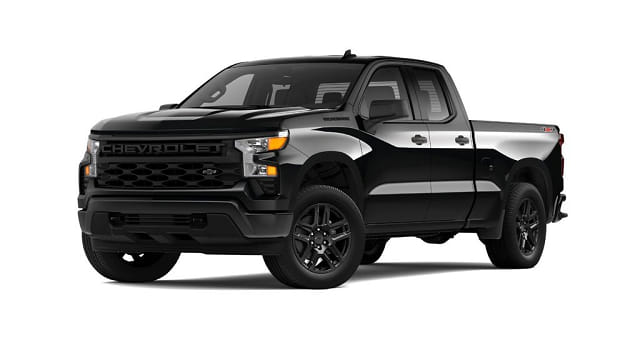
- Light-Duty Work Trucks: These often include popular models like the Ford F-150, Chevrolet Silverado 1500, and Ram 1500, but equipped with commercial-grade features or upfits. They are ideal for smaller businesses, independent contractors, or roles requiring a balance of hauling capacity and maneuverability. Common upfits include utility beds, service bodies, and enclosed toppers for tool storage.
- Medium-Duty Work Trucks: Stepping up in capability, this category encompasses trucks such as the Ford F-250/350/450, Chevrolet Silverado/GMC Sierra 2500/3500, and Ram 2500/3500. These are built for heavier loads, more demanding towing, and often serve as platforms for specialized equipment. You’ll frequently find them with flatbeds, dump beds, snowplow packages, or more extensive service bodies.
- Heavy-Duty Work Trucks: For the most rigorous applications, heavy-duty trucks like the Ford F-550/650, Ram 4500/5500, and larger chassis cabs from manufacturers like Kenworth or Freightliner are essential. These are engineered for severe service, forming the base for tow trucks, large utility vehicles, crane trucks, and extensive custom builds.
- Specialized Commercial Vehicles: Beyond traditional pickups, the work truck umbrella includes a variety of purpose-built vehicles:
- Utility Vans: Enclosed vans (e.g., Ford Transit, Ram ProMaster, Mercedes-Benz Sprinter) often upfitted with shelving, bins, and workbenches for mobile workshops or delivery.
- Box Trucks: Vehicles with an integrated, enclosed cargo area, ideal for moving services, deliveries, or mobile workshops requiring significant internal space.
- Stake Bed Trucks: Flatbeds with removable stakes or panels, offering flexibility for various cargo types.
- Bucket Trucks & Crane Trucks: Highly specialized vehicles for utility work, construction, and lifting operations.
Common Upfits and Configurations
The true versatility of a work truck often lies in its upfit – the specialized body or equipment added to the chassis. Popular upfits include:
- Service Bodies: Compartmentalized storage units replacing the standard truck bed, providing organized access to tools and parts.
- Flatbeds: A flat, open platform for hauling oversized or irregularly shaped cargo.
- Dump Beds: Hydraulically lifted beds for easy unloading of loose materials like dirt, gravel, or debris.
- Lift Gates: Hydraulic platforms mounted at the rear for effortless loading and unloading of heavy items.
- Plow Packages: Reinforced frames and wiring for mounting snowplows.
- Toolboxes & Storage Solutions: Integrated or aftermarket boxes for secure and organized storage.
Key Considerations When Evaluating Work Trucks for Sale
Choosing the right work truck for sale requires careful thought and a clear understanding of your operational needs.
- Define Your Specific Needs:
- Task Requirements: What jobs will the truck perform daily? Hauling materials, towing equipment, carrying tools, accessing remote sites?
- Payload & Towing Capacity: Crucial metrics. Know the weight of your heaviest tools, materials, and trailers. Never exceed the Gross Vehicle Weight Rating (GVWR) or Gross Combined Weight Rating (GCWR).
- Cargo Volume & Storage: Do you need enclosed space, open bed, or specialized compartments?
- Crew Size: How many passengers will typically ride in the truck? Consider cab configurations (regular, extended, crew).
- Terrain: Will you operate on paved roads, construction sites, or off-road? This dictates 2WD vs. 4WD.
- Budget and Financing:
- New vs. Used: New trucks offer warranties and the latest tech but come at a premium. Used trucks can be cost-effective but require thorough inspection.
- Leasing vs. Buying: Leasing can offer lower monthly payments and tax advantages, while buying provides ownership and equity.
- Total Cost of Ownership (TCO): Consider not just the purchase price but also fuel efficiency, insurance, maintenance, parts availability, and potential resale value.
- Engine and Drivetrain:
- Gasoline vs. Diesel: Gasoline engines are typically cheaper upfront, quieter, and sufficient for lighter duties. Diesel engines offer superior torque, fuel efficiency for heavy loads, and longevity, making them ideal for sustained heavy use and towing, though they have higher maintenance costs.
- 2WD vs. 4WD: 2WD is more fuel-efficient and sufficient for paved roads. 4WD provides traction for off-road conditions, snow, or slippery surfaces.
- Transmission: Automatic transmissions are common, but manual options still exist for certain heavy-duty applications.
- Upfit Requirements:
- Standard vs. Custom: Can a standard upfit meet your needs, or do you require a custom solution?
- New vs. Used Upfits: Sometimes, a used chassis can be paired with a new or refurbished upfit, saving costs.
- Reliability and Maintenance:
- Brand Reputation: Research manufacturers known for durability and commercial vehicle support.
- Service History (for used trucks): A complete maintenance record is invaluable.
- Parts Availability & Service Network: Ensure that parts and qualified service centers are readily accessible.
- Warranty: Understand what’s covered, especially for used trucks or those with aftermarket upfits.
- Safety Features: Modern work trucks offer advanced safety technologies, including backup cameras, blind-spot monitoring, forward collision warning, and lane-keeping assist. These can reduce accidents and insurance costs.
Where to Find Work Trucks for Sale: Your Actionable Guide
Locating the ideal work truck for sale involves exploring various avenues.
- Commercial Truck Dealerships: These specialized dealerships focus exclusively on commercial vehicles, offering new and used options, financing, and often custom upfitting services. They have knowledgeable staff who understand business needs.
- New Vehicle Dealerships (Commercial Sales Divisions): Many major automotive brands (Ford, Chevy, Ram, GMC) have dedicated commercial sales departments that can help spec out new trucks and connect you with upfitters.
- Online Marketplaces:
- Dedicated Commercial Vehicle Sites: Websites like CommercialTruckTrader.com or TruckPaper.com specialize in work trucks and heavy equipment.
- General Classifieds: Sites like Craigslist, Facebook Marketplace, or eBay Motors can list private sellers or smaller dealers, but require extra caution and verification.
- Manufacturer Certified Pre-Owned (CPO) Programs: Offer used trucks with warranties and inspections, providing peace of mind.
- Auctions: Government, fleet, and salvage auctions can offer competitive prices, but they often involve “as-is” sales and require expertise to assess vehicle condition accurately.
- Fleet Sales & Private Sellers: Businesses upgrading their fleets often sell well-maintained trucks directly. Networking with other businesses or checking local business listings can uncover these opportunities.
Tips for Inspection and Purchase
- Pre-Purchase Inspection (PPI): Always have an independent, qualified mechanic inspect any used truck you’re considering.
- Test Drive: Evaluate engine performance, transmission shifts, brakes, steering, and overall ride comfort under conditions similar to your typical use.
- Check Service Records: Look for consistent maintenance, especially for diesel engines.
- VIN Check: Run a Vehicle Identification Number (VIN) check to review accident history, previous ownership, and reported issues.
- Inspect the Upfit: Thoroughly examine any installed upfit for damage, wear, and proper functionality.
The Benefits of Investing in the Right Work Truck
A carefully selected work truck for sale offers substantial returns on investment:
- Increased Productivity & Efficiency: Tools and materials are organized and accessible, reducing time spent searching. Reliable transport minimizes delays.
- Enhanced Professionalism & Brand Image: A clean, well-maintained, and properly equipped work truck projects a professional image, building client trust.
- Improved Safety: Modern work trucks and proper upfits provide secure storage, better visibility, and advanced safety features, protecting workers and equipment.
- Cost Savings: Reduced downtime due to breakdowns, optimized fuel consumption for the task at hand, and avoidance of rental fees for specialized equipment.
- Versatility & Adaptability: The right truck can handle a wider range of jobs, allowing businesses to expand services and take on new challenges.
Challenges and Solutions in the Work Truck Market
While the benefits are clear, navigating the work truck market can present challenges.
- Challenge: High Initial Cost.
- Solution: Explore diverse financing options (loans, leases), consider well-maintained used trucks, and factor in potential tax deductions (e.g., Section 179).
- Challenge: Finding the Exact Configuration.
- Solution: Work with specialized commercial dealers who can facilitate custom upfitting. Be patient, as specialized builds may take time. Consider buying a chassis cab and adding an aftermarket upfit.
- Challenge: Maintenance and Downtime.
- Solution: Prioritize preventative maintenance schedules. Partner with reputable service providers. For critical operations, consider having a backup vehicle or a service agreement.
- Challenge: Fuel Efficiency Concerns.
- Solution: Choose the appropriate engine for your load requirements (diesel for heavy hauling, gas for lighter). Implement driver training for efficient driving habits. Ensure proper tire inflation and loading.
Table: Estimated Pricing for Common Work Trucks (New & Used)
| Truck Type / Upfit | New (Estimated Range) | Used (Estimated Range) | Key Use Case |
|---|---|---|---|
| Light-Duty Pickup (e.g., F-150) | $35,000 – $65,000+ | $15,000 – $45,000+ (5-10 years old) | Light hauling, personal use, basic utility |
| Light-Duty w/ Service Body | $50,000 – $80,000+ | $25,000 – $55,000+ | Plumbers, electricians, HVAC, general contractors |
| Medium-Duty Pickup (e.g., F-250/350) | $50,000 – $90,000+ | $20,000 – $60,000+ | Heavy towing, construction, landscaping |
| Medium-Duty w/ Flatbed/Dump Body | $65,000 – $120,000+ | $30,000 – $80,000+ | Construction, demolition, material transport |
| Heavy-Duty Chassis Cab (e.g., F-550) | $70,000 – $150,000+ | $35,000 – $100,000+ | Tow trucks, large utility, crane platforms |
| Cargo Van (e.g., Transit, Sprinter) | $40,000 – $70,000+ | $18,000 – $45,000+ | Delivery, mobile workshop, HVAC, locksmiths |
| Box Truck (16-26 ft) | $60,000 – $120,000+ | $25,000 – $75,000+ | Moving, delivery, freight, large equipment |
| Bucket Truck (Entry Level) | $100,000 – $250,000+ | $40,000 – $150,000+ | Utility work, tree trimming, signage installation |
Note: Prices are highly variable based on make, model, year, mileage, condition, specific features, and regional market conditions. These are general estimates and should be verified with current market research.
Frequently Asked Questions (FAQ) about Work Trucks for Sale
Q1: What’s the main difference between light-duty, medium-duty, and heavy-duty work trucks?
A1: The primary distinction lies in their Gross Vehicle Weight Rating (GVWR) and intended use. Light-duty (Class 1-3) are typically under 14,000 lbs GVWR, for lighter tasks. Medium-duty (Class 4-6) range from 14,001 to 26,000 lbs GVWR, for heavier loads and specialized upfits. Heavy-duty (Class 7-8) are over 26,001 lbs GVWR, designed for the most demanding applications like semi-trucks, large dump trucks, and specialized vocational vehicles.
Q2: Is it better to buy a new or used work truck?
A2: It depends on your budget, needs, and risk tolerance. New trucks offer warranties, the latest technology, and customization options. Used trucks are more affordable upfront and can offer significant value, but require thorough inspection and potentially more maintenance. For many businesses, a well-maintained used truck can be a smart investment.
Q3: How important are payload and towing capacity?
A3: Extremely important. Payload is the maximum weight a truck can carry in its cab and bed, while towing capacity is the maximum weight it can pull. Exceeding these limits is unsafe, illegal, and can damage the vehicle, void warranties, and lead to costly repairs. Always know the weight of your cargo and equipment.
Q4: Can I finance a used work truck?
A4: Yes, financing options are available for used work trucks through dealerships, banks, credit unions, and specialized commercial lenders. The terms and interest rates may vary based on the truck’s age, mileage, your creditworthiness, and the loan amount.
Q5: What should I look for during a pre-purchase inspection of a used work truck?
A5: Key areas include the engine (fluid leaks, strange noises, exhaust smoke), transmission (smooth shifting), brakes (pad wear, rotor condition), tires (tread depth, uneven wear), suspension (shocks, springs, bushings), frame (rust, cracks, previous accident damage), and all electrical components. Don’t forget to check the functionality of any installed upfits. A professional mechanic’s inspection is highly recommended.
Q6: Are there tax benefits for buying a work truck?
A6: Yes, businesses can often take advantage of tax deductions for purchasing work trucks. Section 179 of the IRS tax code allows businesses to deduct the full purchase price of qualifying equipment (including many work trucks) in the year it’s placed into service, up to certain limits. Consult with a tax professional for specific advice tailored to your situation.
Conclusion: Your Work Truck, Your Business’s Future
The journey to finding the ideal work truck for sale is a critical one for any business. It demands a clear understanding of your operational requirements, diligent research, and careful evaluation of the available options. By defining your needs, exploring the diverse market, considering key factors like budget and reliability, and performing thorough inspections, you can secure a vehicle that not only meets your demands but also propels your business to new heights. A well-chosen work truck is more than just a purchase; it’s a foundational investment in productivity, professionalism, and the long-term success of your enterprise.
For more information on commercial vehicles and available listings, you can explore resources like CommercialTrucksForSale.com.