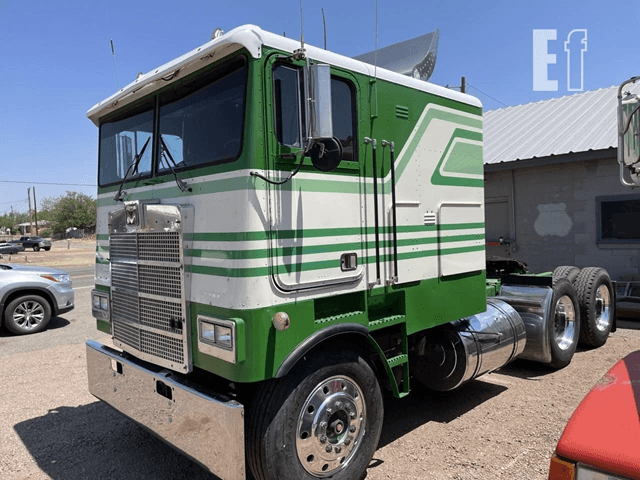
Cabover Trucks For Sale Your Ultimate Guide to Compact Powerhouses
Cabover Trucks For Sale Your Ultimate Guide to Compact Powerhouses In the vast landscape of commercial vehicles, cabover trucks stand out as a unique and highly practical solution for a myriad of industries. Defined by their distinctive design where the driver’s cab sits directly over the engine, these trucks maximize cargo space and maneuverability, making them indispensable workhorses in environments where conventional trucks struggle. For businesses and owner-operators seeking efficiency, visibility, and a smaller footprint without sacrificing power, exploring “cabover trucks for sale” opens up a world of versatile possibilities.
This comprehensive guide will delve into everything you need to know about purchasing a cabover truck, from understanding their inherent advantages to navigating the market, ensuring you make an informed decision that drives your operations forward. Whether you’re upgrading your fleet, starting a new venture, or simply curious about these compact titans, read on to uncover the value and utility they offer.
Understanding the Cabover Advantage: Why Choose One?
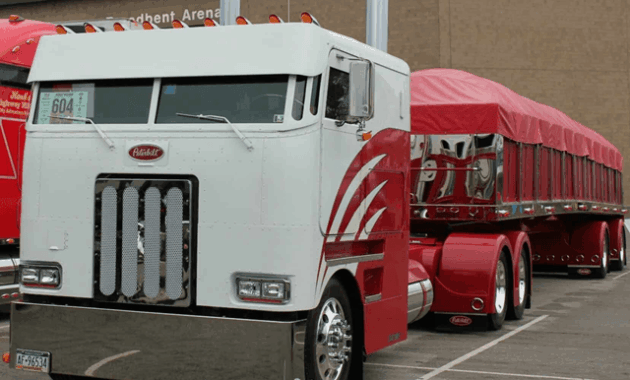
The unique design of cabover trucks isn’t just an aesthetic choice; it’s a functional imperative that delivers significant operational benefits. When you look at cabover trucks for sale, you’re not just buying a vehicle; you’re investing in a strategic advantage.
- Superior Maneuverability: This is arguably the most compelling benefit. With the engine positioned beneath the cab, the overall length of the truck is significantly reduced compared to conventional long-nose trucks. This shorter wheelbase translates into an exceptionally tight turning radius, allowing cabovers to navigate congested city streets, loading docks, construction sites, and narrow residential areas with remarkable ease. For urban delivery, refuse collection, or any application requiring frequent stops and tight turns, a cabover is often the only practical solution.
- Enhanced Visibility: Sitting directly above the engine, drivers in cabover trucks enjoy a commanding view of the road and surroundings. The absence of a long hood provides an unobstructed sightline directly in front of the vehicle, reducing blind spots and improving safety, especially in high-traffic areas or when maneuvering in close quarters. This superior forward visibility is invaluable for preventing accidents and increasing driver confidence.
- Optimized Cargo Space and Length: The compact design means more of the truck’s overall length can be dedicated to cargo or specialized equipment. This is particularly beneficial for operations that need to maximize load capacity within legal length restrictions, such as flatbeds, car carriers, or specific vocational bodies like concrete pumpers and dump trucks. You get more payload for a given overall vehicle length.
- Easier Engine Access (Modern Designs): While older cabovers sometimes made engine access challenging, modern designs feature tilting cabs that can be hydraulically or electrically raised to expose the entire engine compartment. This provides unparalleled access for routine maintenance, inspections, and repairs, often making these tasks simpler and quicker than in conventional trucks where access might be limited by the hood and firewall.
- Fuel Efficiency (Contextual): While not universally true for all classes, the more aerodynamic profile of some modern cabovers, especially those designed for regional haul in Europe and Asia, can contribute to better fuel economy. For vocational applications, the efficiency comes from the ability to complete tasks in less time due to superior maneuverability.
Key Considerations When Buying a Cabover Truck
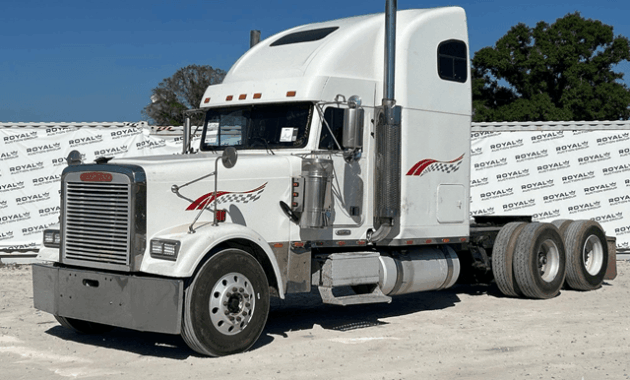
Embarking on the journey to find cabover trucks for sale requires careful consideration of several factors to ensure your investment aligns perfectly with your operational needs and budget.
- New vs. Used:
- New Cabovers: Offer the latest technology, safety features, warranties, and customization options. They come with a higher upfront cost but provide peace of mind regarding reliability and long-term support.
- Used Cabovers: Represent a more budget-friendly option. It’s crucial to thoroughly inspect the vehicle’s history, mileage, engine hours, maintenance records, and overall condition. A pre-purchase inspection by a trusted mechanic is non-negotiable for used trucks.
- Application and Class: Cabovers come in various sizes and capacities, from light-duty Class 3-5 models (e.g., Isuzu N-Series, Hino 195) ideal for urban delivery and landscaping, to medium-duty Class 6-7 trucks (e.g., Fuso Canter, UD Trucks) suited for refuse, regional haul, and specialized vocational uses. Clearly define your intended application to determine the appropriate Gross Vehicle Weight Rating (GVWR) or Gross Combination Weight Rating (GCWR).
- Engine and Drivetrain: Evaluate the engine’s power output, torque, and fuel efficiency. Consider the transmission type – automatic transmissions are increasingly popular for their ease of use in stop-and-go city driving, while manual transmissions might be preferred for certain heavy-duty applications or specific driver preferences.
- Cab Features and Comfort: While often seen as purely utilitarian, modern cabovers offer significant improvements in driver comfort. Look for features like air-ride seats, climate control, ergonomic dashboard layouts, power accessories, and adequate storage. For drivers spending long hours in the cab, these features can significantly impact productivity and satisfaction.
- Maintenance and Parts Availability: Research the availability of parts and service for the specific make and model you’re considering. While major brands like Isuzu, Hino, and Fuso have extensive dealer networks, parts for older or less common imported models might be harder to source.
- Resale Value: Certain brands and models tend to hold their value better than others. Consider the long-term investment and potential resale when making your purchase.
Types of Cabover Trucks for Sale
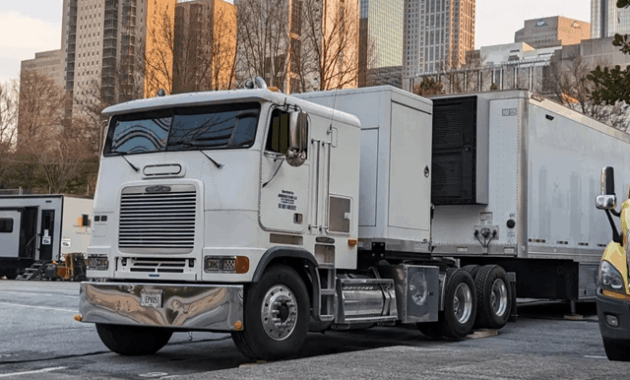
The market for cabover trucks is diverse, offering specialized configurations for nearly every industry.
- Light-Duty Cabovers (Class 3-5): These are the most common cabovers seen on city streets. Examples include the Isuzu N-Series, Hino 195, and Fuso Canter. They are perfect for last-mile delivery, landscaping, refrigeration, utility services, and small construction projects. Their compact size allows them to navigate tight urban spaces effortlessly.
- Medium-Duty Cabovers (Class 6-7): Stepping up in capability, these trucks offer higher payload capacities and more robust chassis. They are frequently used for refuse collection, beverage delivery, flatbeds, box trucks for regional hauling, and specialized vocational bodies like street sweepers or bucket trucks.
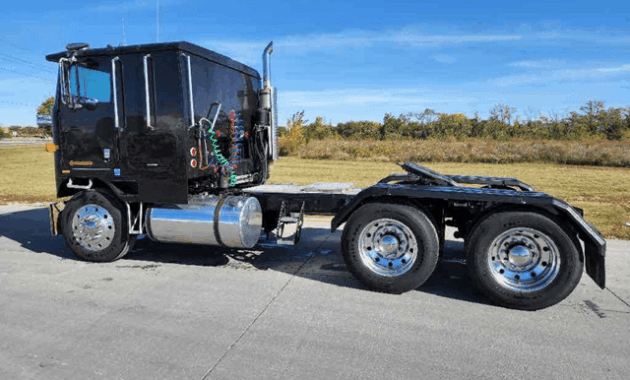
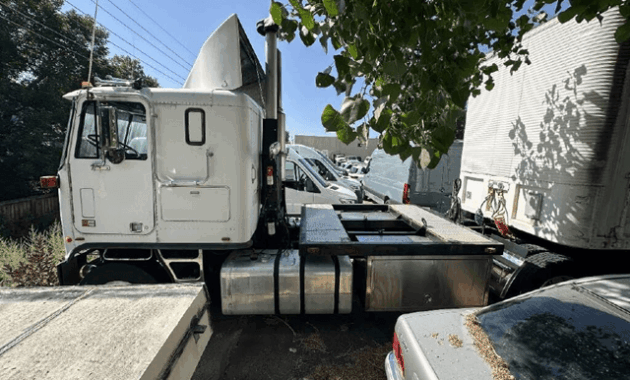
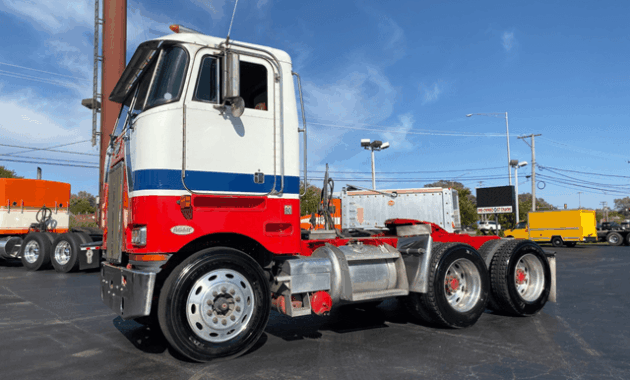
- Heavy-Duty Cabovers (Class 8): While less common in the North American line-haul market today (where conventional trucks dominate), older heavy-duty cabovers from brands like Peterbilt, Kenworth, Freightliner, and even imported European models (Volvo, Scania, DAF) can still be found for sale, often repurposed for specific vocational applications or as collector’s items. In other parts of the world, heavy-duty cabovers are the standard for long-haul trucking.
- Specialized Cabovers: This category includes purpose-built vehicles such as fire trucks, concrete pumpers, car carriers, and terminal tractors (yard goats). These trucks leverage the cabover design for optimal maneuverability and to accommodate complex superstructures.
Navigating the Market: Where to Find Cabover Trucks for Sale
Finding the right cabover requires knowing where to look and how to evaluate your options.
- Authorized Dealerships: For new trucks, authorized dealerships of brands like Isuzu, Hino, and Fuso are your primary source. They offer new models, manufacturer warranties, financing options, and often a selection of certified pre-owned trucks.
- Online Marketplaces: Websites like TruckPaper.com, CommercialTruckTrader.com, and eBay Motors list thousands of used commercial trucks from dealers and private sellers across the country. These platforms allow you to filter by make, model, year, price, and location, making it easy to compare options.
- Auctions: Commercial truck auctions (e.g., Ritchie Bros. Auctioneers, IronPlanet) can be excellent places to find deals, especially on used fleet vehicles. However, buying at auction requires thorough pre-inspection as sales are typically “as-is, where-is.”
- Private Sellers: While less common for commercial vehicles, some private owners sell their trucks directly. This can sometimes lead to better pricing, but due diligence on vehicle history and condition is paramount.
- Fleet Sales: Large companies often cycle out older trucks, selling them directly or through specialized brokers. These can be well-maintained vehicles, but again, inspection is key.
Actionable Tip: When searching online, use specific keywords like “Isuzu cabover for sale,” “Hino 195 for sale,” or “medium duty cabover truck” to narrow down your results. Be prepared to travel or arrange for shipping if the perfect truck isn’t locally available. For a wide selection of listings and resources related to these vehicles, you might visit (Note: This is a placeholder for where a real link would be).
The Buying Process: A Step-by-Step Guide
Purchasing a cabover truck is a significant investment. Follow these steps for a smooth and informed buying experience:
- Define Your Needs and Budget: Before you even start looking, clearly outline what you need the truck for, the type of cargo, daily mileage, and your maximum budget (including financing, insurance, and potential modifications).
- Research Models and Brands: Based on your needs, research specific cabover models known for reliability, features, and suitability for your application. Read reviews and compare specifications.
- Locate Potential Trucks: Utilize the resources mentioned above (dealerships, online marketplaces, auctions) to find trucks that match your criteria.
- Initial Contact and Information Gathering: For each promising listing, contact the seller to gather more details. Ask for maintenance records, vehicle history reports (like Carfax for commercial vehicles), and detailed photos or videos.
- Schedule an Inspection: This is the most crucial step, especially for used trucks.
- Personal Inspection: Examine the exterior (body damage, rust), interior (wear and tear, functionality of controls), tires, and undercarriage. Check for fluid leaks.
- Test Drive: Pay attention to engine performance, transmission shifting, braking, steering, and any unusual noises. Test all lights, wipers, and HVAC.
- Professional Pre-Purchase Inspection: Hire a qualified heavy-duty mechanic to perform a comprehensive inspection. They can identify hidden mechanical issues, assess the engine and drivetrain’s health, and provide an objective evaluation.
- Secure Financing: Explore financing options through banks, credit unions, or dealership financing. Get pre-approved if possible to strengthen your negotiating position.
- Negotiate the Price: Be prepared to negotiate. For used trucks, leverage any identified issues from the inspection to ask for a discount or repairs.
- Complete Paperwork: Ensure all titles, registrations, bills of sale, and warranty documents are correctly filled out and transferred. Understand any applicable sales taxes and registration fees.
- Insurance: Secure appropriate commercial truck insurance before taking possession of the vehicle.
Challenges and Solutions
While cabover trucks offer many benefits, it’s important to be aware of potential challenges and how to address them.
- Perceived Driver Comfort: Older cabover designs were sometimes criticized for being less comfortable than conventional trucks due to engine noise and vibrations directly under the cab.
- Solution: Modern cabovers have significantly improved sound insulation, air-ride cabs, and ergonomic interiors that greatly enhance driver comfort, making them suitable for long shifts.
- Engine Access (Initial Impression): Some buyers are initially apprehensive about engine access compared to simply lifting a hood.
- Solution: As mentioned, modern cabovers feature hydraulic tilting cabs that provide superior, unobstructed access to the engine and components, often making maintenance easier than reaching into a cramped conventional engine bay.
- Parts Availability for Older/Obscure Models: Finding specific parts for very old or less common imported cabover models can sometimes be a challenge in North America.
- Solution: Stick to well-established brands with extensive dealer networks and parts distribution. Research parts availability before purchasing an older or less common model.
- Aerodynamics for Long Haul: For dedicated long-haul, open-road driving, the boxier front end of some cabovers can be less aerodynamic than conventional trucks, potentially impacting fuel efficiency at high speeds.
- Solution: This is generally less of a concern for the vocational and urban delivery applications where cabovers excel. For specific regional haul, modern cabovers often feature aerodynamic enhancements.
Cabover Trucks For Sale: Representative Price Table
Please note that the prices for cabover trucks can vary significantly based on make, model, year, condition, mileage, features, market demand, and geographic location. The table below provides a representative estimate for both used and new models, focusing on common classes and applications. Always verify current market prices from multiple sources.
| Make/Model (Examples) | Class (GVWR) | Typical Use Case | Est. Used Price Range ($) | Est. New Price Range ($) | Key Features/Notes |
|---|---|---|---|---|---|
| Isuzu N-Series | Class 3-5 | Urban Delivery, Landscaping, Reefer | 20,000 – 60,000 | 45,000 – 85,000 | Highly maneuverable, fuel-efficient, widespread dealer support. |
| Hino 195 / L6 | Class 4-5 | Box Trucks, Flatbeds, Service | 25,000 – 70,000 | 50,000 – 90,000 | Durable, comfortable cab, good visibility, strong resale. |
| Fuso Canter | Class 3-5 | City Delivery, Dump, Utility | 18,000 – 55,000 | 40,000 – 80,000 | Compact, versatile, known for reliability. |
| UD Trucks (Nissan Diesel) | Class 5-7 | Refuse, Regional Delivery, Roll-off | 15,000 – 50,000 | N/A (Limited new in US) | Older models still in service, robust, good for vocational. |
| Freightliner M2 (Specialized) | Class 6-7 | Specialty Voc. (e.g., Fire, Pumper) | 30,000 – 150,000+ | 100,000 – 300,000+ | While primarily conventional, some specialized M2s can have a cab-over-engine configuration for specific needs. |
| Older Peterbilt/Kenworth Cabovers | Class 8 | Collector, Custom, Specific Haul | 10,000 – 70,000+ | N/A (Discontinued) | Classic American design, rare, often customized. |
Note: “N/A” for new price indicates models generally no longer sold new in that specific cabover configuration in the primary target market.
Frequently Asked Questions (FAQ) About Cabover Trucks for Sale
Q1: Are cabover trucks comfortable for long drives?
A1: Modern cabover trucks have significantly improved in comfort. Many feature air-ride cabs and seats, better sound insulation, and ergonomic interiors. While historically associated with less comfort than conventional trucks, current models are designed for driver well-being, especially for their intended applications (urban, regional). For dedicated long-haul across continents, conventional trucks often offer more interior space.
Q2: Is engine maintenance harder on a cabover truck?
A2: Not necessarily. Modern cabovers feature hydraulic or electric tilting cabs that fully expose the engine compartment, providing excellent access for maintenance and repairs. In some cases, this can be easier than working in the cramped engine bay of a conventional truck.
Q3: What are the main advantages of a cabover truck over a conventional truck?
A3: The primary advantages are superior maneuverability (tighter turning radius), enhanced visibility (no long hood), and a shorter overall length that allows for more cargo space within legal limits or easier navigation in confined areas.
Q4: Are parts for cabover trucks expensive or hard to find?
A4: For major brands like Isuzu, Hino, and Fuso, parts are generally readily available through their extensive dealer networks and aftermarket suppliers. Parts for older, less common, or imported models might require more searching, so it’s wise to research this before purchasing.
Q5: What should I look for when buying a used cabover truck?
A5: Always conduct a thorough pre-purchase inspection by a qualified mechanic. Check the engine, transmission, brakes, tires, chassis for rust or damage, and cab interior for wear. Request full maintenance records and a vehicle history report. A test drive is also essential.
Q6: Are cabover trucks more fuel-efficient?
A6: Fuel efficiency depends on many factors, including engine type, load, driving conditions, and aerodynamics. While some modern cabovers can be very efficient, especially in their intended urban/regional roles, the overall length advantage is often the primary driver of their economic benefit, not necessarily superior highway MPG compared to a long-haul conventional truck.
Conclusion
Cabover trucks, with their distinctive design and unparalleled operational advantages, remain a critical asset for businesses operating in demanding environments. From navigating bustling city streets to maximizing cargo capacity within tight constraints, these compact powerhouses offer a compelling blend of maneuverability, visibility, and efficiency.
By understanding the benefits, carefully considering your specific needs, exploring the diverse range of “cabover trucks for sale,” and following a diligent buying process, you can acquire a vehicle that not only meets but exceeds your operational demands. The market is rich with options, both new and used, waiting to become the next essential component of your fleet. Invest wisely, and a cabover truck will prove to be a tireless and invaluable partner on the road to your success.