U-Haul Pick Up Truck Rental: Your Comprehensive Guide to Small Hauls and Big Convenience
U-Haul Pick Up Truck Rental: Your Comprehensive Guide to Small Hauls and Big Convenience
Moving, hauling, or tackling a DIY project often requires more than just a regular car can offer. For those times when you need extra muscle without the commitment of a large moving truck, U-Haul pick up truck rental emerges as an indispensable solution. U-Haul, a household name synonymous with DIY moving, extends its reliable fleet to include versatile pickup trucks, perfect for a myriad of smaller tasks. This guide will walk you through everything you need to know about renting a U-Haul pickup truck, transforming daunting tasks into manageable errands.
Introduction: The Power of the Pickup for Your Projects
U-Haul pick up truck rental refers to the process of temporarily acquiring a U-Haul brand pickup truck for personal or business use, typically for hauling items that are too large or heavy for a standard vehicle. These rentals bridge the gap between needing a full-sized moving truck and a simple car, offering a flexible and cost-effective option for countless scenarios. Whether you’re transporting furniture, picking up supplies from a home improvement store, clearing out clutter, or embarking on a small landscaping project, a U-Haul pickup truck provides the necessary cargo space and towing capability. Its importance lies in its accessibility and utility, empowering individuals and small businesses to handle logistics that would otherwise be complicated or prohibitively expensive. With U-Haul’s vast network of locations, securing a pickup truck is often as simple as a few clicks or a quick phone call, making it a go-to choice for impromptu hauling needs. For more details, you can visit the official U-Haul website.
What is a U-Haul Pickup Truck? Capabilities and Common Uses
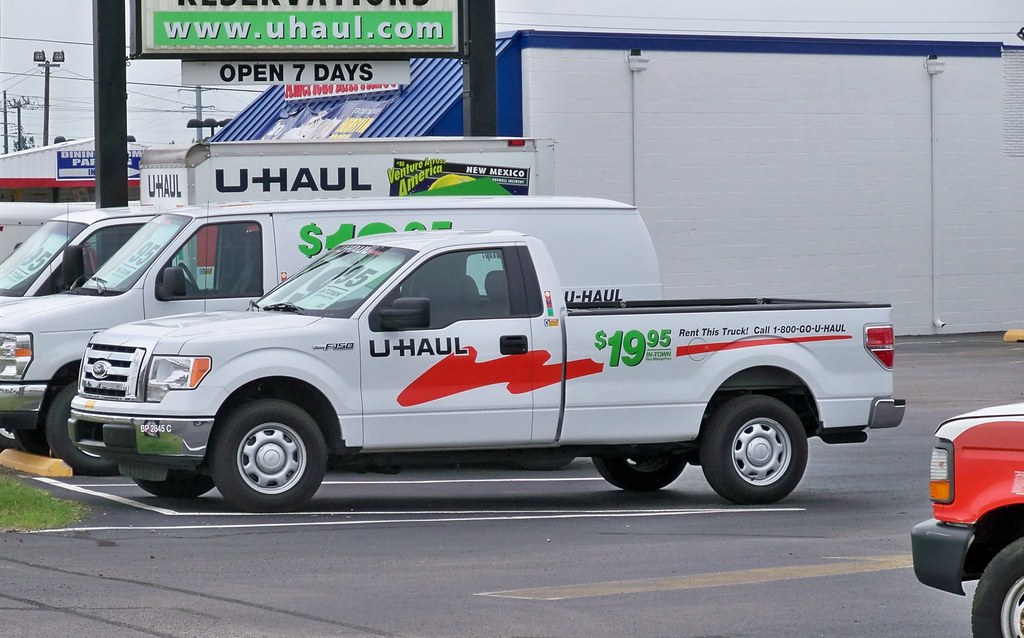
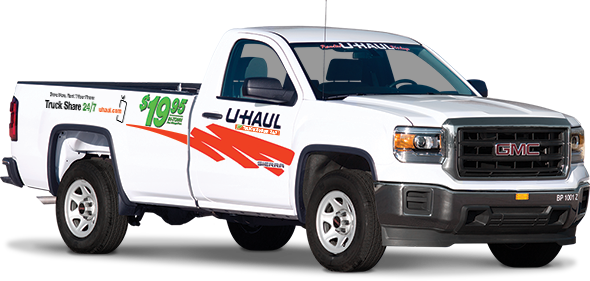
U-Haul’s primary pickup truck offering is typically a robust, half-ton pickup, often a Ford F-150 or a similar model, equipped with a standard bed and sometimes a hitch for towing. These trucks are designed for practicality and durability, making them suitable for a wide range of tasks:
- Small Moves: Ideal for studio apartments, dorm rooms, or moving a few large pieces of furniture.
- Home Improvement Projects: Transporting lumber, drywall, large appliances, garden soil, or landscaping materials.
- Appliance Delivery/Pickup: Safely moving refrigerators, washers, dryers, or other bulky household appliances.
- Junk Removal: Taking unwanted items to a donation center or landfill.
- Event Logistics: Hauling supplies for parties, events, or market stalls.
- Towing: Many U-Haul pickups come equipped with a trailer hitch, allowing you to tow small trailers, utility trailers, or even car dollies for vehicle transport (check specific truck capabilities and towing regulations).
The standard bed typically offers ample space for items up to 8 feet long (with the tailgate down), and the truck’s payload capacity is significant, usually ranging from 1,500 to 2,000 pounds. This combination of space and strength makes it a versatile workhorse for almost any short-term hauling requirement.
Why Choose a U-Haul Pickup Truck? Key Benefits
Opting for a U-Haul pickup truck rental comes with several distinct advantages:
- Cost-Effectiveness for Small Jobs: For tasks that don’t require the vast space of a 10-foot or larger moving truck, a pickup is significantly cheaper, primarily due to lower base rates and potentially better fuel economy (though mileage still adds up).
- Maneuverability: Pickup trucks are generally easier to drive, park, and navigate through city streets or tight spaces compared to larger box trucks. This makes them less intimidating for drivers unfamiliar with commercial vehicles.
- Accessibility: With thousands of U-Haul locations across North America, finding an available pickup truck is usually straightforward, even on short notice.
- Open-Air Hauling: The open bed allows for hauling items of unusual shapes or lengths that might not fit into an enclosed box truck, provided they are properly secured.
- Towing Capability: The integrated hitch on most U-Haul pickups adds another layer of utility, allowing you to tow car trailers, utility trailers, or even your own boat or RV (within the truck’s towing limits).
- No Special License Required: A standard driver’s license is all you need to operate a U-Haul pickup truck.
How to Rent a U-Haul Pickup Truck: A Step-by-Step Guide
Renting a U-Haul pickup truck is a streamlined process designed for convenience. Here’s how to do it:
- Determine Your Needs: Before you start, assess what you’ll be hauling. How much space do you need? Will you be towing? This helps ensure you rent the right equipment.
- Get a Quote and Make a Reservation:
- Online: Visit U-Haul’s website (www.uhaul.com) and enter your pickup location, return location (if different), and desired dates/times. Select "Pickup Truck" from the vehicle options.
- Phone: Call your local U-Haul dealer or the national reservation line.
- In-Person: Visit a U-Haul center.
- Note: U-Haul’s pricing is dynamic, varying based on location, availability, and demand. Getting an online quote is usually the most accurate way to see current rates.
- Provide Information: You’ll need to provide your personal details, driver’s license information, and a valid payment method (credit or debit card). You must be at least 18 years old to rent a U-Haul pickup truck.
- Add Optional Equipment: Consider adding moving blankets, furniture dollies, or utility dollies if you need them. These can be added during the reservation process.
- Choose Insurance (Optional but Recommended): U-Haul offers various coverage options, such as Safemove® or Safemove Plus®. While your personal auto insurance might cover some aspects of a rental truck, it’s crucial to check with your provider. U-Haul’s coverage specifically addresses potential damage to their equipment and liability.
- Confirm and Pick Up: You’ll receive a confirmation. On your pickup day, bring your driver’s license and the credit/debit card used for the reservation. A U-Haul representative will guide you through the rental agreement and vehicle inspection.
- Inspect the Vehicle: Before driving off, thoroughly inspect the truck for any existing damage (scratches, dents, tire condition, fuel level) and ensure it’s noted on your rental agreement. Take photos or videos for your records.
- Return the Truck: Return the truck to the agreed-upon location at the specified time, ensuring it has the same fuel level as when you picked it up. A final inspection will be conducted, and your final charges will be processed.
Understanding U-Haul Pickup Truck Pricing: A Detailed Look
U-Haul pickup truck rental costs are not a flat fee but a combination of several factors. Understanding these components is key to budgeting:
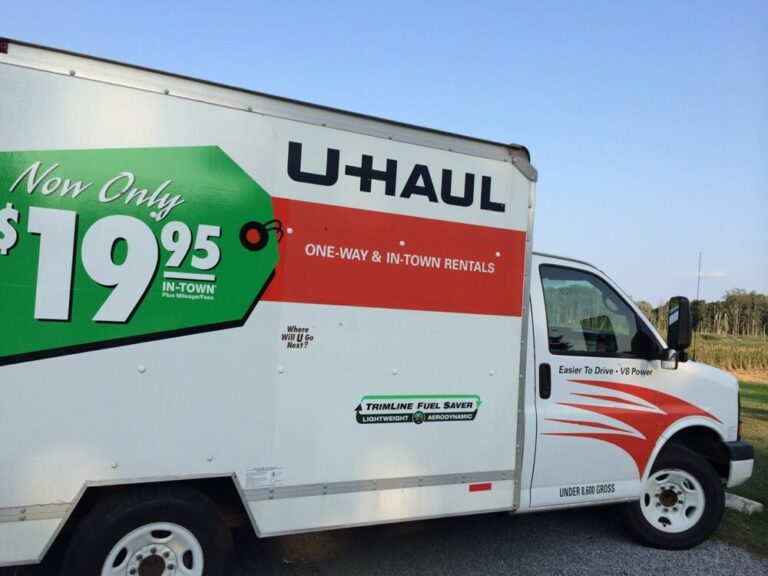
- Base Rate: This is a flat daily or hourly rate for the truck. It’s often very low (e.g., $19.95 for a local rental), designed to be attractive.
- Mileage Fee: This is the most significant variable cost. You’ll be charged per mile driven, typically ranging from $0.69 to $0.99 per mile for local rentals, and potentially higher for one-way rentals.
- Fuel Costs: You are responsible for refueling the truck to the same level as when you picked it up. U-Haul trucks require regular unleaded gasoline.
- Taxes and Fees: Applicable state and local taxes, as well as environmental or administrative fees, will be added to your total.
- Optional Equipment: Dollies, blankets, and other moving supplies are additional costs.
- Insurance: While optional, U-Haul’s Safemove® or Safemove Plus® coverage packages add to the total but provide peace of mind.
- One-Way vs. Local Rental: One-way rentals (picking up in one city and dropping off in another) often have different pricing structures, which can sometimes include a higher base rate or mileage fee, but also might bundle in a set number of miles.
Estimated U-Haul Pickup Truck Rental Pricing Table
| Item / Service | Description | Estimated Cost Range (USD)