F-150 Lifted Trucks: The Ultimate Guide to Elevated Performance and Style
F-150 Lifted Trucks: The Ultimate Guide to Elevated Performance and Style
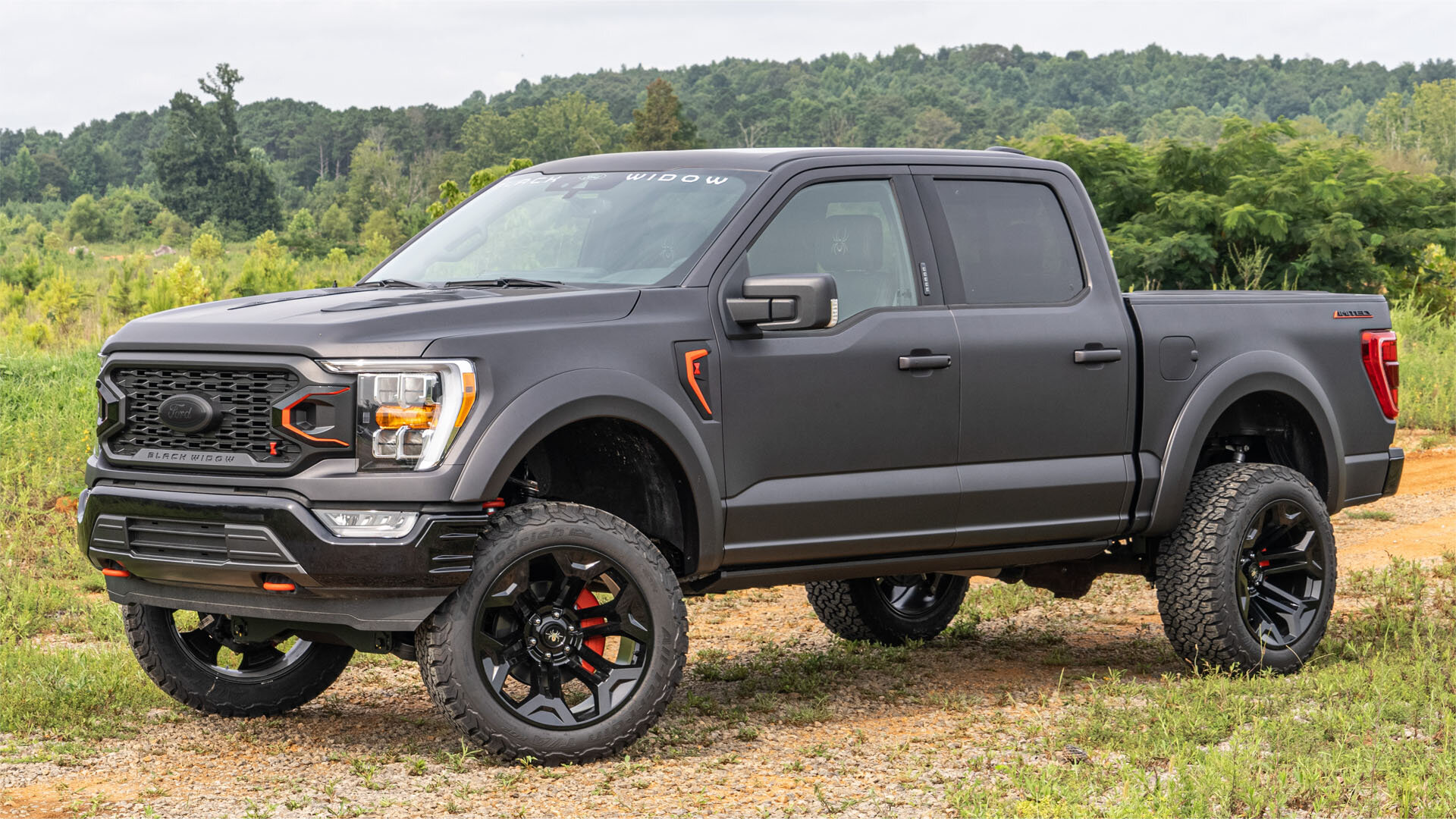
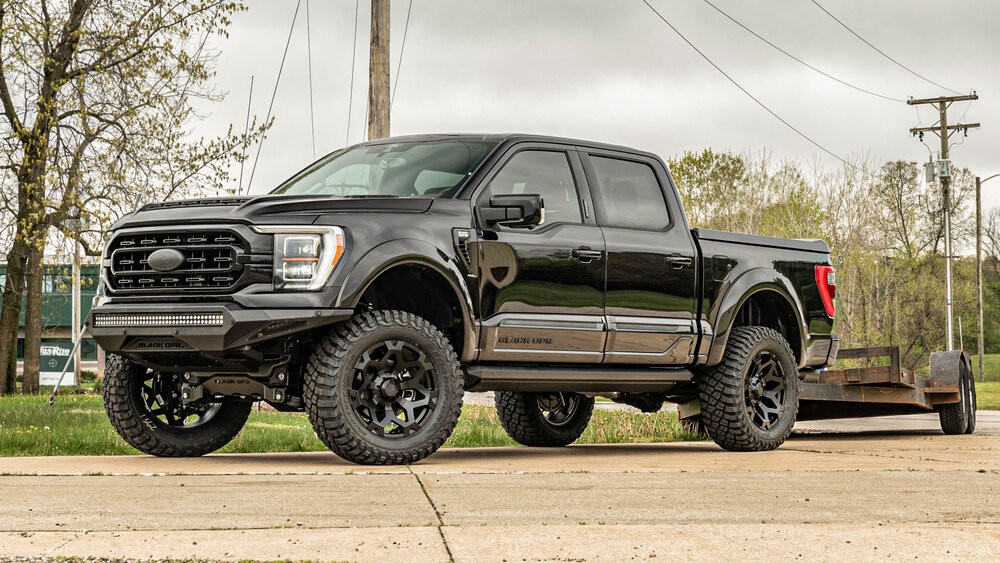
The Ford F-150, America’s best-selling truck for decades, is renowned for its durability, capability, and versatility. While formidable in its factory form, many owners seek to elevate its presence and performance through lifting. F-150 lifted trucks represent a significant segment of the aftermarket modification world, transforming these workhorses into head-turning beasts capable of tackling tougher terrain and making a powerful statement.
This comprehensive guide will delve into the world of F-150 lifted trucks, exploring the benefits, different types of lifts, crucial considerations, installation insights, and practical advice to help you navigate the journey of elevating your F-150. Whether you’re chasing enhanced off-road prowess, a more commanding aesthetic, or simply a personalized ride, understanding the nuances of lifting your F-150 is the first step toward achieving your vision.
Why Lift an F-150? Benefits Beyond the Basics
The decision to lift an F-150 goes beyond mere aesthetics for many enthusiasts. While the aggressive stance and imposing look are undeniable draws, a properly executed lift offers a multitude of practical advantages:
- Enhanced Off-Road Capability: This is perhaps the primary driver for many. Lifting an F-150 significantly increases ground clearance, allowing the truck to clear obstacles like rocks, logs, and deep ruts without damaging the undercarriage. It also improves approach, departure, and break-over angles, crucial for navigating steep inclines, declines, and uneven terrain.
- Accommodate Larger Tires: A lift kit is often a prerequisite for fitting larger diameter tires, which further enhance off-road grip, flotation over soft surfaces like sand or snow, and overall visual appeal. Larger tires can also increase the effective ground clearance.
- Improved Aesthetics and Dominance: There’s no denying the visual impact of an F-150 lifted truck. The elevated stance, combined with aggressive tires and wheels, creates a commanding presence that turns heads and exudes rugged capability. It allows owners to personalize their vehicle and make it truly stand out.
- Increased Visibility: Sitting higher in the cab offers a better vantage point, improving visibility over traffic and obstacles, which can be beneficial in both urban and off-road environments.
- Personalization and Expression: For many, modifying their F-150 is a form of self-expression. A lift kit allows owners to tailor their truck to their specific needs and tastes, creating a unique vehicle that reflects their personality and lifestyle.
Understanding Lift Kits: Types and Components
When considering F-150 lifted trucks, it’s essential to understand the different types of lift kits available and their core components. Each type offers varying degrees of lift and different approaches to achieving it.
-
Leveling Kits: These are the simplest and most affordable form of lift. F-150s typically come from the factory with a slight rake (the rear sits higher than the front) to accommodate payload. A leveling kit raises the front of the truck by 1.5 to 2.5 inches, bringing it level with the rear.
- Components: Spacers that sit above the front coil springs or new, slightly taller coil-over struts.
- Benefits: Inexpensive, easy to install, allows for slightly larger tires (up to 33 inches), improves aesthetics by eliminating the rake.
- Limitations: Minimal increase in ground clearance, no change to rear suspension.
-
Body Lift Kits: A body lift kit raises the truck’s body from its frame using blocks or pucks inserted between the body and frame mounts. The suspension components remain untouched.
- Components: Spacers/blocks, longer bolts, steering extension (if needed), bumper relocation brackets.
- Benefits: Relatively inexpensive, maintains factory ride quality, allows for larger tires (up to 35 inches with modest lift), no changes to suspension geometry.
- Limitations: No increase in ground clearance (only the body moves up), can create a gap between the frame and body, more complex installation than leveling kits.
-
Suspension Lift Kits: These are the most comprehensive and popular choice for significant lift and enhanced off-road performance. A suspension lift modifies the vehicle’s suspension components to raise the entire truck.
- Components: This can vary greatly but often includes taller coil springs, new shocks/struts, longer control arms, drop brackets for differential/control arms, steering knuckles, brake line extensions, and possibly longer driveshafts. Rear lifts typically involve larger blocks or add-a-leaf kits for leaf spring suspensions, or new coil springs for coil-sprung rears.
- Benefits: Substantial increase in ground clearance, allows for very large tires (35 inches and up), significantly improved off-road capability, enhanced articulation.
- Limitations: More expensive, more complex installation, can alter ride quality and handling, potential impact on warranty.
- Sub-types:
- Basic Suspension Lifts: Often use coil spacers in the front and larger blocks in the rear.
- Coil-over Conversion Lifts: Replace the entire front strut assembly with adjustable coil-overs for better performance and adjustability.
- Full Replacement Lifts: Comprehensive kits that replace many factory suspension components for optimal performance and geometry correction.
Choosing the Right Lift: Important Considerations
Selecting the ideal lift kit for your F-150 requires careful thought and planning. Here are critical factors to consider:
- Intended Use: This is paramount. Is your F-150 primarily a daily driver that occasionally sees dirt roads? Or is it a dedicated off-road rig? Your use case will dictate the appropriate lift height and type of kit.
- Lift Height: Lifts typically range from 2 inches (leveling) to 6 inches or more.
- 2-3 inches: Good for larger tires, minor off-road use, minimal impact on handling.
- 4-6 inches: Significant aesthetic and capability upgrade, requires more extensive modifications.
- 6+ inches: For extreme off-roading or show trucks, demanding comprehensive modifications to maintain drivability.
- Budget: Lift kits range from a few hundred dollars for leveling kits to several thousand for premium suspension systems. Don’t forget installation costs, alignment, and the inevitable need for larger tires and wheels, which can add thousands more.
- Tire Size: Determine the maximum tire size you wish to run. This will largely dictate the minimum lift height required to prevent rubbing.
- Legal Regulations: Check your local and state laws regarding maximum vehicle height and fender flare requirements.
- Warranty Implications: Lifting your F-150, especially with a suspension lift, can potentially void portions of your factory warranty related to suspension, steering, and drivetrain components. Consult your dealer.
- Ride Quality and Handling: Larger lifts can change the vehicle’s center of gravity and alter handling characteristics. High-quality kits are designed to minimize negative impacts, but expect some differences.
The Installation Process: A "How-To" Overview
Installing a lift kit on an F-150 can range from a relatively straightforward process for a leveling kit to a complex, multi-day endeavor for a full suspension lift.
- DIY vs. Professional Installation:
- DIY: Possible for experienced mechanics with proper tools and a safe working environment. Saves money on labor but requires time, mechanical aptitude, and attention to detail.
- Professional: Recommended for larger suspension lifts. Ensures correct installation, proper torqueing of bolts, and access to specialized equipment for alignment and component adjustments.
- Key Steps (General for Suspension Lifts):
- Preparation: Safely lift the truck, support it on jack stands, and remove wheels.
- Disassembly: Remove existing suspension components (shocks, struts, control arms, leaf springs/blocks).
- Component Installation: Install new lift components, often involving drop brackets for differential/control arms, new steering knuckles, extended brake lines, and the new shocks/struts/springs.
- Reassembly: Reinstall all components, ensuring all bolts are torqued to manufacturer specifications.
- Post-Installation:
- Alignment: Crucial for correct steering geometry, tire wear, and safe handling. This should be done immediately after installation.
- Clearance Check: Verify proper clearance for tires, brake lines, and other components, especially when turning or articulating.
- Break-in Period: Drive cautiously initially, listening for any unusual noises and re-checking torque on critical bolts after a few hundred miles.
- Safety First: Always use proper safety equipment, including jack stands, wheel chocks, and personal protective gear. Never work under a vehicle supported only by a jack.
Optimizing Your Lifted F-150: Beyond the Kit
A lift kit is just the beginning. To truly optimize your F-150 lifted trucks experience, consider these additional upgrades:
- Tires and Wheels: Essential for completing the look and maximizing performance.
- Tires: All-terrain (A/T) tires are versatile for daily driving and light off-road. Mud-terrain (M/T) tires offer superior grip in mud, rocks, and sand but can be louder and wear faster on pavement.
- Wheels: Choose wheels with appropriate backspacing and offset to accommodate larger tires without rubbing and to achieve your desired stance.
- Gearing: Larger tires effectively change your truck’s final drive ratio, leading to reduced acceleration and potentially higher transmission temperatures. Re-gearing the differentials to a numerically higher ratio restores power, improves towing capability, and can even help fuel economy by bringing the engine back into its optimal RPM range.
- Brake Upgrades: With a heavier truck, larger tires, and potentially increased towing, upgraded brakes (larger rotors, performance pads, steel-braided lines) are a wise investment for improved stopping power and safety.
- Auxiliary Lighting: For off-road adventures, additional LED light bars or spot/flood lights provide essential visibility.
- Performance Tuning: A custom tune can optimize engine performance for larger tires and modified gearing, improving throttle response and overall power delivery.
Challenges and Solutions for Lifted F-150s
While the benefits are numerous, lifting an F-150 can introduce certain challenges. Being aware of these and their solutions ensures a positive experience:
- Ride Quality Degradation: Some cheaper kits can lead to a harsher, bouncier ride.
- Solution: Invest in high-quality shocks, struts, and springs, which are designed for better dampening and ride comfort. Adjustable coil-overs offer excellent customization.
- Handling Changes: A higher center of gravity can increase body roll and reduce stability.
- Solution: Proper alignment is critical. Quality lift kits are designed to correct steering geometry. Upgraded sway bars and steering stabilizers can also help maintain precise handling.
- Increased Wear and Tear: Drivetrain components (CV axles, ball joints, tie rods) can experience increased stress and wear at steeper angles.
- Solution: Regular maintenance and inspection are key. Consider upgraded aftermarket components designed for lifted applications.
- Reduced Fuel Economy: Larger, heavier tires and increased aerodynamic drag from a higher stance will almost certainly reduce MPG.
- Solution: Re-gearing can help mitigate the impact. Driving habits (less aggressive acceleration, maintaining moderate speeds) also play a role.
- Driveline Vibrations: Higher lifts can alter driveshaft angles, leading to vibrations.
- Solution: Quality kits often include necessary drop brackets or shims to correct angles. In extreme cases, a longer driveshaft or a two-piece driveshaft conversion might be needed.
Practical Advice and Actionable Insights
- Do Your Research: Before purchasing any lift kit, thoroughly research brands, read reviews, and understand what’s included in each kit. Consult forums dedicated to F-150 lifted trucks for real-world experiences.
- Don’t Skimp on Quality: While budget is a factor, compromising on the quality of your lift kit can lead to safety issues, poor ride quality, and premature wear of components.
- Professional Installation is an Investment: Unless you have significant automotive experience and the right tools, professional installation is highly recommended for anything beyond a simple leveling kit.
- Factor in All Costs: Remember to budget not just for the lift kit, but also for installation, a professional alignment, larger tires and wheels, and potentially re-gearing or brake upgrades.
- Understand Your Warranty: Be clear with your dealership about how modifications might affect your factory warranty.
- Regular Maintenance: Lifted trucks require more frequent inspection of suspension and steering components. Stay on top of alignments and tire rotations.
F-150 Lift Kit Price Guide
This table provides estimated price ranges for various F-150 lifted trucks components. Prices can vary significantly based on brand, quality, specific F-150 year/model, and regional labor rates.
| Lift Type | Lift Height (Inches) | Estimated Kit Price Range | Estimated Installation Cost | Total Estimated Cost (Kit + Install) |
|---|---|---|---|---|
| Leveling Kit | 1.5 – 2.5 | $100 – $400 | $150 – $400 | $250 – $800 |
| Body Lift Kit | 1 – 3 | $200 – $600 | $400 – $800 | $600 – $1,400 |
| Suspension Lift (Basic) | 3 – 4 | $500 – $1,200 | $600 – $1,200 | $1,100 – $2,400 |
| Suspension Lift (Mid-Range) | 4 – 6 | $1,000 – $2,500 | $800 – $1,500 | $1,800 – $4,000 |
| Suspension Lift (Premium/Long Travel) | 6+ | $2,500 – $8,000+ | $1,200 – $2,500+ | $3,700 – $10,500+ |
- Note: These prices do not include the cost of larger tires, aftermarket wheels, re-gearing, brake upgrades, or other ancillary modifications, which can easily add several thousand dollars to the overall project. A post-installation alignment is always required and typically costs an additional $100-$200.
Frequently Asked Questions (FAQ) about F-150 Lifted Trucks
Q: Will lifting my F-150 void my warranty?
A: Modifying your F-150 with an aftermarket lift kit can potentially void parts of your factory warranty, particularly those related to the suspension, steering, and drivetrain. It’s best to consult with your Ford dealership before making modifications to understand the specific implications. Some aftermarket companies offer their own warranties to cover affected components.
Q: How much does it cost to lift an F-150?
A: The cost varies significantly based on the type of lift, the brand, and whether you do it yourself or have it professionally installed. A leveling kit might cost $250-$800 installed, while a premium 6-inch suspension lift with installation could easily range from $3,700 to over $10,000, not including new tires and wheels.
Q: What’s the biggest tire I can run with a 4-inch lift on my F-150?
A: Generally, a 4-inch lift on an F-150 allows you to comfortably run 33-inch to 35-inch tires. Some configurations might fit 35s with minor trimming, while others may require additional modifications (like wheel offset adjustments or fender trimming) to prevent rubbing, especially at full turn or suspension compression. Always verify with the lift kit manufacturer’s recommendations for your specific F-150 year.
Q: Does lifting an F-150 affect towing capacity?
A: While a lift kit doesn’t inherently change the manufacturer’s stated towing capacity, it can affect how your truck handles a load. A higher center of gravity can reduce stability, and larger tires can strain the drivetrain. If you frequently tow heavy loads, consider a lift kit specifically designed for towing, and potentially re-gear your differentials to compensate for larger tires. Always adhere to your truck’s Gross Vehicle Weight Rating (GVWR) and Gross Combined Weight Rating (GCWR).
Q: How long does it take to install a lift kit on an F-150?
A: Installation time varies. A leveling kit might take 2-4 hours for an experienced DIYer or shop. A body lift could take 4-8 hours. A full suspension lift can take 8-16 hours or more for professional installation, depending on the complexity of the kit and the experience of the installer. This does not include the time for alignment.
Q: Is a body lift or suspension lift better for my F-150?
A: It depends on your goals.
- Body Lift: Better if you primarily want to fit larger tires and maintain factory ride quality without significantly altering suspension geometry or increasing ground clearance. It’s generally more affordable.
- Suspension Lift: Better if you want a significant increase in ground clearance, improved off-road performance, and the ability to run much larger tires. It involves more comprehensive modifications and typically costs more.
For those looking to explore options for their F-150, searching for "F-150 lift kits" or "F-150 aftermarket suspension" on reputable automotive parts websites and manufacturer sites will provide a wealth of information and products.
Conclusion
The world of F-150 lifted trucks offers an exciting avenue for personalization and enhanced capability. Whether you’re aiming for a subtle leveling for a more aggressive stance or a full-blown suspension lift for extreme off-road adventures, the F-150 provides a robust platform for modification. By understanding the different types of lifts, considering your specific needs, budgeting wisely, and prioritizing quality installation, you can transform your F-150 into a unique, commanding, and highly capable machine. Embrace the journey of elevating your F-150, and enjoy the enhanced performance and undeniable presence that comes with it.