Extended Ball Joints for Lifted Trucks
Extended Ball Joints for Lifted Trucks
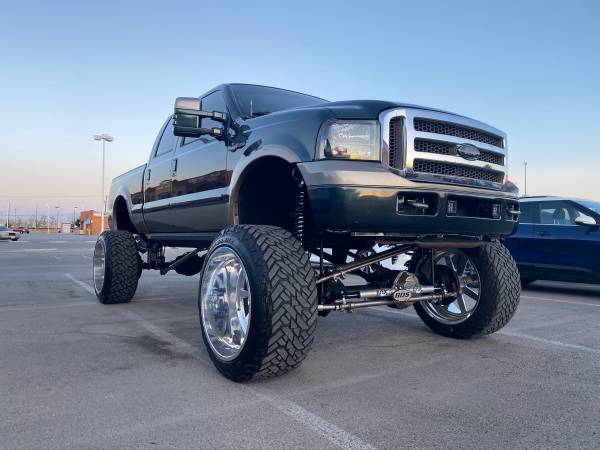
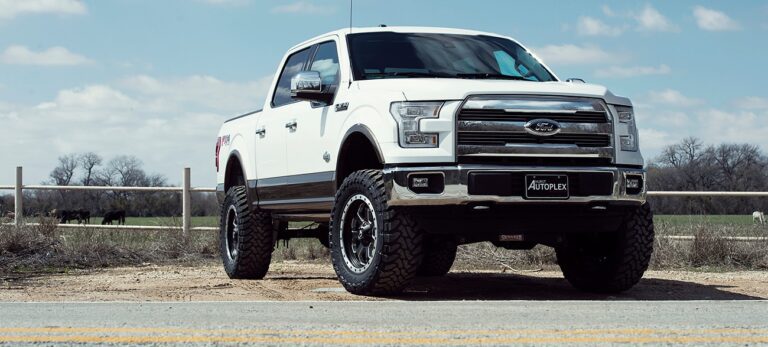
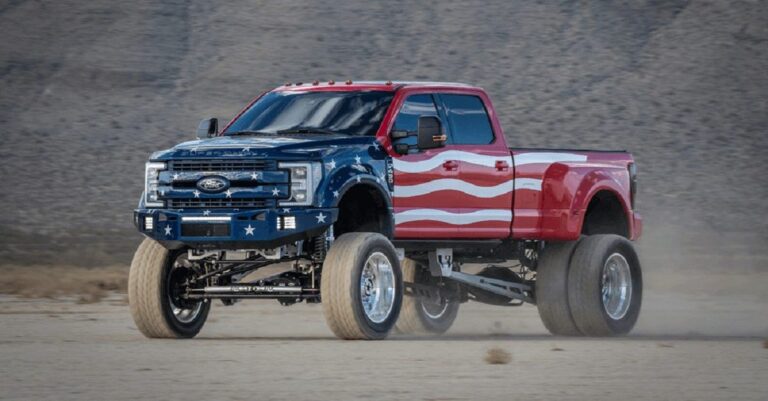
The allure of a lifted truck is undeniable – commanding presence, enhanced off-road capability, and a rugged aesthetic that turns heads. However, lifting a truck isn’t just about adding bigger tires and taller springs; it fundamentally alters the vehicle’s suspension geometry. While lift kits address ride height, they often introduce new stresses and limitations on critical components, particularly the ball joints. This is where extended ball joints for lifted trucks become not just an upgrade, but a crucial necessity for maintaining safety, performance, and the longevity of your suspension system.
Understanding Suspension Geometry and Lift Kits
Before diving into extended ball joints, it’s essential to grasp how lifting impacts your truck’s suspension. Most modern trucks utilize an independent front suspension (IFS) system, featuring upper and lower control arms connected to the steering knuckle via ball joints. These ball joints act as flexible pivot points, allowing the wheel to move up and down and steer left and right.
When you install a lift kit, especially one that uses spacer blocks on top of the coil springs or longer coil springs, the control arms are pushed downwards at a steeper angle. This change in angle means the factory ball joints are now operating at or near the extreme limits of their intended range of motion, even at rest. During suspension travel (hitting bumps, off-roading), these angles become even more exaggerated, leading to:
- Reduced articulation: The ball joint quickly binds, limiting upward or downward wheel travel.
- Premature wear: Constant stress at extreme angles accelerates wear on the ball joint’s internal components, boot, and grease.
- Compromised alignment: Achieving proper caster and camber becomes difficult, leading to poor handling and uneven tire wear.
- Potential catastrophic failure: In severe cases, a factory ball joint operating beyond its design limits can fail entirely, leading to loss of steering control and significant damage.
What Are Extended Ball Joints?
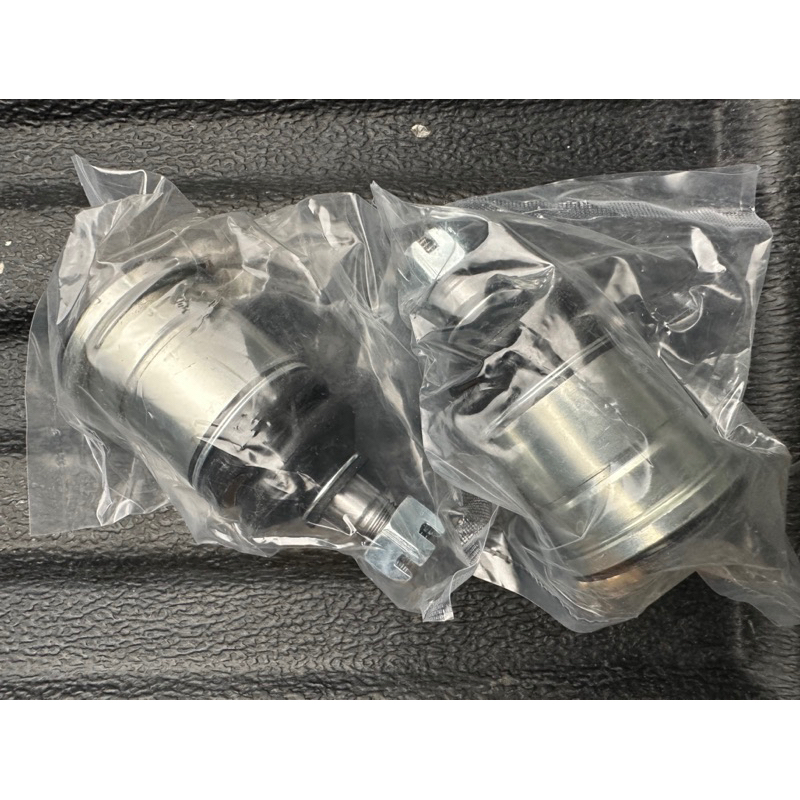
Extended ball joints are aftermarket replacements specifically engineered to compensate for the altered suspension geometry of lifted trucks. Unlike standard ball joints, they feature a longer stud or shank that effectively "extends" the connection point between the control arm and the steering knuckle. This longer stud allows the ball joint to sit lower or higher within the control arm, restoring a more natural operating angle for the entire suspension system.
Key characteristics and differences from standard ball joints include:
- Increased operating angle: Designed to articulate smoothly through the wider range of motion required by lifted suspensions.
- Longer stud/shank: The primary feature that repositions the pivot point.
- Heavy-duty construction: Often made from stronger materials like forged steel or chromoly, and designed to withstand greater forces.
- Improved internal components: Many feature enhanced internals, better seals, and often come greasable for extended life and easier maintenance.
By restoring the correct geometry, extended ball joints alleviate the undue stress on themselves and other suspension components, ensuring your lifted truck performs as intended.
Benefits of Installing Extended Ball Joints
Upgrading to extended ball joints offers a multitude of advantages for any lifted truck owner:
- Restored Suspension Geometry: This is the primary benefit. By bringing the control arm angles closer to their factory specifications, extended ball joints allow the suspension to cycle through its full range of motion without binding.
- Increased Articulation and Travel: With the ball joint operating within its intended range, the wheel can move further up and down, which is crucial for off-road performance, allowing tires to maintain contact with uneven terrain.
- Enhanced Durability and Lifespan: Reduced stress on the ball joint itself means less wear and tear, significantly extending its operational life compared to a factory ball joint struggling in a lifted application. This also protects other components like control arm bushings.
- Improved Handling and Steering Response: Proper geometry allows for better alignment (caster and camber), leading to more precise steering, reduced wandering, and a more stable ride, especially at highway speeds.
- Prevention of Premature Wear and Failure: This is a critical safety aspect. Extended ball joints prevent the factory units from operating at dangerous angles that can lead to rapid deterioration and sudden, catastrophic failure.
- Better Alignment Capabilities: With the suspension components sitting at more favorable angles, alignment technicians can more easily achieve optimal alignment specifications, reducing tire wear and improving overall drivability.
- Compatibility with Aftermarket Upper Control Arms (UCAs): Many high-performance aftermarket UCAs are designed to work in conjunction with extended ball joints to provide the ultimate in suspension travel and adjustability for extreme lifts.
Types and Categories of Extended Ball Joints
Extended ball joints come in various configurations to suit different needs and lift heights:
- Upper Control Arm (UCA) Ball Joints: Most commonly found in lifted applications, as the upper control arm often experiences the most severe angle changes with common lift kits.
- Lower Control Arm (LCA) Ball Joints: While less common to require extension compared to UCAs, some extreme lifts or specific truck models may benefit from extended lower ball joints as well.
- Material and Construction:
- Forged Steel: A common and strong material, offering good durability.
- Chromoly Steel: Often used in heavy-duty or performance applications for its superior strength-to-weight ratio.
- Greasable vs. Sealed: Greasable ball joints allow for periodic lubrication, which can extend their life, especially in harsh conditions. Sealed units are maintenance-free but must be replaced once the grease dries out or the boot tears.
- Design Variations: Some designs integrate with specific aftermarket upper control arms, offering even greater articulation and strength. Others are direct replacements for OEM, but with the extended stud.
- Lift Height Specificity: Manufacturers often specify the range of lift height their extended ball joints are designed for (e.g., 2-4 inches, 4-6 inches). Matching this is crucial for optimal performance.
Choosing the Right Extended Ball Joints
Selecting the correct extended ball joints is paramount for safety and performance. Consider these factors:
- Vehicle Make, Model, and Year: Always ensure compatibility with your specific truck.
- Lift Height: This is the most critical factor. The degree of extension needed directly correlates with your truck’s lift. Consult the ball joint manufacturer’s recommendations for your specific lift height.
- Type of Lift Kit: Is it a simple leveling kit, a full coilover conversion, or a drop-bracket lift? Different lift types can affect how much extension is required.
- Driving Conditions: If your truck sees heavy off-road use, towing, or hauling, invest in heavy-duty options with robust construction and potentially greasable fittings.
- Budget vs. Quality: While extended ball joints are an investment, opting for cheap, no-name brands can be a false economy, leading to premature failure. Reputable brands offer better materials, engineering, and warranties.
- Aftermarket UCA Compatibility: If you’re running aftermarket upper control arms, ensure the extended ball joints are compatible or, better yet, come as an integrated package. Many UCAs are designed with specific extended ball joints in mind.
Installation Guide: A General Overview
Disclaimer: Installing ball joints requires specialized tools and mechanical expertise. If you are not comfortable performing this work, it is highly recommended to seek professional installation from a qualified mechanic. Improper installation can lead to severe safety hazards.
General Steps (may vary by vehicle):
- Safety First: Park on a level surface, engage the parking brake, chock the rear wheels, and lift the front of the truck with a hydraulic jack. Securely support the truck with jack stands under the frame. Remove the front wheels.
- Disassembly:
- Disconnect the brake line and ABS sensor wiring from the steering knuckle.
- Remove the tie rod end from the steering knuckle.
- Remove the cotter pin and castle nut from the upper ball joint stud.
- Use a ball joint separator or fork to separate the upper ball joint from the steering knuckle.
- Remove the bolts securing the upper control arm to the frame (if replacing the entire UCA) or remove the snap ring/bolts securing the ball joint to the UCA.
- Ball Joint Removal: If replacing only the ball joint within the UCA, use a ball joint press kit to press out the old ball joint. This tool is essential and typically available for rent.
- Installation of New Extended Ball Joint:
- Clean the control arm bore.
- Press in the new extended ball joint using the ball joint press kit, ensuring it’s seated correctly and straight.
- Install the snap ring or bolts to secure the ball joint to the UCA.
- Reassembly:
- Reconnect the upper control arm to the frame (if removed).
- Attach the extended ball joint stud to the steering knuckle. Torque the castle nut to manufacturer specifications and install a new cotter pin.
- Reconnect the tie rod end, brake line, and ABS sensor.
- Reinstall the wheels, lower the truck.
- Crucial Post-Installation Step: Wheel Alignment: An immediate professional wheel alignment is absolutely mandatory after installing new ball joints. This ensures correct caster, camber, and toe, which is vital for safety, handling, and tire longevity.
Maintenance Tips and Longevity
To maximize the life of your extended ball joints:
- Regular Inspection: Periodically check the ball joint boots for tears, cracks, or punctures. Inspect for excessive play by jacking up the wheel and trying to wiggle it at the 12 and 6 o’clock positions.
- Greasing (if applicable): If your ball joints are greasable, follow the manufacturer’s recommended greasing schedule using the specified grease type. This is especially important after off-road excursions or driving in wet/muddy conditions.
- Address Issues Promptly: Don’t ignore clunking noises, loose steering, or uneven tire wear. These are signs that something is wrong and should be investigated immediately.
- Proper Torque: Ensure all fasteners are torqued to specification during installation and re-checked periodically.
Price Table: Extended Ball Joints for Lifted Trucks
| Product Example / Brand | Type | Material | Lift Height Compatibility | Estimated Price Range (USD) | Key Features |
|---|---|---|---|---|---|
| Moog K80026 | Upper (Pair) | Forged Steel | 2-4 inches | $120 – $180 | Greasable, improved internal design, OEM quality replacement. |
| Rough Country 1021 | Upper (Pair) | Forged Steel | 2-6 inches | $100 – $150 | Heavy-duty, often included with lift kits, budget-friendly. |
| SPC Performance 25470 | Upper (Single) | Forged Steel | 2-4 inches | $90 – $130 | High-articulation design, often used with SPC UCAs, heavy-duty. |
| ICON Vehicle Dynamics | Upper (Single) | Forged Steel | 0-3 inches | $110 – $160 | High-strength, designed for maximum articulation, rebuildable. |
| Total Chaos (Uniball) | Upper (Pair) | Chromoly Steel | 2-6 inches | $300 – $500 | Uniball design for extreme strength/articulation, rebuildable, higher maintenance. |
| Mevotech TTX | Upper (Pair) | Forged Steel | 2-4 inches | $150 – $220 | Heavy-duty, greasable, enhanced wear surfaces for durability. |
Note: Prices are estimates and can vary based on vehicle model, retailer, and current market conditions. Always verify compatibility for your specific truck.
Frequently Asked Questions (FAQ)
Q: Do I really need extended ball joints for my lifted truck?
A: For most trucks lifted 2 inches or more, yes. Without them, your factory ball joints will be operating at extreme angles, leading to premature wear, potential failure, and compromised handling. It’s a critical safety and performance upgrade.
Q: How do I know if my ball joints are failing?
A: Common symptoms include clunking or popping noises (especially over bumps or when turning), loose or wandering steering, uneven tire wear, and vibration. You can also visually inspect for torn boots or excessive play when the wheel is off the ground.
Q: Can I install extended ball joints myself?
A: If you have experience with suspension work, a good set of tools (including a ball joint press), and a service manual for your truck, it’s possible. However, it’s a complex and safety-critical job. If in doubt, professional installation is highly recommended.
Q: Are extended ball joints expensive?
A: They are an investment, typically ranging from $100-$500 per pair, depending on the brand, material, and vehicle. Considering the cost of replacing worn suspension components or dealing with a catastrophic failure, they are a worthwhile investment.
Q: What’s the difference between extended ball joints and aftermarket control arms?
A: Extended ball joints are components that fit into your existing or aftermarket control arms. Aftermarket control arms (UCAs) are often designed with optimized geometry for lifted applications and may include or require specific extended ball joints to achieve maximum travel and alignment correction. Many owners opt for both for the best performance.
Q: How long do extended ball joints last?
A: With proper installation and maintenance, high-quality extended ball joints can last many tens of thousands of miles, often exceeding the lifespan of factory ball joints in a lifted application. Longevity depends on driving conditions, maintenance, and the quality of the component.
Conclusion
For any truck enthusiast who has invested in lifting their vehicle, extended ball joints for lifted trucks are an indispensable upgrade. They are not merely an accessory but a fundamental component that restores proper suspension geometry, significantly enhancing safety, performance, and the longevity of your entire front end. By mitigating the stresses introduced by a lift, extended ball joints ensure your truck handles predictably, articulates effectively, and stands up to the demands of both daily driving and off-road adventures. Investing in the right extended ball joints is an investment in the future of your lifted truck’s capability and your peace of mind on the road and trail.