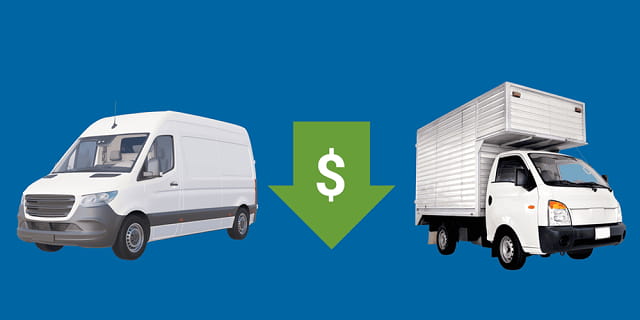
Renting a Small Truck to Move: Your Comprehensive Guide to a Smooth DIY Relocation
Renting a Small Truck to Move: Your Comprehensive Guide to a Smooth DIY Relocation. Moving can be one of life’s most stressful events, but it doesn’t have to be. For many, especially those tackling a smaller apartment, dorm room, or just a few rooms in a house, renting a small truck to move offers an ideal blend of cost-effectiveness, control, and convenience.
This comprehensive guide will walk you through everything you need to know about navigating the world of small truck rentals, transforming your moving day from a daunting task into a manageable and even empowering experience.
Introduction: The Power of a Small Truck for Your Move
The phrase “moving day” often conjures images of large, unwieldy vehicles and professional movers. However, for a significant portion of relocations, particularly those involving apartments, condos, or smaller homes, a full-sized moving truck is simply overkill. This is where renting a small truck to move shines. It empowers individuals and families to take charge of their relocation, offering a flexible and budget-friendly alternative to full-service moving companies.
A small truck rental typically refers to vehicles ranging from cargo vans to 10-foot or 15-foot box trucks. These vehicles are designed to be easier to drive than their larger counterparts, more fuel-efficient, and perfectly sized to handle the contents of a studio, one-bedroom apartment, or even a modest two-bedroom dwelling. Opting for a small truck allows you to control your schedule, handle your belongings with personal care, and significantly cut down on moving expenses. If you’re looking for an efficient and economical way to transport your possessions, understanding the ins and outs of renting a small truck is your first crucial step.
Why Rent a Small Truck for Your Move?
Choosing to rent a small truck over hiring a moving company or relying on friends with pickups offers several compelling advantages:
- Cost-Effectiveness: This is often the primary driver. Rental costs for a small truck are significantly lower than hiring professional movers. You save on labor fees, transportation charges, and often, the premium for larger trucks you might not even need.
- Complete Control: When you rent a small truck, you’re in the driver’s seat – literally and figuratively. You decide the timeline, how your items are packed and loaded, and the route taken. This level of control can be invaluable for fragile items or sentimental belongings.
- Perfect Size for Smaller Moves: For studio apartments, one-bedroom units, or even just transporting furniture from one room to another within a city, a small truck prevents you from paying for unused space. Cargo vans are excellent for a few large items, while 10-foot and 15-foot trucks handle the contents of smaller homes efficiently.
- Flexibility and Convenience: You can pick up and drop off the truck according to your schedule, often with 24/7 availability at many locations. This flexibility is crucial for navigating tight moving windows or unexpected delays.
- DIY Satisfaction: There’s a certain satisfaction that comes with successfully orchestrating your own move. It’s a testament to your planning and effort, and renting a small truck to move is central to this self-reliant approach.
Choosing the Right Small Truck Size
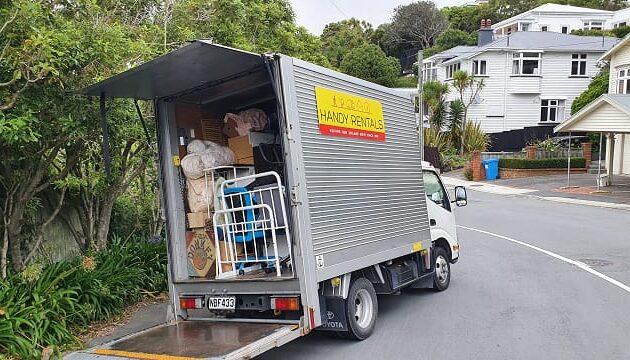
The “small” in small truck can be relative. To make an informed decision, you need to match the truck size to your moving needs. Here are the common categories of small trucks available for rent:
- Cargo Vans: Ideal for studio apartments, dorm rooms, or moving a few large pieces of furniture (e.g., a couch and a bed). They are easy to drive and park, making them perfect for urban environments.
- 10-Foot Box Trucks: These are excellent for one-bedroom apartments or small two-bedroom apartments. They typically have enough space for a mattress set, sofa, dresser, boxes, and a few appliances.
- 15-Foot Box Trucks: A popular choice for two-bedroom apartments or smaller homes. They can accommodate the contents of two full bedrooms, a living room, and a dining area, including larger appliances.
How to Estimate Your Needs:
The best way to determine the right size is to inventory your belongings. Make a list of all furniture, major appliances, and an estimate of the number of boxes. Rental companies often provide online calculators or guides that help you visualize what fits into each truck size. For instance, this truck size estimator can be a helpful tool. When in doubt, it’s often safer to go slightly larger than too small, as having to make multiple trips or leaving items behind can be more costly and stressful.
The Rental Process: A Step-by-Step Guide
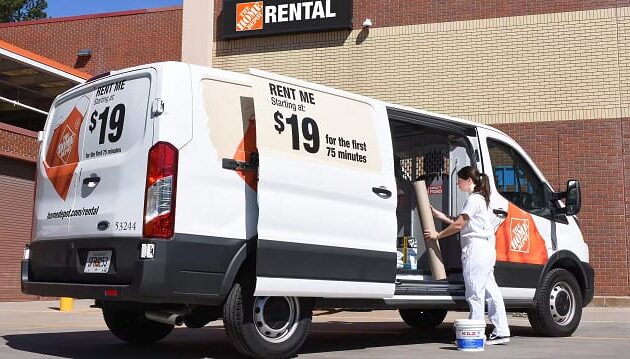
Renting a small truck to move is straightforward, but knowing the steps ensures a smooth experience:
- Research Rental Companies: Major players like U-Haul, Penske, Budget Truck Rental, and Enterprise Truck Rental are good starting points. Compare their rates, availability, insurance options, and customer reviews.
- Get Quotes: Obtain quotes from at least two to three companies. Ensure the quotes include all potential fees: mileage, fuel, insurance, equipment rentals (dollies, blankets), and taxes. Be clear about whether you need a local or one-way rental.
- Reserve Your Truck: Once you’ve chosen a company and truck size, make your reservation as early as possible, especially during peak moving seasons (end of month, summer, holidays). You’ll typically need a credit card to hold the reservation.
- Confirm Your Reservation: A day or two before pickup, call to confirm your reservation, pickup time, and location.
- Pick Up the Truck:
- Required Documents: Bring your valid driver’s license (most companies require you to be 18 or 21, check specific policies) and the credit card used for the reservation.
- Inspection: Thoroughly inspect the truck for any existing damage (scratches, dents, fluid leaks) before you leave the lot. Take photos or videos as proof and ensure all damage is noted on your rental agreement.
- Familiarize Yourself: Ask the rental agent for a quick rundown of the truck’s controls, including headlights, wipers, and mirrors. Adjust mirrors before driving.
- Drive and Move: Load your truck carefully, distribute weight evenly, and drive cautiously, remembering you’re operating a larger, heavier vehicle.
- Return the Truck:
- Refuel: Most rentals require you to return the truck with the same fuel level as when you picked it up. Failure to do so results in hefty refueling charges.
- Clean Out: Remove all your belongings and any trash.
- Final Inspection: Do a final walk-around with the rental agent to confirm no new damage and that the fuel level is correct. Get a receipt confirming the return and final charges.
Key Considerations Before You Rent
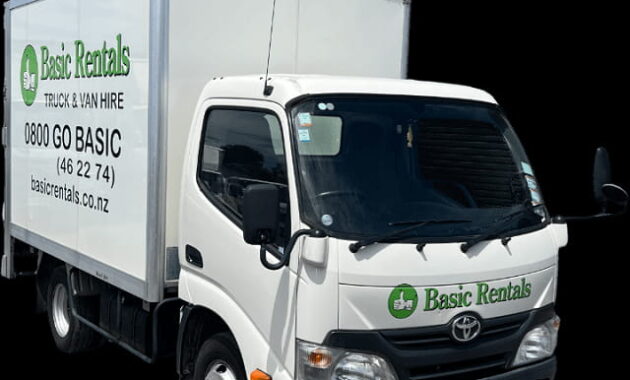
Before you commit to renting a small truck to move, ponder these critical aspects:
- Budget Beyond the Base Rate: Factor in fuel costs (trucks are less fuel-efficient), mileage charges (if applicable), insurance, and any additional equipment rentals (dollies, moving blankets, tie-downs).
- Insurance Coverage: Your personal auto insurance policy might not cover rental trucks. Check with your provider. Rental companies offer supplemental insurance options (damage waivers, liability coverage). While an added cost, it can provide peace of mind against accidents or damage.
- Driving Experience: While small trucks are easier to drive than large ones, they are still bigger and heavier than your personal car. They have blind spots, require wider turns, and take longer to stop. If you’re uncomfortable, consider practicing in an empty parking lot.
- Required Moving Equipment: Don’t underestimate the need for essential moving supplies. Hand trucks or utility dollies are invaluable for heavy items. Moving blankets protect furniture from scratches, and tie-down straps secure items, preventing shifting during transit.
- One-Way vs. Local Rental: If you’re moving a long distance, a one-way rental allows you to pick up in one city and drop off in another. Local rentals are typically cheaper but require you to return the truck to the original location.
- Hidden Fees: Always read the fine print. Watch out for environmental fees, administrative charges, or late return penalties.
Maximizing Your Rental Experience: Practical Tips
To ensure your experience with renting a small truck to move is as smooth and stress-free as possible, follow these practical tips:
- Pack Smartly: Use appropriate-sized boxes, label them clearly, and distribute weight evenly. Pack an “essentials” box with items you’ll need immediately upon arrival.
- Load Strategically: Start with heavy, bulky items at the back, closest to the cab, and distribute weight evenly. Place mattresses and large flat items against the walls. Fill gaps with smaller boxes and soft items to prevent shifting. Use tie-downs to secure everything.
- Drive Safely and Slowly: Remember the truck’s height and width clearances, especially under bridges or in parking garages. Allow extra braking distance and take turns wider than you would in a car. Avoid sudden movements.
- Have a Spotter: When backing up or maneuvering in tight spaces, have a friend guide you.
- Pre-Plan Your Route: Avoid narrow streets, low bridges, and areas with heavy traffic if possible. Map out your route, considering potential detours.
- Refuel Before Returning: As mentioned, returning the truck with the required fuel level (usually full) is crucial to avoid expensive refueling surcharges from the rental company.
- Inspect Before and After: Document the truck’s condition thoroughly both when you pick it up and when you return it. This protects you from being charged for pre-existing damage.
Potential Challenges and Solutions
While renting a small truck to move is generally straightforward, challenges can arise. Being prepared is key:
- Challenge: Unexpected Costs.
- Solution: Get a detailed quote that itemizes all potential fees. Understand mileage limits, fuel policies, and insurance options. Budget an extra 10-15% for contingencies.
- Challenge: Truck Not Available on Pickup Day.
- Solution: Book well in advance, especially during peak seasons. Confirm your reservation 24-48 hours before pickup. Have a backup plan or be flexible with your pickup time if possible.
- Challenge: Difficulty Driving a Larger Vehicle.
- Solution: If you’re nervous, opt for a cargo van, which feels more like a large SUV. If you need a box truck, take it for a short, empty drive around the block or in an empty parking lot to get a feel for it. Ask a friend with truck driving experience to help.
- Challenge: Damage to Belongings During Transit.
- Solution: Invest in proper packing materials (sturdy boxes, bubble wrap, packing paper), moving blankets, and tie-down straps. Load the truck carefully, distributing weight evenly and securing everything. Drive cautiously.
Small Truck Rental Price Table (Estimates)
This table provides estimated pricing for renting a small truck to move. Prices vary significantly based on location, time of year, rental duration, and specific company promotions. This table is for illustrative purposes.
| Truck Type | Rental Duration | Estimated Base Rate (Local) | Estimated Base Rate (One-Way) | Estimated Mileage Cost | Estimated Insurance (per day) | Common Add-ons (per day/rental) |
|---|---|---|---|---|---|---|
| Cargo Van | Day | $19.99 – $39.99 | $100 – $300+ | $0.59 – $0.99/mile | $10 – $25 | Dolly: $7-10, Blankets: $5-15 |
| 10-Foot Box | Day | $29.99 – $49.99 | $150 – $400+ | $0.69 – $1.09/mile | $15 – $35 | Dolly: $7-10, Blankets: $5-15 |
| 15-Foot Box | Day | $39.99 – $59.99 | $200 – $500+ | $0.79 – $1.19/mile | $20 – $45 | Dolly: $7-10, Blankets: $5-15 |
| All Types | Week | (Daily rate x 5-6) | N/A | (Daily rate x 5-6) | (Daily rate x 5-6) |
Notes on Pricing:
- Base Rate: This is the daily or weekly rental fee for the truck itself, excluding mileage, fuel, and other charges.
- Mileage Cost: Many companies charge per mile driven. Some offer unlimited mileage for one-way rentals, but this is usually reflected in a higher base rate.
- Fuel: Trucks must typically be returned with the same fuel level as picked up, or you’ll be charged for refueling at a premium rate.
- Insurance: Optional but highly recommended. Costs vary based on coverage level.
- One-Way Rentals: Generally have higher base rates but sometimes include unlimited mileage. Pricing is highly variable based on origin, destination, and demand.
- Peak Season: Expect higher prices during summer months, weekends, and the end/beginning of each month.
- Hidden Fees: Always ask about environmental fees, taxes, and any other surcharges.
Frequently Asked Questions (FAQ)
Q1: How old do I need to be to rent a small truck?
A1: Most companies require renters to be at least 18 years old, but some, like Penske, require renters to be 21. Always check the specific rental company’s policy.
Q2: Do I need a special driver’s license to drive a small rental truck?
A2: No, for cargo vans and small box trucks (typically up to 26 feet), a standard Class D driver’s license is sufficient in the United States. No commercial driver’s license (CDL) is required.
Q3: Is rental truck insurance necessary?
A3: While often optional, it’s highly recommended. Your personal auto insurance may not cover rental trucks, and if it does, it might only cover liability, not damage to the truck itself. Rental companies offer various protection plans that can cover damage waivers, cargo protection, and supplemental liability.
Q4: Can I do a one-way rental with a small truck?
A4: Yes, most major rental companies offer one-way rentals for small trucks. This allows you to pick up the truck in one city and drop it off in another. Be aware that one-way rentals often have higher base rates but may include unlimited mileage.
Q5: What if I return the truck late?
A5: Late returns can incur significant fees, often a full day’s rental charge or more. Communicate any potential delays with the rental company as soon as possible to avoid penalties.
Q6: Do I need to clean the truck before returning it?
A6: You should remove all your belongings and any trash. While you don’t need to deep clean it, returning it in a reasonably tidy condition is expected.
Q7: Can I tow my car with a small rental truck?
A7: Some 15-foot and larger trucks offer towing capabilities with car carriers or tow dollies. Cargo vans and 10-foot trucks generally do not. Check with the rental company and ensure your vehicle is within the truck’s towing capacity.
Conclusion: Empowering Your DIY Move
Renting a small truck to move is an excellent choice for individuals and families seeking an affordable, flexible, and hands-on approach to relocation. By understanding the different truck sizes, navigating the rental process, considering key factors like insurance and equipment, and employing smart moving strategies, you can transform a potentially stressful event into a smooth, efficient, and even rewarding experience. With careful planning and the right small truck, you’re not just moving your belongings; you’re moving forward with confidence and control.