1 Ton Trucks for Sale in Florida: Your Ultimate Guide to Heavy-Duty Hauling
1 Ton Trucks for Sale in Florida: Your Ultimate Guide to Heavy-Duty Hauling
Florida, with its booming construction industry, vast agricultural landscapes, vibrant marine culture, and extensive recreational opportunities, demands vehicles that can handle serious work and play.
Enter the 1-ton truck – a true workhorse designed for the toughest jobs. If you’re searching for a vehicle capable of towing massive boats, hauling heavy equipment, or managing demanding commercial tasks across the Sunshine State, understanding the market for 1-ton trucks for sale in Florida is paramount.
This comprehensive guide will navigate you through everything you need to know about these formidable machines. From deciphering the “1-ton” designation to identifying the best places to buy and what crucial factors to consider, we’ll equip you with the knowledge to make an informed and successful purchase in Florida.
Understanding the “1-Ton” Designation: More Than Just a Number
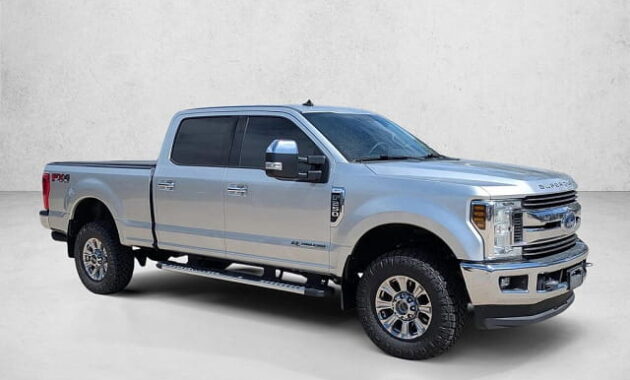
The term “1-ton” is a historical classification dating back to when trucks were rated by their payload capacity. Today, while a 1-ton truck certainly exceeds a 2,000-pound payload, the term primarily refers to heavy-duty pickup trucks typically found in the 3500 or 350 series from major manufacturers.
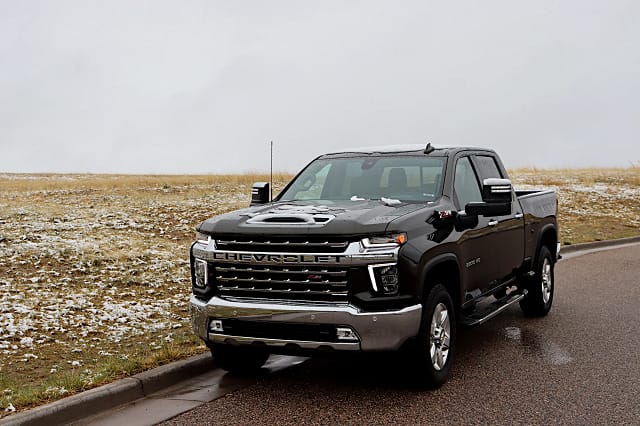
These include popular models like the Ford F-350, Ram 3500, Chevrolet Silverado 3500HD, and GMC Sierra 3500HD.
Modern 1-ton trucks are defined more by their Gross Vehicle Weight Rating (GVWR) and Gross Combined Weight Rating (GCWR) than by a literal payload figure. GVWR is the maximum permissible weight of the vehicle itself, including its passengers, cargo, and any accessories.
GCWR is the maximum permissible weight of the fully loaded truck and its attached trailer. These ratings often push well beyond the “1-ton” (2,000 lbs) mark, with payload capacities frequently ranging from 3,000 to over 7,000 pounds and towing capacities soaring past 30,000 pounds for some configurations.
A key distinction within the 1-ton category is between Single Rear Wheel (SRW) and Dual Rear Wheel (DRW), commonly known as a “dually.” DRW trucks feature two tires on each side of the rear axle, significantly increasing their stability, payload, and towing capabilities, making them ideal for the heaviest loads often encountered in Florida’s diverse industries.
Why a 1-Ton Truck is Essential for Florida Lifestyles and Businesses
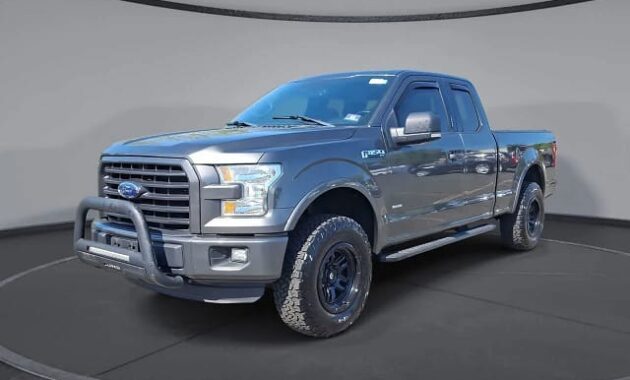
The unique demands of Florida make 1-ton trucks an invaluable asset for a wide array of users:
- Towing Heavy Loads: Florida’s extensive coastline and numerous lakes mean boat ownership is prevalent. A 1-ton truck can effortlessly tow large fishing boats, cruisers, or multiple jet skis. For RV enthusiasts, these trucks provide the muscle to haul even the largest fifth-wheel trailers across the state’s highways. Construction companies frequently need to move excavators, skid steers, and material trailers, tasks perfectly suited for a 1-ton’s immense towing capacity.
- Superior Payload Capacity: From landscapers transporting mulch, pavers, and heavy machinery to contractors hauling tools, building materials, and debris, the payload capacity of a 1-ton truck is critical. Agricultural operations benefit from carrying feed, equipment, and harvested crops.
- Durability and Reliability: Built for arduous work, 1-ton trucks are engineered with heavy-duty frames, robust powertrains, and reinforced suspensions designed to withstand constant stress. This inherent durability translates to a longer lifespan and fewer breakdowns, crucial for businesses relying on their vehicles daily.
- Florida-Specific Needs: The state’s hot and humid climate necessitates powerful cooling systems, which 1-ton trucks are designed to handle. Furthermore, the prevalence of coastal areas means increased exposure to salt air, making a robust and well-maintained chassis (or careful inspection for used trucks) essential to prevent rust.
- Business Utility: For many Florida businesses, a 1-ton truck isn’t just a vehicle; it’s a mobile command center and a critical piece of equipment that directly impacts productivity and profitability.
Key Considerations When Purchasing a 1-Ton Truck in Florida
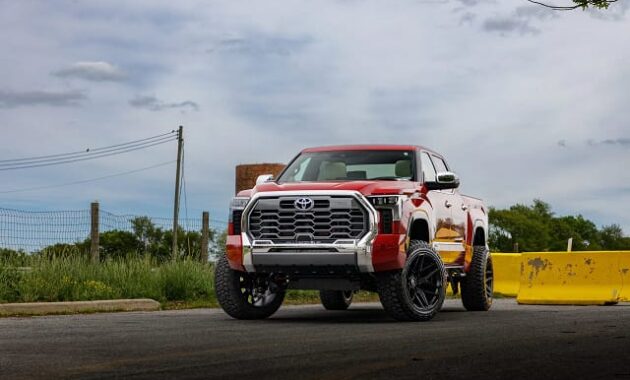
Navigating the market for 1-ton trucks for sale in Florida requires careful thought. Here are the essential factors to weigh:
- New vs. Used:
- New: Offers the latest technology, full warranty, and customizable options. Higher initial cost but peace of mind.
- Used: Significant cost savings, slower depreciation. Requires thorough inspection and due diligence, especially concerning Florida’s climate effects.
- Engine Options (Gas vs. Diesel):
- Diesel (e.g., Ford Power Stroke, Ram Cummins, GM Duramax): Unmatched torque for heavy towing, better fuel economy when loaded, longer engine life. Higher upfront cost, more expensive maintenance, and higher fuel prices.
- Gas (e.g., Ford 7.3L Godzilla, Ram 6.4L Hemi, GM 6.6L Vortec): Lower upfront cost, less expensive maintenance, quicker warm-up. Generally less towing power and worse fuel economy, especially when loaded. Your primary use case will dictate the best choice.
- Drivetrain (2WD vs. 4WD):
- 2WD: More affordable, slightly better fuel economy, suitable for paved roads and light hauling.
- 4WD: Essential for off-road work, slippery boat ramps, muddy job sites, or towing through soft sand. Adds cost and complexity.
- Cab Configuration:
- Regular Cab: Single row of seats, longest bed available for its overall length, lowest cost.
- Extended Cab (e.g., SuperCab, Quad Cab): Small rear seats, useful for occasional passengers or secure storage.
- Crew Cab: Full-size rear seats, most passenger space, often preferred for family or work crews.
- Bed Length:
- Short Bed (approx. 6.5 ft): Easier to maneuver, fits in more parking spaces.
- Long Bed (approx. 8 ft): Maximum cargo capacity, necessary for certain equipment or fifth-wheel hitches.
- Features and Trim Levels: From basic work trucks (e.g., XL, Tradesman, WT) with vinyl seats to luxurious trims (e.g., Platinum, Limited, Denali) with leather, advanced tech, and comfort features, match the trim to your needs and budget.
- Condition (for Used Trucks): Crucially inspect for rust, especially on the frame, suspension components, and brake lines, due to Florida’s humidity and coastal proximity. Check maintenance records, engine and transmission health, tire wear, and fluid levels. A pre-purchase inspection by a trusted mechanic is non-negotiable.
- Budget and Financing: Beyond the purchase price, consider insurance costs (which can be higher for heavy-duty trucks), fuel expenses, maintenance, and potential registration fees in Florida.
Where to Find 1-Ton Trucks for Sale in Florida
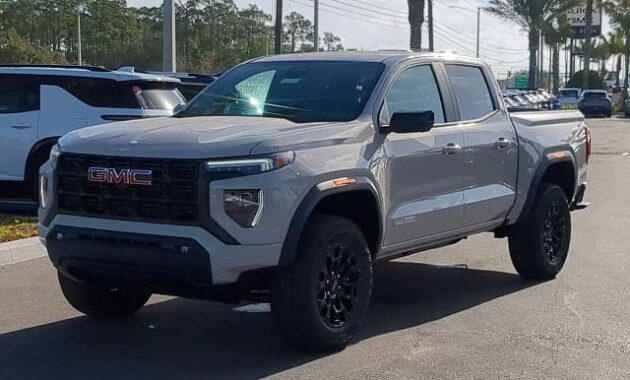
Finding the right 1-ton truck requires exploring various avenues:
- New Car Dealerships: Authorized Ford, Ram, Chevrolet, and GMC dealerships across Florida will offer the latest models with warranties and financing options. They often have dedicated commercial sales departments.
- Used Car Dealerships: Many dealerships specialize in used trucks, offering a wide range of makes and models. Look for reputable dealers with good reviews.
- Online Marketplaces: Websites like AutoTrader, Cars.com, CarGurus, and eBay Motors allow you to filter searches by location, make, model, year, and features. Facebook Marketplace and Craigslist can also be sources, but exercise extreme caution due to potential scams.
- Local Classifieds: Local newspapers or specialty publications might list trucks for sale, though this is less common now.
- Auctions: Government surplus auctions, commercial auctions, and public auctions can sometimes yield good deals, but require expertise to assess vehicle condition quickly.
- Specialized Heavy-Duty Truck Dealers: Some dealers focus exclusively on commercial and heavy-duty vehicles, often having a deeper inventory and knowledge base.
Practical Tips for a Successful Purchase in Florida
- Pre-Purchase Inspection (PPI): For any used 1-ton truck, a PPI by an independent, certified mechanic is critical. They can uncover hidden issues that might be costly later, especially regarding rust, engine health, and transmission integrity.
- Test Drive Thoroughly: Drive the truck empty and, if possible, with a load similar to what you intend to carry. Pay attention to braking, steering, acceleration, transmission shifts, and any unusual noises.
- Rust Check is Paramount: Florida’s climate, particularly near the coast, can accelerate rust. Inspect the frame, undercarriage, suspension mounts, brake lines, and cab corners meticulously. Look for bubbling paint, which can indicate underlying corrosion.
- Verify Vehicle History: Obtain a CARFAX or AutoCheck report. This will reveal accident history, previous owners, service records, and whether the vehicle has been subjected to flood damage (a concern in Florida).
- Negotiate Smart: Do your market research. Know the average selling prices for similar trucks in Florida. Be prepared to walk away if the deal isn’t right.
- Understand Florida Regulations: Be aware of Florida’s sales tax (currently 6%), registration fees, and tag requirements. Factor these into your overall budget.
Challenges and Solutions in the Florida Market
- High Demand: 1-ton trucks are popular in Florida, leading to higher prices and quick sales.
- Solution: Widen your search radius beyond your immediate area. Consider slightly older models or less popular trim levels to find better value. Be prepared to act quickly when a good deal appears.
- Rust and Corrosion: Salt air and humidity can be detrimental to vehicle longevity.
- Solution: Prioritize trucks from inland regions of Florida or those with demonstrably excellent maintenance records. A thorough PPI focusing on rust is essential. Consider undercoating or rust-proofing for new purchases.
- Maintenance Costs: Heavy-duty parts and specialized labor can be more expensive.
- Solution: Factor these costs into your budget. For new trucks, consider extended warranties. For used, ensure the vehicle has a clean bill of health and a history of regular maintenance.
- Fuel Economy: 1-ton trucks are not known for their fuel efficiency.
- Solution: Budget accordingly for fuel. If you’ll be towing frequently, a diesel engine, despite higher fuel cost, often provides better loaded mileage.
Price Table: 1 Ton Trucks for Sale in Florida (Estimates)
This table provides estimated price ranges for popular 1-ton trucks available in Florida. Prices vary significantly based on condition, mileage, trim level, features, engine, location, and current market demand.
| Make/Model | Year Range | Condition | Engine Type | Est. Price Range (USD) | Key Features/Notes |
|---|---|---|---|---|---|
| Ford F-350 Super Duty | 2020-2024 | New | 7.3L Gas / 6.7L Power Stroke Diesel | $55,000 – $95,000+ | Wide range of trims (XL to Platinum), SRW/DRW, advanced tech, strong towing. |
| Ford F-350 Super Duty | 2015-2019 | Used | 6.2L Gas / 6.7L Power Stroke Diesel | $30,000 – $60,000 | Excellent value, robust platform, inspect for rust, check service history. |
| Ram 3500 Heavy Duty | 2020-2024 | New | 6.4L Hemi Gas / 6.7L Cummins Diesel | $58,000 – $100,000+ | Tradesman to Limited trims, SRW/DRW, luxurious interiors, powerful Cummins option. |
| Ram 3500 Heavy Duty | 2015-2019 | Used | 5.7L/6.4L Gas / 6.7L Cummins Diesel | $32,000 – $65,000 | Known for strong Cummins reliability, check for common wear items, interior condition. |
| Chevy Silverado 3500HD | 2020-2024 | New | 6.6L Gas / 6.6L Duramax Diesel | $57,000 – $98,000+ | Work Truck to High Country trims, SRW/DRW, updated styling and features, dependable. |
| Chevy Silverado 3500HD | 2015-2019 | Used | 6.0L Gas / 6.6L Duramax Diesel | $28,000 – $58,000 | Reliable workhorse, often found at good price points, inspect common rust areas. |
| GMC Sierra 3500HD | 2020-2024 | New | 6.6L Gas / 6.6L Duramax Diesel | $60,000 – $105,000+ | Similar to Silverado but with premium styling/features (e.g., Denali), SRW/DRW. |
| GMC Sierra 3500HD | 2015-2019 | Used | 6.0L Gas / 6.6L Duramax Diesel | $30,000 – $62,000 | Often slightly higher priced than Silverado due to perceived luxury, good used options. |
Disclaimer: These are general estimates for 1 ton trucks for sale in Florida and can fluctuate wildly based on specific vehicle condition, mileage, trim level, optional features, market demand, and seller. Always conduct thorough research and inspections.
Frequently Asked Questions (FAQ)
Q: What does “1-ton” actually mean for a truck today?
A: Historically, it referred to a 2,000-pound payload capacity. Today, it’s a classification for heavy-duty trucks (like 3500 series) with significantly higher payload and towing capacities (often 3,000-7,000+ lbs payload and 20,000-35,000+ lbs towing), defined by their Gross Vehicle Weight Rating (GVWR) and Gross Combined Weight Rating (GCWR).
Q: Is a diesel engine worth the extra cost for a 1-ton truck in Florida?
A: If you regularly tow very heavy loads (e.g., large boats, commercial equipment, large RVs) or drive long distances, the superior torque, better loaded fuel economy, and engine longevity of a diesel often justify the higher upfront cost and maintenance. For lighter, occasional hauling or shorter trips, a gasoline engine might be more economical.
Q: What’s the difference between SRW and DRW (dually) 1-ton trucks?
A: SRW (Single Rear Wheel) trucks have one tire per side on the rear axle. DRW (Dual Rear Wheel), or dually, trucks have two tires per side, providing increased stability, higher payload capacity, and often higher towing limits. DRW is ideal for the absolute heaviest loads.
Q: How much can a 1-ton truck tow?
A: Towing capacity varies greatly by make, model, year, engine, and configuration (SRW vs. DRW). Modern 1-ton trucks can tow anywhere from 15,000 pounds up to over 37,000 pounds with the right setup. Always check the specific truck’s ratings and ensure your trailer’s weight is within limits.
Q: What should I specifically look for regarding rust on a 1-ton truck in Florida?
A: Pay close attention to the frame rails, suspension components, brake lines, fuel tank straps, rocker panels, and cab corners. Surface rust on the frame is common, but deep, flaky, or perforated rust is a major red flag. Always get under the truck for a thorough inspection.
Q: How much does insurance typically cost for a 1-ton truck in Florida?
A: Insurance costs vary widely based on your driving record, location, chosen coverage, and the truck’s value. Due to their higher purchase price and potential for heavier loads, 1-ton trucks often have higher insurance premiums than lighter-duty vehicles. Expect to pay more than for a half-ton truck.
Conclusion: Making Your Informed Decision
The search for 1 ton trucks for sale in Florida is an investment in capability, reliability, and utility. Whether for rigorous commercial applications, serious recreational towing, or simply the peace of mind that comes with owning a truly robust vehicle, a 1-ton truck delivers unmatched performance. By understanding the “1-ton” designation, weighing critical considerations like engine type and configuration, knowing where to search, and diligently performing inspections, you can confidently navigate the Florida market.
Remember, thorough research and a meticulous pre-purchase inspection are your best allies, especially when buying a used heavy-duty vehicle in Florida’s unique climate. With the right preparation, you’ll soon be driving a powerful truck perfectly suited to conquer the demands of the Sunshine State.
Find 1-ton trucks for sale in Florida here