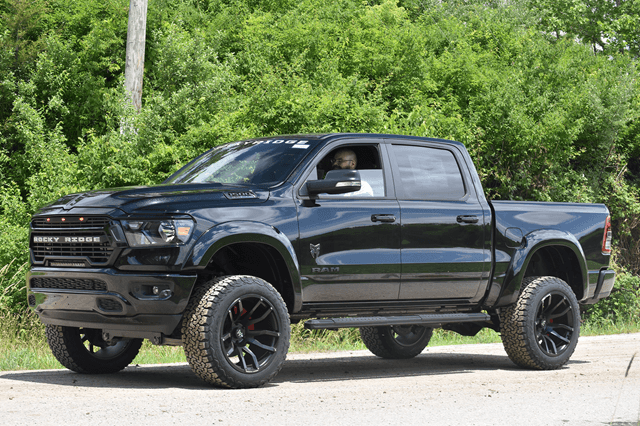
Lifted Trucks for Sale: A Comprehensive Buyer’s Guide
Lifted Trucks for Sale: A Comprehensive Buyer’s Guide For many truck enthusiasts, the standard factory ride just doesn’t cut it. They seek something more commanding, more capable, and undeniably more eye-catching. This desire leads them directly to the world of lifted trucks for sale. These aren’t just vehicles; they’re statements of personal style, declarations of adventurous spirit, and often, highly functional machines engineered for demanding tasks.
A lifted truck is essentially a standard pickup that has been modified to sit higher off the ground, typically through the installation of a suspension lift kit or a body lift kit. This modification allows for greater ground clearance, the accommodation of larger, more aggressive tires, and an imposing aesthetic that sets them apart from their stock counterparts. The market for lifted trucks is vibrant and diverse, offering a spectrum of options from professionally customized new models at dealerships to pre-owned gems from private sellers, each with its own unique history and setup. Understanding the nuances of this market is crucial for making an informed and satisfying purchase.
Why Buy a Lifted Truck? Exploring the Appeal and Benefits
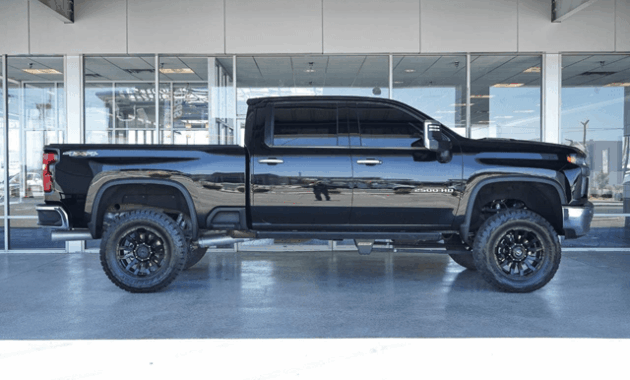
The allure of a lifted truck extends far beyond its impressive stature. Buyers are drawn to these modified machines for a variety of compelling reasons, blending practicality with undeniable style.
- Enhanced Off-Road Capability: This is perhaps the most significant functional benefit. Increased ground clearance means better approach, departure, and breakover angles, allowing the truck to navigate challenging terrain, clear obstacles like rocks and logs, and traverse deeper ruts without scraping the undercarriage. Larger tires, often paired with a lift, provide superior traction and flotation on loose surfaces like mud, sand, or snow.
- Commanding Presence and Aesthetics: There’s no denying the visual impact of a lifted truck. Its elevated stance and aggressive tires project an image of power, ruggedness, and individuality. For many, it’s about making a statement and standing out from the crowd. The “cool factor” is a major draw, contributing to a unique and personalized vehicle.
- Improved Visibility: Sitting higher in traffic offers a more commanding view of the road ahead, potentially enhancing awareness of surroundings and improving safety. While this benefit is sometimes debated, many drivers appreciate the elevated perspective.
- Accommodating Larger Tires: A lift kit is often a prerequisite for fitting larger-diameter tires that offer improved traction, durability, and a more aggressive look. These tires are essential for serious off-roading but also contribute significantly to the truck’s overall aesthetic.
- Towing and Hauling Advantages (Situational): While an excessively high lift can sometimes negatively impact towing stability, a moderate lift can be beneficial for specific towing applications, such as clearing certain types of trailers or navigating uneven terrain with a load.
Ultimately, buying a lifted truck is about acquiring a vehicle that not only meets practical needs for utility and adventure but also reflects a desired lifestyle and personal taste.
Types of Lifts and Their Impact on Performance and Cost
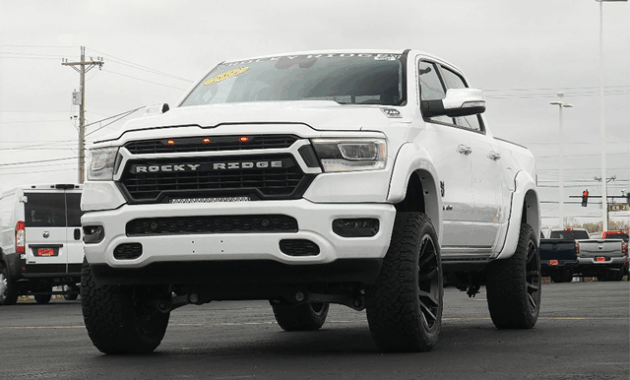
When exploring lifted trucks for sale, it’s vital to understand the different types of lift kits available, as each has distinct characteristics regarding performance, cost, and complexity. The type of lift significantly impacts the truck’s ride quality, handling, and off-road prowess.
- Suspension Lifts: These are the most comprehensive and effective lift kits, designed to increase ground clearance by modifying the truck’s suspension system. This involves replacing components such as springs, shocks, control arms, leaf springs, and sometimes even steering components.
- Pros: Offers genuine ground clearance, often improves off-road performance significantly, and can enhance ride quality (especially with high-quality components). Allows for much larger tires.
- Cons: More expensive and complex to install, can alter steering geometry (requiring alignment), and might impact factory warranty. Requires careful installation to maintain proper handling.
- Body Lifts: Unlike suspension lifts, body lifts do not modify the suspension or increase ground clearance. Instead, they use spacers to raise the truck’s body higher off its frame.
- Pros: Less expensive than suspension lifts, simpler to install, and maintains the factory suspension geometry and ride quality. Primarily allows for fitting slightly larger tires for aesthetic purposes.
- Cons: Does not increase ground clearance, can create an unsightly gap between the frame and body, and can expose parts of the frame or wiring. Offers no functional off-road advantage beyond tire clearance.
- Leveling Kits: These are the simplest and least expensive form of “lift.” They are designed to raise the front of the truck to match the height of the rear, which often sits slightly higher from the factory to accommodate heavy loads.
- Pros: Very affordable, easy to install, and improves the truck’s stance for a more level appearance. Allows for slightly larger tires than stock.
- Cons: Offers minimal actual lift, primarily aesthetic, and provides little to no off-road performance enhancement.
When evaluating a lifted truck for sale, always inquire about the specific type of lift installed, the brand of the kit, and whether it was professionally installed. High-quality suspension components from reputable brands like BDS, Rough Country, Fabtech, or Pro Comp generally indicate a more reliable and better-performing setup.
Where to Find Lifted Trucks for Sale: Your Search Begins Here
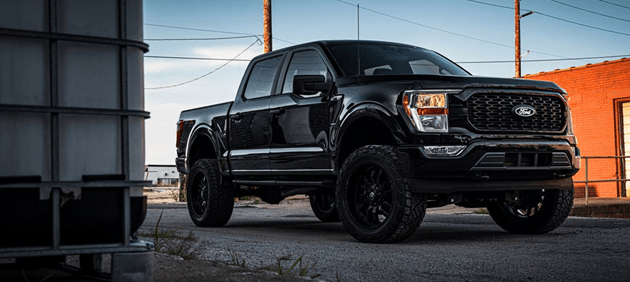
The journey to finding the perfect lifted truck begins with knowing where to look. The market is diverse, offering various avenues, each with its own set of advantages and considerations.
- New Car Dealerships: Many dealerships, especially those specializing in trucks (e.g., Ford, Ram, Chevy, Toyota), offer brand-new trucks that have been lifted and customized either by the manufacturer’s official upfitter programs or by the dealership itself.
- Pros: New truck warranty, often a warranty on the lift kit, professional installation, access to financing.
- Cons: Generally the most expensive option.
- Used Car Dealerships: A broader selection of pre-owned lifted trucks can be found at both independent and franchise used car dealerships.
- Pros: Wider variety of makes, models, and lift styles; more competitive pricing than new.
- Cons: Varies in quality, might not have comprehensive service records for the lift.
- Specialty Lifted Truck Dealerships/Custom Shops: These businesses focus exclusively on lifted and customized trucks. They often have deep expertise in modifications.
- Pros: Knowledgeable staff, often high-quality builds, potential for custom modifications before purchase.
- Cons: Inventory might be limited to certain brands or styles; pricing can be premium.
- Private Sellers: Browsing online classifieds (e.g., Craigslist, Facebook Marketplace, local classifieds) can yield great deals on privately owned lifted trucks.
- Pros: Often the best prices, direct communication with the previous owner.
- Cons: Higher risk (no warranty, “as-is” sale), requires thorough independent inspection, less recourse if issues arise.
- Online Marketplaces and Aggregators: Websites like Autotrader, Cars.com, CarGurus, and eBay Motors allow you to filter searches specifically for “lifted trucks” or “custom trucks,” offering a vast national inventory.
- Pros: Massive selection, convenient search tools, ability to compare many options.
- Cons: Might involve traveling to see the truck, photos don’t always tell the full story.
- Enthusiast Forums and Social Media Groups: Truck-specific forums or local Facebook groups dedicated to lifted trucks can be excellent resources for finding private sales from fellow enthusiasts.
- Pros: Often well-maintained trucks, owners who are passionate and knowledgeable.
- Cons: Limited inventory, can be niche.
When searching, always be prepared to ask detailed questions about the lift kit, its installation, maintenance history, and any other modifications.
Key Considerations Before Buying a Lifted Truck
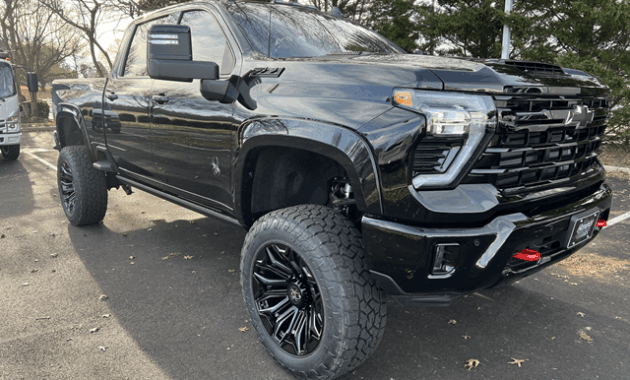
Purchasing a lifted truck involves more than just liking its looks. Several practical and financial considerations must be thoroughly evaluated to ensure a smart and satisfying investment.
- Budget Beyond the Purchase Price: Remember to factor in not just the sticker price but also potentially higher insurance premiums, increased fuel consumption (due to larger tires and altered aerodynamics), and potentially more expensive maintenance or replacement parts for the lift components.
- Intended Use: Will this be a daily driver, a dedicated off-road rig, a towing machine, or a show truck? Your primary use case will dictate the ideal lift type, tire choice, and other modifications. A truck lifted purely for aesthetics might not perform well off-road, and vice versa.
- Legalities and Local Regulations: Lift laws vary significantly by state and even by county. These laws often dictate maximum bumper height, headlight height, and tire protrusion limits. Ensure the truck you’re considering is compliant with your local regulations to avoid fines or registration issues.
- Professional Pre-Purchase Inspection (PPI): This is non-negotiable, especially for a modified vehicle. Have a trusted mechanic who is experienced with lifted vehicles thoroughly inspect the truck. They should check the lift components for proper installation, wear, and potential issues with suspension, steering, drivetrain, brakes, and alignment. Look for signs of excessive wear on CV joints, universal joints, and steering components, which can be accelerated by improper lifts.
- Insurance Implications: Inform your insurance provider that you are purchasing a lifted and modified vehicle. Some companies may charge higher premiums due to the increased value of the modifications and the perceived higher risk. Ensure the modifications are covered in your policy.
- Maintenance and Longevity: Lifted trucks, particularly those with significant suspension modifications, can experience accelerated wear on certain components. Be prepared for potentially more frequent maintenance checks and possibly higher costs for replacement parts. Inquire about the maintenance history of the specific lift components.
- Warranty Concerns: Aftermarket lift kits can, in some cases, void portions of the factory warranty on new trucks, especially if the lift is deemed to have caused a related component failure. If buying new, clarify with the dealer how the lift affects the warranty. Some dealerships offer their own warranty on dealer-installed lifts.
Taking these considerations seriously will help prevent unforeseen problems and ensure you’re making a well-informed decision.
The Buying Process: A Step-by-Step Guide to Acquiring Your Lifted Truck
Navigating the purchase of a lifted truck requires a systematic approach to ensure you get the right vehicle at the right price, without hidden surprises.
- Define Your Needs and Budget: Before you even start looking, determine what you need the truck for (off-roading, towing, daily driving, aesthetics), what type of lift suits you, and establish a firm budget that includes purchase price, insurance, and potential maintenance.
- Thorough Research: Research specific truck models, popular lift kits, common issues, and average market prices for similar vehicles. Read reviews, watch videos, and join online forums to gather insights.
- Identify Potential Trucks: Use the sources mentioned earlier (dealerships, online marketplaces, private sellers) to compile a list of trucks that match your criteria.
- Initial Inquiry and Questions: Contact sellers with a prepared list of questions. Ask about the specific lift kit installed (brand, size), who installed it (professional shop or DIY), the truck’s maintenance history, any known issues, and why they are selling.
- First Look and Test Drive:
- Visual Inspection: Examine the truck in person. Look for rust, body damage, signs of abuse, and check the quality of the lift kit installation (e.g., clean welds, proper clearances, no exposed wiring).
- Test Drive: Drive the truck on various road types – city, highway, and if possible, some light off-road terrain. Pay close attention to:
- Steering: Is it tight and responsive, or loose and vague? Any pulling?
- Ride Quality: Is it overly stiff, bouncy, or does it feel controlled?
- Vibrations: Any unusual vibrations, especially at highway speeds or under acceleration? These can indicate driveline issues.
- Noises: Listen for clunks, squeaks, or grinding from the suspension, brakes, or drivetrain.
- Braking: Does it stop smoothly and effectively?
- Professional Pre-Purchase Inspection (PPI): As reiterated, this is critical. Schedule an inspection with an independent mechanic specializing in 4x4s or lifted vehicles. They will identify potential problems that aren’t obvious to the untrained eye.
- Negotiation: Armed with your research and the PPI results, be prepared to negotiate the price. If the inspection reveals issues, use them as leverage for a price reduction or insist on repairs.
- Financing and Insurance: Secure your financing and get insurance quotes before finalizing the purchase. Ensure your insurance covers the modifications.
- Paperwork: Carefully review all sales documents, title, and registration. Ensure all details are accurate before signing.
By following these steps, you significantly increase your chances of a successful and satisfying purchase.
Potential Challenges and Solutions with Lifted Trucks
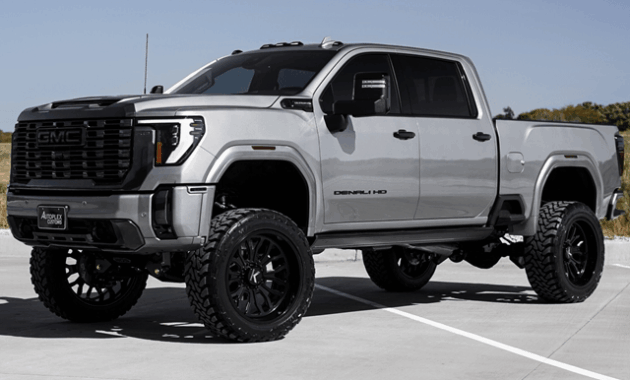
While the benefits of lifted trucks are appealing, it’s also important to be aware of the potential challenges that come with owning a modified vehicle. Knowing these ahead of time can help you prepare and mitigate issues.
- Increased Wear on Drivetrain and Suspension Components: Lifting a truck changes the angles of drive shafts, CV joints, and suspension components, which can lead to accelerated wear if not properly addressed (e.g., with drop brackets or corrected geometry).
- Solution: Invest in high-quality lift kits designed to correct geometry. Regular inspections and preventative maintenance are crucial. Be prepared for component replacement.
- Reduced Fuel Economy: Larger, heavier, and more aggressive tires, combined with increased aerodynamic drag from the lift, almost invariably lead to lower miles per gallon.
- Solution: Accept it as part of owning a lifted truck, or consider regearing the differentials to compensate for larger tires, which can sometimes help restore some fuel efficiency and performance.
- Parking and Maneuverability Difficulties: The increased height can make parking in garages, multi-story car parks, or drive-thrus problematic. Larger tires also increase the turning radius.
- Solution: Always measure your truck’s height, be aware of clearance signs, and practice maneuvering in open spaces.
- Warranty Voidance: As mentioned, modifications can void portions of a new vehicle’s factory warranty.
- Solution: Understand the warranty implications before purchase. Consider buying a used truck where this is less of a concern, or a new truck with a dealer-installed and warranted lift.
- Altered Ride Quality and Handling: Depending on the quality and type of lift, the truck’s ride might become stiffer, bouncier, or less stable, especially at higher speeds or around corners due to a higher center of gravity.
- Solution: Test drive extensively. High-quality shocks and suspension components can significantly improve ride comfort and handling. Drive more cautiously, especially when cornering or in crosswinds.
- Entry/Exit Challenges: The elevated height can make getting in and out of the truck more difficult, especially for shorter individuals.
- Solution: Install high-quality running boards or power-retractable steps.
Forewarned is forearmed. Understanding these challenges allows you to make informed choices and implement solutions to ensure a positive ownership experience.
Customization and Aftermarket Potential
One of the most exciting aspects of owning a lifted truck is the vast world of customization and aftermarket upgrades available. These modifications not only enhance aesthetics but can also boost performance, utility, and comfort.
- Wheels and Tires: This is the most common and impactful upgrade. Aftermarket wheels come in countless designs, finishes, and sizes, perfectly complementing the aggressive stance of a lifted truck. Paired with larger, more aggressive all-terrain or mud-terrain tires, they complete the visual transformation and offer superior traction.
- Lighting Upgrades: Beyond factory headlights, many lifted truck owners add LED light bars, auxiliary driving lights, fog lights, and rock lights for improved visibility during off-road excursions or simply for a distinctive look.
- Bumpers and Winches: Heavy-duty aftermarket bumpers (front and rear) offer enhanced protection, improve approach/departure angles, and provide mounting points for accessories like winches, D-rings, and extra lighting – essential for serious off-road recovery.
- Performance Enhancements: Engine tuning (chips, programmers), cold air intakes, and exhaust systems can boost horsepower, torque, and throttle response, compensating for the power drain of larger tires.
- Suspension Components: While a lift kit is a start, further upgrades to shocks (e.g., remote reservoir, bypass shocks), control arms, and sway bars can fine-tune ride quality and off-road articulation.
- Interior Mods: Upgraded seats, custom upholstery, enhanced audio systems, and advanced infotainment can make the interior as comfortable and technologically advanced as the exterior is rugged.
- Fender Flares: To comply with tire coverage laws and protect the paint from road debris thrown by aggressive tires, wider aftermarket fender flares are often added.
The aftermarket industry for trucks is enormous, offering endless possibilities to tailor your lifted truck precisely to your needs and preferences, truly making it one-of-a-kind.
Price Table: Lifted Trucks for Sale (Estimated Ranges)
The price of a lifted truck varies significantly based on several factors: the truck’s make and model, year, mileage, the type and quality of the lift kit, the installer, and any additional modifications. The table below provides estimated price ranges for different categories of lifted trucks. These are general figures and can fluctuate widely based on market conditions and specific vehicle details.
| Category | Truck Make/Model Examples | Year Range | Mileage Range | Estimated Price Range (USD) | Key Factors Influencing Price Ford F-150, Chevrolet Silverado 1500, Ram 1500, Toyota Tacoma/Tundra | 2018-2023 | 10,000 – 60,000 miles | $40,000 – $80,000+ | New/recent model, premium lift kit (e.g., 6-inch suspension), larger wheels/tires, additional aftermarket accessories (bumpers, lighting), low mileage. |
| Mid-Range Pre-Owned | Ford F-250, Chevrolet Silverado 2500, Ram 2500, Jeep Gladiator | 2014-2018 | 60,000 – 120,000 miles | $25,000 – $40,000 | Older model, higher mileage, reputable but possibly older lift kit, common aftermarket add-ons. Condition of mechanicals and lift components is key. |
| Budget-Friendly Pre-Owned | Ford F-150 (older gen), Chevrolet Silverado (older gen