Helper Bags for Lifted Trucks: Enhancing Performance and Ride Quality
Helper Bags for Lifted Trucks: Enhancing Performance and Ride Quality
Lifted trucks are more than just a statement; they’re often purpose-built machines designed for rugged terrain, heavy hauling, or simply to stand tall above the rest. However, the very modifications that give a truck its impressive stance can sometimes compromise its original suspension performance, especially when it comes to carrying significant loads or towing. This is where helper bags for lifted trucks come into play – a critical upgrade that restores and enhances a lifted truck’s stability, safety, and ride quality under load.
What Are Helper Bags and Why Are They Essential for Lifted Trucks?
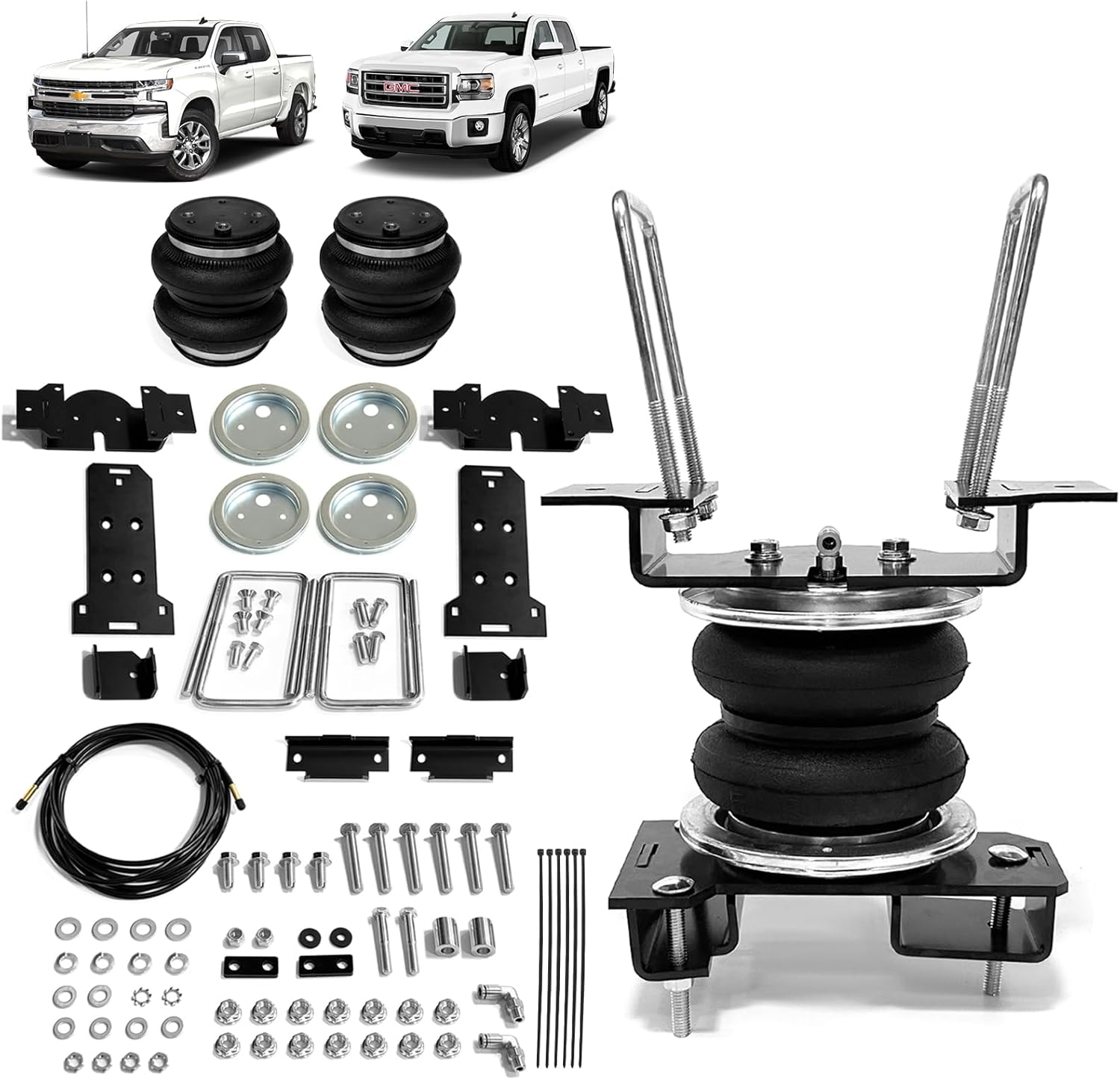
Helper bags, often referred to as air helper springs or simply air bags, are inflatable bladders designed to supplement a vehicle’s existing suspension system. Typically made from durable rubber or polyurethane, these bags are mounted between the truck’s frame and axle (or within coil springs, depending on the application). When inflated with air, they provide additional spring rate and support, helping to level the vehicle, prevent sag, and improve overall handling.
For lifted trucks, helper bags are not just an accessory; they are often a necessity. While a lift kit provides increased ground clearance and can accommodate larger tires, it can also alter the factory suspension geometry. Many lift kits, particularly those using blocks or extended shackles in the rear, can reduce the effective spring rate of the leaf springs or put them at a disadvantage when subjected to heavy loads. This often leads to excessive rear-end sag (the dreaded "squat"), diminished braking performance, compromised steering, and an overall unstable ride. Helper bags directly address these issues, allowing a lifted truck to perform optimally whether it’s empty, fully loaded with gear, or towing a heavy trailer.
Understanding How Helper Bags Work
The operational principle of helper bags is elegantly simple yet remarkably effective. Each system consists of:
- Air Bladders: The core component, these robust bags inflate to provide the necessary support.
- Mounting Brackets: Custom-designed to fit specific truck models and lift configurations, securing the bags to the frame and axle.
- Air Lines: Durable hoses that connect the air bladders to an inflation point.
- Inflation Valves: Typically Schrader valves (like those on tires) for manual inflation, or electronically controlled solenoids for on-board air systems.
When air is introduced into the bags, they expand, creating a cushion between the frame and axle. This added pressure effectively increases the spring rate of the rear suspension, counteracting the downward force of heavy loads. By adjusting the air pressure, you can fine-tune the amount of support needed, ensuring a level stance and optimal performance regardless of the cargo. This dynamic adjustability is a key advantage over fixed mechanical suspension components.
Why Lifted Trucks Specifically Benefit from Helper Bags
While any truck that hauls or tows can benefit from helper bags, lifted trucks have unique reasons why this upgrade is particularly crucial:
- Compensating for Lift Kit Effects: Many popular lift kits achieve their rear height increase using axle blocks or longer shackles. While effective for lift, these methods can sometimes lead to increased leverage on the leaf springs, making them more susceptible to sag under load. Helper bags restore the necessary support.
- Maintaining a Level Stance: A truck that sags in the rear due to heavy loads is not only unsightly but also unsafe. It compromises steering, braking, and headlight aim. Helper bags allow you to maintain a perfectly level stance, even with maximum payload or trailer tongue weight, distributing weight more effectively across all four wheels.
- Improved Stability and Control: Rear-end squat can lead to excessive body roll, sway, and a "porpoising" effect over bumps. By firming up the rear suspension, helper bags dramatically reduce these undesirable movements, providing a more stable, controlled, and confident driving experience, especially when navigating turns or encountering crosswinds.
- Enhanced Ride Quality (Loaded and Unloaded): When properly inflated for the load, helper bags absorb road shocks and vibrations more effectively, preventing the harsh bottoming out that can occur with overloaded stock or lifted suspensions. When unloaded, simply reduce the air pressure to a minimum recommended level to maintain a comfortable ride.
- Preventing Uneven Tire Wear: A sagging rear end can throw off the vehicle’s alignment and cause uneven tire wear, leading to costly premature tire replacement. Helper bags help maintain proper suspension geometry, extending tire life.
- Safety: Beyond comfort and control, helper bags contribute significantly to safety. A level truck handles better, brakes more predictably, and keeps headlights properly aimed, preventing blinding oncoming traffic.
Types of Helper Bag Systems
Helper bag systems come in various configurations to suit different truck designs and user preferences:
- Leaf Spring Applications: The most common type for pickup trucks. These systems typically mount between the frame and the leaf spring pack or axle, often replacing the factory bump stops or integrating around them.
- Coil Spring Applications: For trucks or SUVs with coil-sprung rear suspensions, helper bags are often designed to fit inside the existing coil springs, providing additional support.
- Manual Inflation Systems: These are the most straightforward and budget-friendly. They include air bags, mounting hardware, air lines, and Schrader valves. Users manually inflate the bags using an external air compressor (like those used for tires) to the desired pressure.
- On-Board Air Systems: For ultimate convenience and dynamic control, on-board air systems integrate a dedicated air compressor, an air tank, and often in-cab gauges and controls. This allows for instant air pressure adjustments with the push of a button, making it ideal for those who frequently change loads or need to adjust pressure on the fly for varying terrain or towing conditions. Some advanced systems even offer automatic leveling.
Choosing the Right Helper Bag System for Your Lifted Truck
Selecting the ideal helper bag system involves several considerations:
- Truck Make, Model, and Year: Always start by finding kits specifically designed for your vehicle. Manufacturers like Air Lift, Firestone, and Hellwig offer application-specific kits.
- Lift Kit Type and Height: Ensure the helper bag system is compatible with your existing lift kit. Some kits are designed for stock height, while others specifically accommodate 2-inch, 4-inch, or even taller lifts by including longer brackets or specific bag designs. Pay attention to clearance around U-bolts, brake lines, and other suspension components.
- Intended Use and Load Capacity: Consider the maximum weight you anticipate carrying or towing. Helper bag kits are rated for specific load capacities (e.g., 2,000 lbs, 5,000 lbs). Choose a system that exceeds your typical heaviest load for a safety margin.
- Budget and Desired Convenience: Manual systems are more affordable, while on-board air systems offer unparalleled convenience but come at a higher cost.
- Installation Complexity: While many kits are designed for DIY installation, some may require specialized tools or expertise. Consider your mechanical aptitude or budget for professional installation.
Installation Guide (General Overview)
While specific steps vary by kit and truck model, a general overview of helper bag installation includes:
- Safety First: Park on a level surface, engage the parking brake, and use jack stands to support the vehicle after lifting the rear axle.
- Remove Obstructions: You may need to remove factory bump stops or other components to make room for the new system.
- Assemble Brackets: Attach the upper and lower mounting brackets to the air bags.
- Mount Brackets: Secure the upper brackets to the truck’s frame and the lower brackets to the axle or leaf spring pack, following the kit’s instructions for alignment and torque specifications.
- Install Air Bags: Place the assembled air bags and brackets into position and secure them.
- Route Air Lines: Connect the air lines to the bags and route them carefully, avoiding sharp edges, exhaust components, and moving parts. Use zip ties to secure them.
- Install Inflation Valves: Mount the Schrader valves (for manual systems) in an easily accessible but protected location, often on the bumper or hitch receiver.
- Test for Leaks: Inflate the bags to a moderate pressure (e.g., 20-30 PSI) and spray all connections with soapy water. Look for bubbles, which indicate a leak.
- Final Checks: Re-torque all fasteners and ensure adequate clearance around all components throughout the suspension’s travel.
Maintenance and Tips for Longevity
To ensure your helper bags provide years of reliable service:
- Regular Pressure Checks: Check air pressure monthly, or before and after heavy loads, especially with manual systems. Temperature changes can affect pressure.
- Maintain Minimum Pressure: Always keep at least the manufacturer’s recommended minimum air pressure (typically 5-10 PSI) in the bags, even when unloaded, to prevent damage from internal friction or collapsing.
- Inspect for Damage: Periodically inspect the air bags, lines, and fittings for signs of wear, chafing, cuts, or leaks.
- Cleanliness: Keep the bags and surrounding areas free of excessive dirt, mud, and road debris.
- Avoid Over-Inflation: Never exceed the maximum recommended pressure for your specific helper bag system.
Potential Challenges and Solutions
- Clearance Issues: Some custom lift kits or very large tires might interfere with standard helper bag mounting. Solution: Look for specialized kits designed for extreme lifts, or consult with a suspension expert for custom bracket fabrication.
- Air Leaks: The most common issue. Solution: Use soapy water to pinpoint leaks at fittings or cracks in lines/bags. Tighten fittings, replace damaged lines, or replace a faulty bag.
- Stiffer Ride (Unloaded): Some users report a slightly stiffer ride when the bags are empty but at minimum pressure. Solution: Ensure you are running only the minimum recommended pressure when unloaded. Some advanced systems offer progressive rate bags that are designed to minimize this.
- Installation Difficulty: While many kits are bolt-on, dealing with rusted bolts or tight spaces can be challenging. Solution: Don’t hesitate to seek professional installation from a reputable shop.
Helper Bags for Lifted Trucks: Price Table
| System Category | Key Features | Estimated Price Range (USD) | Notes |
|---|---|---|---|
| Basic Manual Kit | 2 air bags, mounting brackets, air lines, Schrader valves | $250 – $500 | Requires external air compressor. Good for occasional heavy loads. |
| Heavy-Duty Manual Kit | 2 larger capacity air bags, heavy-duty brackets, air lines, Schrader valves | $500 – $800 | Designed for maximum loads. Requires external air compressor. |
| Basic On-Board Air Kit | 2 air bags, brackets, lines, small 12V compressor, single gauge/switch | $800 – $1,500 | Convenience of in-cab inflation. Slower fill times. |
| Advanced On-Board Air Kit | 2 air bags, brackets, lines, powerful compressor, air tank, dual gauges/controls, remote control | $1,500 – $2,500+ | Fastest inflation, precise control, often includes auto-leveling features. Ideal for frequent use. |
Prices are estimates and can vary significantly based on truck model, brand, features, and retailer.
Frequently Asked Questions (FAQ) About Helper Bags for Lifted Trucks
Q: Can helper bags be used with any lift kit?
A: Most helper bag manufacturers offer kits specifically designed for various lift heights (e.g., 2", 4", 6" lifts). It’s crucial to select a kit that is compatible with your specific truck model and existing lift kit to ensure proper fitment and function.
Q: Do helper bags make the ride harsh when unloaded?
A: When properly installed and inflated only to the minimum recommended pressure (typically 5-10 PSI) when unloaded, helper bags should not significantly stiffen the ride. Their primary function is to support load, and they should be deflated to their minimum when not under load to maintain ride comfort.
Q: How much air pressure should I run in my helper bags?
A: The ideal air pressure depends entirely on the load you are carrying. Start with the minimum recommended pressure (e.g., 5-10 PSI) when empty. When loaded, add air until the truck is level. Never exceed the maximum pressure specified by the manufacturer.
Q: What’s the difference between helper bags and a full air suspension system?
A: Helper bags supplement your existing suspension. They work in conjunction with your leaf or coil springs. A full air suspension system replaces traditional springs entirely with air springs, offering a much wider range of height adjustment and ride control, often electronically managed.
Q: Are helper bags difficult to install on a lifted truck?
A: Many helper bag kits are designed as bolt-on installations and can be completed by a mechanically inclined DIYer with basic tools. However, working on a lifted truck might require taller jack stands or more specialized equipment. If you’re unsure, professional installation is always recommended.
Q: How often do I need to check the air pressure in my helper bags?
A: It’s good practice to check the air pressure monthly, and always before and after towing or hauling heavy loads. Temperature fluctuations can cause pressure changes, so regular checks ensure optimal performance and safety.
Conclusion
For owners of lifted trucks, helper bags for lifted trucks represent a smart and often essential investment. They are the unsung heroes that allow your modified truck to perform its duties – whether it’s hauling construction materials, towing a boat, or simply carrying camping gear – with the stability, safety, and comfort it was designed for. By compensating for the unique challenges introduced by lift kits, helper bags ensure your truck remains level, handles predictably, and maintains its impressive stance, making every journey safer and more enjoyable. They bridge the gap between aggressive aesthetics and practical functionality, truly enhancing the versatility and capability of your lifted rig.