Heavy-Duty Ball Joints for Lifted Trucks: A Comprehensive Guide
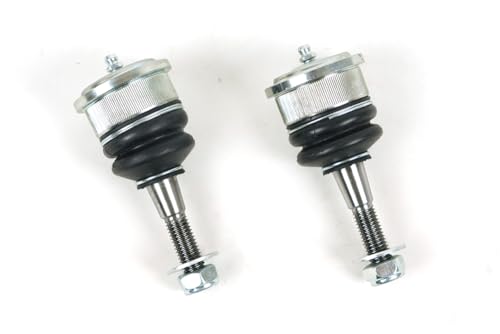
Heavy-Duty Ball Joints for Lifted Trucks: A Comprehensive Guide
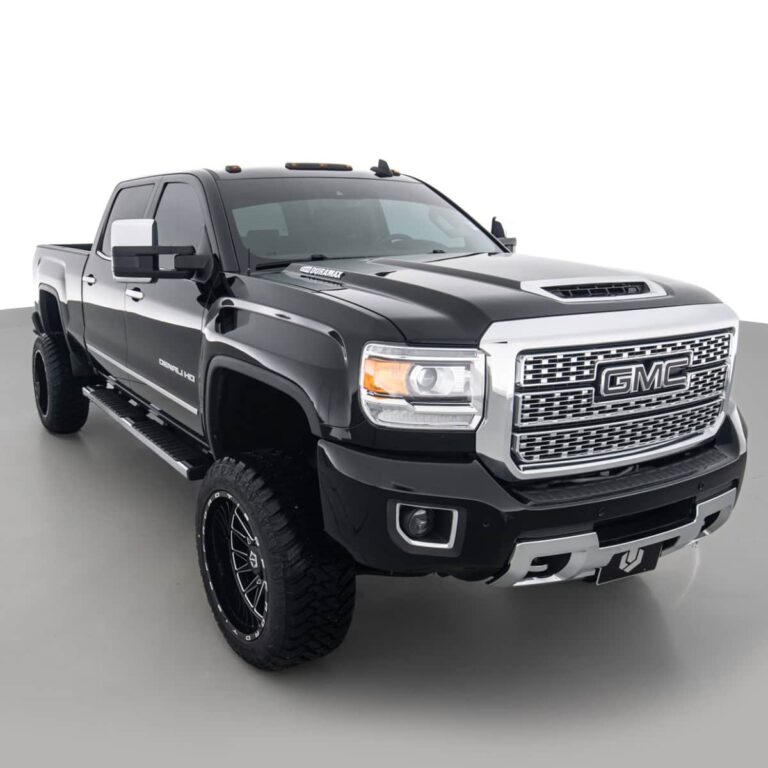
The allure of a lifted truck is undeniable. The aggressive stance, enhanced ground clearance, and commanding view of the road transform a standard vehicle into an off-road beast or a head-turning street machine. However, with great power and elevation comes great responsibility, particularly concerning your truck’s suspension. While a lift kit provides the necessary height, the often-overlooked heroes of a properly functioning and safe lifted truck are its heavy-duty ball joints.
What are Heavy-Duty Ball Joints for Lifted Trucks?
Heavy-duty ball joints for lifted trucks are specialized suspension components designed to withstand the increased stresses and altered geometry that come with raising a vehicle’s ride height and often fitting larger, heavier tires. Unlike standard OEM (Original Equipment Manufacturer) ball joints, which are engineered for factory specifications, heavy-duty variants are constructed with superior materials, reinforced designs, and often enhanced articulation capabilities to maintain proper wheel alignment, steering response, and overall suspension integrity under demanding conditions. They are crucial for ensuring the safety, performance, and longevity of your lifted investment.
Understanding Ball Joints and Their Critical Role in Lifted Trucks
Ball joints are pivotal components in your truck’s suspension system, acting as flexible pivots that connect the control arms to the steering knuckle. They allow your wheels to articulate vertically while simultaneously permitting them to turn left and right. Think of them as the "shoulders" and "hips" of your truck’s suspension, facilitating smooth movement and precise steering.
When a truck is lifted, several factors conspire to put immense strain on the factory ball joints:
- Increased Operating Angles: Lifting the truck changes the angle at which the control arms and steering knuckle meet, forcing the ball joints to operate at more extreme, often unnatural, angles. This constant stress accelerates wear and tear.
- Heavier Wheels and Tires: Larger, heavier tires and aftermarket wheels significantly increase the unsprung weight of the vehicle. This added mass creates greater leverage and impact forces on the ball joints, especially during bumps or off-road excursions.
- Altered Suspension Geometry: Lift kits inherently modify the truck’s suspension geometry. While many kits include components to correct some angles, the ball joints are still subjected to different load paths and forces than originally intended.
- Aggressive Driving and Off-Roading: Lifted trucks are often used for more aggressive driving, including off-roading, towing, and hauling. These activities introduce shock loads, lateral forces, and sustained stress that standard ball joints are simply not built to endure.
The consequences of failing to upgrade to heavy-duty ball joints can range from premature wear and annoying noises (clunks, pops) to dangerous handling characteristics (wandering steering, poor alignment retention) and, in extreme cases, catastrophic failure, where the ball joint separates, leading to a complete loss of control and potential severe damage or injury.
Key Features and Benefits of Heavy-Duty Ball Joints
Upgrading to heavy-duty ball joints is not merely an option for lifted trucks; it’s a fundamental necessity for maintaining safety and performance. Here’s why:
- Enhanced Strength and Durability: Heavy-duty ball joints are typically forged from stronger materials like heat-treated chromoly steel, offering significantly higher tensile strength and resistance to fatigue. They often feature larger ball studs, thicker housings, and improved internal components that can withstand greater loads and impacts without deforming or failing.
- Improved Design for Lifted Applications: Many heavy-duty ball joints are specifically engineered to accommodate the altered geometry of lifted trucks. This can include increased articulation ranges, allowing for full suspension travel without binding, or designs that correct for specific camber and caster issues common with lifted vehicles.
- Longevity and Reliability: By design, heavy-duty ball joints are built to last significantly longer than their OEM counterparts under strenuous conditions. This means fewer replacements, less downtime, and greater peace of mind, especially for trucks used for work or serious off-roading.
- Enhanced Performance and Safety: A robust set of ball joints translates directly into better handling. You’ll experience tighter steering response, more predictable road manners, and better retention of alignment settings. Crucially, they drastically reduce the risk of a ball joint failure, which can lead to a sudden and dangerous loss of steering control.
- Greaseable Fittings and Improved Sealing: Many heavy-duty options come with greaseable fittings, allowing for regular lubrication. This reduces friction and extends component life. Additionally, heavy-duty boots are often made from more resilient materials (e.g., silicone or polyurethane) to better protect the joint from contaminants like dirt, water, and road salt.
Types of Heavy-Duty Ball Joints
The market offers a variety of heavy-duty ball joint designs, each with specific advantages:
- Standard Replacement Heavy-Duty: These are direct replacements for OEM ball joints but are manufactured with stronger materials and often a more robust internal design. They’re a good choice for moderate lifts and less extreme use.
- Adjustable Ball Joints: Crucial for trucks with significant lifts or those struggling with alignment issues, adjustable ball joints allow for precise camber and/or caster correction. This helps restore factory alignment specifications, preventing premature tire wear and improving handling. Brands like SPC Performance are well-known for these.
- Full-Metal-to-Metal Design: Unlike many OEM ball joints that use plastic or polymer liners between the ball and housing, full-metal-to-metal designs eliminate these weaker components. This results in superior strength and durability, though they may require more frequent greasing to prevent wear.
- Rebuildable Ball Joints: Some premium heavy-duty ball joints are designed to be rebuildable. This means that instead of replacing the entire unit when it wears out, you can replace individual internal components, offering long-term cost savings and customization.
- Sealed vs. Greaseable:
- Sealed: These come pre-lubricated and are sealed to keep contaminants out. While convenient, once the internal grease breaks down or the boot tears, the joint is typically not serviceable and must be replaced.
- Greaseable: Equipped with a zerk fitting, these allow for periodic lubrication with a grease gun. This flushes out old grease and contaminants, significantly extending the life of the joint. Most serious off-roaders and heavy-duty users prefer greaseable options.
Choosing the Right Heavy-Duty Ball Joints
Selecting the correct heavy-duty ball joints for your lifted truck involves several considerations:
- Truck Make, Model, and Year: Ball joints are highly vehicle-specific. Always ensure the chosen part is compatible with your exact truck.
- Lift Height and Type: Some ball joints are designed for specific lift ranges (e.g., 2-4 inches, 4-6 inches). If your lift kit includes specific control arms, ensure the ball joints are compatible with those components.
- Intended Use:
- Daily Driver with Moderate Lift: Enhanced OEM replacements or basic heavy-duty options might suffice.
- Light Off-Roading/Towing: Greaseable, stronger options are recommended.
- Extreme Off-Roading/Heavy Hauling: Rebuildable, full-metal, and maximum strength ball joints are essential.
- Budget: Quality often correlates with price. While heavy-duty ball joints are an investment, they are significantly cheaper than repairing a catastrophic suspension failure.
- Brand Reputation: Stick with reputable manufacturers known for producing high-quality suspension components for lifted applications (e.g., Moog, Cognito Motorsports, Kryptonite, SPC Performance, BDS).
- Features: Consider if you need adjustability for alignment, the convenience of sealed vs. the longevity of greaseable, and the material strength.
Installation and Maintenance Guide
Replacing ball joints is a critical task that directly impacts vehicle safety.
-
When to Replace:
- Audible Clunks or Pops: Especially when turning, going over bumps, or braking.
- Wandering Steering: The truck feels loose or drifts, requiring constant correction.
- Uneven Tire Wear: Particularly on the outer edges, indicating alignment issues caused by worn joints.
- Visible Play: If you can jack up the wheel and manually detect movement (play) in the ball joint assembly.
- Damaged Boots: A torn or cracked boot allows contaminants in and grease out, leading to rapid wear.
-
DIY vs. Professional Installation:
Ball joint replacement can be complex and requires specialized tools (e.g., a ball joint press, torque wrench). While a mechanically inclined individual with the right tools can perform the job, it’s generally recommended for experienced DIYers or professional mechanics due to the safety implications. Incorrect installation can be dangerous. -
Basic Installation Steps (Overview):
- Safely lift and secure the truck on jack stands.
- Remove the wheel and brake assembly.
- Separate the steering knuckle from the control arms (often involves breaking taper, removing cotter pins and castle nuts).
- Use a ball joint press to remove the old ball joint from the control arm or knuckle.
- Press in the new heavy-duty ball joint, ensuring correct orientation and proper seating.
- Reassemble the steering knuckle, brake assembly, and wheel.
- Crucially, perform a full suspension alignment immediately after replacement.
-
Crucial Maintenance:
- Regular Greasing: If you have greaseable ball joints, follow the manufacturer’s recommendations (typically every oil change or every 5,000-10,000 miles, or more frequently for off-road use).
- Visual Inspections: Periodically inspect the ball joint boots for tears, cracks, or signs of leakage. Also, check for any visible play or unusual noises.
Challenges and Solutions
- Cost: Heavy-duty ball joints are more expensive than standard replacements.
- Solution: View it as a critical safety and performance investment. The cost of preventative maintenance is far less than the cost of an accident or major suspension repair.
- Installation Difficulty: Requires specific tools and expertise.
- Solution: If uncomfortable, opt for professional installation. Many auto parts stores also rent specialized tools like ball joint presses.
- Greasing Schedule: Greaseable joints require periodic attention.
- Solution: Incorporate greasing into your regular maintenance routine (e.g., when you change your oil). It’s a small task with big benefits.
- Finding the Right Fit: The sheer number of options can be overwhelming.
- Solution: Research thoroughly, read reviews, consult with reputable lift kit manufacturers or suspension specialists, and always double-check compatibility with your specific truck and lift kit.
Practical Advice and Actionable Insights
- Don’t Skimp on Quality: When it comes to suspension components, especially for a lifted truck, choose reputable brands known for durability and performance. Cheap ball joints are a false economy.
- Always Get an Alignment: After replacing ball joints, a professional alignment is non-negotiable. It corrects camber, caster, and toe angles, which are vital for tire longevity, handling, and safety.
- Inspect Regularly: Make ball joint inspection part of your routine vehicle checks, especially if you frequently drive off-road or tow heavy loads.
- Consider Other Components: If your ball joints are worn, other suspension components like tie rod ends, control arm bushings, and wheel bearings might also be showing signs of wear. Address them simultaneously for a complete refresh.
- Match Components to Use: Ensure the heavy-duty ball joints you select are appropriate for your truck’s primary use case – whether it’s a daily driver, a weekend warrior, or a dedicated off-road rig.
Price Table: Heavy-Duty Ball Joints for Lifted Trucks
This table provides estimated price ranges for heavy-duty ball joints commonly found for lifted truck applications. Prices can vary significantly based on vehicle make/model, specific features, brand reputation, and retailer. Always verify current pricing with reputable suppliers.
| Brand/Model Example | Vehicle Application (Example) | Type/Features | Estimated Price Range (Pair) | Notes |
|---|---|---|---|---|
| Moog Problem Solver | Chevy Silverado 1500 (Lifted) | Enhanced OEM replacement, greaseable, forged steel, improved dust boot | $100 – $200 | A popular and reliable upgrade for those seeking better than OEM durability without extreme costs. Good for moderate lifts. |
| Cognito Motorsports | Ford F-250/350 (Lifted) | Heavy-duty, full-metal-to-metal, often rebuildable, high-angle articulation | $300 – $500 | Premium choice for serious off-roaders and heavy-duty work. Designed for extreme use and durability. |
| Kryptonite | Ram 2500/350 (Lifted) | Extreme duty, oversized, full-metal, rebuildable, often with lifetime warranty | $400 – $700 | Known for superior strength and often backed by a lifetime warranty (with conditions). Ideal for severe duty cycles and large tires. |
| SPC Performance | Toyota Tacoma/4Runner (Lifted) | Adjustable (camber/caster), greaseable, rebuildable, improved articulation | $250 – $450 | Excellent for correcting alignment issues that arise from lifting, crucial for tire wear and handling. Often used with aftermarket upper control arms. |
| BDS Suspension | GMC Sierra 1500 (Lifted) | Heavy-duty, durable construction, often included with BDS lift kits | $150 – $300 | Good quality components, offering a strong balance of performance and value. Often integrated into their comprehensive lift systems. |
| Rough Country | Jeep Wrangler JK/JL (Lifted) | Heavy-duty, robust construction, economical | $100 – $250 | A more budget-friendly heavy-duty option, suitable for those looking for an upgrade over OEM without breaking the bank. |
| ICON Vehicle Dynamics | Ford F-150/Raptor (Lifted) | Performance-oriented, high-strength, often rebuildable, increased articulation | $350 – $600 | Designed for high-performance off-road applications, offering precise handling and durability. Often part of a complete ICON suspension system. |
Note: Prices are estimates and can vary significantly based on vehicle model, specific features, retailer, and market fluctuations. Always verify current pricing with reputable suppliers.
Frequently Asked Questions (FAQ)
Q: Do I really need heavy-duty ball joints for my lifted truck?
A: Absolutely. While your truck might "function" with stock ball joints for a time, they are not designed for the increased stress, altered angles, and heavier components of a lifted vehicle. Heavy-duty ball joints are a critical upgrade for safety, reliability, and preventing costly future repairs.
Q: How do I know if my ball joints are failing?
A: Common symptoms include clunking or popping noises (especially over bumps or when turning), loose or wandering steering, uneven tire wear (cupping or excessive outer edge wear), and vibrations. You can also visually inspect for torn boots or excessive play when the wheel is off the ground.
Q: Can I install heavy-duty ball joints myself?
A: It depends on your mechanical skill level and available tools. Ball joint replacement requires specialized tools like a ball joint press and a good understanding of suspension mechanics. If you’re not confident, it’s best to have a professional perform the installation for safety reasons.
Q: Are greaseable ball joints better than sealed ones?
A: For lifted trucks, greaseable ball joints are generally preferred. They allow for periodic lubrication, flushing out contaminants and extending the life of the joint significantly. While sealed units offer convenience, their lifespan is typically shorter in demanding applications once the internal grease degrades or the boot fails.
Q: Will heavy-duty ball joints fix my alignment issues?
A: While new, tight ball joints provide a solid foundation for alignment, they won’t inherently "fix" issues caused by a lift. However, if your old ball joints were worn, replacing them will allow for a proper alignment to be performed and held. For significant alignment problems (e.g., excessive camber/caster), you may need adjustable heavy-duty ball joints or aftermarket control arms designed for lifted applications.
Q: What’s the lifespan of heavy-duty ball joints?
A: The lifespan varies greatly depending on the brand, quality, driving conditions, and maintenance (if greaseable). However, a well-maintained set of heavy-duty ball joints should significantly outlast OEM components, often lasting many tens of thousands of miles, even under challenging conditions.
Conclusion
Heavy-duty ball joints are far more than just another aftermarket accessory; they are a fundamental upgrade for any lifted truck. They bridge the gap between the aesthetic appeal and performance aspirations of a lifted vehicle and the critical requirements of safety and reliability. By investing in robust, purpose-built ball joints, you’re not just enhancing your truck’s suspension; you’re safeguarding its ability to handle tough terrains, carry heavy loads, and maintain precise control on the road. Don’t compromise on these vital components; choose wisely, maintain diligently, and enjoy the full potential of your lifted truck with confidence and peace of mind.