Extreme Lifted Trucks: The Ultimate Guide to Height, Power, and Performance

Extreme Lifted Trucks: The Ultimate Guide to Height, Power, and Performance
In the world of automotive customization, few vehicles command attention quite like an extreme lifted truck. These aren’t just trucks with a basic leveling kit; they are colossal machines engineered to tower over traffic, conquer formidable terrain, and make an undeniable statement. More than mere vehicles, extreme lifted trucks represent a unique blend of passion, engineering prowess, and a desire to push boundaries, transforming conventional pickups into awe-inspiring behemoths that defy the ordinary. This comprehensive guide will delve into the fascinating realm of extreme lifted trucks, exploring their definition, components, benefits, challenges, and everything an enthusiast needs to know.
What Defines an Extreme Lifted Truck?
An extreme lifted truck transcends the common perception of a lifted vehicle. While a standard lift kit might raise a truck by 2 to 6 inches for improved ground clearance or larger tires, an extreme lift typically involves raising the vehicle by 10, 12, 15 inches, or even significantly more. This isn’t achieved with simple spacers; it demands a complete overhaul of the suspension system, often involving custom fabrication, heavy-duty components, and meticulous engineering.
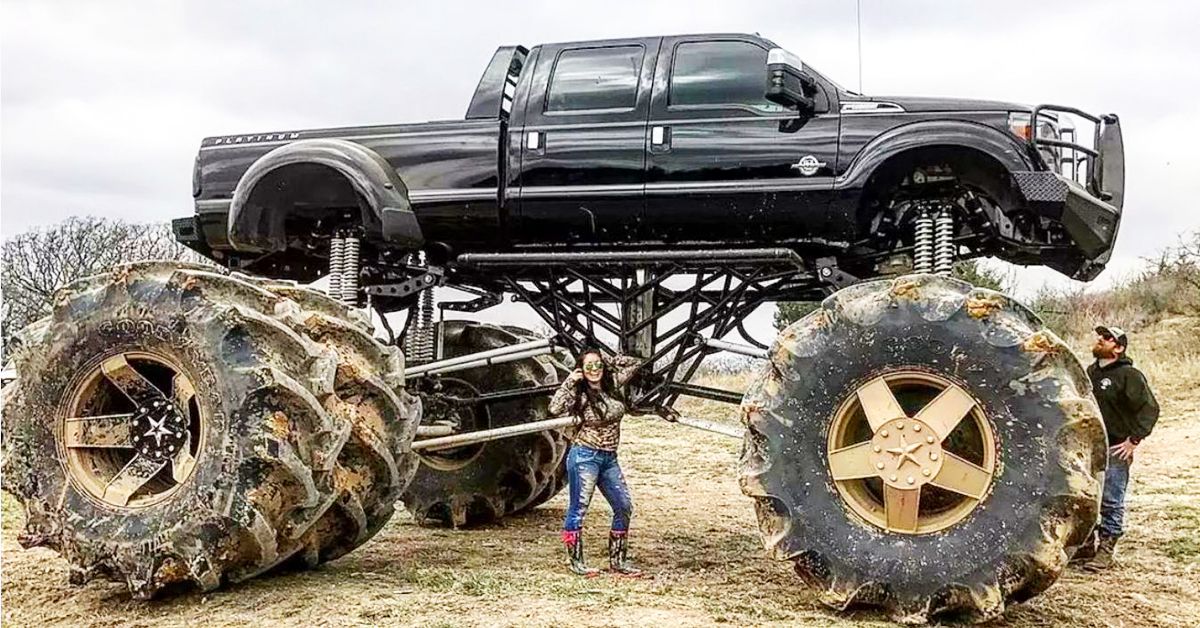
These trucks are characterized by their colossal stature, often riding on tires 40 inches or larger in diameter, and boasting a commanding presence that is impossible to ignore. Their purpose can vary from being dedicated show trucks, built to impress at events with their immaculate finish and elaborate modifications, to hardcore off-road machines designed for mud bogging, rock crawling, or competitive mega truck events. What unites them is the dedication to achieving maximum height, capability, and visual impact.
The Anatomy of Extreme Lift: Key Components
Building an extreme lifted truck is a complex endeavor that requires specialized components and often extensive custom fabrication. Understanding these elements is crucial to appreciating the engineering involved.
1. Suspension Systems
The heart of any extreme lift is its suspension. Unlike bolt-on kits, extreme lifts often feature:
- Custom Long-Travel Systems: Designed to allow massive wheel articulation, crucial for off-roading.
- Coilover Conversions: Replacing leaf springs or standard coil springs with adjustable coilovers for superior damping and ride quality, despite the height.
- Four-Link or Triangulated Four-Link Setups: These sophisticated link systems control axle movement, providing stability and articulation, especially in extreme off-road conditions.
- Air Ride Systems: Some show trucks utilize air suspension for adjustable ride height, allowing them to "lay frame" when parked and then lift to extreme heights.
2. Axles & Drivetrain
The stock axles and drivetrain are rarely sufficient for the immense stress of large tires and extreme terrain.
- Heavy-Duty Axles: Swapping in axles like Dana 60, Dana 80, or custom-built units from companies like Rockwell is common to handle increased torque and weight.
- Gearing Changes: Re-gearing differentials is essential to compensate for larger tire diameters, restoring power and preventing strain on the engine and transmission.
- Reinforced Driveshafts: Longer, stronger driveshafts are required to accommodate the increased ride height and ensure reliable power delivery.
- Lockers: Differential lockers are crucial for off-road performance, ensuring both wheels on an axle receive power simultaneously.
3. Tires & Wheels
The most visually striking component, massive tires are a hallmark of extreme lifted trucks.
- Large Diameter Tires: Ranging from 40-inch to over 50-inch diameters, these tires provide maximum ground clearance and traction.
- Aggressive Tread Patterns: Mud-terrain (MT) or super-swamper style tires are chosen for their ability to grip in loose or wet conditions.
- Beadlock Wheels: Essential for extreme off-roading, beadlock wheels physically clamp the tire bead to the wheel, preventing the tire from coming off the rim at very low air pressures.
4. Steering Components
With massive tires and altered geometry, stock steering components are inadequate.
- Crossover or High-Steer Systems: These reconfigure the steering linkage to improve geometry and reduce bump steer.
- Hydraulic Assist Steering: Often necessary to turn oversized tires with ease, reducing strain on the driver.
- Heavy-Duty Tie Rods and Drag Links: Reinforced components prevent bending or breaking under the stress of larger tires and off-road impacts.
5. Frame Reinforcement & Body Modifications
The original frame may need reinforcement to handle the increased stresses. Additionally:
- Fender Flares & Trimming: Extensive cutting of fenders or custom widebody kits are often required to clear the huge tires at full articulation.
- Custom Bumpers & Rock Sliders: Fabricated to match the new proportions and provide protection.
6. Engine & Performance Upgrades
To compensate for the added weight, increased drag from larger tires, and altered gearing, engine upgrades are common.
- ECU Tuning: Optimizing engine parameters for performance.
- Forced Induction: Superchargers or turbochargers are often added to significantly boost horsepower and torque.
- Performance Exhaust Systems: To improve airflow and sound.
Benefits and Appeal of Extreme Lifted Trucks
The allure of extreme lifted trucks stems from a combination of practical advantages and intangible benefits.
Unrivaled Off-Road Capability
For those who truly venture off the beaten path, an extreme lift provides unparalleled ground clearance. This allows trucks to clear massive obstacles, traverse deep mud pits, and navigate challenging rock gardens that would stop lesser vehicles in their tracks. The larger tires offer a huge contact patch for traction and can float over soft terrain.
Commanding Presence & Aesthetics
There’s no denying the visual impact of an extreme lifted truck. They are head-turners, eliciting stares and admiration wherever they go. For many owners, it’s a statement of individuality and a showcase of their passion for automotive customization. The sheer scale and aggressive stance create a powerful, unique aesthetic.
Personalization & Engineering Showcase
Building an extreme lifted truck is a highly personal journey. It allows owners to express their creativity and often their mechanical aptitude. These vehicles become mobile canvases for custom paint, lighting, interior upgrades, and intricate fabrication, reflecting the owner’s vision and the skill of the builders.
Community & Lifestyle
The extreme lifted truck scene fosters a vibrant community. Owners gather at truck shows, off-road events, and online forums, sharing knowledge, tips, and a mutual appreciation for these magnificent machines. It’s a lifestyle that celebrates power, ruggedness, and a passion for pushing limits.
Challenges and Important Considerations
While exhilarating, owning an extreme lifted truck comes with significant challenges and responsibilities.
1. Safety & Stability
Raising a vehicle’s center of gravity dramatically impacts its stability. Extreme lifted trucks are more prone to roll-overs, especially during sharp turns or on uneven terrain. Braking performance can also be compromised due to larger, heavier tires and altered suspension geometry. Professional installation and careful driving are paramount.
2. Legality & Regulations
Vehicle modification laws vary widely by state and country. Many jurisdictions have strict regulations regarding maximum vehicle height, bumper height, fender coverage (tires must be covered), and headlight/taillight heights. It’s crucial to research local laws before embarking on an extreme build to avoid fines or inability to register the vehicle.
3. Cost & Maintenance
Extreme lifted trucks are incredibly expensive. Beyond the initial purchase of the truck, the components alone can run into tens of thousands of dollars, with custom fabrication and labor adding significantly more. Maintenance costs are also higher, with specialized parts, increased wear and tear on components, and often lower fuel economy.
4. Driveability & Practicality
Daily driving an extreme lifted truck presents challenges. Parking in garages or multi-story car parks becomes impossible. Maneuvering in tight spaces is difficult, and entry/exit often requires significant effort or specialized steps. Highway manners can be compromised, with increased wind noise, reduced aerodynamics, and a less comfortable ride than stock.
5. Engineering & Fabrication Expertise
This is not a project for the novice DIY enthusiast. Extreme lifts require advanced mechanical knowledge, welding skills, suspension geometry understanding, and precision fabrication. Improper installation can lead to dangerous failures. Hiring reputable, experienced shops and fabricators is essential.
6. Impact on Vehicle Warranty
Modifying a truck to this extent will almost certainly void its factory warranty. Owners must be prepared to cover all future repairs out of pocket.
Types of Extreme Lifted Trucks
Extreme lifted trucks can be broadly categorized by their primary function or aesthetic.
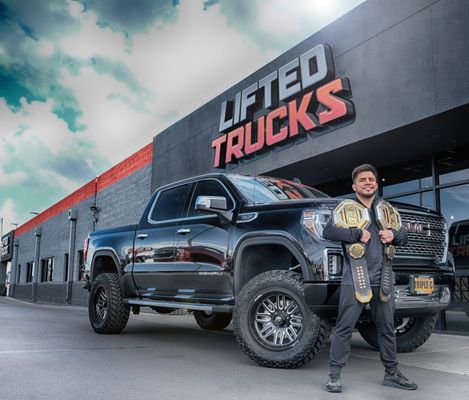
- Show Trucks: Built primarily for aesthetics and display, these trucks often feature immaculate paint, chrome, elaborate lighting, and highly detailed engines and interiors. While capable, their primary goal is visual impact.
- Mud Boggers: Designed to conquer deep mud pits, these trucks often feature paddle tires, powerful engines (sometimes even multiple engines), and highly articulated suspensions. Durability and traction in slop are key.
- Rock Crawlers: While often lifted, extreme rock crawlers prioritize articulation, low gearing, and robust components over sheer height. Their goal is to navigate extremely technical rocky terrain slowly and precisely.
- Mega Trucks: A hybrid category, often seen in competitive events, these trucks typically feature massive tractor tires (often 5-6 feet tall), heavily reinforced chassis, and immense power for tackling extreme mud and vertical climbs.
Tips for Aspiring Extreme Lift Owners
Considering diving into the world of extreme lifted trucks? Here’s some practical advice:
- Define Your Purpose: Are you building a show truck, an off-road beast, or a bit of both? Your purpose will dictate component choices and budget.
- Research Thoroughly: Spend countless hours researching components, shops, and legal requirements. Learn from others’ builds and mistakes.
- Budget Realistically: Extreme lifts are expensive. Create a detailed budget that accounts for parts, labor, unforeseen issues, and ongoing maintenance. Be prepared for costs to exceed initial estimates.
- Prioritize Safety & Legality: Never compromise on safety. Ensure all modifications are performed by professionals and comply with local laws.
- Start with a Solid Base Vehicle: A well-maintained truck with a robust frame is a better starting point than a beat-up one.
- Find Reputable Fabricators: This is perhaps the most crucial tip. Seek out shops with proven experience in extreme truck builds, strong portfolios, and positive customer reviews.
- Be Patient: Custom builds take time. Rushing the process can lead to mistakes and compromises.
Extreme Lifted Truck Price Table
The cost of an extreme lifted truck build can vary wildly depending on the truck’s base model, the extent of customization, component choices, and labor rates. This table provides estimated ranges for various aspects of a custom extreme lifted truck build.
| Component/Service | Estimated Price Range (USD) | Notes |
|---|---|---|
| Base Truck (Used) | $15,000 – $60,000+ | Depends on make, model, year, condition. New trucks significantly higher. |
| Extreme Lift Kit/Suspension | $10,000 – $40,000+ | Custom 4-link, coilovers, long-travel systems. Fabrication costs extra. |
| Tires (4x) & Wheels (4x) | $8,000 – $20,000+ | For 40"+ tires and custom beadlock wheels. |
| Heavy-Duty Axle Upgrades | $5,000 – $15,000 per axle | Includes stronger differentials, gearing changes. |
| Steering System Upgrades | $2,000 – $8,000 | Hydraulic assist, crossover steering, heavy-duty components. |
| Drivetrain Reinforcement | $1,000 – $5,000 | Driveshafts, transfer case upgrades. |
| Engine Performance Upgrades | $5,000 – $25,000+ | Tuning, forced induction (turbo/supercharger), exhaust, cooling. |
| Custom Fabrication | $5,000 – $30,000+ | Frame reinforcement, fender work, custom bumpers, mounting brackets. |
| Professional Installation | $10,000 – $50,000+ | Labor costs for complex builds. Highly variable. |
| Paint & Bodywork (Custom) | $5,000 – $20,000+ | For high-quality, custom finishes. |
| Interior & Electronics | $2,000 – $10,000+ | Custom upholstery, sound systems, gauges. |
| Total Estimated Build Cost | $70,000 – $300,000+ | Excludes base truck. Can easily exceed $500,000 for top-tier show trucks. |
Frequently Asked Questions (FAQ)
Q: Are extreme lifted trucks legal to drive on public roads?
A: Legality varies significantly by state and country. Many jurisdictions have specific laws regarding maximum bumper height, headlight height, fender coverage, and overall vehicle height. Always check your local Department of Motor Vehicles (DMV) regulations. Some extreme builds are strictly for off-road use or trailer queens.
Q: How much does an extreme lifted truck cost?
A: The cost can range from $70,000 to over $300,000 for a fully custom build, excluding the price of the base truck. Top-tier show trucks can exceed $500,000. It’s a significant investment.
Q: Can I daily drive an extreme lifted truck?
A: While some owners do, extreme lifted trucks are generally not practical for daily driving. They often have poor fuel economy, are difficult to park, struggle with low overhead clearances, and can have a less comfortable ride. Visibility and entry/exit can also be challenging.
Q: What are the biggest tires I can put on a truck?
A: With extreme lifts and extensive body/fender modifications, tires ranging from 40 to 50 inches in diameter are common. Some mega trucks use even larger agricultural or tractor tires.
Q: Is an extreme lifted truck safe?
A: When professionally engineered and built to high standards, they can be safe within their intended use. However, the significantly raised center of gravity inherently increases the risk of roll-overs, and braking distances can be affected. Driving habits must adapt to the vehicle’s altered dynamics. DIY or poorly executed builds can be extremely dangerous.
Q: Will lifting my truck void its warranty?
A: Yes, performing an extreme lift and related modifications will almost certainly void your truck’s factory warranty, especially for components related to the drivetrain, suspension, and potentially the engine.
Conclusion
Extreme lifted trucks stand as monumental tributes to automotive passion and engineering. They are more than just vehicles; they are expressions of individuality, feats of mechanical prowess, and often the culmination of significant investment and dedication. While they offer unparalleled off-road capability and an undeniable visual presence, they also demand a deep understanding of their complexities, challenges, and the responsibilities that come with owning such a formidable machine. For those who embrace the journey, the world of extreme lifted trucks offers an exhilarating blend of power, height, and performance that truly elevates the driving experience.