Clearance Lights for Trucks: Illuminating Safety and Compliance
Clearance Lights for Trucks: Illuminating Safety and Compliance
In the vast landscape of commercial trucking, where every mile counts and safety is paramount, certain components stand out for their critical role in preventing accidents and ensuring regulatory compliance. Among these often-underestimated elements are clearance lights. More than just decorative illumination, these small but mighty lights are essential safety devices that clearly delineate the dimensions of a truck and its trailer, making it visible to other motorists, especially during adverse conditions or at night. Understanding their function, proper installation, and maintenance is not just good practice—it’s a legal and ethical imperative for every truck owner and operator.
What Are Clearance Lights and Why Are They Essential?
Clearance lights, often referred to as marker lights or cab lights, are specialized lighting units mounted on the highest and widest points of a truck and its accompanying trailer. Their primary purpose is to indicate the overall dimensions—height, width, and sometimes length—of the vehicle to other road users. Unlike headlights or taillights that illuminate the path or signal braking, clearance lights provide a constant visual outline of the truck’s physical footprint.
The importance of these lights cannot be overstated:
- Enhanced Visibility: They dramatically improve a truck’s visibility, especially in low-light conditions, fog, rain, or snow. By outlining the vehicle, they help other drivers accurately judge its size and distance, reducing the risk of collisions.
- Accident Prevention: Without clear dimensional indicators, other vehicles might misjudge the width of a truck, leading to side-swipe accidents, or a driver might not realize the height of a truck, resulting in devastating collisions with low bridges or overhead structures. Clearance lights act as a crucial warning system.
- Regulatory Compliance: In many countries, including the United States (governed by the Federal Motor Carrier Safety Administration – FMCSA), clearance lights are a mandatory safety feature. Operating a commercial vehicle without properly functioning clearance lights can lead to significant fines, out-of-service orders, and legal liabilities in the event of an accident.
In essence, clearance lights are the silent guardians of the road, communicating a truck’s presence and dimensions to the world around it, thereby playing a vital role in the safety ecosystem of modern transportation.
Types of Clearance Lights
Clearance lights come in various forms, primarily categorized by their location on the vehicle and the technology they employ.
By Location:
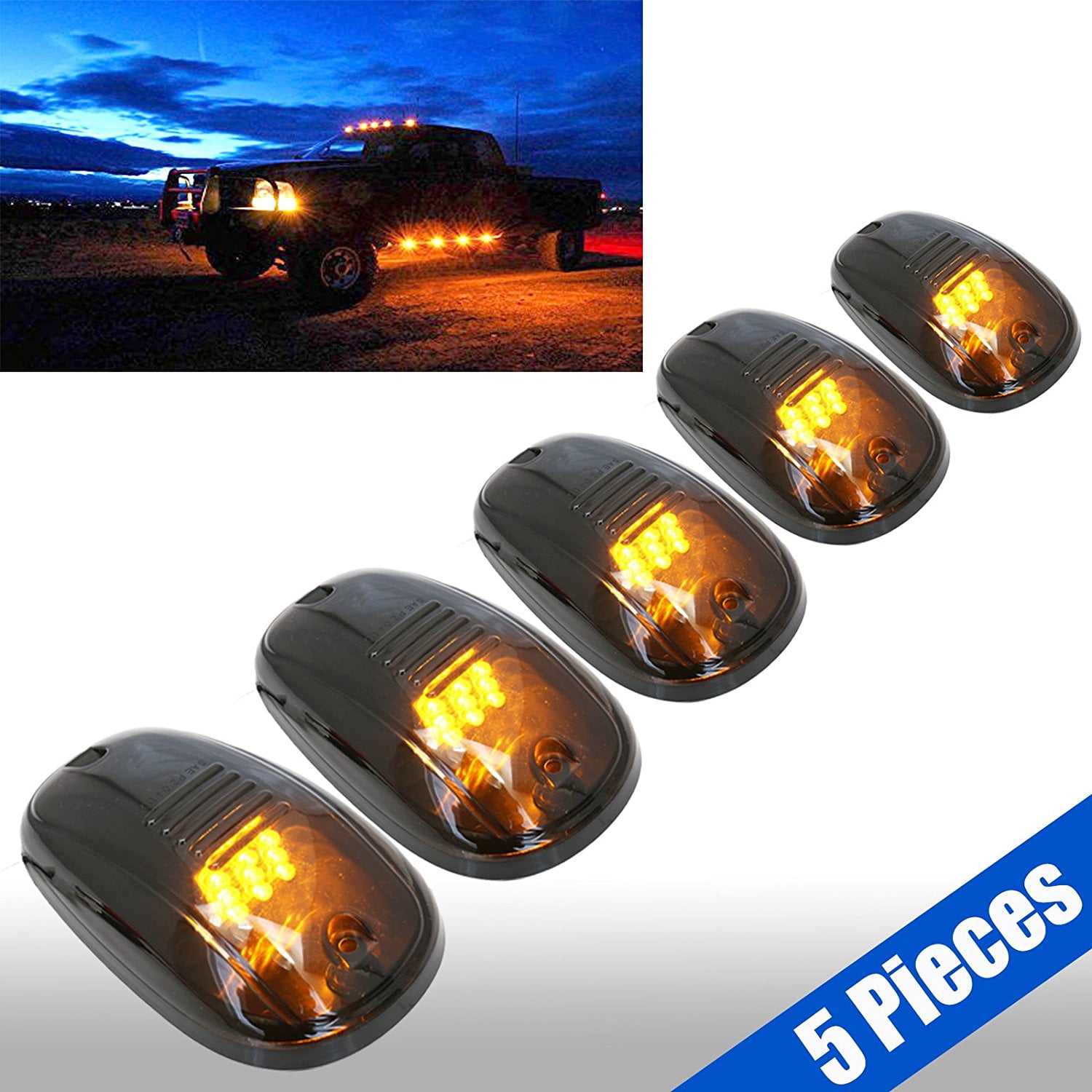
- Roof-Mounted (Cab Lights): These are typically found on the highest point of the truck’s cab, usually in a set of three to five amber lights. They specifically indicate the height and width of the cab.
- Side-Mounted: These lights run along the top outer edges of the trailer, often integrated with side marker lights. Amber lights are used on the front and sides, while red lights are used on the rear and sides. They outline the length and width of the trailer.
- Rear-Mounted: Similar to side-mounted, but specifically at the very top rear of the trailer, typically red in color, to indicate the maximum height and width from the rear perspective.
By Technology:
- Incandescent Lights: These are the traditional type, using a filament bulb. While inexpensive, they are less energy-efficient, produce more heat, have a shorter lifespan, and are more susceptible to vibrations and impacts. They are becoming less common in new truck applications.
- LED (Light Emitting Diode) Lights: LEDs have become the industry standard due to their numerous advantages:
- Longevity: They last significantly longer than incandescent bulbs, often tens of thousands of hours.
- Energy Efficiency: They consume far less power, reducing strain on the truck’s electrical system.
- Brightness and Clarity: LEDs offer brighter, crisper illumination, enhancing visibility.
- Durability: They are solid-state devices, making them more resistant to shock, vibration, and temperature extremes.
- Faster Illumination: LEDs light up instantly, which can be crucial for signaling.
By Function/Color:
- Amber: Required for the front and sides of the vehicle to indicate forward motion and lateral dimensions.
- Red: Required for the rear and sides of the vehicle to indicate the rearward dimension and lateral dimensions.
Legal Requirements and Regulations
Adhering to federal and state regulations regarding clearance lights is non-negotiable for commercial trucks. In the United States, the Federal Motor Carrier Safety Administration (FMCSA) sets forth detailed requirements under the Department of Transportation (DOT) regulations. Key aspects include:
- Number and Placement: Trucks and trailers of a certain length and width (typically over 80 inches wide or 30 feet long) must be equipped with specific numbers of clearance lights. For instance, a minimum of three amber clearance lamps are required on the front of the cab, and two red clearance lamps on the rear of the trailer, positioned at the highest practical point. Side marker lights (often combined with clearance functions) are also required along the length.
- Color Requirements: As mentioned, amber lights are for the front and sides, while red lights are for the rear and sides. This universal color coding helps other drivers quickly ascertain the direction and dimension of the vehicle.
- Visibility Distance: Lights must be visible from a specified distance (e.g., 500 feet) under normal atmospheric conditions.
- Operational Requirements: All required lights must be fully functional. A single non-operational clearance light can result in a violation during an inspection.
- DOT Approval: All lights installed on commercial vehicles must be DOT-approved, meaning they meet specific safety and performance standards.
Non-compliance can lead to severe penalties, including hefty fines, vehicle impoundment, out-of-service orders, and a negative impact on a carrier’s Compliance, Safety, Accountability (CSA) score. More critically, it significantly increases the risk of accidents and associated legal liabilities.
Installation and Maintenance Tips
Proper installation and diligent maintenance are crucial for the effectiveness and longevity of clearance lights.
Installation:
- Choose the Right Location: Ensure lights are mounted at the highest and widest practical points, as per regulations. Use templates if provided.
- Wiring: Always use appropriate gauge wiring for the current draw. Ensure all connections are secure, crimped, and soldered if necessary. Apply dielectric grease to prevent corrosion.
- Waterproofing: This is paramount. Use waterproof connectors, heat-shrink tubing, and high-quality silicone sealant around mounting holes to prevent water intrusion, which can lead to shorts, corrosion, and premature light failure.
- Grounding: A good ground connection is vital for proper light function. Ensure the ground wire is securely fastened to a clean, unpainted metal surface on the chassis.
- Professional vs. DIY: While basic installations can be DIY, complex wiring or integrating new lights into existing electrical systems might warrant professional help to ensure compliance and avoid electrical issues.
Maintenance:
- Regular Inspection: Make clearance lights a part of your daily pre-trip and post-trip inspections. Check for any cracked lenses, burnt-out bulbs (if incandescent), or dim LEDs.
- Cleaning: Keep lenses clean and free of dirt, grime, and road salt. A simple wipe-down can significantly improve light output.
- Check Connections: Periodically inspect wiring and connections for signs of corrosion, fraying, or looseness.
- Replace Promptly: A non-functional light is a safety hazard and a violation. Replace faulty units immediately. For LED units, this usually means replacing the entire sealed unit.
- Sealant Check: Re-apply sealant around mounting points if you notice any cracking or deterioration to prevent water leaks into the cab or trailer.
Benefits of High-Quality Clearance Lights
Investing in high-quality clearance lights, particularly LED technology, offers a multitude of benefits beyond mere compliance:
- Enhanced Safety: The most significant benefit. Brighter, more reliable lights mean better visibility for your truck, reducing the likelihood of accidents involving other vehicles, pedestrians, or stationary objects.
- Reduced Risk of Accidents & Downtime: Fewer accidents mean less damage, lower insurance claims, and minimal downtime for repairs, translating to significant cost savings.
- Guaranteed Regulatory Compliance: High-quality, DOT-approved lights ensure your fleet consistently meets all legal requirements, avoiding costly fines and operational disruptions.
- Improved Fleet Efficiency: Reliable lights mean fewer maintenance interventions and less time spent troubleshooting electrical issues.
- Professional Appearance: A truck with all its lights functioning properly projects an image of professionalism and meticulous maintenance, enhancing the fleet’s reputation.
- Longevity and Durability: LED lights, in particular, are built to withstand the harsh conditions of the road, offering a longer lifespan and greater resistance to vibration and impact.
Practical Advice and Actionable Insights
For truck owners and operators, here’s some actionable advice regarding clearance lights:
- Always Prioritize DOT-Approved Lights: Never compromise on safety and compliance by using non-approved lighting.
- Invest in LED Technology: While the initial cost might be slightly higher, the long-term savings in energy consumption, replacement costs, and improved reliability make LEDs a superior choice.
- Implement a Strict Inspection Routine: Make checking all clearance lights a mandatory part of every pre-trip inspection. Even one non-functioning light can lead to a violation.
- Don’t Procrastinate on Repairs: If a light is out, replace or repair it immediately. It’s not just a minor defect; it’s a potential safety hazard.
- Consider Integrated Light Bars: For some applications, integrated LED light bars can offer a sleek look while providing comprehensive clearance lighting.
- Keep Spares: For common light types, having a few spare units on hand can expedite repairs and minimize downtime.
Concluding Summary
Clearance lights for trucks are far more than just auxiliary lighting; they are indispensable safety devices that communicate critical dimensional information to everyone on the road. From preventing collisions with low structures to ensuring other motorists accurately perceive the size of a commercial vehicle, their role in road safety is profound. By understanding the types available, adhering strictly to legal requirements, and committing to diligent installation and maintenance, truck operators can significantly enhance safety, ensure compliance, and contribute to a more secure transportation network. Investing in quality clearance lights and maintaining them meticulously is not just an expense—it’s an investment in safety, efficiency, and peace of mind.
Price Table: Common Clearance Lights for Trucks
| Category/Type | Typical Price Range (USD) | Key Features | Pros | Cons |
|---|---|---|---|---|
| Basic Incandescent Clearance Light | $5 – $15 (per unit) | Single bulb, standard plastic lens, 2-wire setup, often amber or red. | Very low initial cost, easy to replace bulb. | Short lifespan, high power consumption, fragile, less bright. |
| Single LED Clearance Light | $10 – $30 (per unit) | Sealed LED unit, polycarbonate lens, waterproof, DOT approved. | Long lifespan, energy-efficient, durable, brighter than incandescent. | Higher initial cost than incandescent, non-replaceable LEDs. |
| Multi-LED Strip/Bar Light | $25 – $70 (per unit) | Multiple LEDs in a strip/bar, often with integrated mounting, sealed unit. | Excellent visibility, modern look, very durable, superior light output. | Higher cost, can be more complex to mount if not replacing similar unit. |
| LED Cab Marker Light Kit | $50 – $150 (for a set of 3-5) | Set of 3-5 amber LED lights for cab roof, often with wiring harness. | Coordinated look, complete solution for cab, enhanced front visibility. | Requires drilling into cab roof, installation can be time-consuming. |
| Integrated Side Marker/Clearance Light | $15 – $40 (per unit) | Combines side marker and clearance function, often rectangular or oval. | Dual functionality, streamlines wiring, common replacement part. | Specific form factor might not fit all applications. |
| Heavy-Duty/Premium LED Light | $40 – $100+ (per unit) | Robust construction, enhanced waterproofing (IP67/IP68), extended warranty, reputable brand. | Maximum durability, superior performance in harsh conditions, longer warranty. | Significantly higher price point. |
Note: Prices are approximate and can vary based on brand, quality, retailer, and bulk purchases.
Frequently Asked Questions (FAQ)
Q1: What is the difference between marker lights and clearance lights?
A1: The terms are often used interchangeably, but technically, clearance lights specifically denote the outermost dimensions (width and height) of the vehicle, particularly at its highest points. Marker lights are generally placed along the sides and rear to indicate the vehicle’s presence and length. Many lights serve both functions, positioned to meet requirements for both.
Q2: Are LED clearance lights better than incandescent?
A2: Yes, unequivocally. LED lights offer significantly longer lifespan, superior energy efficiency, brighter and more consistent illumination, and greater durability against vibrations and impacts compared to traditional incandescent bulbs. While their initial cost might be higher, the long-term benefits and reduced maintenance make them a far better investment.
Q3: How many clearance lights does a truck need?
A3: The exact number depends on the size (width and length) of the truck and trailer, as per DOT regulations. Generally, commercial trucks and trailers over 80 inches wide require at least three amber clearance lamps on the front of the cab (at the highest practical point) and two red clearance lamps on the rear of the trailer (also at the highest practical point). Additional side marker lights (which often double as clearance lights) are required along the length. Always consult the latest FMCSA/DOT regulations for precise requirements.
Q4: What color should clearance lights be?
A4: Clearance lights on the front and front-sides of the truck and trailer must be amber. Lights on the rear and rear-sides must be red. This color coding is universal and helps other drivers quickly understand the orientation of the vehicle.
Q5: Can I install clearance lights myself?
A5: Yes, basic installation of replacement lights can often be done by a mechanically inclined individual. However, it’s crucial to ensure proper wiring (including waterproof connections and good grounding), correct placement according to regulations, and effective sealing around any drilled holes to prevent water leaks. For complex installations or if you’re unsure, it’s always best to consult a professional truck electrician or mechanic.
Q6: What happens if my clearance lights aren’t working?
A6: Operating a commercial vehicle with non-functioning clearance lights is a violation of federal and state regulations. This can result in fines, points on your CSA score, and potentially an out-of-service order during a roadside inspection. More importantly, it significantly compromises safety, increasing the risk of accidents, especially in low visibility conditions.
Q7: How often should I check my clearance lights?
A7: Clearance lights should be checked as part of your daily pre-trip inspection. Before every drive, walk around your truck and trailer, ensure all lights are clean and fully functional. Promptly replace any non-working lights.