The Lifted Trucks Meme: A Deep Dive into Automotive Culture and Internet Humor
The Lifted Trucks Meme: A Deep Dive into Automotive Culture and Internet Humor
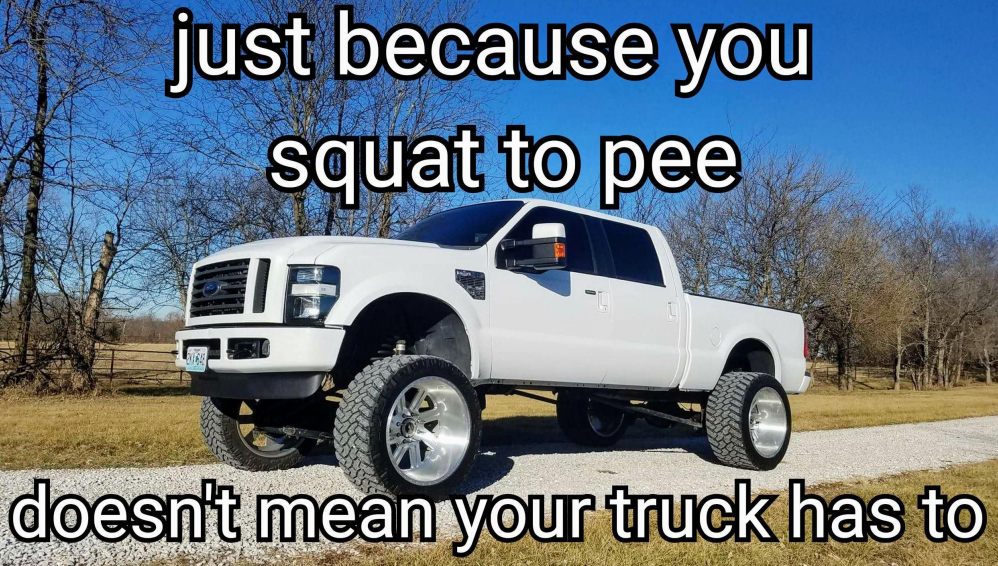
In the vast and ever-evolving landscape of internet culture, certain phenomena transcend mere fleeting trends to become enduring symbols. Among these, the "lifted trucks meme" stands out as a pervasive and often hilarious commentary on automotive preferences, identity, and societal stereotypes. Far more than just a joke about big tires and towering suspensions, this meme encapsulates a complex interplay of subculture, aspiration, consumerism, and the unique brand of satire that thrives online. Understanding the lifted trucks meme means looking beyond the surface-level humor to explore its roots in automotive enthusiasm, its evolution into a widespread internet trope, and the cultural insights it offers.
This article will comprehensively explore the lifted trucks meme, dissecting its origins, common tropes, cultural significance, and even the practical realities behind the vehicles it often lampoons. Whether you’re a seasoned meme connoisseur, an automotive enthusiast, or simply curious about this slice of internet folklore, prepare for a deep dive into the elevated world of lifted trucks.
What Exactly is a Lifted Truck? (Beyond the Meme)
Before delving into the humor, it’s crucial to understand the subject itself. A lifted truck is, at its core, a pickup truck that has had its suspension or body raised higher than its factory specifications. This modification can be achieved through various methods:
- Suspension Lift: This involves replacing or modifying components of the truck’s suspension system (shocks, springs, control arms, leaf springs) to increase ground clearance and accommodate larger tires. These lifts can range from mild (2-3 inches) to extreme (6+ inches).
- Body Lift: This involves placing spacers between the truck’s body and its frame, raising the body without altering the suspension geometry. Body lifts typically provide less height (1-3 inches) and are often done for cosmetic reasons or to fit slightly larger tires.
The original and primary practical reasons for lifting a truck are rooted in utility and performance, especially for off-roading. Increased ground clearance allows trucks to navigate rough terrain, rocks, and deep ruts without damaging undercarriage components. Larger tires, often a byproduct of a lift, provide better traction and a larger contact patch for challenging surfaces. For some, it’s also about improving towing capabilities or simply having a better vantage point on the road.
However, the meme often targets trucks where the lift goes far beyond practical necessity, venturing into purely aesthetic or ostentatious territory, sometimes at the expense of functionality or safety.
The Genesis of the Meme: From Subculture to Satire
The journey of lifted trucks from a niche off-road modification to a widespread internet meme is a fascinating case study in cultural amplification. For decades, lifting trucks was a respected part of the off-road community, a means to enhance a vehicle’s capabilities for adventure. However, as the popularity of trucks grew beyond rural and utilitarian contexts, so did the trend of lifting them for aesthetic reasons, particularly in suburban and urban environments.
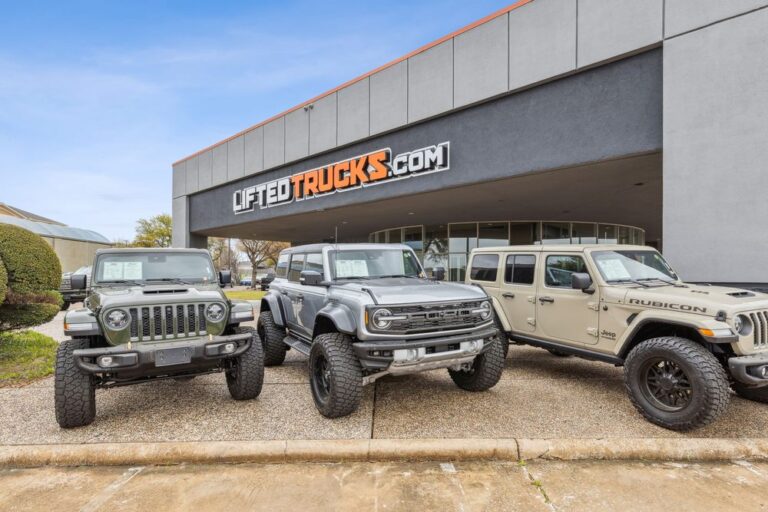
Certain visual cues began to emerge: excessively tall trucks with massive, often shiny, wheels, equipped with numerous LED light bars, custom grilles, and sometimes even "truck nuts." This aesthetic became associated with a particular persona, often dubbed the "bro" or "brodozer" culture—a stereotype involving specific music tastes, clothing styles, and attitudes.
The internet, particularly platforms like Reddit, 4chan, image boards, and later social media sites like Facebook, Instagram, and TikTok, served as the perfect echo chamber for these observations. Users began to create image macros, short videos, and satirical posts that highlighted the perceived absurdities and stereotypes associated with these trucks and their owners. Early examples often revolved around the idea of "compensating" for perceived shortcomings, leading to the ubiquitous "small penis joke," which became a cornerstone of the meme. This marked the transition from a real-world subculture to an object of widespread online satire.
Anatomy of a Lifted Truck Meme: Common Tropes and Humor
The lifted trucks meme thrives on a set of recurring tropes and visual gags that have become instantly recognizable to internet users. These themes often poke fun at the perceived motivations, impracticalities, and societal impact of overly modified trucks:
- "Small Dick Energy" / Compensation Jokes: This is arguably the most prevalent and enduring trope. The sheer size and ostentation of heavily lifted trucks are often satirically linked to an owner’s perceived insecurity or desire to overcompensate for something. While often crude, this joke taps into a broader cultural commentary on masculinity and consumerism.
- "Mall Crawlers": This term refers to trucks built for extreme off-roading but are exclusively driven on pavement, often seen parked at shopping malls. The humor lies in the disconnect between the vehicle’s rugged appearance and its actual use, highlighting a perceived vanity or lack of genuine utility.
- Fuel Inefficiency and Environmental Impact: Heavily lifted trucks with large tires are notoriously fuel-inefficient. Memes often highlight their "gas guzzler" status, particularly in contrast to environmental concerns, sometimes featuring images of trucks at gas pumps with exorbitant fuel bills.
- Parking Inconvenience: The sheer size of these vehicles often leads to difficulty parking, taking up multiple spaces, or infringing on compact car spots. This practical annoyance becomes a source of relatable humor and frustration in memes.
- The "Carolina Squat" (Cali Lean): A specific, highly memed modification where the front of the truck is lifted significantly higher than the rear, giving it a perpetually "squatted" or "nose-up" appearance. This modification, often done for aesthetic reasons despite being unsafe and illegal in some areas, is a prime target for ridicule due to its perceived impracticality and odd visual.
- Driver Stereotypes: Memes often associate lifted truck owners with specific demographics or personality traits: young, affluent males, country music fans, politically conservative individuals, or those who embody a "bro" aesthetic. These are, of course, broad generalizations, but they form the basis of much of the meme’s humor.
- Excessive Accessories: Overuse of LED light bars, exhaust stacks ("coal rollers" spewing black smoke), elaborate sound systems, and even "truck nuts" (decorative, anatomical ornaments) are often exaggerated in memes to highlight perceived tastelessness or a desire for attention.
These tropes combine to create a rich tapestry of humor that is both observational and critical, reflecting a blend of lighthearted jest and underlying social commentary.
The Cultural Impact and Socio-Economic Undercurrents
The lifted trucks meme is more than just a collection of jokes; it’s a cultural artifact that reflects and influences broader societal perceptions. It highlights an "us vs. them" dynamic, often pitting urban, environmentally conscious, or "anti-bro" sentiments against rural, traditional, or overtly masculine expressions of identity.
For many truck owners, a lifted truck is a source of pride, a statement of individuality, or a functional tool for work or recreation. The meme, however, often simplifies these motivations into caricature. This has led to a fascinating push-and-pull, with some truck owners embracing the humor, others defending their choices, and still others actively pushing back against the stereotypes.
The meme also touches upon consumer culture and the aftermarket industry. The demand for lift kits, oversized tires, and truck accessories is a multi-billion-dollar business. The meme, in a way, provides free advertising while simultaneously satirizing the very products it promotes. It highlights how vehicles can become extensions of identity, status symbols, and canvases for personal expression—even if that expression is then subjected to online ridicule.
Ultimately, the meme serves as a lens through which to examine class, regional differences, political divides, and the ever-present tension between individual expression and societal norms.
Important Considerations and Practical Advice
Navigating the world of lifted trucks, whether as an owner or a meme observer, comes with its own set of considerations.
For Meme Creators/Consumers:
- Humor vs. Prejudice: While memes are often meant in jest, it’s important to recognize the line between lighthearted humor and genuine prejudice. Not every person who owns a lifted truck fits the exaggerated stereotypes. Appreciating the humor means understanding the target is often the trope or excess, rather than the individual.
- Context Matters: Be aware that the motivations behind lifting a truck are diverse. Some are genuinely functional for work or off-roading.
- Evolving Humor: Like all internet humor, the lifted trucks meme evolves. Staying current with new trends (like the Carolina Squat) keeps the humor fresh and relevant.
For Lifted Truck Owners (and aspiring owners):
- Understand Public Perception: Be aware that your vehicle might be the subject of jokes or assumptions. How you choose to react (with humor, indifference, or defense) is up to you.
- Prioritize Safety and Legality: Extreme modifications can impact a truck’s handling, braking, and stability. Always ensure your modifications are safe, professionally installed, and comply with local laws and regulations (e.g., bumper height limits, fender coverage, headlight aim). The "Carolina Squat" is a prime example of a modification that has been deemed unsafe and illegal in several states.
- Consider Practicality: A heavily lifted truck can be challenging to drive, park, enter/exit, and maintain. Factor in increased fuel consumption, higher maintenance costs (especially for tires and suspension components), and potential difficulties with drive-thrus or parking garages.
- Function vs. Form: If off-roading is your goal, invest in a functional lift that enhances performance rather than just aesthetics. Consult with experts and choose components designed for rugged use.
- Maintenance: Lifted trucks require specialized maintenance, especially for suspension components, steering, and tires. Regular alignments and inspections are crucial.
Estimated Costs Associated with Lifting a Truck (The Subject of the Meme)
While the meme itself is free, the modifications that inspire it come with significant costs. Here’s a hypothetical table outlining estimated expenses, highlighting why these vehicles often represent a considerable financial investment:
| Item/Service | Description | Estimated Cost Range (USD) |
|---|---|---|
| Lift Kit (Suspension) | Components like new shocks, springs, control arms, steering knuckles. | $500 – $5,000+ |
| Lift Kit (Body) | Spacers to raise the body off the frame. | $200 – $1,000 |
| Installation Labor | Professional installation of lift kit. | $400 – $2,000+ |
| Larger Tires | Set of 4 oversized, off-road or aggressive-tread tires. | $1,000 – $4,000+ |
| Wider Wheels | Set of 4 aftermarket wheels to accommodate larger tires and desired offset. | $800 – $3,000+ |
| Wheel Alignment | Essential after any suspension modification. | $100 – $300 |
| Re-gearing (Optional) | Changing differential gears to compensate for larger tires and restore power. | $1,000 – $3,000+ (per axle) |
| Fender Flares (Optional) | To cover wider tires and comply with legal requirements. | $200 – $1,000 |
| LED Light Bars / Accessories | Various aesthetic and functional add-ons. | $100 – $1,500+ |
| Increased Fuel Costs | Due to reduced aerodynamics and heavier tires. (Ongoing) | $500 – $2,000+ (annually) |
| Insurance Increase | Modifications can raise premiums. (Ongoing) | Varies (5-20%+) |
| Maintenance & Wear | Accelerated wear on suspension, steering, and drivetrain components. | Variable (ongoing) |
Note: These are estimated ranges and can vary widely based on truck model, brand of parts, installer, and geographic location. Extreme modifications can push costs significantly higher.
Concluding Summary
The lifted trucks meme is a testament to the dynamic nature of internet humor and its ability to distill complex cultural phenomena into digestible, often hilarious, content. From its origins in practical automotive modification to its transformation into a symbol of perceived excess and specific stereotypes, the meme provides a unique window into modern society’s relationship with vehicles, identity, and satire. It highlights the fascinating tension between individual expression and collective judgment, serving as both a source of entertainment and a subtle form of social commentary.
As long as people modify their vehicles, and as long as the internet exists to share and comment on these modifications, the lifted trucks meme will likely continue to evolve, adapt, and make us laugh, reminding us that sometimes, the biggest statements are the easiest to poke fun at.
For more information and examples of the lifted trucks meme, you can explore resources like KnowYourMeme or automotive culture forums that discuss vehicle modification trends. .
Frequently Asked Questions (FAQ)
Q1: What is the "Carolina Squat" meme?
A1: The "Carolina Squat," also known as the "Cali Lean," is a specific truck modification where the front suspension is lifted significantly higher than the rear, giving the truck a nose-up, squatted appearance. The meme pokes fun at this aesthetic due to its perceived impracticality, unusual look, and safety concerns, often depicting it as a symbol of poor taste or excessive modification.
Q2: Why are lifted trucks so often targeted by memes?
A2: Lifted trucks become meme targets for several reasons: their often exaggerated size and appearance make them visually striking; they are associated with certain "bro" stereotypes that are ripe for satire; they highlight perceived impracticalities like poor fuel economy or difficulty parking; and they can be seen as ostentatious displays of wealth or attempts to overcompensate.
Q3: Are all lifted truck owners "bros"?
A3: No, the "bro" stereotype is a generalization used in memes for humorous effect. Many lifted truck owners use their vehicles for legitimate off-roading, work, or simply enjoy the aesthetic without fitting into any specific "bro" cultural archetype. The meme targets a caricature, not every individual owner.
Q4: Is it legal to lift a truck?
A4: The legality of lifting a truck varies significantly by state and country. Most jurisdictions have laws regarding maximum bumper height, headlight height, and tire coverage. Extreme lifts or modifications like the "Carolina Squat" are increasingly being outlawed due to safety concerns regarding visibility and vehicle stability. Always check local regulations before modifying your vehicle.
Q5: What are the practical downsides of a heavily lifted truck?
A5: Practical downsides include: increased fuel consumption, higher center of gravity (making the truck more prone to rollovers), compromised handling and braking, accelerated wear on suspension and drivetrain components, difficulty parking and maneuvering, reduced visibility for smaller vehicles, and potential issues with warranties and insurance.
Q6: How can I appreciate the humor of the meme without being offensive?
A6: The key is to direct your humor at the trope or exaggeration rather than making personal attacks or broad generalizations about individuals. Recognize that memes are often satirical and don’t reflect the full reality. Enjoy the absurdity without resorting to genuine prejudice or unkindness.
Q7: What’s the difference between a functional lift and an aesthetic lift?
A7: A functional lift is typically designed to improve a truck’s off-road capabilities by increasing ground clearance and allowing for larger, more capable tires. These lifts are often engineered for durability and performance. An aesthetic lift is primarily done for looks, making the truck appear taller or more aggressive, sometimes without any intention of off-road use, and can occasionally prioritize appearance over practical performance or safety.