Dually Trucks For Sale: Your Ultimate Buying Guide
Dually Trucks For Sale Your Ultimate Buying Guide When the job demands more than an ordinary pickup can deliver, or your adventurous spirit calls for hauling the grandest of RVs, there’s one class of vehicle that stands above the rest: the dually truck. Characterized by its distinctive dual rear wheels on each side, a dually isn’t just a truck; it’s a statement of capability, stability, and sheer pulling power.
For anyone searching for dually trucks for sale, understanding their unique advantages, the diverse market, and critical buying considerations is paramount. This comprehensive guide will navigate you through everything you need to know to make an informed decision, ensuring your next heavy-duty investment is the right one.
Understanding the Dually Advantage
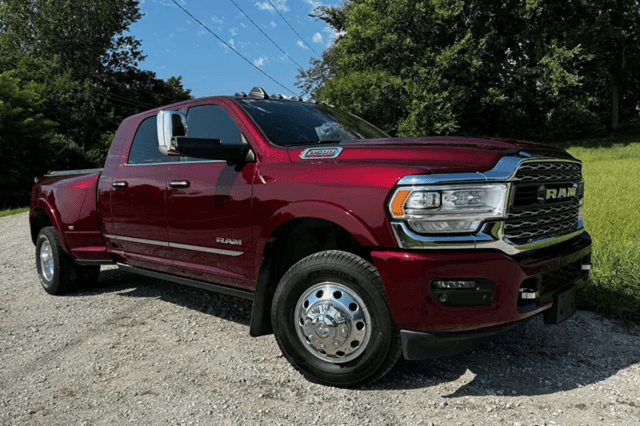
A dually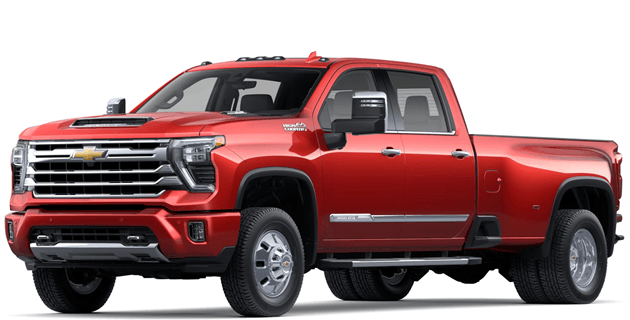 truck, formally known as a dual rear wheel (DRW) pickup, is engineered for tasks that push the limits of conventional single rear wheel (SRW) trucks. Its primary advantage stems from the additional tires on the rear axle, which significantly distribute weight, enhance stability, and increase traction.
Why choose a dually?
- Superior Towing Capacity: This is arguably the number one reason. Dually trucks boast substantially higher gross combined weight ratings (GCWR) and fifth-wheel/gooseneck towing capacities, making them ideal for large travel trailers, toy haulers, heavy equipment trailers, and commercial loads.
- Increased Payload Capacity: The extra tires and reinforced suspension components allow for carrying much heavier loads in the truck bed, essential for hauling construction materials, agricultural products, or substantial slide-in campers.
- Enhanced Stability and Control: With a wider stance and more rubber on the road, dually trucks offer unparalleled stability, especially when encountering crosswinds or passing semi-trucks while towing heavy loads. This translates to a safer and less fatiguing driving experience.
- Improved Tire Longevity and Safety: Distributing the load across eight tires (six on the ground) reduces individual tire stress, potentially extending tire life and providing a critical safety net in case of a flat tire while towing.
- Better Braking Performance: The increased contact patch and often larger brake components contribute to more effective stopping power, a crucial factor when managing heavy loads.
Dually trucks are the workhorses of industries like construction, agriculture, and oil and gas, and the preferred choice for serious RVers who demand maximum capability and peace of mind on the open road.
Types and Categories of Dually Trucks
The market for dually trucks for sale is diverse, spanning various brands, conditions, and configurations. Understanding these categories will help narrow your search.
New vs. Used Dually Trucks
- New Dually Trucks: Offer the latest technology, full factory warranties, customizable options, and often attractive financing rates. They come with the highest price tag but provide peace of mind regarding reliability and cutting-edge features.
- Used Dually Trucks: Represent a significant cost saving, making heavy-duty capability more accessible. The used market offers a vast selection, but requires thorough inspection and due diligence regarding maintenance history and potential wear and tear.
Popular Dually Brands
The heavy-duty truck segment is dominated by a few key players, each offering robust dually options:
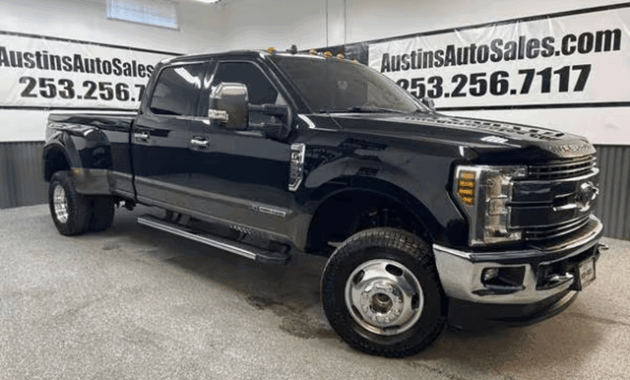
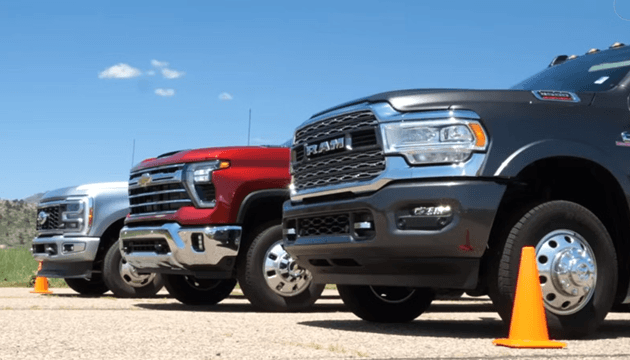
- Ford Super Duty (F-350 Dually, F-450 Dually): Renowned for their powerful Power Stroke diesel engines and impressive towing figures, often leading the class.
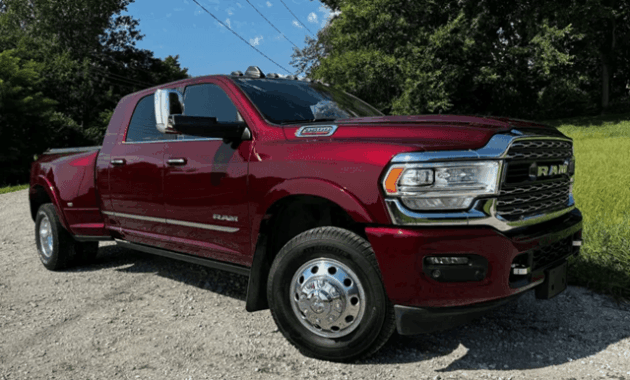
- Ram Heavy Duty (3500 Dually): Known for their Cummins diesel engines, luxurious interiors, and innovative features.
- Chevrolet Silverado HD (3500HD Dually): Offers a strong Duramax diesel engine and comfortable cabins, providing a balance of capability and refinement.
- GMC Sierra HD (3500HD Dually): The premium sibling to the Silverado, sharing many mechanicals but often featuring more upscale appointments and exclusive trims.
Cab Configurations and Trim Levels
Dually trucks are available in the same cab configurations as their SRW counterparts, each catering to different needs:
- Regular Cab: Two doors, maximum bed length, ideal for work trucks where passenger space isn’t a priority.
- Extended Cab (Quad Cab/SuperCab): Smaller rear doors, limited rear passenger space, a compromise between work and occasional passenger use.
- Crew Cab (Mega Cab/SuperCrew): Four full-size doors, ample rear passenger space, the most popular choice for families and those needing extra interior storage.
Trim levels range from basic work-truck specifications (e.g., Ford XL, Ram Tradesman, Chevy WT) to luxurious options (e.g., Ford Platinum/Limited, Ram Limited/Longhorn, Chevy High Country/GMC Denali). Higher trims come with advanced infotainment, premium materials, driver-assist technologies, and a higher price.
Key Considerations When Shopping for a Dually
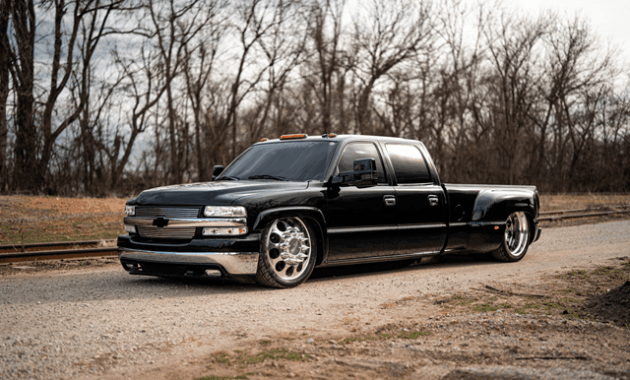
Purchasing a dually is a significant investment. Careful consideration of several factors will ensure you find a truck that perfectly matches your requirements.
Towing and Payload Needs
Accurately assess what you plan to tow and carry. Look at the Gross Vehicle Weight Rating (GVWR), Gross Combined Weight Rating (GCWR), and individual axle weight ratings of your potential trailer or load. Ensure the truck’s capacities safely exceed your maximum anticipated needs. Remember to factor in the weight of passengers and cargo inside the truck.
Engine Options: Diesel vs. Gasoline
- Diesel Engines: The powerhouse choice for dually trucks. They offer significantly more torque, crucial for heavy towing, better fuel economy when loaded, and superior longevity. However, they come with a higher upfront cost, more expensive maintenance, and pricier fuel.
- Gasoline Engines: A more affordable option upfront and generally cheaper to maintain. While modern gas engines are powerful, they typically offer less torque for extreme towing and lower fuel efficiency, especially when under load.
Transmission and Axle Ratios
Most modern dually trucks come with robust automatic transmissions designed to handle immense torque. Axle ratios (e.g., 3.73, 4.10) impact both towing capability and fuel economy. A numerically higher ratio (e.g., 4.10) provides more pulling power but slightly worse unloaded fuel economy.
Maintenance and Operating Costs
Be prepared for higher operating costs. Dually trucks require eight tires instead of four, increasing replacement costs. Diesel engines, while durable, can have more expensive service intervals and parts. Fuel costs will also be higher due to their size and typically lower MPG, especially for gasoline models. Insurance can also be marginally higher.
Driving Experience and Maneuverability
While stable, dually trucks are wider and longer than SRW pickups, which can present challenges in tight parking lots, urban environments, or narrow driveways. Practice and familiarity will help, but be mindful of the truck’s dimensions. Many modern trucks offer parking sensors, 360-degree cameras, and blind-spot monitoring to assist.
Inspection (for Used Trucks)
A thorough pre-purchase inspection is non-negotiable for used dually trucks. Pay close attention to:
- Frame: Look for cracks, bends, or severe rust.
- Engine & Transmission: Check for leaks, unusual noises, smooth shifting.
- Brakes: Wear on pads, rotors, and fluid condition.
- Tires: Even wear, tread depth (all eight tires).
- Fifth-Wheel/Gooseneck Hitch Points: Inspect for stress cracks or damage if equipped.
- Suspension: Sagging, worn bushings, shock leaks.
- Rust: Especially on the body, frame, and brake lines.
Where to Find Dually Trucks For Sale
The search for dually trucks for sale can begin in several places:
- Authorized Dealerships: New and certified pre-owned trucks, often with financing options and warranties.
- Independent Used Truck Dealerships: A wide variety of makes and models, but verify reputation.
- Online Marketplaces: Websites like Autotrader, CarGurus, eBay Motors, and dedicated heavy-duty truck sites offer extensive listings from both dealers and private sellers.
- Private Sellers: Often found through local classifieds, Facebook Marketplace, or word-of-mouth. Can offer better prices but require more caution.
- Auctions: Government, fleet, or public auctions can yield good deals, but “as-is” sales carry higher risk.
Tips for Effective Searching:
Use specific filters for “dually” or “DRW,” desired make/model, engine type, and cab configuration. Expand your search radius, as dually trucks are often more prevalent in rural or industrial areas.
The Buying Process: A Step-by-Step Guide
- Define Your Needs and Budget: Clearly outline your primary use (towing, hauling, work), your maximum budget, and whether new or used is preferable.
- Research Specific Models: Identify a few makes and models that meet your criteria. Read reviews, compare specifications, and understand common issues.
- Inspect the Vehicle Thoroughly: For used trucks, a detailed physical inspection is crucial. Consider hiring a trusted mechanic for a pre-purchase inspection.
- Test Drive: Drive the truck both empty and, if possible and safe, with a load similar to what you’ll be towing. Listen for unusual noises, check braking, and assess comfort.
- Negotiate Price: Be prepared with market research for comparable trucks. Don’t be afraid to walk away if the deal isn’t right.
- Consider Financing and Insurance: Get pre-approved for financing if needed. Obtain insurance quotes, as dually trucks can have different rates.
- Complete Paperwork: Ensure all titles, registrations, and sales agreements are correctly filled out and understood before signing.
Potential Challenges and Solutions
- High Purchase Price: Dually trucks are a significant investment. Look at the used market, explore financing options, or consider a slightly older model to fit your budget.
- Fuel Economy: Diesels offer better loaded MPG, but both gas and diesel duallies are thirsty. Drive conservatively, maintain proper tire pressure, and plan routes efficiently.
- Parking and Maneuverability: Practice driving and parking in various scenarios. Utilize available parking sensors and cameras. For very tight spots, consider parking further away.
- Tire Costs: Shop around for tires, consider reputable discount brands, and always maintain correct tire pressure and rotation schedules to maximize life.
- Finding the “Right” One: Dually trucks are specialized. Be patient, expand your search area, and be prepared to travel for the ideal vehicle.
Practical Advice and Actionable Insights
- Don’t Overbuy or Underbuy: Match the truck’s capacity to your actual needs. Buying too much truck is wasteful; buying too little is dangerous.
- Verify VIN and Service History: Always run a vehicle history report (e.g., CarFax, AutoCheck) for used trucks. Request service records from the seller or previous dealerships.
- Factor in Long-Term Ownership Costs: Beyond the purchase price, consider fuel, maintenance, tires, and insurance. Create a realistic budget.
- Aftermarket vs. Factory Options: Decide whether you need factory-installed features (like integrated brake controllers, fifth-wheel prep) or if you’re comfortable with aftermarket additions.
- Get a Pre-Purchase Inspection (PPI): For any used dually, a PPI by an independent mechanic is the best money you’ll spend to uncover potential hidden issues.
Dually Trucks For Sale: Estimated Price Table (Examples)
| Make/Model | Condition | Engine Type | Cab Config. | Est. Price Range (USD) | Key Features/Notes |
|---|---|---|---|---|---|
| Ford F-350 DRW | New | Diesel | Crew Cab | $70,000 – $100,000+ | Latest tech, high towing, various trims. |
| Ford F-350 DRW | Used (3-5 yrs) | Diesel | Crew Cab | $45,000 – $65,000 | Good balance of features and value. |
| Ford F-450 DRW | New | Diesel | Crew Cab | $85,000 – $120,000+ | Max towing, commercial-grade components. |
| Ram 3500 DRW | New | Diesel | Crew Cab | $68,000 – $98,000+ | Cummins power, luxurious interiors, high payload. |
| Ram 3500 DRW | Used (3-5 yrs) | Diesel | Crew Cab | $43,000 – $63,000 | Strong value, often well-maintained. |
| Chevy Silverado 3500HD DRW | New | Diesel | Crew Cab | $65,000 – $95,000+ | Duramax power, comfortable ride, advanced trailering. |
| Chevy Silverado 3500HD DRW | Used (3-5 yrs) | Diesel | Crew Cab | $40,000 – $60,000 | Reliable, good all-around performance. |
| GMC Sierra 3500HD DRW | New | Diesel | Crew Cab | $70,000 – $105,000+ | Premium features, refined interior, upscale trims. |
| GMC Sierra 3500HD DRW | Used (3-5 yrs) | Diesel | Crew Cab | $45,000 – $68,000 | Excellent used value for a premium truck. |
| Any Brand DRW | Used (8-10 yrs) | Diesel/Gas | Any Cab | $20,000 – $35,000 | More wear, higher mileage, budget-friendly entry point. |
Note: Prices are estimates and vary greatly based on mileage, trim level, options, condition, region, and market demand. Always conduct thorough research for current market values.
Frequently Asked Questions (FAQ)
Q: What is the main difference between a dually and a regular truck?
A: The main difference is the rear axle. A dually has two wheels on each side of the rear axle (total of four rear wheels), while a regular truck (SRW) has only one wheel per side. This gives duallies significantly higher towing and payload capacities and greater stability.
Q: Do dually trucks get bad fuel mileage?
A: Compared to passenger cars or even light-duty pickups, yes. However, for their size and capability, modern diesel duallies offer reasonable fuel economy, especially when towing. Gasoline duallies will generally get lower MPG.
Q: Are dually trucks hard to drive?
A: They are wider than regular trucks, which can make parking and navigating tight spaces more challenging. However, they are generally stable and comfortable on the open road, especially when loaded. With practice, most drivers adapt quickly.
Q: Do I need a special license to drive a dually truck?
A: In most states/provinces, no. If the Gross Vehicle Weight Rating (GVWR) of the truck itself is below 26,001 lbs and you are not towing a trailer that puts the Gross Combined Weight Rating (GCWR) over a certain threshold (usually 26,001 lbs), a standard driver’s license is sufficient for personal use. Commercial use often has different rules. Always check local regulations.
Q: How much more do dually tires cost?
A: Dually trucks require eight tires instead of four, so the cost of a full set will be roughly double that of an SRW truck. Tire replacement is a significant operating cost.
Q: Can I remove the outer rear wheels to make it a single wheel truck?
A: No, this is highly unsafe and not recommended. Dually trucks have a wider rear axle and different suspension components designed for the dual wheels. Removing them would severely compromise stability, safety, and legal weight ratings.
Q: Are dually trucks good for daily driving?
A: While capable, their size and fuel consumption make them less practical for daily urban commuting compared to smaller vehicles. They excel when their full capability is utilized.
Conclusion
The journey to finding the perfect dually truck for sale is an exciting one, opening up a world of heavy-duty capability and unparalleled stability. Whether you’re a commercial operator needing to haul substantial loads or an RVer dreaming of exploring the country with your biggest toy, a dually provides the robust platform you need. By understanding their unique advantages, carefully considering your specific requirements, and navigating the buying process with diligence, you can confidently invest in a vehicle that will reliably serve your most demanding tasks for years to come. The power, stability, and peace of mind offered by a dually truck truly make it an investment in capability.