Water Trucks for Sale Guide to Finding the Perfect Solution
Water Trucks for Sale: Your Comprehensive Guide to Finding the Perfect Solution. In a world constantly building, growing, and demanding resources, the humble water truck plays an indispensable role across a multitude of industries.
Far more than just a large tank on wheels, these versatile machines are critical for everything from dust suppression on construction sites to delivering vital water supplies in remote areas. If you’re looking to purchase one, navigating the market for water trucks for sale can be a complex journey, filled with considerations about capacity, features, and overall value.
This comprehensive guide aims to demystify the process, offering insights and practical advice to help you make an informed decision. Whether you’re a seasoned contractor, an agricultural professional, or a municipal manager, understanding the nuances of water trucks is key to securing a machine that perfectly meets your operational needs and budget.
What are Water Trucks and Their Primary Applications?
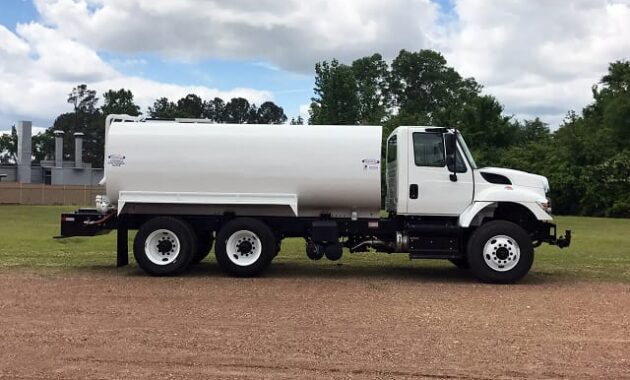
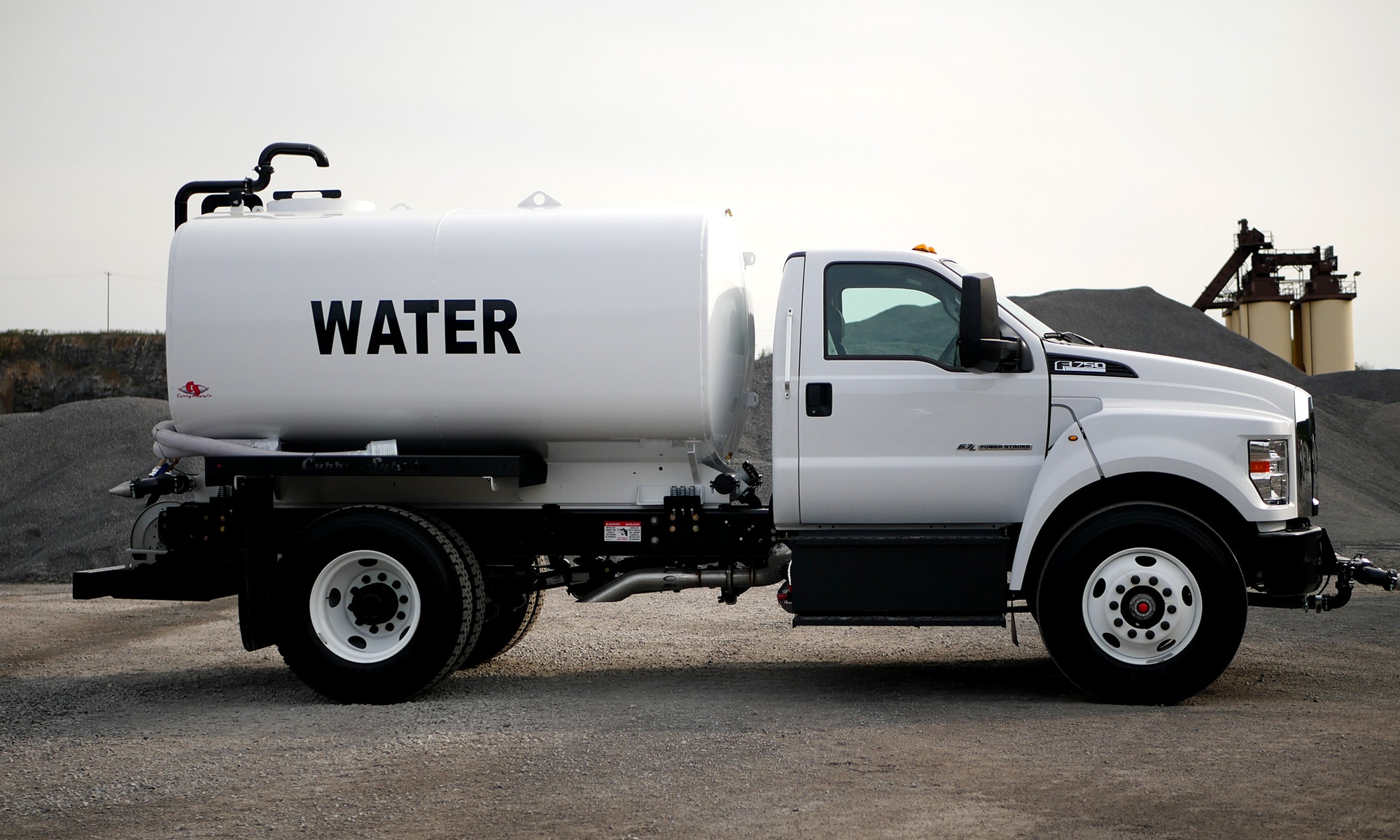
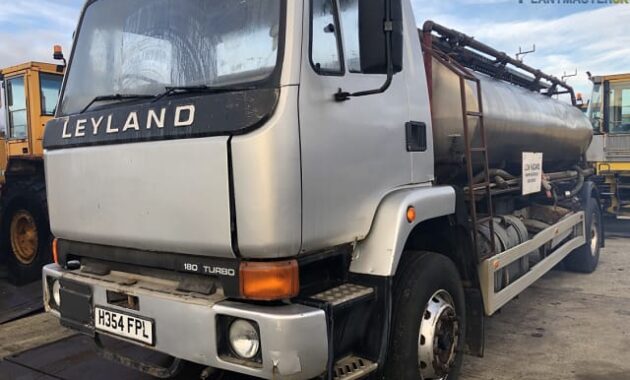
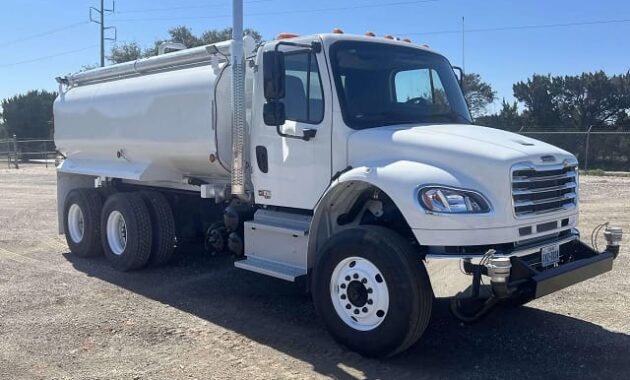
A water truck, often referred to as a water tanker, water wagon, or water bowser, is a specialized vehicle designed to transport and dispense large volumes of water. At its core, it consists of a robust chassis (truck frame) fitted with a large tank and a pumping system, often equipped with spray nozzles or water cannons. The versatility of these machines makes them essential in a surprising array of applications:
- Construction and Mining: Perhaps their most common use is dust control on unpaved roads and active work sites, ensuring safety, visibility, and compliance with environmental regulations. They are also crucial for soil compaction, pre-wetting aggregate, and cleaning equipment.
- Agriculture: Water trucks are vital for irrigation, especially in fields not covered by permanent systems, and for transporting water to livestock in arid regions.
- Firefighting Support: In areas where hydrants are scarce or inaccessible, water trucks serve as mobile reservoirs, supplying water to fire engines and combating wildfires.
- Road Construction and Maintenance: Used for wetting down new asphalt, cleaning road surfaces, and controlling dust during grading operations.
- Landscaping and Environmental Services: Ideal for watering large parks, golf courses, and newly planted areas, as well as for erosion control.
- Emergency Water Supply: In disaster relief or remote locations, they can deliver potable water for consumption or sanitation.
- Municipal Services: Street cleaning, sewer flushing, and public park maintenance.
The importance of water trucks cannot be overstated. They are workhorses that contribute significantly to efficiency, safety, and environmental stewardship across these diverse sectors.
Key Benefits of Investing in a Water Truck

Acquiring a water truck is a strategic investment that yields numerous benefits for businesses and organizations:
- Enhanced Operational Efficiency: Streamlines tasks like dust suppression and compaction, reducing manual labor and accelerating project timelines.
- Improved Safety and Health: Effective dust control drastically reduces airborne particulates, protecting workers from respiratory issues and improving visibility on job sites, thereby lowering accident risks.
- Environmental Compliance: Helps meet strict environmental regulations regarding dust emissions, preventing costly fines and maintaining a positive public image.
- Versatility: A single water truck can serve multiple purposes, from watering crops to cleaning equipment, maximizing its utility and return on investment.
- Cost-Effectiveness: While the initial outlay can be significant, the long-term savings in labor, improved project timelines, and avoidance of penalties often make it a very economical solution.
- Increased Productivity: Keeps operations running smoothly by providing immediate access to water where and when it’s needed, minimizing downtime.
Types and Categories of Water Trucks for Sale
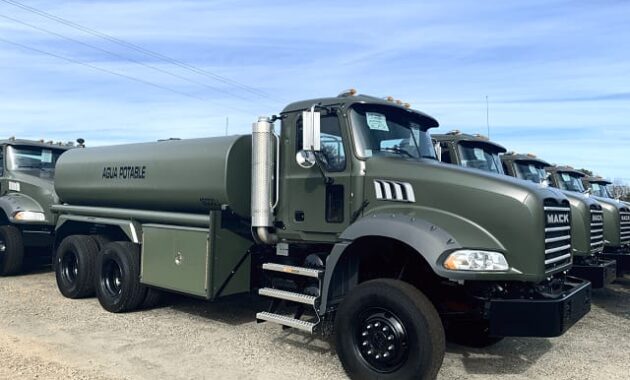
The market for water trucks is diverse, with various types designed to meet specific needs. Understanding these categories is crucial for finding the right fit.
By Tank Material:
- Steel Tanks: The most common and robust option, offering excellent durability and resistance to impact. They are heavier but generally more affordable and easier to repair. Suitable for most heavy-duty applications.
- Aluminum Tanks: Lighter than steel, leading to better fuel efficiency and potentially higher legal payload capacity. They are corrosion-resistant but more expensive and can be harder to repair if damaged. Ideal for applications where weight is a critical factor.
- Polyethylene (Poly) Tanks: Lightweight, corrosion-proof, and often the most affordable. They are suitable for non-potable water and less demanding applications. They can be susceptible to UV degradation and impact damage in extreme conditions.
By Capacity:
Water truck capacities are measured in gallons (or liters) and typically range from small to very large:
- Small (1,000 – 2,000 gallons): Often mounted on smaller chassis, ideal for landscaping, residential construction, or localized dust control.
- Medium (2,000 – 4,000 gallons): The most common size, suitable for general construction, agriculture, and municipal work.
- Large (4,000+ gallons): Designed for heavy-duty applications in mining, large-scale construction, or long-haul water transport, often requiring larger, more powerful truck chassis. Some can exceed 10,000 gallons.
By Chassis Type:
- On-Road (Highway Legal): Built on standard commercial truck chassis, these are designed for legal operation on public roads. They are versatile for transport between sites.
- Off-Road (Articulated or Rigid Dump Truck Conversions): Specialized for challenging terrain found in mining or large construction projects. These offer superior traction and durability but are not highway legal without special permits.
- Skid-Mounted Units: These are self-contained water tank and pump systems that can be mounted onto existing flatbed trucks or trailers, offering flexibility.
Specialized Features:
Modern water trucks can come equipped with a variety of features to enhance functionality:
- Spray Bars: Front, rear, and side-mounted spray bars with individual or collective control for precise water distribution.
- Water Cannons: High-pressure nozzles, often remote-controlled, for targeted spraying, cleaning, or firefighting.
- Gravity Feed vs. Pump-Driven: Gravity feed is simpler but offers less pressure; pump-driven systems provide greater control and pressure.
- PTO (Power Take-Off) Driven Pumps: Utilize the truck’s engine power.
- Auxiliary Engine Pumps: Independent engines powering the pump, allowing for constant pressure regardless of truck speed.
- Hose Reels: For manual spraying, cleaning, or filling other tanks.
- In-Cab Controls: For easy operation of spray patterns and water cannons.
Important Considerations When Buying a Water Truck
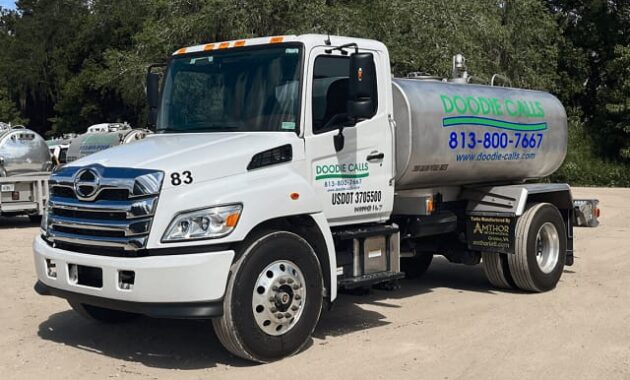
Purchasing a water truck is a significant investment. Careful consideration of several factors will ensure you select a machine that delivers optimal performance and value.
- Primary Application: Define precisely what the truck will be used for. This is the single most important factor dictating capacity, tank material, and features.
- Required Capacity: Match the tank size to the job’s scale and the availability of water sources. Larger capacities mean fewer trips but also higher operational weight and potentially higher fuel consumption.
- Tank Material: Consider durability, weight, and resistance to the type of water being carried (e.g., potable vs. non-potable, treated water). Steel for ruggedness, aluminum for weight savings, poly for corrosive liquids or budget.
- Chassis Condition (Especially for Used Trucks): Thoroughly inspect the engine, transmission, suspension, tires, and brakes. A robust chassis is fundamental to the truck’s longevity and performance.
- Pump System: Evaluate the type, flow rate (GPM), and pressure (PSI) of the pump. Ensure it’s adequately sized for your spraying needs. Check the power source (PTO or auxiliary engine) and its condition.
- Spray System Configuration: Does it have the necessary front, rear, or side sprays? Is a water cannon required? Are the controls intuitive and accessible?
- Maintenance History (for Used Trucks): Request detailed service records. This provides crucial insight into the truck’s past care and potential future issues.
- Budget: Determine your financial limits. This will influence whether you opt for new or used, and the level of features you can afford.
- Regulatory Compliance: Ensure the truck meets local and federal road regulations if it will be operating on public highways. This includes weight limits, lighting, and safety features.
- Dealer Reputation and Support: Choose a reputable dealer who offers good after-sales service, warranty options, and readily available parts.
New vs. Used Water Trucks: Making the Right Choice
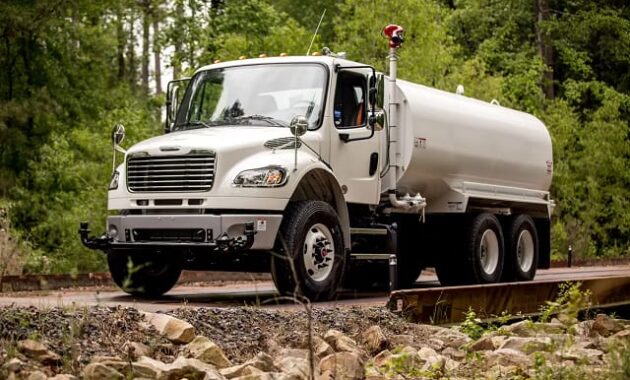
The decision between a new or used water truck often comes down to budget, immediate needs, and risk tolerance.
New Water Trucks:
- Pros: Latest technology, full manufacturer’s warranty, customization options, optimal performance, higher resale value initially.
- Cons: Higher initial cost, significant depreciation in the first few years.
Used Water Trucks:
- Pros: Significantly lower purchase price, less initial depreciation, immediate availability, often a wider selection of older models.
- Cons: Potential for wear and tear, limited or no warranty, unknown maintenance history (if records are absent), risk of hidden issues.
Tips for Buying Used:
- Thorough Inspection: Always conduct a comprehensive inspection by a qualified mechanic. Check for rust, leaks, frame damage, and pump wear.
- Review Maintenance Records: Insist on complete service history.
- Test Drive: Operate the truck and test all spray systems and controls.
- Reputable Seller: Purchase from a known dealer or owner with a good track record.
How to Finance Your Water Truck Purchase
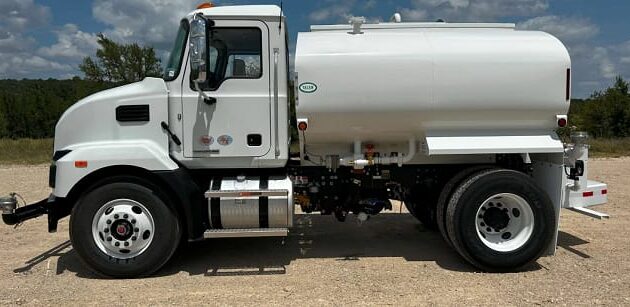
Financing options are available to help manage the significant investment of a water truck:
- Traditional Bank Loans: Secure a loan from a commercial bank or credit union. These typically offer competitive interest rates.
- Equipment Leasing: Lease the truck for a set period, often with an option to buy at the end of the term. This can offer lower monthly payments and tax advantages.
- Manufacturer Financing: Many truck manufacturers offer their own financing programs, sometimes with special incentives.
- SBA Loans: Small Business Administration (SBA) loans can be a good option for qualifying small businesses.
- Personal Savings/Cash Purchase: The most straightforward option if you have the capital, avoiding interest payments.
Carefully compare interest rates, terms, and conditions before committing to a financing plan.
Tips for Maintaining Your Water Truck
Proper maintenance is crucial for extending the lifespan of your water truck and ensuring reliable operation:
- Regular Inspections: Daily checks of fluid levels, tires, lights, and pump functionality.
- Pump Maintenance: Regularly check pump seals, bearings, and impellers. Flush the pump system, especially if using non-potable or treated water.
- Tank Cleaning: Periodically clean the inside of the tank to prevent sediment buildup and corrosion.
- Winterization: In cold climates, drain all water from the tank, pump, and lines to prevent freezing and damage.
- Chassis Service: Adhere to the manufacturer’s recommended service intervals for the truck’s engine, transmission, and drivetrain.
- Nozzle and Spray Bar Care: Clean spray nozzles regularly to prevent blockages and ensure even water distribution.
Practical Advice and Actionable Insights
- Define Your Needs Clearly: Before you even start looking, list the primary tasks the water truck will perform, the terrain it will operate on, and your budget. This clarity will narrow your search significantly.
- Get Multiple Quotes: Don’t settle for the first offer. Compare prices and features from several dealers or private sellers.
- Prioritize Inspection: Whether new or used, a thorough inspection, including testing all functionalities, is non-negotiable. For used trucks, a third-party mechanic’s opinion is invaluable.
- Consider Total Cost of Ownership: Factor in not just the purchase price but also fuel efficiency, maintenance costs, insurance, and potential resale value.
- Think Long-Term: While a cheaper option might seem appealing now, investing in a slightly higher-quality or better-suited truck can save you money and headaches in the long run.
Price Table: Water Trucks for Sale
Here’s a representative price table for various types of water trucks. Prices can fluctuate significantly based on brand, year, condition, mileage (for used), and specific features.
| Type/Capacity | Tank Material | Key Features | New Price Range (USD) | Used Price Range (USD) |
|---|---|---|---|---|
| Small (1,000-1,500 gal) | Polyethylene | Skid-mounted, basic rear spray, gasoline engine pump | $25,000 – $45,000 | $10,000 – $25,000 |
| Steel | Mounted on Ford F-550/Ram 550 chassis, front/rear sprays, PTO pump | $60,000 – $90,000 | $30,000 – $60,000 | |
| Medium (2,000-3,000 gal) | Steel | Highway chassis (e.g., Freightliner, Kenworth), front/rear/side sprays, PTO pump | $120,000 – $180,000 | $50,000 – $100,000 |
| Aluminum | Lighter chassis, advanced spray controls, auxiliary engine pump | $150,000 – $220,000 | $70,000 – $130,000 | |
| Large (4,000-6,000 gal) | Steel | Heavy-duty highway chassis, multiple spray heads, water cannon, remote control | $200,000 – $300,000+ | $90,000 – $180,000 |
| Aluminum | Optimized for payload, advanced safety features, robust auxiliary pump | $250,000 – $350,000+ | $120,000 – $220,000 | |
| Specialized (8,000+ gal) | Steel | Off-road mining chassis (e.g., CAT, Komatsu), high-capacity pump, extreme duty | $400,000 – $800,000+ | $150,000 – $400,000 |
| Steel (Potable) | Food-grade lining, stainless steel fittings, dedicated potable water use | $220,000 – $320,000+ | $100,000 – $190,000 |
Note: Prices are estimates and subject to market fluctuations, regional differences, and specific configurations.
Frequently Asked Questions (FAQ)
Q1: What is the typical lifespan of a water truck?
A1: With proper maintenance, the chassis of a water truck can last 15-20 years or more, often exceeding 500,000 miles. The tank and pump system, if well-cared for, can last just as long, though pump components may require more frequent replacement.
Q2: Can I convert a regular truck into a water truck?
A2: Yes, it is possible to convert a flatbed or dump truck chassis into a water truck by installing a specialized water tank and pump system. However, it’s crucial to ensure the chassis can safely handle the weight of the water (8.34 lbs per gallon) and the stresses of the pumping system. Professional conversion by a reputable outfitter is highly recommended.
Q3: What permits do I need to operate a water truck?
A3: This depends heavily on your location and the truck’s weight. Generally, if the Gross Vehicle Weight Rating (GVWR) exceeds a certain threshold (e.g., 26,001 lbs in the U.S.), a Commercial Driver’s License (CDL) with specific endorsements (like tanker endorsement) may be required. Local regulations regarding water sourcing, discharge, and road usage may also apply. Always check with your local Department of Transportation and environmental agencies.
Q4: How often should I maintain the pump system?
A4: The pump system should be inspected regularly, ideally before each use. Comprehensive maintenance, including checking seals, bearings, and lubrication, should follow the manufacturer’s recommendations, typically every few hundred operating hours or annually. Flushing the system after each use, especially with non-potable water, is good practice.
Q5: What are the most important safety features to look for?
A5: Key safety features include robust braking systems, adequate lighting, audible reverse alarms, anti-slip surfaces on catwalks, emergency shut-off valves for the pump, and a clear line of sight from the cab. For tanks, look for baffles that prevent water from sloshing, which can destabilize the truck.
Q6: Do water trucks require special licenses?
A6: As mentioned in Q3, if the water truck’s GVWR exceeds the standard threshold for regular driver’s licenses, a CDL with a tanker endorsement will likely be required. This is due to the unique handling characteristics of a liquid load.
Conclusion
The market for water trucks for sale offers a vast array of options, each designed to tackle specific challenges and operational demands. From compact units for landscaping to colossal machines dominating mining sites, these vehicles are indispensable assets. By thoroughly understanding your needs, exploring the different types available, diligently considering key factors like capacity and tank material, and planning your budget and maintenance strategy, you can confidently navigate the purchasing process.
Investing in the right water truck is more than just buying a piece of equipment; it’s about enhancing productivity, ensuring safety, and contributing to efficient operations. With the insights provided in this guide, you are well-equipped to make an informed decision that will serve your business reliably for years to come. Choose wisely, maintain diligently, and let your water truck be the workhorse that keeps your projects flowing smoothly.