Jacks for Lifted Trucks: Your Comprehensive Guide to Safe and Effective Lifting

Jacks for Lifted Trucks: Your Comprehensive Guide to Safe and Effective Lifting
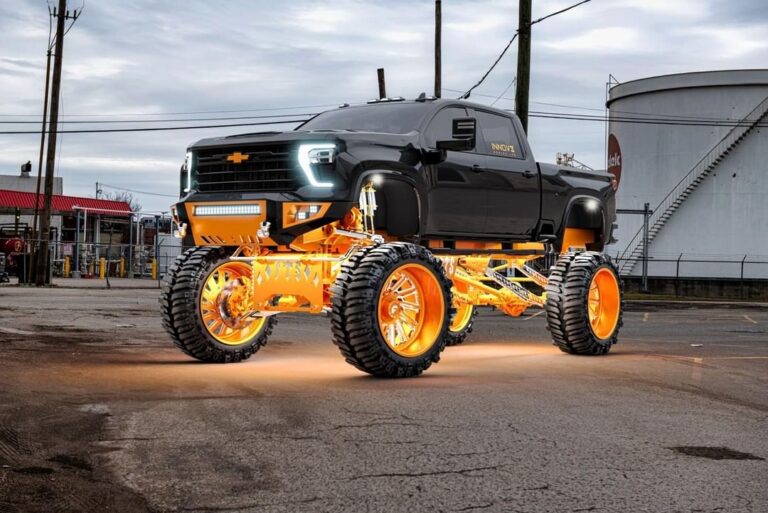
The roar of an engine, the imposing stance, the ability to conquer rugged terrain – lifted trucks offer an unparalleled driving experience. But with great power comes great responsibility, especially when it comes to maintenance and roadside emergencies. Standard garage equipment, including most jacks, simply won’t cut it for these elevated beasts. This is where specialized jacks for lifted trucks become not just a convenience, but an absolute necessity.
These aren’t your average car jacks. Designed with extended reach, higher weight capacities, and enhanced stability, jacks for lifted trucks are engineered to safely and efficiently raise vehicles with increased ground clearance and heavier curb weights. Whether you’re changing a tire on the trail, performing routine maintenance in your garage, or recovering from a stuck situation, having the right jack is paramount to ensuring safety, preventing damage, and maintaining the readiness of your formidable machine.
The Unique Challenges of Lifting a Lifted Truck
Understanding why standard jacks fall short is the first step in appreciating the specialized nature of jacks for lifted trucks. Several factors contribute to this challenge:
- Increased Ground Clearance: The most obvious hurdle. A standard jack’s lift arm or saddle simply won’t reach the frame or axle of a truck that’s sitting several inches or even a foot higher off the ground.
- Heavier Vehicle Weight: Lifted trucks often carry more weight than their stock counterparts. Larger, heavier tires, aftermarket steel bumpers, winches, rock sliders, and other modifications significantly increase the overall vehicle mass. Standard jacks often lack the necessary weight capacity, risking catastrophic failure.
- Larger Tire Diameter: Even if a standard jack could reach the frame, the larger diameter of lifted truck tires means you need even more lift height to get the tire completely off the ground for a change or repair.
- Stability Concerns: Lifting a heavy vehicle higher off the ground inherently increases instability. A jack designed for a lower center of gravity vehicle might not provide the wide, stable base required for a lifted truck, especially on uneven terrain.
Key Features of Jacks Designed for Lifted Trucks
To overcome these challenges, jacks for lifted trucks incorporate specific design elements:
- Extended Lifting Range: This is perhaps the most critical feature. These jacks boast significantly longer arms or taller pistons, allowing them to reach the frame rails, axle tubes, or aftermarket lift points (like rock sliders or bumpers) on even the most aggressively lifted vehicles.
- Higher Weight Capacity: Ranging from 3-ton to 20-ton or even more, these jacks are built to handle the substantial weight of heavy-duty trucks, often accounting for added aftermarket accessories.
- Robust Construction: Durability is key. Components are often made from heavy-gauge steel, reinforced welds, and high-quality hydraulics to withstand demanding use in various environments.
- Wide, Stable Base: A larger footprint or specially designed base enhances stability, crucial when lifting a heavy vehicle to a significant height. This is particularly important for off-road jacks used on softer, uneven ground.
- Specialized Lifting Points/Accessories: Some jacks come with wider saddles, rubber pads, or adapters designed to interface safely with specific truck components or aftermarket recovery points.
Types of Jacks for Lifted Trucks
The market offers several categories of jacks for lifted trucks, each with its own strengths and ideal applications:
1. Hi-Lift Jacks (Farm Jacks)
- Description: These iconic mechanical jacks are tall, robust, and operate via a hand-pumped lever mechanism.
- Pros: Offer an extreme lifting range, making them invaluable for highly lifted vehicles. Highly versatile, they can also be used for winching, clamping, or spreading. Excellent for off-road recovery where ground conditions are soft or uneven.
- Cons: Can be inherently unstable if not used correctly, especially on soft ground (a jack base accessory is highly recommended). Operation requires significant physical effort and precision. They require specific, strong lift points like steel bumpers, rock sliders, or designated frame points.
- How-To (Brief): Ensure the base is on firm ground (or a jack base). Engage the lifting hook securely under a designated lift point. Operate the handle with smooth, controlled motions, keeping clear of the lifting mechanism. Crucially, never work under a vehicle supported only by a Hi-Lift jack; always use jack stands immediately.
2. Heavy-Duty Bottle Jacks
- Description: Compact hydraulic jacks with a vertical ram that extends upwards.
- Pros: High weight capacity in a relatively small footprint, making them easy to store. Generally more stable and easier to operate than a Hi-Lift for simple lifting tasks. Long-ram versions are available to provide additional lift height for taller trucks.
- Cons: Standard bottle jacks may still have limited initial lift height for very tall trucks, requiring blocking or a long-ram version. Less versatile for off-road recovery situations beyond basic lifting.
3. High-Lift Floor Jacks (Off-Road Specific)
- Description: These are the larger, beefier cousins of standard garage floor jacks, featuring extended lifting arms and often larger, more rugged wheels.
- Pros: Easy to position and maneuver on a flat, hard surface. Provide a very stable platform for lifting. Excellent for shop or garage use where precision and ease of rolling are desired. High weight capacities are common.
- Cons: Very heavy and bulky, making them impractical for carrying in your truck for roadside or off-road emergencies. Not suitable for uneven or soft terrain.
4. Exhaust Jacks / Air Jacks
- Description: Inflatable bags that use exhaust gas from your vehicle or an air compressor to expand and lift the truck.
- Pros: Superb for recovery in soft terrain like sand, mud, or snow where other jacks would sink. They offer a large contact area, distributing weight effectively. Quick to deploy and lift.
- Cons: Vulnerable to punctures from sharp objects. Require the engine to be running (for exhaust type) or an air compressor. Can be less precise than other jacks and don’t provide a rigid support for working underneath.
5. Heavy-Duty Jack Stands (Essential Safety Gear)
- Description: While not a jack, these mechanical supports are non-negotiable for anyone lifting a vehicle. They are adjustable stands designed to securely hold a lifted truck’s weight.
- Importance: NEVER work under a vehicle supported only by a jack. Jacks are designed for lifting, not sustained support. Once a truck is lifted, immediately place jack stands under sturdy frame points or axles and lower the truck onto them. Always ensure your jack stands have a weight capacity equal to or greater than your truck’s GVWR (Gross Vehicle Weight Rating).
Choosing the Right Jack for Your Lifted Truck
Selecting the ideal jack involves considering several factors:
- Vehicle Weight & GVWR: This is paramount. Always choose a jack with a weight capacity that comfortably exceeds your truck’s heaviest corner weight, or ideally, its Gross Vehicle Weight Rating (GVWR) if you plan to lift the entire front or rear. A common recommendation is 1.5 to 2 times the actual weight you intend to lift.
- Lift Height Required: Measure the distance from the ground to your truck’s frame or axle, then add the radius of your tire (half the tire’s diameter) to determine the minimum lifting height needed to get a wheel off the ground. Ensure your chosen jack can reach this height.
- Intended Use:
- Garage/Shop Use: A high-lift floor jack is often the most convenient.
- Roadside Emergencies: A heavy-duty bottle jack or Hi-Lift jack (with proper lift points) are common choices for their portability.
- Off-Road Recovery: Hi-Lift jacks and exhaust jacks excel in challenging terrain.
- Storage and Portability: Consider the size and weight of the jack if you plan to carry it in your truck for emergencies.
- Budget: Prices vary significantly, but remember that investing in a quality, reliable jack is an investment in safety.
- Compatibility: Ensure the jack’s saddle or lifting mechanism can safely interface with your truck’s designated lift points (frame, axle, aftermarket bumpers/sliders).
Safe Jacking Procedures for Lifted Trucks
Safety is paramount when lifting any vehicle, especially a heavy, lifted truck. Follow these critical steps:
-
Preparation:
- Level, Firm Surface: Always park your truck on a flat, stable, and hard surface (concrete or asphalt). Avoid soft ground unless using an exhaust jack or a Hi-Lift with a dedicated base plate.
- Engage Parking Brake: Ensure the parking brake is fully engaged.
- Chock Wheels: Place wheel chocks on both sides of the wheels that will remain on the ground to prevent any unintentional movement.
- Clear Area: Remove any obstructions around the truck and ensure ample workspace.
-
Identify Proper Lift Points:
- Frame Rails: The most common and strongest lift points for a general lift.
- Axle Housing: A strong point for lifting one end of the truck, especially for tire changes.
- Aftermarket Sliders/Bumpers: Many aftermarket components are designed as reinforced lift points for Hi-Lift jacks.
- NEVER lift by suspension components (control arms, leaf springs), differentials, driveshafts, or body panels. Consult your truck’s owner’s manual or an expert if unsure.
-
Lifting the Truck:
- Position the jack squarely and securely under the chosen lift point. Ensure the jack’s saddle makes full, firm contact.
- Lift slowly and steadily, constantly observing the truck for any signs of instability or the jack shifting.
- Once the desired height is reached (e.g., the tire is clear of the ground), IMMEDIATELY place heavy-duty jack stands under sturdy parts of the frame or axle, adjacent to the jack.
- Slowly lower the jack until the truck’s weight rests securely on the jack stands. Keep slight pressure on the jack for an added layer of safety.
-
Lowering the Truck:
- Ensure all tools, equipment, and body parts are clear from under the truck.
- Slowly raise the jack just enough to take the weight off the jack stands.
- Carefully remove the jack stands.
- Lower the jack slowly and in a controlled manner until the truck is fully on the ground.
- Remove wheel chocks.
Maintenance and Longevity
Proper care extends the life of your jack and ensures its reliability when you need it most:
- Cleanliness: Keep hydraulic components, rams, and moving parts free of dirt, mud, and debris.
- Lubrication: Periodically lubricate moving parts on mechanical jacks (like Hi-Lifts) with appropriate grease or oil.
- Fluid Checks: For hydraulic jacks, regularly check and top off the hydraulic fluid as recommended by the manufacturer.
- Storage: Store jacks in a dry, clean environment to prevent rust and corrosion.
- Inspection: Before each use, visually inspect your jack for any signs of damage, leaks, bent components, or excessive wear. Never use a damaged jack.
Practical Advice and Actionable Insights
- Invest in Quality: When it comes to safety equipment, do not compromise. A cheap, unreliable jack is a serious hazard.
- Always Use Jack Stands: This cannot be overstressed. A jack is for lifting; a jack stand is for supporting. Your life, or at least your limbs, depend on it.
- Practice Makes Perfect: Familiarize yourself with your jack and practice lifting your truck in a safe, controlled environment before you’re in an emergency situation.
- Consider a Jack Plate/Base: For Hi-Lift jacks, a wide, sturdy base plate significantly improves stability on soft or uneven ground.
- Know Your Truck’s Weight: Don’t guess. Check your owner’s manual or a weigh station to understand your truck’s actual weight.
- Carry Essential Tools: Always have a lug wrench (or impact gun), gloves, a flashlight, and potentially recovery straps (if using a Hi-Lift for winching) with your jack.
Concluding Summary
For any owner of a modified or lifted truck, acquiring the right jacks for lifted trucks is a non-negotiable investment in safety, efficiency, and preparedness. Standard lifting equipment simply cannot meet the unique demands of increased ground clearance, heavier weights, and larger tires. By understanding the different types of jacks available, knowing how to choose the right one for your specific needs, and rigorously adhering to safe jacking procedures, you ensure that you are always ready for maintenance tasks, tire changes, or off-road recovery. Investing in quality tools and mastering their safe operation is paramount to truly enjoying your lifted truck with confidence.
For more detailed information on specific models and brands of jacks for lifted trucks, you might explore resources like .
Price Table: Jacks for Lifted Trucks
| Jack Type | Key Features (for Lifted Trucks) | Typical Weight Capacity | Approximate Price Range (USD) |
|---|---|---|---|
| Hi-Lift Jack | Extended height, mechanical, versatile (winch, clamp) | 7,000 lbs (working load) | $80 – $200 |
| Heavy-Duty Bottle Jack | Compact, hydraulic, high capacity, some long-ram options | 6 – 20+ tons | $50 – $300 |
| High-Lift Floor Jack | Rolling hydraulic, extended reach, stable, shop-friendly | 3 – 5 tons | $200 – $600+ |
| Exhaust/Air Jack | Inflatable bag, large contact area, ideal for soft terrain | 4 – 8 tons | $100 – $300 |
| Heavy-Duty Jack Stands | Adjustable height, wide base, essential safety (pair) | 6 – 12+ tons (pair) | $50 – $150 (pair) |
| Off-Road Jack Base (Accessory) | Increases footprint for Hi-Lift on soft ground | N/A | $20 – $50 |
(Note: Prices are approximate and can vary significantly based on brand, specific model, features, materials, and retailer. Always check current market prices before purchasing.)
Frequently Asked Questions (FAQ) about Jacks for Lifted Trucks
Q: Can I use a standard floor jack for my lifted truck?
A: Generally, no. Standard floor jacks typically lack the necessary lift height to reach safe jacking points on a lifted truck and often have insufficient weight capacity for heavier, modified vehicles. Attempting to use one can be dangerous and ineffective.
Q: What’s the most versatile jack for off-road use with a lifted truck?
A: A Hi-Lift jack is often considered the most versatile due to its extreme lift height and multi-purpose capabilities (lifting, winching, clamping). However, it requires specific, strong lift points on your truck (like rock sliders or aftermarket bumpers) and careful operation.
Q: How do I determine the correct weight capacity for a jack for my lifted truck?
A: You should choose a jack with a capacity that significantly exceeds the heaviest corner weight of your truck. A good rule of thumb is to select a jack rated for at least 1.5 to 2 times the weight you intend to lift. Always check your truck’s Gross Vehicle Weight Rating (GVWR) for a comprehensive understanding of its maximum weight.
Q: Are exhaust jacks safe to use for lifted trucks?
A: Yes, when used correctly and with caution. Exhaust jacks are very effective for specific recovery situations on soft terrain like sand or mud, where traditional jacks would sink. However, they are vulnerable to punctures, require careful positioning, and should not be used for working underneath the vehicle.
Q: What are the most important safety rules when jacking a lifted truck?
A: The most critical rules are: always use heavy-duty jack stands to support the vehicle (never rely solely on the jack), park on a firm and level surface, chock the wheels that remain on the ground, identify and use proper lift points on the frame or axle, and never work under a vehicle supported only by a jack.
Q: Where should I place jack stands on a lifted truck?
A: Jack stands should always be placed on strong, stable points such as the frame rails (behind the front wheels or in front of the rear wheels) or directly under the solid axle housings. Avoid placing them on suspension components, differentials, drive shafts, or any part that could bend or compromise stability.
Q: Do I need a special jack pad or adapter for my lifted truck?
A: While not always strictly necessary, a jack pad adapter can provide a more secure contact point, protect your frame or axle from damage, and prevent slipping, especially when using bottle jacks or some floor jacks. For Hi-Lift jacks, an off-road jack base is highly recommended to prevent the jack from sinking into soft ground.