Lifted Trucks Jeep Wrangler: The Ultimate Guide to Off-Road Dominance and Customization
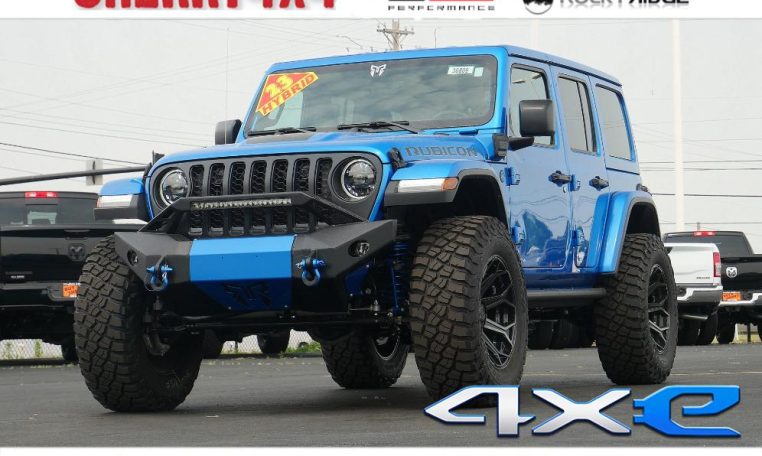
Lifted Trucks Jeep Wrangler: The Ultimate Guide to Off-Road Dominance and Customization
The Jeep Wrangler stands as an icon of off-road capability, a rugged vehicle designed to conquer the wild. For many enthusiasts, however, "stock" is just a starting point. The journey to true off-road dominance and personalized aesthetics often begins with a lifted Jeep Wrangler. More than just a visual upgrade, lifting a Wrangler transforms its capabilities, allowing it to tackle more challenging terrain, accommodate larger tires, and stand out with an undeniably aggressive presence. This comprehensive guide will delve into every aspect of lifting your Jeep Wrangler, from understanding the benefits and different lift types to navigating the installation process and addressing common concerns.
Why Lift Your Jeep Wrangler? Benefits Beyond Aesthetics
The decision to lift a Jeep Wrangler is driven by a blend of functional advantages and a desire for personalized style. While the commanding stance is certainly appealing, the core benefits are deeply rooted in enhancing off-road performance:
- Increased Ground Clearance: This is perhaps the most crucial benefit. By raising the chassis, a lifted Wrangler can clear larger rocks, logs, and uneven terrain without scraping its undercarriage, protecting vital components like differentials, transfer cases, and fuel tanks.
- Improved Approach, Departure, and Breakover Angles: These angles define a vehicle’s ability to navigate steep inclines, declines, and crests without hitting the front bumper, rear bumper, or underbelly. A lift significantly improves all three, making obstacles more manageable.
- Ability to Fit Larger Tires: Lifting is often a prerequisite for installing larger diameter tires. Larger tires offer increased traction, a bigger contact patch for flotation over soft surfaces, and additional ground clearance.
- Enhanced Suspension Articulation: Many quality lift kits are designed not just to raise the vehicle but also to improve the suspension’s ability to flex and keep the wheels in contact with the ground over uneven terrain, maximizing traction.
- Aggressive Aesthetic: Beyond performance, a lifted Wrangler commands attention. It embodies a spirit of adventure and rugged capability that resonates deeply with its owners and the off-road community.
- Personalization and Expression: Lifting your Wrangler is a significant step in making it uniquely yours, reflecting your style and intended use.
Understanding Lift Kits: Types and Components
Lift kits for the Jeep Wrangler come in various forms, each offering different levels of performance, complexity, and cost. Understanding these types is key to choosing the right one for your needs.
Types of Lift Kits:
-
Spacer Lifts (Budget Boosts):
- How They Work: These kits involve polyurethane or aluminum spacers placed above the coil springs or between the body and frame (for body lifts). They use your existing suspension components.
- Pros: Most affordable, easiest to install, maintain factory ride quality (as they don’t change spring rates).
- Cons: Minimal performance gains beyond ground clearance, no improvement in suspension travel or articulation, primarily for aesthetics and fitting slightly larger tires.
- Typical Lift Height: 0.75" to 2.5"
-
Coil Spring Lifts:
- How They Work: Replace the factory coil springs with longer, often stiffer, aftermarket springs. They usually include new shocks matched to the longer springs.
- Pros: Better off-road performance than spacers, improved articulation and ride quality (depending on shock choice), allows for significantly larger tires.
- Cons: More expensive and complex to install than spacers, can alter ride quality from stock.
- Typical Lift Height: 2.5" to 3.5"
-
Full Suspension Lifts (Long Arm/Short Arm Kits):
- How They Work: These are the most comprehensive and high-performance kits. They replace not just springs and shocks but also control arms (short arm kits replace factory length; long arm kits use much longer arms for improved geometry and articulation), track bars, sway bar links, bump stops, and sometimes even brake lines and driveshafts.
- Pros: Maximum off-road performance, superior articulation, optimal geometry correction for higher lifts, excellent ride quality (especially long arm kits).
- Cons: Most expensive, most complex installation, may require professional expertise, can necessitate other upgrades (re-gearing, driveshafts).
- Typical Lift Height: 3.5" to 6" or more.
-
Body Lifts (Distinct from Suspension Lifts):
- How They Work: These kits raise the body of the Jeep off its frame using spacers, leaving the suspension geometry untouched.
- Pros: Very affordable, relatively easy to install, helps clear larger tires without affecting suspension, maintains factory ride.
- Cons: Does NOT increase ground clearance under the axles or differentials, creates a gap between the frame and body, can require steering shaft extensions or fan shroud adjustments.
- Typical Lift Height: 1" to 2". Often combined with a small suspension lift.
Key Components of a Lift Kit:
- Coil Springs: Determine lift height and contribute significantly to ride quality.
- Shocks/Dampers: Crucial for controlling suspension movement, absorbing bumps, and defining ride comfort. Must be matched to spring length.
- Control Arms: Connect the axles to the frame. Longer/adjustable control arms correct caster angles and allow for proper axle positioning at higher lifts.
- Track Bars: Prevent lateral axle movement. Adjustable track bars are essential for centering the axles after a lift.
- Sway Bar Links: Connect the sway bar to the axle. Extended links are needed to maintain proper sway bar angle and function.
- Bump Stops: Prevent the suspension from bottoming out, protecting components. Extended bump stops are often necessary with larger tires and increased articulation.
- Brake Line Extensions: Higher lifts can stretch factory brake lines, requiring longer aftermarket lines or extensions for safety.
- Driveshafts: At higher lift heights (especially 3.5" and above), driveshaft angles can become too steep, leading to vibrations or failure. Aftermarket double cardan driveshafts may be required.
Choosing the Right Lift for Your Wrangler: Important Considerations
Selecting the perfect lift kit involves more than just picking a height. It requires careful consideration of your needs, budget, and mechanical implications.
-
Intended Use:
- Daily Driver with Light Trails: A 2.5" spacer or coil lift with good shocks might suffice.
- Moderate Off-Roading/Overlanding: A 2.5" to 3.5" coil lift with appropriate control arm correction is a good starting point.
- Extreme Rock Crawling/Hardcore Off-Roading: A 3.5" to 6"+ full suspension lift (often long arm) is necessary, along with other complementary upgrades.
-
Tire Size Goal: The desired tire size largely dictates the minimum lift height. For instance, 33" tires often fit with a 2.5" lift, while 35" tires usually require 2.5-3.5" and 37" tires often demand 3.5"+.
-
Budget: Lift kits range from a few hundred dollars for spacers to several thousand for premium full suspension systems. Remember to factor in installation costs, alignment, and potential ancillary upgrades.
-
Skill Level & Installation: Some kits are DIY-friendly, while others are best left to professional shops. Be honest about your mechanical aptitude and available tools.
-
Ride Quality Preference: Do you prioritize a plush, comfortable ride or a firmer, more controlled feel for aggressive off-roading? Shock choice plays a huge role here.
-
Gearing Implications: Larger tires effectively change your vehicle’s final drive ratio, making it feel sluggish and impacting fuel economy. Re-gearing your axles (changing the differential gears) is often recommended or necessary for 35" tires and larger to restore performance and prevent strain on the drivetrain.
-
Driveshaft Angles: Lifting the suspension steepens the driveshaft angles. At 3.5" and above, particularly on 2-door Wranglers, this can cause vibrations or premature U-joint failure, necessitating an aftermarket double cardan (CV) driveshaft.
-
Steering Geometry and Caster: Lifting reduces caster angle, which can lead to vague steering and "death wobble." Proper lift kits include components like control arms or cam bolts to correct caster.
-
Warranty Concerns: Modifying your suspension can potentially void portions of your factory warranty. Check with your dealership regarding their policy on aftermarket modifications.
The Installation Process (Simplified How-To & Tips)
While a detailed step-by-step guide is beyond this article’s scope, here’s a general overview and crucial tips for lifting your Wrangler.
General Overview:
- Preparation: Gather all necessary tools (jack, jack stands, torque wrench, sockets, wrenches, pry bar, penetrating oil), safety glasses, and thoroughly read the lift kit instructions.
- Safety First: Park on a level surface, engage the parking brake, block the wheels, and always use sturdy jack stands to support the frame before working under the vehicle.
- Disassembly: Support the axles, disconnect shocks, sway bar links, brake line mounts, and remove the factory coil springs and control arms as per instructions.
- Installation: Install new components (springs, shocks, control arms, track bars, extended sway bar links, bump stops) following the kit’s sequence. Do not fully tighten control arm and track bar bolts until the vehicle is at ride height.
- Reassembly & Torque: Reconnect all components, ensuring proper routing of brake lines and wiring. Torque all bolts to manufacturer specifications once the vehicle is on the ground at its normal ride height.
- Post-Installation Checks: Lower the vehicle, bounce it to settle the suspension, check for clearance issues, and visually inspect all connections.
Practical Tips:
- Patience is Key: Do not rush the process. Take your time, especially if it’s your first time.
- Lubricate Bolts: Use penetrating oil on stubborn bolts well in advance.
- Use Proper Tools: A good quality torque wrench is indispensable for safety.
- Professional Alignment: Absolutely essential after any suspension lift to correct toe, caster, and camber.
- Double-Check All Bolts: After a few hundred miles, re-torque all suspension bolts as they can loosen as components settle.
- Seek Help When Needed: If you encounter difficulties or lack the necessary tools/experience, don’t hesitate to take your Wrangler to a reputable off-road shop.
Post-Lift Maintenance and Adjustments
Lifting your Wrangler isn’t a "set it and forget it" modification. Ongoing maintenance and occasional adjustments are vital for safety and optimal performance.
- Regular Inspections: Periodically check all suspension components (shocks, springs, control arms, bushings, track bar, sway bar links) for wear, damage, or loose bolts, especially after off-road excursions.
- Re-Torqueing: As mentioned, re-torque all suspension bolts after the first 500 miles and periodically thereafter.
- Alignment Checks: Have your alignment checked annually or after any significant off-road impact.
- Driveshaft Monitoring: Listen for any new vibrations, especially at highway speeds, which could indicate driveshaft angle issues.
- Tire Rotation and Balance: Maintain regular tire rotations and balances, as larger tires and modified suspensions can sometimes lead to uneven wear.
Potential Challenges and Solutions
While immensely rewarding, lifting a Wrangler can introduce a few challenges that are important to be aware of and address proactively.
- Death Wobble: This terrifying phenomenon involves violent, uncontrollable front-end shaking, often triggered by hitting a bump at speed. It’s usually caused by a combination of improper caster angle, loose or worn steering components (track bar, tie rod ends), or unbalanced tires.
- Solution: Proper alignment (especially caster correction), inspecting and replacing worn steering components, ensuring all bolts are torqued, and quality balanced tires.
- Driveshaft Vibrations: As discussed, steeper driveshaft angles can cause vibrations.
- Solution: Installing an aftermarket double cardan (CV) driveshaft and correcting pinion angle with adjustable control arms.
- Poor Ride Quality: Some lift kits, particularly those with overly stiff springs or cheap shocks, can result in a harsh, uncomfortable ride.
- Solution: Investing in high-quality shocks matched to your spring rate, or considering adjustable shocks for tuning.
- Legality and Inspections: State and local laws vary regarding maximum lift height and tire size.
- Solution: Research your local regulations before modifying your vehicle.
- Increased Fuel Consumption: Larger tires are heavier and have more rolling resistance, and a higher stance increases aerodynamic drag.
- Solution: Re-gearing helps mitigate the performance loss but fuel economy will still decrease. Adjust driving habits.
- Steering Play: Looser steering can occur due to changes in steering geometry.
- Solution: Proper alignment, ensuring a quality track bar and drag link, and potentially an aftermarket steering attenuator or upgraded steering box.
Practical Advice and Actionable Insights
For anyone considering lifting their Jeep Wrangler, here’s some direct, actionable advice:
- Do Your Homework: Research specific lift kits, read reviews, and watch installation videos. Understand what each component does and why it’s included.
- Define Your Goals: Be clear about your primary use case (daily driver, weekend warrior, hardcore rock crawler) before choosing a lift height and type.
- Budget Realistically: Beyond the kit itself, factor in costs for professional installation, alignment, potentially new tires, wheels, and re-gearing. It’s often more expensive than you initially think.
- Prioritize Quality: Don’t cut corners on critical suspension components. Investing in a reputable brand with high-quality shocks and robust components will pay dividends in safety, performance, and longevity.
- Consider a System, Not Just Height: A good lift kit is a cohesive system. Don’t just focus on the inches; focus on how the kit addresses steering geometry, driveshaft angles, and ride quality.
- Start Small if Unsure: If you’re new to lifting, a moderate 2.5" lift is a great starting point that offers significant improvements without introducing as many complex issues as higher lifts. You can always go bigger later.
- Don’t Neglect Other Upgrades: A lift is often the first step. Consider complementing it with appropriate tires, wheels with proper backspacing, and potentially armor or recovery gear for serious off-roading.
Lifted Trucks Jeep Wrangler: Estimated Price Table
Please note that prices are highly variable based on brand, specific components, sales, and installation costs. This table provides estimated ranges for common lift types and heights for a Jeep Wrangler.
| Lift Kit Type | Lift Height (Inches) | Primary Components Included | Estimated Kit Price Range (USD) | Additional Potential Costs (USD) |
|---|---|---|---|---|
| Spacer Lift | 0.75" – 2.5" | Coil spacers, sometimes longer sway bar links | $100 – $400 | Installation (DIY: $0, Shop: $200-$500), Alignment ($100-$200) |
| Coil Spring Lift | 2.5" – 3.5" | New coil springs, new shocks, extended sway bar links | $500 – $1,500 | Installation (DIY: $0, Shop: $400-$800), Alignment ($100-$200), Tires/Wheels ($1,000-$3,000+) |
| Full Suspension Lift | 2.5" – 3.5" | Springs, shocks, control arms (short), track bars, links | $1,500 – $3,000 | Installation (Shop: $800-$1,500), Alignment, Tires/Wheels, Driveshaft ($500-$1,000) |
| Full Suspension Lift | 3.5" – 4.5" | Springs, shocks, control arms (adjustable), track bars, links, bump stops, brake lines | $2,500 – $5,000 | Installation (Shop: $1,000-$2,000+), Alignment, Tires/Wheels, Driveshaft, Re-gearing ($1,500-$3,000) |
| Full Suspension Lift | 4.5" – 6"+ | Springs, shocks, long arm control arms, track bars, all accessories, sometimes steering components | $4,000 – $8,000+ | Installation (Shop: $1,500-$3,000+), Alignment, Tires/Wheels, Driveshaft, Re-gearing, Axle Upgrades |
| Body Lift | 1" – 2" | Body pucks, sometimes steering shaft extension | $100 – $300 | Installation (DIY: $0, Shop: $200-$500) |
Note: "Additional Potential Costs" can vary widely. Tires and wheels are often the most significant added expense, and re-gearing is a major investment for larger tire sizes (35" and above).
Frequently Asked Questions (FAQ)
Q1: How high can I lift my Jeep Wrangler?
A1: While technically you can go very high, most functional off-road builds for the Wrangler range from 2.5" to 4.5". Lifts above 4.5" typically require extensive modifications to driveshafts, steering, and axles, significantly increasing complexity and cost. State laws also dictate maximum legal lift heights.
Q2: Do I need new tires with a lift?
A2: Not always immediately with smaller lifts (0.75"-1.5" spacers), but most people lift their Wranglers specifically to fit larger tires. A 2.5" lift usually allows for 33" tires, and 3.5" for 35" tires, which are highly recommended to maximize the benefits of the lift.
Q3: Will lifting my Jeep void my warranty?
A3: Generally, modifications like lifting will not automatically void your entire factory warranty. However, if a failure occurs and the dealer can prove that the aftermarket modification directly caused the failure, that specific repair may not be covered under warranty. It’s best to discuss with your dealership.
Q4: What is "Death Wobble" and how do I prevent it?
A4: Death Wobble is a violent, uncontrolled oscillation of the front axle, often triggered by a bump at speed. It’s usually caused by a combination of improper caster angle (due to the lift), worn steering components (track bar, tie rod ends), or unbalanced tires. Prevention involves using a quality lift kit that corrects geometry, maintaining proper alignment, regularly inspecting steering components, and ensuring tires are balanced.
Q5: Do I need to re-gear after a lift?
A5: You don’t have to, but it’s highly recommended, especially when going to 35" tires or larger. Larger tires effectively raise your gear ratio, making the Jeep feel sluggish, impacting fuel economy, and putting strain on the drivetrain. Re-gearing restores lost power and optimizes performance.
Q6: Is a body lift the same as a suspension lift?
A6: No, they are distinct. A body lift raises the body of the vehicle off its frame, creating space for larger tires but not increasing ground clearance under the axles or differentials. A suspension lift raises the entire chassis by modifying the springs and shocks, increasing ground clearance and improving suspension performance.
Conclusion
The journey of transforming a stock Jeep Wrangler into a lifted off-road machine is an exciting and rewarding endeavor. From gaining crucial ground clearance and improved articulation to fitting aggressive tires and achieving a commanding presence, the benefits are clear. However, it’s a modification that demands careful planning, thorough research, and a realistic understanding of the mechanical implications and potential costs. By choosing the right lift kit for your intended use, understanding the installation process, and committing to proper maintenance, you can unlock a new level of capability and personalization for your iconic off-roader. Embrace the adventure, and elevate your Wrangler to conquer any trail that lies ahead.
For more information on lift kits and Jeep Wrangler modifications, explore resources like ExtremeTerrain’s Jeep Lift Kits Guide (example link, replace with a real one if appropriate).