Lifted Trucks for Sale: Your Ultimate Buying Guide
Lifted Trucks for Sale: Your Ultimate Buying Guide
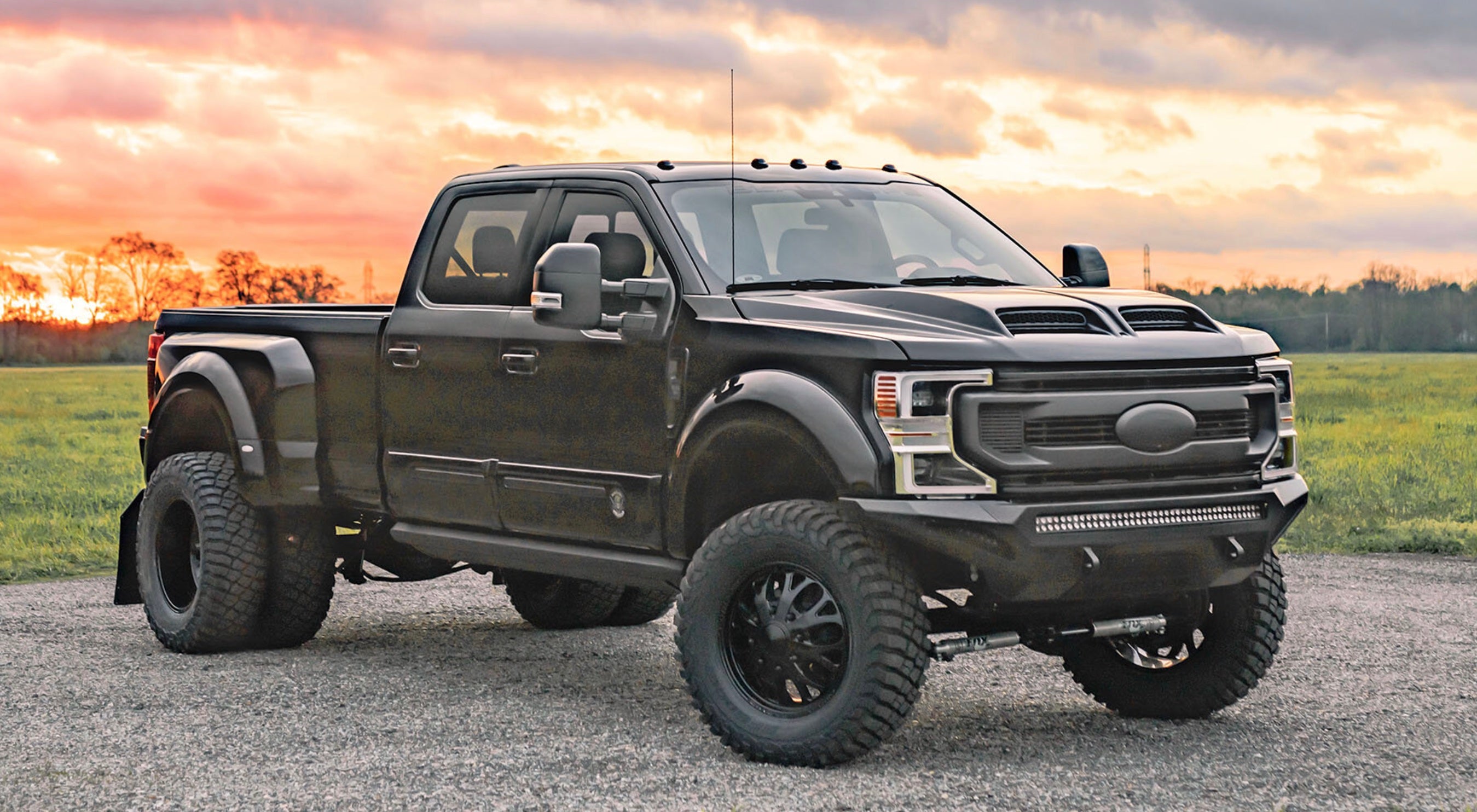
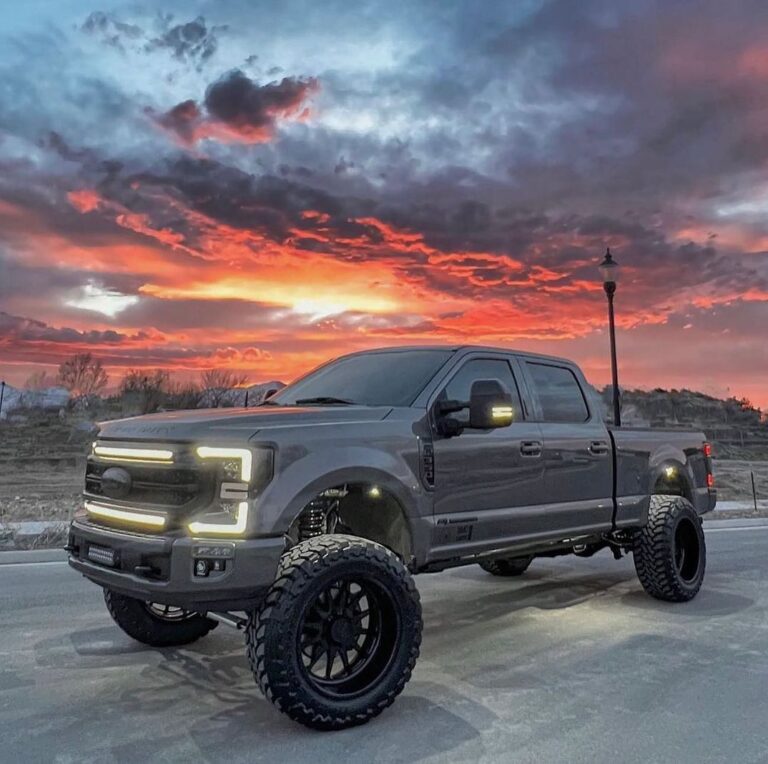
The rumble of a powerful engine, the commanding presence, and the undeniable capability – few vehicles capture the imagination quite like a lifted truck. More than just a mode of transportation, a lifted truck is a statement, a tool for adventure, and for many, a lifestyle. When considering lifted trucks for sale in today’s diverse market, you’re not just buying a vehicle; you’re investing in enhanced performance, distinctive aesthetics, and unparalleled versatility. From conquering rugged off-road trails to simply standing out in a crowded parking lot, these elevated machines offer a unique blend of utility and personal expression. This comprehensive guide will navigate the exciting world of lifted trucks, offering insights, practical advice, and everything you need to know to make an informed purchase.
Understanding the Appeal: Why Choose a Lifted Truck?
The popularity of lifted trucks isn’t just a fleeting trend; it’s rooted in a combination of practical benefits and aspirational desires.
Off-Road Prowess
Perhaps the most significant advantage of a lifted truck is its superior off-road capability. Increased ground clearance allows the vehicle to traverse obstacles like rocks, logs, and deep ruts without damaging the undercarriage. Taller suspension travel provides better articulation, keeping tires on the ground over uneven terrain, while larger tires offer enhanced grip and flotation in mud, sand, or snow. For enthusiasts who frequent challenging trails, a properly lifted truck is an indispensable companion.
Enhanced Utility
Beyond the trails, a lifted stance can offer practical benefits for everyday tasks. The elevated driving position provides a commanding view of the road, improving visibility and driver confidence. For those who tow or haul, a lifted truck can sometimes offer a more level platform for certain types of trailers, although careful consideration of hitch height and towing dynamics is crucial. The larger tires can also contribute to a smoother ride over rough pavement, absorbing imperfections more effectively.
Distinctive Aesthetics and Personalization
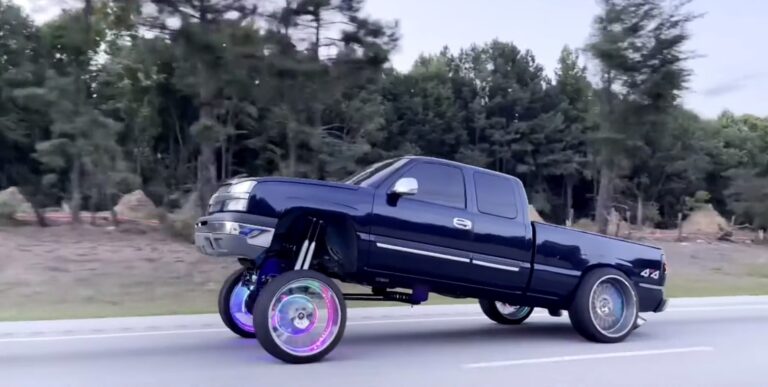
Let’s be honest: lifted trucks look cool. Their aggressive stance, oversized tires, and elevated profile exude power and individuality. For many owners, a lifted truck is a canvas for personalization, allowing them to express their style through custom wheels, specialized lighting, and unique accessories. It’s a vehicle that turns heads and projects a sense of adventure, making it a desirable choice for those who want to stand out from the conventional crowd.
Types of Lifted Trucks and Lift Kits
Understanding the different ways a truck can be lifted is crucial for an informed purchase, as each method has distinct implications for performance, cost, and legality.
Body Lifts
A body lift involves placing spacers between the truck’s cab/bed and its frame. This raises the body of the truck without altering the suspension geometry.
- Pros: Relatively inexpensive, easier to install, allows for larger tires (typically up to 3 inches of lift), maintains factory ride quality.
- Cons: Purely cosmetic, doesn’t increase ground clearance under the frame or differentials, can expose more of the frame, can affect steering column and shifter linkage.
Suspension Lifts
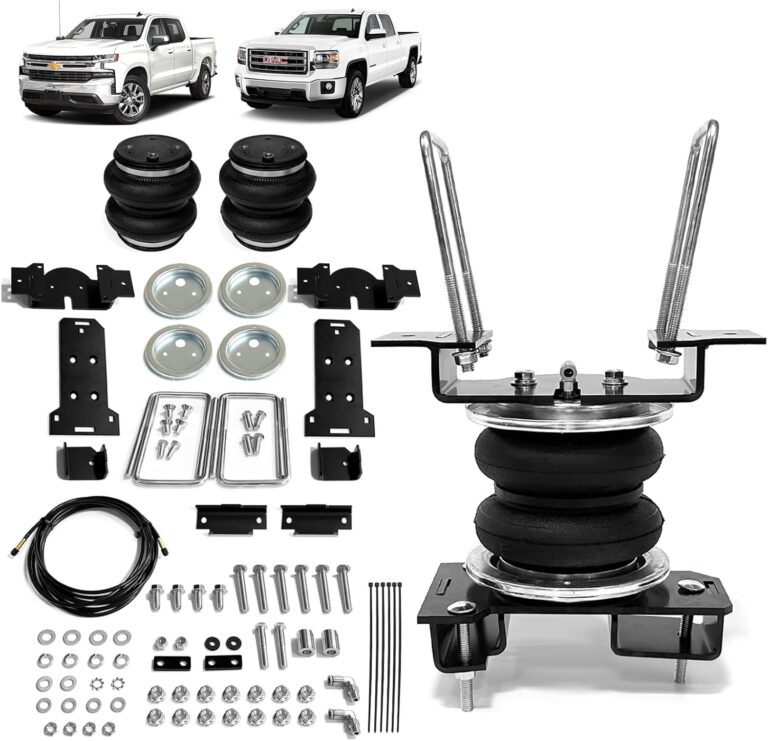
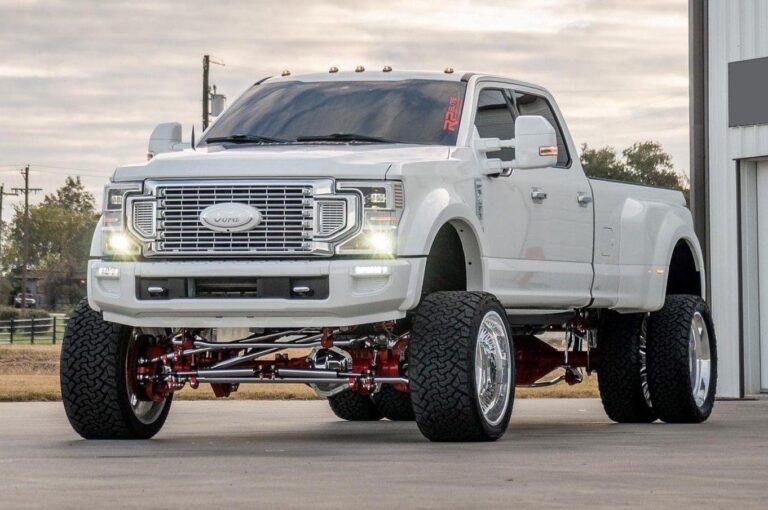
Suspension lifts are the most common and effective way to raise a truck. They involve modifying or replacing components of the vehicle’s suspension system. This type of lift directly increases ground clearance and improves off-road performance.
- Components: Can include longer shocks, new coil springs or leaf springs, control arms, steering knuckles, and sometimes new driveshafts or differential drops.
- Heights: Range from mild 2-inch lifts to extreme 6-inch or even 12-inch systems.
- Pros: Increases true ground clearance, improves off-road articulation and performance, can enhance overall ruggedness.
- Cons: More expensive and complex to install, can alter ride quality, may require additional modifications (e.g., re-gearing, brake line extensions), can affect factory warranty.
Leveling Kits
These are a sub-category of suspension lifts, typically providing 1-3 inches of lift to the front of the truck.
- Purpose: To eliminate the factory "rake" (where the front is lower than the rear) and allow for slightly larger tires without a full lift.
- Pros: Inexpensive, easy to install, improves appearance, allows for larger tires.
- Cons: Minimal ground clearance increase, doesn’t address full suspension needs.
Factory vs. Aftermarket Lifts
Some dealerships offer "dealer-lifted" trucks, which might come with a factory-approved lift kit or an aftermarket kit installed by the dealer. While these often come with a warranty, they can be more expensive. Aftermarket lifts offer a wider range of options and customization but require careful selection and professional installation to ensure safety and performance.
Key Considerations Before Buying a Lifted Truck
Purchasing a lifted truck is a significant decision that extends beyond the initial price tag. Several factors warrant careful consideration.
Purpose and Usage
What will you use the truck for? If it’s a daily driver with occasional light trail use, a moderate 2-4 inch suspension lift or a leveling kit might suffice. If serious rock crawling or mud bogging is your goal, a more extensive 6+ inch suspension lift with heavy-duty components and specialized tires will be necessary. Your intended use dictates the type and extent of modifications you should seek.
Budget: Beyond the Purchase Price
The cost of a lifted truck encompasses more than just the sticker price.
- Insurance: Modifications can increase insurance premiums. Always inform your insurer about any aftermarket lifts.
- Fuel Economy: Larger, heavier tires and increased aerodynamic drag significantly reduce MPG. Be prepared for higher fuel costs.
- Maintenance: Lifted trucks often require more frequent and specialized maintenance, including alignment checks, inspection of suspension components, and potentially faster wear on certain parts.
- Future Modifications: Plan for potential upgrades like re-gearing (to compensate for larger tires), heavy-duty brakes, or fender modifications.
Legality and Regulations
Lifted truck laws vary widely by state and even local municipality. These regulations often dictate maximum bumper height, headlight height, overall vehicle height, and tire protrusion. Ensure the truck you’re considering complies with local laws to avoid fines or inspection issues.
Driving Dynamics and Safety
A higher center of gravity affects a truck’s handling characteristics. Lifted trucks can exhibit increased body roll, longer braking distances, and a different feel in turns compared to stock vehicles. It’s crucial to adjust your driving style to account for these changes, especially at highway speeds or in adverse weather conditions.
Warranty Implications
Aftermarket modifications, particularly suspension lifts, can potentially void parts of your truck’s factory warranty. If a component fails and the manufacturer determines it was caused by the lift, they may deny coverage. Inquire about warranty specifics, especially if purchasing a new dealer-lifted truck.
Garage Clearance
Don’t forget to measure! A significantly lifted truck might not fit into standard garages, parking structures, or drive-thrus. Always check the overall height before you buy.
Where to Find Lifted Trucks for Sale
The market for lifted trucks is robust, offering several avenues for potential buyers.
- New Car Dealerships: Many dealerships, especially those specializing in trucks, offer new vehicles with pre-installed lift kits, often called "dealer-lifted" or "custom packages." These usually come with a warranty and can be financed with the vehicle.
- Used Car Dealerships: A broader selection of brands, models, and price points can be found here. However, thorough inspection is paramount, as the quality of aftermarket lifts can vary greatly.
- Specialized Lifted Truck Dealerships/Builders: These businesses focus exclusively on lifted and custom trucks. They often have experienced staff, perform quality installations, and can offer bespoke builds, though typically at a higher price point.
- Online Marketplaces: Websites like AutoTrader, CarGurus, Craigslist, and Facebook Marketplace host a vast inventory from private sellers and smaller dealerships. While offering potentially good deals, these platforms require more due diligence from the buyer.
- Private Sellers: Buying directly from an owner can sometimes yield a better price, but you’ll lack the protections offered by a dealership. A comprehensive inspection is absolutely critical.
- Auctions: Vehicle auctions can be a source for unique or discounted lifted trucks, but they often come with a higher risk due to limited inspection opportunities.
The Buying Process: A Step-by-Step Guide
Navigating the purchase of a lifted truck requires a methodical approach, especially for used models.
- Research and Define Your Needs: Before you even look, determine your budget, desired lift height, tire size, and primary use. This narrows your search considerably.
- Set a Realistic Budget: Include not just the purchase price but also estimated costs for insurance, fuel, potential repairs, and any immediate modifications you plan.
- Thorough Inspection (Crucial for Used Trucks): This is the most vital step.
- Lift Kit Components: Visually inspect all parts of the lift kit (shocks, springs, control arms, knuckles, spacers). Look for rust, leaks, bent components, or signs of improper installation (e.g., loose bolts, grinding marks).
- Tires and Wheels: Check for even tread wear (uneven wear can indicate alignment issues or worn suspension), proper balancing weights, and correct tire size for the lift.
- Drivetrain: Inspect universal joints, CV joints, and driveshafts for unusual angles or wear. Listen for clunks or vibrations during the test drive.
- Steering and Suspension: Check for play in the steering wheel, worn bushings, or damaged tie rods.
- Frame and Undercarriage: Look for signs of rust, cracks, or damage from off-roading (e.g., bent skid plates, scraped differential housings).
- Fluid Leaks: Check for oil, transmission, or differential fluid leaks.
- Test Drive: Drive the truck on various surfaces – highway, city streets, and if possible, a light unpaved road. Pay attention to:
- Steering: Is it tight or loose? Does it pull to one side?
- Braking: Does it stop smoothly and quickly?
- Suspension: Does it ride smoothly or feel overly bouncy/harsh? Listen for clunks or squeaks.
- Drivetrain: Any unusual noises, vibrations, or difficulty shifting?
- Alignment: Does the steering wheel stay straight when driving straight?
- Get a Pre-Purchase Inspection (PPI): Never skip this step for a used lifted truck. Take the vehicle to an independent mechanic who specializes in 4x4s or lifted vehicles. They can identify issues that you might miss.
- Check Vehicle History Report: Services like CARFAX or AutoCheck can reveal past accidents, flood damage, salvage titles, or inconsistent maintenance records.
- Negotiate and Finalize: Be prepared to negotiate based on your findings. If anything feels off, be willing to walk away.
Tips for Owning a Lifted Truck
Ownership of a lifted truck comes with its own set of responsibilities and best practices.
- Regular Maintenance: Due to the added stress on suspension and drivetrain components, more frequent inspections and maintenance are often necessary. Pay close attention to tire pressure, alignment, and wear on bushings and bearings.
- Adjust Driving Style: Always remember the higher center of gravity. Reduce speed in turns, allow for longer braking distances, and be mindful of crosswinds.
- Understand Its Limits: Even the most capable lifted truck has limits. Don’t push it beyond its capabilities, especially if you’re new to off-roading.
- Proper Off-Road Etiquette: If you take your truck off-road, practice responsible recreation. Stay on designated trails, pack out what you pack in, and be prepared for emergencies.
- Insurance: Reiterate that you should inform your insurance provider about all modifications to ensure adequate coverage.
Lifted Trucks for Sale: Representative Price Guide
Prices for lifted trucks can vary dramatically based on make, model, year, mileage, condition, the quality and extent of the lift kit, and additional modifications. The table below provides a representative range, but actual market values should always be verified.
| Category | Example Models (New/Used) | Typical Lift Height | Estimated Price Range (USD) | Key Features/Considerations |
|---|---|---|---|---|
| Entry-Level/Budget | Older F-150, Silverado 1500, Ram 1500 (2000s-early 2010s) | 2-4 inches (leveling/mild suspension) | $15,000 – $30,000 | Good for light off-roading, aesthetic appeal. May have higher mileage, potential for wear and tear, or older technology. Great for first-time owners or those on a budget. |
| Mid-Range/Popular | F-150, Silverado 1500, Ram 1500, Tacoma, Gladiator (2015+) | 4-6 inches (suspension lift) | $30,000 – $60,000 | Balanced performance for daily driving and moderate off-road use. Often features modern amenities, better resale value. Many dealer-lifted options fall into this category. Quality of lift kit is often a key differentiator. |
| High-Performance/HD | F-250/350, Silverado/Sierra 2500/3500 HD, Ram 2500/3500, Raptor, TRX | 4-8+ inches (heavy-duty suspension) | $60,000 – $100,000+ | Extreme capability for towing, hauling, or severe off-roading. Includes specialized factory off-road variants. Premium features and robust components justify higher price. Higher operating and maintenance costs. |
| Custom Builds/Show | Any model with extensive modifications and bespoke features | 6-12+ inches (custom fabrication) | $80,000 – $200,000+ | Unique aesthetics, specialized components for specific purposes (e.g., extreme rock crawling, show truck). High investment due to custom labor and high-end parts. Value is highly subjective and depends on build quality. |
Disclaimer: The prices listed above are general estimates and can fluctuate significantly based on geographic location, vehicle condition, specific lift kit components, additional aftermarket accessories, mileage, and current market demand. Always conduct thorough research and obtain current market valuations when considering a purchase.
Frequently Asked Questions (FAQ)
Q: Does lifting a truck affect its warranty?
A: Yes, an aftermarket lift kit can potentially void parts of your truck’s factory warranty, especially if a component failure is directly attributed to the modifications. However, some manufacturers offer factory-approved lift kits, or dealerships may install kits that they warranty themselves. Always clarify warranty implications before purchasing.
Q: How much does it cost to lift a truck?
A: The cost of lifting a truck varies widely. A simple leveling kit might cost $200-$500 (parts only), while a comprehensive suspension lift kit can range from $1,000 to over $10,000 for high-end systems. Installation labor typically adds $500-$2,000, depending on the complexity of the lift and shop rates.
Q: Are lifted trucks harder to drive?
A: They can be. The higher center of gravity changes the vehicle’s handling characteristics, making it more prone to body roll and potentially affecting stability, especially during cornering or in strong winds. Larger tires can also make steering feel heavier and increase stopping distances. Drivers need to adjust their style to account for these changes.
Q: Do lifted trucks use more fuel?
A: Generally, yes. Larger, heavier tires increase rolling resistance, and the elevated stance often creates more aerodynamic drag. Both factors contribute to reduced fuel efficiency. Re-gearing the differentials can help restore some lost performance and efficiency but is an additional cost.
Q: What’s the difference between a body lift and a suspension lift?
A: A body lift raises the truck’s body from its frame using spacers, providing cosmetic height without altering the suspension or increasing ground clearance under the axles. A suspension lift modifies or replaces suspension components (shocks, springs, control arms) to increase true ground clearance and often improve off-road performance.
Q: What should I look for when buying a used lifted truck?
A: Key areas to inspect include the quality and condition of the lift kit components, even tire wear, signs of frame damage or excessive rust, proper alignment, and any unusual noises or vibrations during a test drive. Always get a pre-purchase inspection from a reputable mechanic specializing in 4x4s.
Q: Are lifted trucks legal everywhere?
A: No. Lift height regulations vary significantly by state and even local municipality. These laws often specify maximum bumper height, headlight height, overall vehicle height, and tire coverage. It’s crucial to research and understand your local laws to ensure the truck you’re considering is street-legal.
Conclusion
The pursuit of lifted trucks for sale in today’s market is an exciting journey, offering the promise of enhanced capability, distinctive style, and an undeniable presence. Whether you dream of conquering rugged trails or simply desire a vehicle that stands tall above the rest, a lifted truck delivers on these aspirations. However, making an informed decision requires thorough research, careful consideration of practical implications, and a diligent approach to inspection, especially for used models. By understanding the types of lifts, their pros and cons, and the essential steps of the buying process, you can confidently navigate the market. A lifted truck is more than just a purchase; it’s an investment in adventure and individuality, one that will reward you for years to come with proper care and an educated choice.