Lifted Trucks in AZ: A Comprehensive Guide to Elevated Adventures
Lifted Trucks in AZ: A Comprehensive Guide to Elevated Adventures
Arizona, a state synonymous with vast deserts, rugged mountains, and a relentless sun, possesses a unique automotive culture where the pickup truck reigns supreme. Within this culture, the lifted truck stands as a proud icon – a testament to capability, personal expression, and an adventurous spirit perfectly suited to the Grand Canyon State. From navigating the challenging trails of Sedona and the sandy washes of the Sonoran Desert to making a powerful statement on Scottsdale’s streets, lifted trucks in AZ are more than just vehicles; they are a lifestyle.
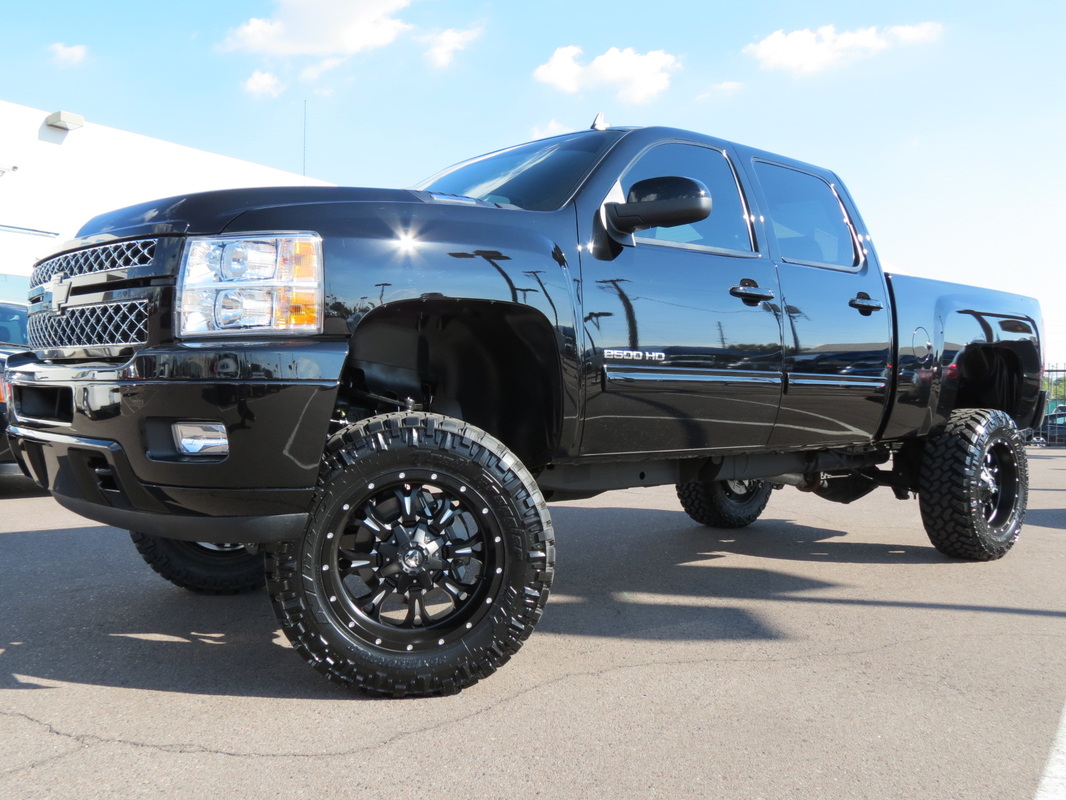
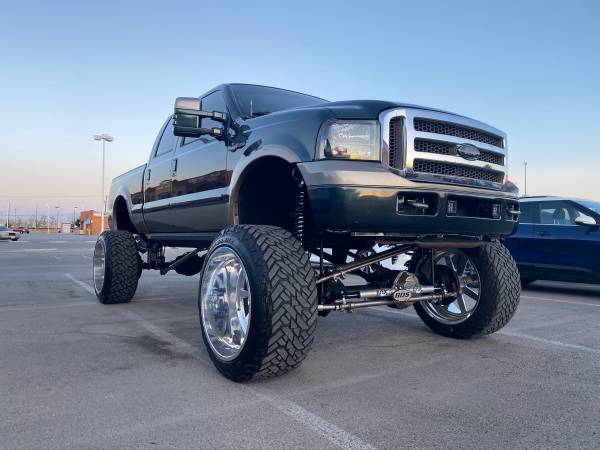
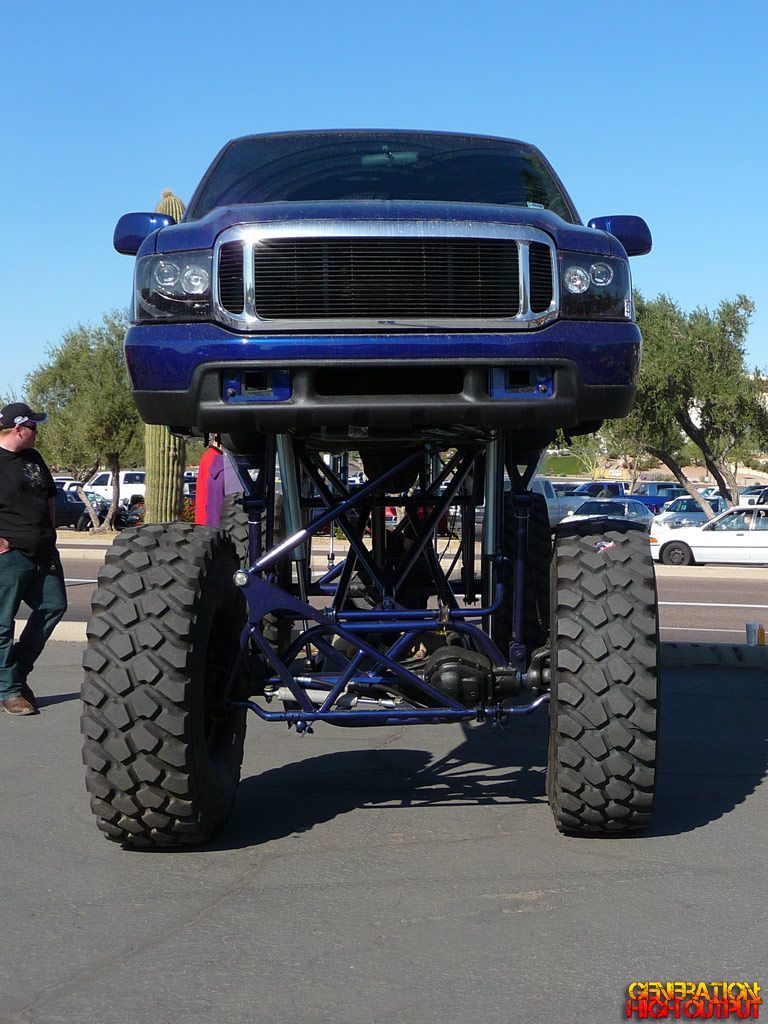
A lifted truck is essentially a standard pickup that has been modified to sit higher off the ground. This elevation is achieved through specialized aftermarket kits that either modify the suspension system (suspension lift) or raise the truck’s body from its frame (body lift). In Arizona, where off-roading is a popular pastime and utility often meets passion, the prevalence of lifted trucks is understandable. They offer increased ground clearance, allowing drivers to tackle rough terrain without damaging vital undercarriage components, and accommodate larger, more aggressive tires for enhanced traction. Beyond the practical advantages, a lifted truck commands attention, projecting an image of rugged individualism and readiness for any challenge Arizona might throw its way. This guide delves into every facet of lifted trucks in AZ, from the technicalities of various lift kits to legal considerations, maintenance, and the vibrant community that embraces them.
The Allure of the Lift: Why AZ Drivers Choose Raised Rides
The decision to lift a truck in Arizona stems from a blend of practical necessity, aesthetic preference, and cultural influence. Understanding these motivations provides insight into why this modification is so popular across the state.
Enhanced Off-Road Capability
This is arguably the primary driver for many Arizona truck owners. The state’s diverse landscape, from the rocky trails of the Bradshaw Mountains to the sandy dunes near Yuma, presents endless opportunities for off-road exploration.
- Increased Ground Clearance: A higher chassis means less risk of scraping the undercarriage on rocks, logs, or deep ruts, protecting critical components like the differential, transmission, and exhaust system.
- Improved Approach, Departure, and Breakover Angles: Lifting the truck changes the geometry, allowing it to approach steeper obstacles, climb over crests, and descend without the bumpers or frame dragging.
- Accommodation for Larger Tires: Lifts create the necessary wheel well clearance for bigger, more aggressive tires (e.g., mud-terrains or all-terrains). These tires offer superior grip, durability, and flotation on loose surfaces like sand and mud, which are common in Arizona’s desert and monsoon-affected areas.
Aesthetic Dominance and Personal Expression
Beyond functionality, the visual impact of a lifted truck is undeniable.
- Imposing Presence: A lifted truck simply looks bigger and more aggressive. It commands respect on the road and stands out from stock vehicles.
- Customization and Individuality: Lifting a truck is a significant modification that allows owners to personalize their vehicle, reflecting their style and passion for the automotive lifestyle. It’s a canvas for further customization, often accompanied by custom wheels, aftermarket bumpers, lighting, and performance upgrades.
- Better Visibility (Perceived): While actual safety benefits are debated, many drivers report feeling more confident and having a better view of the road from a higher vantage point.
Utility and Work Applications
For those who use their trucks for work or hauling, a lift can offer specific advantages.
- Hauling Heavy Loads: While not directly enhancing towing capacity, a properly equipped lifted truck can handle heavier payloads over rough terrain, making it ideal for construction, ranching, or agricultural work in remote Arizona locations.
- Accessing Remote Areas: Whether for hunting, fishing, camping, or professional duties like surveying or pipeline inspection, a lifted truck ensures access to areas inaccessible to standard vehicles.
The Arizona Truck Culture
Arizona boasts a vibrant truck culture, deeply rooted in its outdoor lifestyle. Lifted trucks are a common sight at local car shows, off-road events, and even everyday commutes. There’s a sense of camaraderie among owners, a shared appreciation for rugged vehicles that can handle the state’s unique environment.
Understanding Lift Kits: Types and Technologies
Choosing the right lift kit is crucial and depends heavily on your intended use, budget, and desired outcome. There are several primary types of lift kits, each with distinct characteristics.
1. Suspension Lifts
Suspension lifts are the most popular and comprehensive way to raise a truck. They involve modifying or replacing components of the vehicle’s suspension system.
- How they work: These kits replace or augment existing springs, shocks, control arms, leaf springs, and sometimes even steering components to achieve increased ride height.
- Benefits:
- Improved Off-Road Performance: By increasing wheel travel and articulation, suspension lifts significantly enhance the truck’s ability to navigate uneven terrain.
- Better Ride Quality (with quality kits): High-quality suspension lifts often include upgraded shocks and springs that can actually improve the ride comfort and handling both on and off-road compared to stock.
- Greater Height Potential: Can achieve significant lifts, from a modest 2-3 inches to extreme 8+ inch lifts.
- Considerations:
- Cost: Generally more expensive than body lifts due to the complexity and number of components involved.
- Installation: Requires professional installation and a proper alignment afterwards.
- Impact on Drivetrain: Larger lifts may necessitate modifications to drive shafts, steering components, and brake lines to maintain proper angles and function.
- Types:
- Coil-over kits: Replace traditional spring/shock setups with an integrated coil-over unit, offering superior dampening and adjustability.
- Long-arm kits: For serious off-roaders, these replace short factory control arms with longer ones, improving suspension geometry and articulation, particularly for lifts over 4-6 inches.
- Leaf spring kits: For trucks with leaf spring rear suspensions, these involve adding or replacing leaf springs to achieve lift.
2. Body Lifts
Body lifts are a simpler, less expensive way to raise the truck’s body off its frame.
- How they work: Spacers are inserted between the body and the frame, using longer bolts to secure them.
- Benefits:
- Cost-Effective: Significantly cheaper than suspension lifts.
- Retains Factory Ride: Since the suspension remains untouched, the factory ride quality and handling characteristics are largely preserved.
- Aesthetic Clearance: Primarily for fitting larger tires for cosmetic reasons, without significantly altering off-road performance.
- Considerations:
- Limited Height: Typically provides 1-3 inches of lift.
- No Performance Gain: Does not improve suspension travel or off-road capability.
- Visual Gaps: Can create a noticeable gap between the frame and the body, which some owners find aesthetically unpleasing, though gap guards can mitigate this.
- Potential for Complications: May require extensions for steering components, wiring, and hoses.
3. Leveling Kits
While not strictly "lift kits," leveling kits are a common first step for many Arizona truck owners.
- How they work: Most trucks come with a "rake," meaning the front sits slightly lower than the rear. Leveling kits typically add 1-3 inches of lift to the front suspension to bring it level with the rear.
- Benefits:
- Cost-Effective: The cheapest option.
- Improved Stance: Eliminates the factory rake, giving the truck a more aggressive and balanced look.
- Minor Tire Clearance: Allows for slightly larger tires than stock.
- Considerations:
- Limited Lift: Only provides a small amount of lift and only to the front.
- Minimal Performance Impact: Does not significantly improve off-road capability.
Navigating the Legal Landscape: AZ Laws for Lifted Trucks
Arizona, like all states, has regulations concerning vehicle modifications, particularly those affecting height. While generally permissive, it’s crucial for truck owners to be aware of and comply with these laws to avoid fines and ensure road safety.
- Bumper Height: Arizona Revised Statutes (ARS) §28-958 specifies maximum bumper heights. These vary based on the Gross Vehicle Weight Rating (GVWR) of the truck. Generally, for most pickups, the front bumper cannot exceed 28 inches and the rear bumper 30 inches, measured from the ground to the bottom of the main horizontal bumper bar.
- Headlight Height: Headlights must be mounted between 24 and 54 inches from the ground. Excessive lifts can raise headlights above this limit, requiring adjustments or aftermarket solutions.
- Fender Flares: If your lifted truck’s tires extend beyond the fenders, you are generally required to install fender flares to cover the exposed tire tread. This prevents road debris from being flung up by the tires.
- Mud Flaps: While not universally required for all lifted trucks, specific commercial vehicles or those with particularly aggressive tires might need mud flaps to prevent debris spray.
- Overall Vehicle Height: While no strict overall height limit is commonly enforced for non-commercial vehicles, excessively tall trucks can pose safety risks and may attract attention from law enforcement if deemed unsafe or obstructed vision.
Practical Advice: Always consult the current Arizona Revised Statutes or a reputable Arizona off-road shop specializing in lifted trucks. Professional installers will be knowledgeable about local regulations and can ensure your truck remains compliant. Remember, modifications that compromise safety or visibility can lead to citations.
The Installation Process: DIY vs. Professional
Once you’ve chosen your lift kit, the next step is installation. This is a critical phase that impacts safety, performance, and longevity.
DIY Installation:
- Pros: Significant cost savings on labor. Satisfaction of doing it yourself.
- Cons:
- Safety Risks: Working under a heavy vehicle without proper tools (jack stands, lifts) is extremely dangerous.
- Specialized Tools: Requires a range of specific tools (torque wrenches, spring compressors, impact guns) that many DIYers don’t own.
- Expertise Needed: A deep understanding of suspension mechanics, proper torque specifications, and alignment principles is essential. Mistakes can lead to catastrophic failure, poor handling, or premature wear.
- Time Commitment: Can take days or even weeks for an inexperienced individual.
Professional Installation:
- Pros:
- Expertise and Experience: Reputable shops have trained technicians who understand the intricacies of various lift kits and truck models.
- Safety: They have the right equipment (vehicle lifts, specialized tools) and follow safety protocols.
- Proper Alignment: Crucially, a professional shop will perform a proper wheel alignment after installation, which is vital for safe handling, tire wear, and preventing steering issues.
- Warranty: Most shops offer a warranty on their labor, and many reputable lift kits come with product warranties that might be voided by improper DIY installation.
- Legal Compliance: Professionals are usually up-to-date on Arizona’s vehicle modification laws.
- Cons: Higher upfront cost due to labor.
Actionable Insight: For most truck owners, especially those installing suspension lifts, professional installation is highly recommended. Look for shops in Arizona with a strong reputation in the off-road community, certified technicians, and experience with your specific truck make and model. Always ask for a detailed quote and ensure it includes post-installation alignment.
Performance and Handling Considerations
Lifting a truck dramatically alters its dynamics. While offering benefits, it also introduces new considerations for handling and performance.
Impacts on Driving Dynamics:
- Higher Center of Gravity: The most significant change. A higher center of gravity increases the risk of rollovers, especially during aggressive cornering or sudden evasive maneuvers. Drive with caution.
- Altered Steering Geometry: Lifts can affect caster, camber, and toe angles, requiring precise alignment. Improper alignment leads to wandering steering, excessive tire wear, and poor handling.
- Increased Braking Distance: Larger, heavier tires combined with a higher center of gravity can slightly increase braking distances.
- Reduced Fuel Economy: Larger, heavier, and more aggressive tires, combined with increased aerodynamic drag from the lift, will almost invariably lead to a decrease in fuel efficiency.
- Wear on Components: Lifts can put additional stress on components like ball joints, tie rod ends, CV joints (for independent front suspension), and driveline components, potentially leading to accelerated wear.
Mitigation and Maintenance:
- Proper Alignment: Absolutely critical after any lift. Regular alignment checks are also recommended.
- Quality Components: Investing in high-quality lift kits and components from reputable manufacturers minimizes potential issues and improves durability.
- Larger Tires and Wheels: If installing a significant lift, you’ll likely need larger tires and possibly different wheels to match. Consider the unsprung weight and rotational mass implications.
- Re-gearing (Optional but Recommended): For larger tires (35 inches and above), re-gearing the differentials can restore lost power and improve fuel economy by bringing the engine back into its optimal RPM range. This is an additional significant cost.
- Driveline Modifications: For larger suspension lifts, you may need to extend drive shafts or install a slip yoke eliminator to correct driveline angles and prevent vibrations.
Maintenance and Care for Your Lifted Rig
A lifted truck, especially one that sees off-road action, requires diligent maintenance to ensure its longevity and safety.
- Regular Inspections: Frequently inspect all suspension components – shocks, springs, control arms, bushings, tie rods, and ball joints – for wear, damage, or looseness. Pay extra attention after off-road excursions.
- Alignment Checks: Get your alignment checked annually or after any significant suspension work or impact.
- Tire Care: Rotate and balance your larger tires regularly to ensure even wear. Monitor tire pressure, as larger tires often require specific pressures different from stock.
- Cleanliness: After off-roading in Arizona’s dusty or muddy environments, thoroughly wash the undercarriage to remove abrasive dirt, sand, and corrosive mud that can accelerate wear.
- Fluid Checks: Ensure all fluids (engine oil, transmission fluid, differential fluid) are at proper levels. Consider replacing differential fluid more frequently if you frequently ford water.
- Fastener Torque: Periodically check the torque on all suspension fasteners, as they can loosen over time, especially with vibration from off-roading.
- Address Issues Promptly: Don’t ignore clunks, squeaks, vibrations, or unusual handling. These are often early warning signs of a developing problem.
Choosing the Right Lift: Tips for AZ Drivers
Making the right choice for your lifted truck in Arizona involves careful consideration of several factors.
-
Define Your Purpose:
- Aesthetics Only: A leveling kit or body lift might suffice.
- Light Off-Roading/Camping: A 2-4 inch mild suspension lift will offer good capability without excessive modifications.
- Serious Rock Crawling/Desert Racing: You’ll need a robust 4-6+ inch suspension lift, potentially long-arm kits, upgraded axles, and re-gearing.
-
Consider Your Budget: Lifts range widely in price. Factor in not just the kit cost but also installation, alignment, new tires, wheels, and potential additional modifications like re-gearing.
-
Research Kits and Brands: Not all lift kits are created equal. Research reputable brands known for quality, durability, and good customer support. Read reviews specific to your truck model.
-
Consult with Experts: Talk to experienced technicians at reputable Arizona off-road shops. They can provide invaluable advice based on your truck model, driving habits, and the types of terrain you plan to tackle.
-
Think About Tire Size: Determine the maximum tire size you want to run. This will dictate how much lift you truly need.
-
Don’t Compromise Safety: Never sacrifice safety for height or a lower price. A poorly installed or cheap lift can be dangerous.
The Lifted Truck Community in Arizona
Arizona’s lifted truck scene is a thriving subculture. From local meet-ups to organized off-road events, there’s a strong sense of community.
- Off-Road Clubs and Groups: Many clubs organize regular trail runs across the state, from easy scenic drives to challenging rock-crawling expeditions. These groups are excellent resources for shared knowledge, trail maps, and camaraderie.
- Car Shows and Events: Look for truck shows, 4×4 expos, and off-road jamborees throughout the year, especially in cities like Phoenix, Tucson, and Prescott.
- Online Forums and Social Media: Numerous online communities are dedicated to lifted trucks in Arizona, offering platforms for buying/selling parts, asking questions, and sharing experiences.
Engaging with this community can provide practical advice, help you discover new trails, and connect you with fellow enthusiasts who share your passion for elevated adventures.
Lifted Trucks in AZ: Estimated Price Table
The cost of lifting a truck in Arizona can vary significantly based on the truck’s make and model, the type and brand of the lift kit, the desired height, the shop’s labor rates, and any additional modifications required. The table below provides estimated price ranges for common lift types, including parts and typical installation costs in Arizona. These are general guidelines; always get a specific quote from a reputable installer.
| Lift Type/Height Range | Parts Only (Estimated Range) | Installed (Estimated Range) | Key Features/Considerations | Additional Potential Costs (Not Included Above) |
|---|---|---|---|---|
| Leveling Kit (1-3" Front) | $100 – $400 | $300 – $800 | Lifts front only to level truck. Mildest, cheapest option. | Alignment ($100-$200) |
| Body Lift (1-3") | $200 – $600 | $500 – $1,200 | Raises body from frame. Retains factory ride. Aesthetic. | Alignment ($100-$200) |
| Mild Suspension Lift (2-4") | $500 – $1,500 | $1,000 – $2,500 | Entry-level suspension modification. Good for light off-road. | Alignment, New Tires/Wheels |
| Moderate Suspension Lift (4-6") | $1,500 – $3,500 | $2,500 – $5,500 | Significant off-road capability. Often requires more components. | Alignment, New Tires/Wheels, Re-gearing, Driveline Mods |
| Extreme Suspension Lift (6"+) | $3,000 – $8,000+ | $5,000 – $12,000+ | For serious off-roaders. Complex, often requires extensive mods. | Alignment, New Tires/Wheels, Re-gearing, Driveline Mods, Axle Upgrades |
| Coilover Conversion (Variable Height) | $2,000 – $6,000+ | $3,500 – $10,000+ | Premium ride quality & performance. Highly adjustable. | Alignment, New Tires/Wheels, Re-gearing, Driveline Mods |
Important Notes:
- Labor Rates: Arizona shop labor rates typically range from $90-$150 per hour.
- Tires & Wheels: Often the most significant additional expense, ranging from $1,500 to $5,000+ for a set of five (including spare).
- Re-gearing: Can cost $1,500 – $3,000+ per axle.
- Driveline Modifications: Varies but can add $500 – $1,500+.
- Alignment: Crucial after any lift, typically $100 – $200.
- Accessories: Aftermarket bumpers, rock sliders, winches, and lighting will add substantial costs.
Disclaimer: These prices are estimates only and should be used as a general guide. Actual costs will vary based on your specific vehicle, choices, and location within Arizona.
Frequently Asked Questions (FAQ) about Lifted Trucks in AZ
Q1: Is it legal to lift my truck in Arizona?
A1: Yes, it is legal to lift your truck in Arizona, but there are specific regulations regarding bumper height, headlight height, and fender coverage that you must adhere to. Always check the current Arizona Revised Statutes (ARS §28-958) or consult a reputable lift shop for compliance.
Q2: How much does it cost to lift a truck in Arizona?
A2: The cost varies greatly depending on the type of lift (leveling, body, suspension), the desired height, the brand of the kit, and whether you do it yourself or have it professionally installed. Expect to pay anywhere from $300 for a simple leveling kit to $12,000+ for a comprehensive, high-quality suspension lift including installation and additional modifications. (Refer to the price table above for more details).
Q3: Will lifting my truck void my factory warranty?
A3: Potentially. Under the Magnuson-Moss Warranty Act, a dealer cannot void your entire warranty simply because you’ve installed aftermarket parts. However, if a lifted component (e.g., suspension, drivetrain) directly causes a failure, the manufacturer may deny warranty coverage for that specific repair. It’s best to discuss this with your dealership before making significant modifications.
Q4: What’s the difference between a body lift and a suspension lift?
A4: A body lift raises the truck’s body off its frame using spacers, typically 1-3 inches. It’s primarily for aesthetics and fitting larger tires, with no improvement in off-road performance. A suspension lift modifies or replaces suspension components (shocks, springs, control arms) to increase ground clearance and wheel travel, significantly improving off-road capability. Suspension lifts are generally more expensive and complex.
Q5: Do I need new tires and wheels after lifting my truck?
A5: For most suspension lifts (2 inches or more) and often even for leveling or body lifts, you will likely need larger tires to fill the wheel wells and achieve the desired look/functionality. You may also need new wheels with a different offset to prevent rubbing or to achieve a wider stance.
Q6: How does a lift affect my truck’s fuel economy?
A6: Lifting your truck, especially when combined with larger, heavier, and more aggressive tires, will almost always decrease fuel economy. The larger tires require more power to turn, and the increased height and aggressive tread create more aerodynamic drag. Re-gearing can help mitigate some of the loss for larger tires.
Q7: Is a lifted truck safe?
A7: A properly installed and maintained lifted truck, when driven responsibly, can be safe. However, lifting a truck raises its center of gravity, which increases the risk of rollovers, particularly during sharp turns or evasive maneuvers. It can also affect braking distances and steering dynamics. Professional installation and a high-quality kit are crucial for safety.
Q8: Where can I get my truck lifted in Arizona?
A8: Arizona has many reputable off-road and truck accessory shops. Look for businesses with strong local reviews, experienced technicians, and a focus on off-road vehicles. Popular areas like Phoenix, Mesa, Glendale, and Tucson will have numerous options. Always ask for quotes and inquire about their experience with your specific truck model.
Q9: Do I need an alignment after installing a lift kit?
A9: Yes, absolutely. An alignment is critical after any lift kit installation (even leveling kits) to correct changes in steering and suspension geometry. This ensures proper handling, prevents premature tire wear, and maintains vehicle safety.
Conclusion
Lifted trucks in Arizona represent more than just a modification; they embody a culture of rugged independence, adventure, and personal expression perfectly suited to the state’s diverse and challenging landscapes. From conquering the demanding trails of the Sonoran Desert to making a bold statement on city streets, these elevated machines offer both unparalleled capability and an undeniable presence.
Understanding the various types of lift kits, navigating Arizona’s legal requirements, prioritizing professional installation, and committing to diligent maintenance are all crucial steps for any truck owner considering this significant upgrade. While the journey to a lifted truck involves considerations of cost, performance, and safety, the rewards—enhanced off-road prowess, a commanding aesthetic, and a deeper connection to Arizona’s vibrant outdoor lifestyle—are often well worth the effort. By approaching the process with knowledge and care, Arizona truck enthusiasts can confidently elevate their adventures and truly experience the state from a new, higher perspective.