Floor Jack Extension for Lifted Trucks: The Ultimate Guide to Safe and Effective Lifting
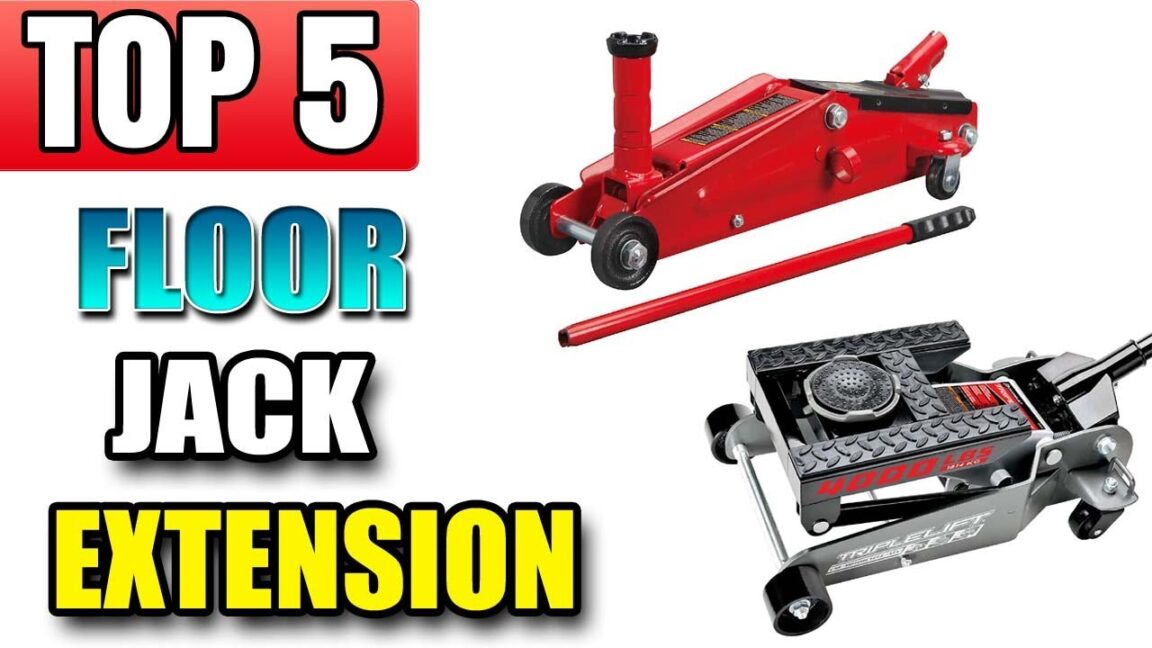
Floor Jack Extension for Lifted Trucks: The Ultimate Guide to Safe and Effective Lifting
Lifted trucks offer an undeniable appeal, combining enhanced off-road capability with an imposing presence on the road. However, this increased ground clearance, while beneficial for tackling rugged terrain, introduces a unique challenge when it comes to routine maintenance or emergency repairs: traditional floor jacks simply don’t reach high enough. This is where the often-overlooked, yet critically important, floor jack extension for lifted trucks steps in as an indispensable tool.
This comprehensive guide will delve into everything you need to know about these essential accessories. We’ll explore why they are necessary, the different types available, how to choose the right one, and most importantly, how to use them safely and effectively to ensure your lifted truck remains stable and secure during any lifting operation.
Why Standard Jacks Fall Short for Lifted Trucks
The fundamental problem for lifted truck owners is physics. A standard automotive floor jack is designed with a specific minimum and maximum lift height, catering to the average ground clearance of factory-height vehicles. When you add a lift kit, larger tires, or both, your truck’s frame, axles, and other crucial lift points are elevated significantly.
Imagine trying to change a flat tire on your 6-inch lifted truck with a standard 18-inch maximum lift jack. By the time the jack’s saddle makes contact with the frame, it might already be near its maximum extension, or worse, not even close to lifting the tire off the ground. Attempting to use a standard jack in such a scenario often leads to:
- Insufficient Lift Height: The jack simply cannot raise the truck high enough to clear the tire or perform undercarriage work.
- Instability: Forcing a jack to its absolute limit, or using makeshift solutions like wood blocks, significantly compromises stability, creating a dangerous situation where the truck could slip or fall.
- Damage to the Jack: Operating a jack at its extreme limits, or using it at an awkward angle, can strain its hydraulic system and structural components, leading to premature failure.
- Risk of Injury: The most severe consequence of improper lifting is the potential for serious injury or even fatality if the vehicle shifts or collapses.
This highlights the critical need for a specialized solution, and that solution is a purpose-built floor jack extension.
Understanding Floor Jack Extensions
A floor jack extension is an accessory designed to increase the effective lift height of your existing floor jack. It acts as an intermediary component, typically fitting into or over the jack’s saddle (the part that makes contact with the vehicle) or extending the main lifting arm. The primary goal is to bridge the gap between your jack’s standard maximum height and the elevated lift points of your lifted truck, allowing for a secure and stable point of contact.
These extensions are engineered to handle the substantial weight of trucks, often constructed from high-strength steel or durable, reinforced materials. They are not merely "spacers" but carefully designed tools that integrate with your jack to maintain structural integrity during the lifting process.
Types of Floor Jack Extensions
Not all extensions are created equal, and understanding the different types will help you choose the best fit for your needs and your specific floor jack.
- Saddle Adapters/Extensions: These are the most common type. They typically feature a male fitting that inserts directly into your floor jack’s existing saddle cup, and a female cup or flat pad on top where the truck’s frame or axle rests. They come in various heights and often include a rubber pad for grip and to prevent scratching.
- Extension Pillars/Tubes: Less common for standard floor jacks, but sometimes seen with specialized high-lift service jacks. These are essentially longer lifting arms or columns that replace or extend the original. They offer significant height but require specific jack compatibility.
- Specialized Lift Pads/Blocks: While not strictly "extensions," these heavy-duty rubber or polyurethane blocks can be placed on top of a saddle adapter or directly on a large, flat jack saddle. They add a few inches of height, provide excellent grip, and protect the vehicle’s frame from metal-on-metal contact. They are often used in conjunction with saddle adapters for even more lift.
- Pin-Style Extensions: Some heavy-duty floor jacks feature a pin-locking mechanism for their saddle. Extensions for these jacks will often utilize a similar pin to secure themselves firmly, preventing rotation or accidental dislodgement.
Key Benefits of Using Floor Jack Extensions
Investing in a quality floor jack extension for your lifted truck offers a multitude of advantages:
- Enhanced Safety: This is paramount. A properly selected and used extension ensures a stable, secure contact point between the jack and the truck, significantly reducing the risk of slippage or instability during lifting.
- Optimal Lift Height: Achieve the necessary clearance to perform tire changes, suspension work, or undercarriage inspections without straining your jack or resorting to unsafe methods.
- Preserves Your Equipment: By allowing your jack to operate within its intended range and at a proper angle, an extension reduces wear and tear on its hydraulic components and frame.
- Cost-Effectiveness: Rather than purchasing an entirely new, expensive high-lift jack, an extension allows you to leverage your existing quality floor jack for your lifted vehicle.
- Versatility: Many extensions are designed to be easily removable, allowing you to use your jack for both lifted and standard-height vehicles.
- Professional Results: Proper lifting leads to more efficient and safer work, giving you confidence in your DIY repairs or maintenance.
How to Choose the Right Floor Jack Extension
Selecting the correct extension is crucial for safety and functionality. Consider these factors:
- Compatibility with Your Floor Jack:
- Saddle Cup Diameter: The most critical measurement. You need an extension with a male fitting that perfectly matches the inside diameter of your jack’s saddle cup. Measure carefully!
- Weight Capacity: Ensure the extension’s stated capacity (if any) is equal to or greater than your floor jack’s capacity. The combined system should never exceed the lowest rated component.
- Required Lift Height:
- Measure the distance from the ground to your truck’s frame or axle lift point.
- Subtract your jack’s unextended maximum lift height. The difference is the minimum additional height your extension needs to provide. Factor in a few extra inches for working room.
- Material and Construction:
- High-Strength Steel: The preferred material for durability and weight capacity. Look for robust welds and a quality finish.
- Solid Construction: Avoid flimsy designs. The extension should feel solid and substantial.
- Rubber Pads: Essential for grip and protecting your truck’s frame. Ensure they are thick and durable.
- Stability and Design:
- Wide Base/Contact Point: A wider top surface on the extension distributes weight better and provides a more stable contact with the truck’s frame.
- Anti-Slip Features: Grooves, ridges, or robust rubber pads help prevent the truck from slipping off the extension.
- Locking Mechanism (if applicable): Some extensions have pins or bolts to secure them to the jack, enhancing safety.
- Reviews and Brand Reputation: Opt for reputable brands known for producing quality automotive tools. Read user reviews to gauge real-world performance and durability.
Safe Usage Guide: Lifting Your Lifted Truck with an Extension
Safety must be your top priority when lifting any vehicle, especially a heavy, lifted truck. Follow these steps meticulously:
- Preparation and Pre-Lift Inspection:
- Read Manuals: Familiarize yourself with both your floor jack’s and your extension’s instruction manuals.
- Inspect Equipment: Before each use, thoroughly inspect your jack, extension, and jack stands for any signs of damage, cracks, leaks, or wear. Never use damaged equipment.
- Level Surface: Always park your truck on a firm, level, and stable surface. Concrete is ideal. Avoid gravel, dirt, or sloped areas.
- Engage Parking Brake: Fully engage your truck’s parking brake.
- Chock Wheels: Place wheel chocks securely on the wheels that will remain on the ground, on both sides, to prevent any movement.
- Remove Obstacles: Clear the work area of any tripping hazards or obstructions.
- Positioning the Jack and Extension:
- Attach Extension: Securely attach the floor jack extension to your floor jack’s saddle according to the manufacturer’s instructions. Ensure it sits firmly and does not wobble.
- Identify Lift Points: Consult your truck’s owner’s manual or a service guide to identify the approved frame or axle lift points. These are usually reinforced areas designed to safely support the vehicle’s weight. Never lift by suspension components, bumpers (unless specifically designed for it), or sheet metal.
- Position Jack: Roll the floor jack with the extension into position directly under the chosen lift point. Ensure the jack’s handle is in a position that allows you to operate it smoothly without obstruction.
- Lifting the Vehicle:
- Slow and Controlled: Begin slowly raising the jack. Monitor the extension’s contact with the truck’s frame or axle. It should sit squarely and stably.
- Check Stability: As the truck begins to lift, periodically pause and gently rock the vehicle (if safe to do so) to ensure stability. If you notice any shifting, stop immediately, lower the truck, and re-evaluate your setup.
- Lift Just Enough: Raise the truck only as high as necessary to perform the required work. Over-lifting can reduce stability.
- CRUCIAL: ALWAYS Use Jack Stands:
- Never rely on a floor jack (even with an extension) to support a lifted truck. A floor jack is designed for lifting, not sustained holding.
- Position Jack Stands: Once the truck is at the desired height, immediately place appropriately rated jack stands under solid frame points or axles, close to the jack but not obstructing your work. Ensure the jack stands are on a stable, level surface.
- Lower onto Stands: Slowly and carefully lower the truck until its weight rests securely on the jack stands. The floor jack should then be slightly relieved of pressure or completely removed, depending on the task.
- Lowering the Vehicle:
- Re-Engage Jack: If removed, reposition the floor jack under the lift point and raise the truck slightly to take the weight off the jack stands.
- Remove Jack Stands: Carefully remove the jack stands from under the vehicle.
- Slow Descent: Slowly open the jack’s release valve to lower the truck smoothly and controllably back to the ground.
- Remove Jack and Chocks: Once fully on the ground, remove the floor jack and wheel chocks.
Maintenance and Care for Your Extension
Proper care will ensure your floor jack extension remains safe and reliable for years:
- Clean After Use: Wipe off any dirt, grease, or debris.
- Inspect Regularly: Check for cracks, bends, rust, or any signs of damage to the metal or rubber pads.
- Store Properly: Keep the extension in a dry place, away from extreme temperatures and corrosive chemicals.
Potential Challenges and Solutions
- Stability Issues: Ensure the extension fits snugly into your jack’s saddle, the truck’s lift point is flat and secure, and you’re working on a level surface. A wider contact pad on the extension can also help.
- Weight Capacity Exceeded: Always verify your jack’s and extension’s weight limits. Never attempt to lift a truck that exceeds these limits.
- Finding the Right Fit: Meticulously measure your jack’s saddle cup diameter before purchasing. When in doubt, contact the extension manufacturer for compatibility information.
- Cost vs. Quality: While it might be tempting to save money, a cheap, poorly constructed extension is a safety hazard. Invest in a high-quality, reputable product.
Practical Advice and Actionable Insights
- Never Improvise: Do not use wood blocks, bricks, or other unstable materials as extensions. They are prone to cracking, slipping, and catastrophic failure.
- Buy for Your Heaviest Vehicle: Choose an extension (and jack) that can safely lift your heaviest vehicle, even if you primarily work on a lighter one.
- Practice Makes Perfect: If you’re new to lifting, practice in a controlled environment without the pressure of an emergency.
- Double-Check Everything: Before you go under the truck, take a moment to double-check your jack stands, chocks, and the stability of the entire setup. Your life depends on it.
- Consider a High-Lift Jack: For extreme lifts or very heavy trucks, you might eventually consider a dedicated high-lift floor jack or a specialized bottle jack designed for heavy trucks, but an extension offers a great interim solution.
Conclusion
For owners of lifted trucks, a high-quality floor jack extension for lifted trucks is not merely a convenience; it is a fundamental safety device. It bridges the critical gap between your standard lifting equipment and the elevated undercarriage of your vehicle, enabling safe, stable, and effective maintenance or repairs. By understanding the types available, making an informed choice based on compatibility and lift requirements, and rigorously adhering to safety protocols, you empower yourself to tackle vehicle work with confidence. Remember, the investment in the right tools and knowledge is an investment in your safety and the longevity of your prized lifted truck.
Table: Floor Jack Extension for Lifted Trucks – Price Guide
| Product Name / Type | Material | Max Extension Height | Compatibility (Saddle Dia.) | Features | Price Range (USD) |
|---|---|---|---|---|---|
| Basic Saddle Adapter | High-Strength Steel | 3-6 inches | 1.25" – 1.5" | Rubber top pad, Anti-slip grooves | $30 – $60 |
| Heavy-Duty Saddle Ext. | Hardened Steel | 6-10 inches | 1.25" – 1.75" | Reinforced base, Thick rubber pad, Wide contact | $60 – $120 |
| Multi-Stage Ext. Kit | Steel / Aluminum | 8-15 inches (adj.) | 1.5" – 2.0" | Stackable sections, Pin-lock security, Rubber pad | $100 – $250 |
| Large Rubber Lift Block | Solid Rubber/Polyur. | 2-4 inches | Universal (on existing saddle) | High grip, Frame protection, Crush resistant | $20 – $50 (each) |
| Pin-Lock Style Adapter | Forged Steel | 5-8 inches | Specific (e.g., 1.3" pin) | Secure pin lock, Rotational stability, Rubber pad | $70 – $150 |
Note: Prices are approximate and can vary based on brand, retailer, specific features, and market conditions. Always verify compatibility and specifications before purchase.
Frequently Asked Questions (FAQ) about Floor Jack Extensions for Lifted Trucks
Q1: Can I just use wood blocks or bricks instead of a floor jack extension?
A1: Absolutely not. Using wood blocks, bricks, or any other non-engineered material is extremely dangerous. These materials can crack, split, compress unevenly, or slip, leading to catastrophic failure and severe injury or death. Always use a purpose-built, rated floor jack extension.
Q2: Are all floor jack extensions universal?
A2: No. The most critical compatibility factor is the diameter of your floor jack’s saddle cup. Extensions are designed to fit specific saddle sizes. Always measure your jack’s saddle cup diameter carefully before purchasing an extension.
Q3: How much additional lift height do I need from an extension?
A3: To determine this, measure the distance from the ground to your truck’s lowest approved lift point (e.g., frame rail or axle). Then, check your floor jack’s maximum unextended lift height. The difference between these two measurements, plus a few extra inches for working clearance, will tell you the minimum additional height your extension should provide.
Q4: Do I still need to use jack stands if I’m using a floor jack extension?
A4: YES, without exception. A floor jack, even with an extension, is designed for lifting, not for supporting a vehicle for an extended period or while you work underneath it. Jack stands are specifically designed to safely support a vehicle’s weight. Always place properly rated jack stands under your truck once it’s lifted, and lower the truck onto the stands before performing any work.
Q5: Does using an extension reduce my floor jack’s weight capacity?
A5: While the extension itself has a weight capacity, the overall system’s capacity is limited by the component with the lowest rating. So, if your jack is rated for 3 tons and your extension is also rated for 3 tons, your system’s capacity remains 3 tons. However, using an extension can place different stresses on the jack. Always ensure the extension is robust and designed for the weight it will bear, and never exceed your floor jack’s original weight capacity.
Q6: Can I stack multiple extensions or use an extension with a bottle jack?
A6: Stacking multiple extensions or combining different types (unless explicitly designed as a multi-stage kit) is generally not recommended as it can compromise stability. While some extensions are designed for bottle jacks, ensure the extension is specifically compatible with a bottle jack and its design for safe use. Always prioritize stability and manufacturer recommendations.
Q7: Where can I find reliable floor jack extensions for lifted trucks?
A7: You can find reliable floor jack extensions at reputable automotive tool suppliers, specialty truck accessory stores, and online retailers. When searching, use keywords like "floor jack extension for lifted trucks" to find suitable options.