Factory Lifted Trucks: The OEM Path to Elevated Performance and Presence
Factory Lifted Trucks: The OEM Path to Elevated Performance and Presence
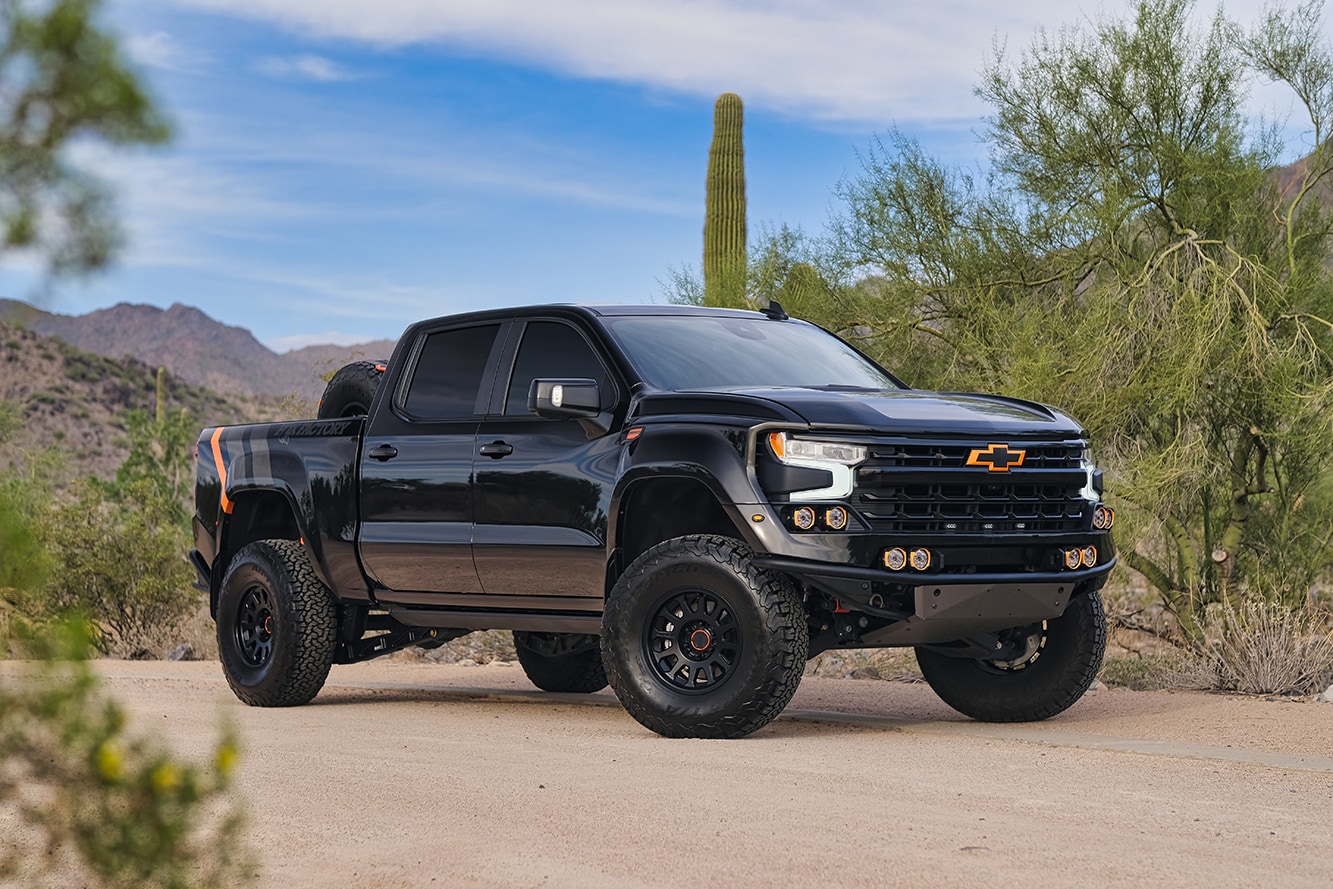
In the ever-evolving landscape of pickup trucks, a significant trend has emerged that blends rugged capability with the assurance of manufacturer-backed quality: factory lifted trucks. These aren’t merely standard trucks that have had aftermarket lift kits bolted on; rather, they are vehicles engineered, tested, and sold directly by the manufacturer with an integrated suspension lift and often other performance enhancements. For buyers seeking an aggressive stance, enhanced off-road prowess, and the peace of mind that comes with a full factory warranty, factory lifted trucks represent a compelling and increasingly popular option.
This comprehensive guide will delve into the world of factory lifted trucks, exploring what sets them apart, the benefits they offer, crucial considerations for potential buyers, and what you can expect from this growing segment of the automotive market.
Understanding Factory Lifted Trucks
At its core, a factory lifted truck is a vehicle whose suspension system has been modified by the original equipment manufacturer (OEM) or an authorized partner, resulting in increased ground clearance and a taller, more commanding presence. Unlike aftermarket lift kits, which are installed post-purchase by third-party shops or individuals, factory lifts are part of the truck’s original design and assembly process.
Key characteristics that define factory lifted trucks include:
- OEM Engineering: The lift components (shocks, springs, control arms, etc.) are specifically designed, tuned, and tested by the manufacturer to integrate seamlessly with the truck’s chassis, steering, and braking systems. This ensures optimal performance and safety.
- Warranty Protection: A major differentiator, the suspension lift and associated components are covered under the vehicle’s standard factory warranty, eliminating concerns about voiding coverage that often arise with aftermarket modifications.
- Integrated Design: Beyond just a lift, factory lifted trucks often come with other complementary features such as larger, more aggressive all-terrain tires, specific wheel designs, underbody skid plates, unique badging, and even recalibrated speedometer/odometer readings to account for larger tires.
- Compliance: These trucks are designed to meet all federal and state safety and emissions regulations as they leave the factory.
This holistic approach means that factory lifted trucks offer a level of refinement and reliability that can be challenging to achieve with many aftermarket setups, providing a turn-key solution for those who want enhanced capability without compromise.
The Benefits of Choosing a Factory Lifted Truck
Opting for a factory lifted truck comes with a host of advantages that make them an attractive proposition for a wide range of truck buyers:
- Uncompromised Warranty: This is arguably the most significant benefit. Any issues related to the lifted suspension components are covered by the manufacturer’s warranty, offering substantial peace of mind and protecting your investment.
- Superior Engineering and Integration: Manufacturers invest heavily in R&D to ensure their lifted vehicles perform optimally. The suspension components are matched to the truck’s weight, intended use, and existing systems, leading to a balanced ride, predictable handling, and enhanced durability.
- Enhanced Safety and Reliability: Rigorous testing by the OEM ensures that the lifted truck maintains its structural integrity, braking performance, and handling characteristics under various conditions. This reduces the risks associated with improper aftermarket installations.
- Increased Off-Road Capability: The primary functional benefit of a lift is increased ground clearance, which allows the truck to navigate rougher terrain, clear obstacles, and improve approach, departure, and break-over angles. Larger tires further enhance traction and capability.
- Commanding Aesthetics: There’s no denying the visual impact of a lifted truck. Factory lifted trucks offer an aggressive, imposing stance directly from the showroom floor, satisfying the desire for a distinctive and powerful look.
- Convenience and Time Savings: Buyers can drive off the lot with a fully capable, lifted truck without the need for additional research, installation, or potential downtime associated with aftermarket modifications.
- Potentially Better Resale Value: Because the modifications are OEM-approved and backed by a warranty, factory lifted trucks can sometimes command a higher resale value compared to a standard truck with an aftermarket lift, which might be viewed with more skepticism by future buyers.
Key Considerations Before Buying Factory Lifted Trucks
While the advantages are compelling, prospective buyers should consider several factors before committing to a factory lifted truck:
- Higher Purchase Price: Generally, factory lifted trucks come with a premium over their standard counterparts. This extra cost covers the specialized components, engineering, and warranty.
- Fuel Economy Impact: The combination of increased ride height (which affects aerodynamics) and larger, heavier, often more aggressive tires typically results in a measurable decrease in fuel efficiency.
- On-Road Handling Characteristics: While engineered for balance, a higher center of gravity can subtly alter a truck’s handling dynamics, particularly at higher speeds or during evasive maneuvers. It’s crucial to test drive and get a feel for the truck’s road manners.
- Garage and Clearance Issues: The increased height might make fitting the truck into standard garages, parking structures, or drive-thrus a challenge. Always measure your typical clearances.
- Accessibility: Entry and exit can be more difficult for some individuals due to the taller stance. Running boards or power deployable steps are often included or highly recommended.
- Intended Use: Reflect on how you’ll primarily use the truck. If you rarely venture off-road and primarily seek aesthetics, weigh the cost and fuel economy impact against your priorities.
Leading Manufacturers and Their Factory Lifted Offerings
The market for factory lifted trucks has expanded significantly, with most major manufacturers offering their own distinct lines. Here are some prominent examples:
- Ford: Known for its legendary F-Series, Ford offers the Tremor (F-150, Super Duty) which includes an off-road tuned suspension with increased ride height, larger tires, and advanced off-road tech. The Raptor models (F-150, Bronco) are extreme performance off-roaders with substantial lifts, long-travel suspensions, and powerful engines.
- Ram: Ram’s Rebel trim provides a factory lift, often with air suspension options, and off-road tires. The ultimate expression is the Ram 1500 TRX, a supercharged monster with an aggressive 2-inch lift, wide fenders, and a sophisticated suspension system.
- Chevrolet: Chevy offers the Trail Boss (Silverado, Colorado) with a 2-inch factory lift, Z71 off-road package, and aggressive tires. The ZR2 models (Silverado, Colorado) take it further with advanced Multimatic DSSV dampers, increased lift, and enhanced protection.
- Toyota: The TRD Pro series (Tacoma, Tundra, 4Runner, Sequoia) provides a dedicated off-road package including Fox or Bilstein shocks, unique spring tuning for a modest lift, skid plates, and distinct styling.
- Nissan: The PRO-4X trim on the Titan and Frontier includes an off-road tuned suspension with a slight lift, all-terrain tires, and electronic locking rear differential.
Each manufacturer tailors its offerings to specific performance goals, from mild capability enhancements to extreme desert running machines, all while maintaining the integrity of a factory-backed product.
Maintenance and Care Tips for Factory Lifted Trucks
While factory lifted trucks are designed for durability, their specialized components warrant specific attention:
- Regular Suspension Checks: Periodically inspect shocks, springs, control arms, and bushings for wear, damage, or leaks, especially if you frequently go off-road.
- Tire Care: Larger, often heavier, all-terrain tires require regular rotation, balancing, and pressure checks to ensure even wear and longevity. Follow the manufacturer’s recommended pressures for the specific tires.
- Alignment: Any lifted vehicle can be more sensitive to alignment issues. Have your alignment checked regularly, especially after hard off-road use, to prevent premature tire wear and maintain handling.
- Undercarriage Cleaning: If you venture off-road, thoroughly clean the undercarriage to remove mud, dirt, and debris that can trap moisture and accelerate corrosion.
- Fluid Checks: Pay attention to differentials, transfer cases, and transmission fluids, particularly if the truck is regularly stressed by towing or off-road activities.
- Know Your Limits: Understand the capabilities of your specific factory lift and avoid pushing the truck beyond its engineered limits to prevent damage.
Practical Advice for Aspiring Owners
- Test Drive Multiple Options: The ride quality and handling can vary significantly between different factory lifted trucks. Test drive several models to find one that best suits your preferences and driving style.
- Assess Your True Needs: Be honest about how much off-roading you’ll actually do. If it’s primarily for aesthetics and light trail use, a modest lift might suffice. If serious rock crawling or desert running is planned, opt for more robust offerings.
- Compare Warranties: While all factory lifts are warranted, the specifics can vary. Understand what’s covered and for how long.
- Factor in Long-Term Costs: Beyond the purchase price, consider the ongoing costs of fuel, potentially more expensive tires, and specialized maintenance.
- Research Specific Models: Dive deep into reviews and owner forums for the specific factory lifted truck you’re considering. Learn about common issues, real-world fuel economy, and owner satisfaction.
Price Table: Illustrative Factory Lifted Truck Options (Estimated MSRP Ranges)
| Truck Model (Trim) | Estimated MSRP Range (USD) | Approx. Factory Lift Height | Key Suspension Features | Typical Tire Size |
|---|---|---|---|---|
| Ford F-150 Tremor | $55,000 – $70,000 | ~1-2 inches over standard | Off-road tuned shocks, unique front/rear springs | 33-inch All-Terrain |
| Ram 1500 Rebel | $50,000 – $65,000 | ~1 inch (or air suspension) | Bilstein shocks, unique spring rates, optional air suspension | 33-inch All-Terrain |
| Chevrolet Silverado Trail Boss | $48,000 – $60,000 | 2 inches | Z71 off-road suspension, monotube shocks | 32-inch All-Terrain |
| Toyota Tacoma TRD Pro | $49,000 – $55,000 | ~1.5 inches front, 0.5 rear | Fox internal bypass shocks, TRD-tuned springs | 31.5-inch All-Terrain |
| Ford F-150 Raptor | $78,000 – $110,000+ | ~2.5 inches over standard | FOX Live Valve shocks, long-travel suspension | 35-37 inch All-Terrain |
| Ram 1500 TRX | $90,000 – $115,000+ | ~2 inches over standard | Bilstein Black Hawk e2 shocks, adaptive damping | 35-inch All-Terrain |
| Chevrolet Colorado ZR2 | $48,000 – $55,000 | ~2 inches over standard | Multimatic DSSV shocks, wider track | 31-inch All-Terrain |
| Nissan Titan PRO-4X | $55,000 – $65,000 | ~1 inch | Bilstein off-road performance shocks | 32-inch All-Terrain |
Note: Prices are estimated MSRP and can vary significantly based on trim, options, dealer markups, and market conditions. Lift heights are approximate and relative to standard models.
Frequently Asked Questions (FAQ) about Factory Lifted Trucks
Q: Are factory lifted trucks covered by a warranty?
A: Yes, this is one of their primary benefits. The lift components and any associated modifications are covered under the vehicle’s standard factory warranty.
Q: Do factory lifted trucks ride differently than standard trucks?
A: Absolutely. While engineered for balance, the higher center of gravity, specialized suspension tuning, and larger tires will typically result in a firmer or more controlled ride, especially on-road. Off-road, they are designed to perform better.
Q: Can I add more lift to a factory lifted truck?
A: Yes, you can add aftermarket components to further lift a factory lifted truck. However, doing so will likely void the factory warranty on any affected suspension or driveline components.
Q: Are factory lifted trucks better than aftermarket lifted trucks?
A: It depends on your priorities. Factory lifted trucks offer unparalleled warranty protection, engineered integration, and guaranteed safety/compliance. Aftermarket lifts offer maximum customization and can achieve more extreme lift heights or specific performance goals, but often at the expense of warranty and without OEM testing.
Q: What is the impact on fuel economy?
A: Generally, factory lifted trucks will have lower fuel economy compared to their standard counterparts due to increased aerodynamic drag and the larger, heavier, and more aggressive tires.
Q: Do they require special maintenance?
A: While similar to standard trucks, it’s wise to pay extra attention to suspension component checks, tire rotations/balancing, and alignment, especially if the truck is regularly used for off-roading. Cleaning the undercarriage after off-road excursions is also recommended.
Q: Will a factory lifted truck fit in my garage?
A: You should always measure! Factory lifted trucks are taller. Check the exact height specifications for the model you’re considering against your garage door opening and interior clearance.
Conclusion
Factory lifted trucks represent a maturing segment of the automotive market, offering a compelling blend of aggressive aesthetics, enhanced off-road capability, and the invaluable peace of mind that comes with OEM engineering and warranty backing. For those who desire a commanding presence and the freedom to tackle more challenging terrain without venturing into the aftermarket, these trucks provide a ready-made solution.
By understanding their unique benefits, considering the practical implications, and exploring the diverse offerings from leading manufacturers, buyers can confidently choose a factory lifted truck that perfectly aligns with their adventurous spirit and practical needs. They are more than just trucks with a lift; they are purpose-built machines designed to elevate your driving experience, both on and off the pavement.