Front Lifted Trucks: A Comprehensive Guide to Enhancing Your Vehicle’s Stance and Capability
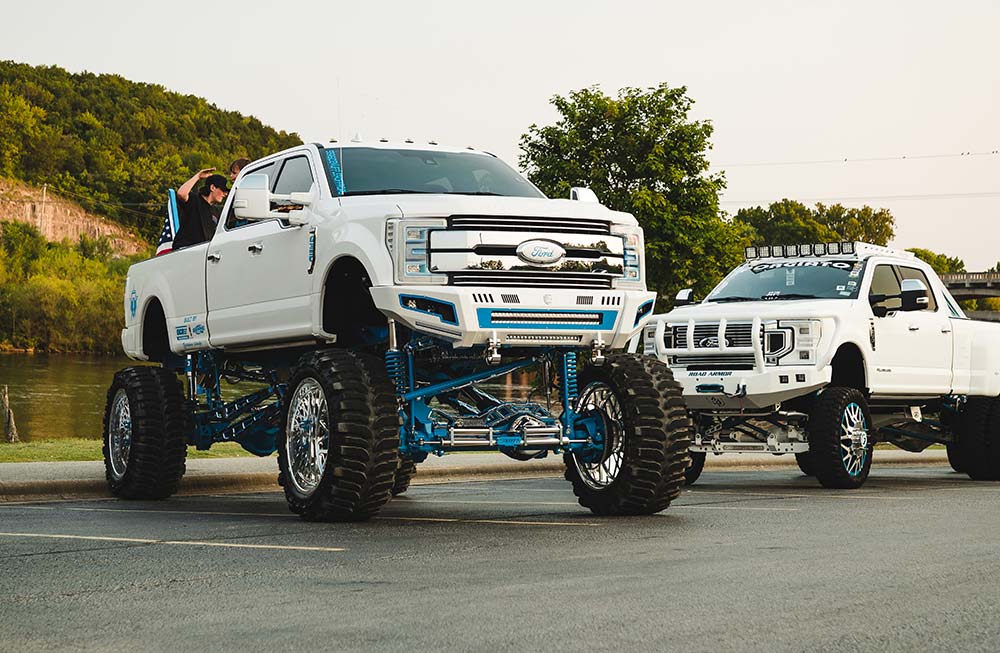
Front Lifted Trucks: A Comprehensive Guide to Enhancing Your Vehicle’s Stance and Capability
In the vast and varied world of automotive customization, few modifications make as immediate and striking an impact as lifting a truck. Among the myriad options, the trend of front lifted trucks has surged in popularity, offering a blend of aesthetic enhancement and practical utility. But what exactly does it mean to "front lift" a truck, and why are so many truck owners opting for this specific modification?
This comprehensive guide will delve deep into the phenomenon of front lifted trucks, exploring everything from the underlying principles and various types of kits to the benefits, challenges, and essential considerations for anyone looking to transform their vehicle.
What Exactly Are Front Lifted Trucks?
At its core, a front lifted truck refers to a vehicle whose front suspension has been raised, typically by a modest amount (1 to 3 inches), to achieve a more level stance with the rear of the truck. Most factory trucks come with what’s known as "rake" – the rear of the vehicle sits slightly higher than the front. This design is intentional, allowing the truck to handle the weight of heavy loads or trailers without the rear squatting excessively, which could compromise handling and headlight aim.
However, for many truck owners who rarely haul heavy loads or simply prefer a more aggressive, balanced look, this factory rake is undesirable. Front lifted trucks primarily utilize "leveling kits" or specific front-only lift components to eliminate or reduce this rake, making the truck appear more uniform from front to back. While a full lift kit raises both the front and rear significantly, a front lift specifically targets the front end to achieve that desired level appearance, often to accommodate slightly larger tires without interfering with the wheel wells.
Why Lift the Front of Your Truck? (Benefits)
The decision to modify the front suspension of your truck isn’t purely cosmetic, although aesthetics play a significant role. Here are the key benefits:
- Enhanced Aesthetics: This is arguably the primary driver for most owners. Eliminating the factory rake gives the truck a more aggressive, balanced, and commanding presence. It looks "right" to many, exuding a custom, purpose-built feel.
- Accommodate Larger Tires: Even a small front lift can provide crucial clearance for fitting larger diameter tires, which further enhances the truck’s aggressive look and can improve off-road capability by increasing ground clearance.
- Improved Approach Angle (Off-Road): By raising the front, you increase the approach angle of the vehicle. This is critical for off-road enthusiasts as it reduces the likelihood of scraping the front bumper or undercarriage when ascending steep inclines or navigating obstacles.
- Better Visibility: A slightly higher driving position can offer an improved vantage point, enhancing visibility over traffic and terrain.
- Perceived Stability: While not always a true performance enhancement without further suspension tuning, a level stance often gives drivers a feeling of greater stability and control.
Types of Front Lifting Solutions
When it comes to achieving that coveted level stance, several types of front lifting solutions are available, each with its own characteristics, costs, and installation complexities. Understanding these will help you choose the best option for your front lifted trucks project.
-
Spacer Leveling Kits:
- Description: These are the most common and cost-effective solutions. Spacers are typically installed on top of or below the factory strut assembly (for independent front suspension) or above the coil spring (for coil-sprung solid axles). They simply extend the length of the existing suspension components, effectively raising the front.
- Pros: Inexpensive, relatively easy to install, maintains factory ride quality (to a degree).
- Cons: Can sometimes limit down-travel, doesn’t improve shock performance, can put additional stress on ball joints and CV axles if the lift is too high.
- Typical Lift: 1 to 2.5 inches.
-
Torsion Key Leveling Kits:
- Description: Applicable to trucks with torsion bar front suspensions (common in older models and some current heavy-duty trucks). Torsion keys are splined components that attach to the torsion bars. Replacing factory keys with aftermarket "re-indexed" keys or simply tightening the existing keys allows you to increase tension on the torsion bars, raising the front end.
- Pros: Affordable, straightforward installation.
- Cons: Can significantly stiffen the ride quality, may accelerate wear on ball joints and tie rods, limited lift amount without severe CV angle issues.
- Typical Lift: 1 to 2 inches.
-
Adjustable Coilovers (Front Only):
- Description: These replace the entire factory strut and spring assembly with an aftermarket, often higher-performance, coilover unit. Many adjustable coilovers feature threaded bodies that allow you to fine-tune the ride height within a specific range.
- Pros: Significantly improved ride quality and performance (especially off-road), adjustable lift height, often designed for durability.
- Cons: More expensive, more complex installation than spacers, may require professional tuning.
- Typical Lift: 1 to 3 inches (adjustable).
-
Full Suspension Lift Kits (Front Components):
- Description: While not strictly "front lifted," many full suspension kits include specific components to raise the front significantly as part of a larger lift. These often involve drop-down subframes, longer steering knuckles, extended brake lines, and sometimes new control arms.
- Pros: Designed for higher lifts (4+ inches), maintains proper suspension geometry, allows for very large tires.
- Cons: Very expensive, complex installation, drastically alters vehicle dynamics, often requires significant modifications to fit.
Choosing the Right Front Lift for Your Truck
Selecting the ideal front lift involves weighing your goals, budget, and vehicle specifications.
- Define Your Goals: Are you primarily after aesthetics, fitting larger tires, or improving off-road performance?
- Consider Your Budget: Leveling kits are the most economical, while adjustable coilovers and full lift kits represent a greater investment.
- Vehicle Compatibility: Always ensure the kit is specifically designed for your truck’s make, model, and year.
- Ride Quality Preference: If maintaining a plush factory ride is paramount, stick to smaller spacer lifts or invest in high-quality adjustable coilovers.
- Installation: Decide if you’re comfortable with a DIY installation (many leveling kits are manageable) or if you’ll need professional assistance.
Installation Process (General How-To)
While specific steps vary by vehicle and kit, a typical front lift installation (for a spacer leveling kit) follows these general stages:
- Safety First: Park on a level surface, engage the parking brake, chock the rear wheels, and lift the front of the truck with a jack, supporting it securely with jack stands. Remove the front wheels.
- Disassembly: Loosen and remove bolts connecting the lower control arm to the steering knuckle, sway bar end links, and the top nuts holding the strut assembly to the frame. Carefully lower the lower control arm to allow the strut to be removed.
- Install Spacer: Install the spacer on top of the strut assembly, ensuring proper orientation.
- Reassembly: Reinstall the strut assembly, securing the top nuts. Carefully raise the lower control arm to reconnect it to the steering knuckle and reattach the sway bar end links.
- Final Steps: Reinstall the wheels, lower the truck, and torque all bolts to manufacturer specifications.
- CRITICAL STEP: Alignment! After any suspension modification, a professional wheel alignment is absolutely mandatory. This prevents premature tire wear, corrects steering issues, and ensures safe handling.
Important Considerations and Potential Challenges
While the benefits of front lifted trucks are appealing, it’s crucial to be aware of potential drawbacks and necessary precautions:
- Wheel Alignment is Non-Negotiable: A front lift alters suspension geometry. Without proper alignment, you’ll experience uneven tire wear, compromised handling, and an unsafe driving experience.
- Ride Quality Changes: While spacers aim to maintain factory ride, some owners report a slightly stiffer ride, especially with larger lifts. Torsion key lifts almost always result in a harsher ride.
- CV Axle Angles: On independent front suspension (IFS) vehicles, excessive front lift can put stress on the constant velocity (CV) joints by increasing their operating angle. This can lead to premature wear and failure. Choose a lift height that minimizes this angle.
- Warranty Concerns: Modifying the suspension can potentially void portions of your vehicle’s factory warranty related to driveline and suspension components. Consult your dealer.
- Headlight Aim: Raising the front of the truck will point your headlights upwards, potentially blinding oncoming drivers. Always readjust your headlight aim after a lift.
- Towing/Hauling Dynamics: While a front lift levels the truck for daily driving, remember that once you hitch up a heavy trailer or load the bed, the rear will still squat. This can reverse the rake, potentially leading to instability or headlight issues. Consider air springs or heavier duty rear springs if you frequently tow or haul with a front lifted truck.
- Legality: Check local and state laws regarding maximum vehicle lift height and bumper height.
Tips for Maintaining Your Front Lifted Truck
- Regular Inspections: Periodically check all suspension components (bushings, ball joints, tie rods, shocks, springs) for wear, damage, or loose bolts.
- Alignment Checks: Get your alignment checked annually or if you notice any uneven tire wear or steering issues.
- Tire Rotation: Regular tire rotation is even more important with modified suspensions to ensure even wear.
- Understand Your Components: Familiarize yourself with how your specific lift kit works and what maintenance it might require.
Practical Advice and Actionable Insights
For anyone considering a front lift for their truck:
- Do Your Homework: Research kits specific to your truck model and read reviews from other owners.
- Set a Realistic Budget: Don’t just factor in the kit’s cost; include professional installation (if needed), alignment, and potentially new tires.
- Prioritize Quality: Cheaper isn’t always better. Investing in a reputable brand can save you headaches and costs down the road.
- Consider Future Modifications: If you plan on a full suspension lift later, some leveling kits might be a waste of money in the interim.
- Professional Installation & Alignment: If you’re not experienced with suspension work, leave installation to the pros. Always, always get a professional alignment afterward.
Conclusion
Front lifted trucks represent a popular and effective way to customize a vehicle, offering a compelling blend of aesthetic appeal and functional improvements. From achieving a striking level stance to accommodating larger tires and improving off-road approach angles, the benefits are clear. However, it’s a modification that requires careful consideration of the various types of kits, potential challenges to ride quality and component wear, and the critical need for proper alignment. By understanding these aspects, truck owners can confidently embark on their journey to create a more personalized, capable, and visually appealing vehicle. For more detailed insights into specific kits and installation guides, you can always learn more about front lifted trucks here.
Estimated Price Table: Complete Information on Front Lifted Truck Solutions
Please note: Prices are highly variable based on truck make/model, brand, region, and installation costs. These are estimated ranges for the kit itself, excluding installation unless specified.
| Type of Lift Solution | Components Included | Estimated Price Range (Kit Only) | Key Features & Considerations |
|---|---|---|---|
| Spacer Leveling Kit | 2x Strut Spacers (top or bottom mount), Hardware | $50 – $250 | Pros: Most affordable, easiest DIY installation, maintains factory ride (mostly). Cons: Doesn’t improve performance, can stress CV joints at higher lifts, minimal component upgrade. Ideal for aesthetics & minor tire clearance. |
| Torsion Key Leveling Kit | 2x Re-indexed Torsion Keys, Hardware (sometimes new shocks) | $100 – $300 | Pros: Affordable for torsion bar trucks, relatively simple. Cons: Can stiffen ride significantly, may accelerate wear on front-end components, limited lift range. Best for older trucks with torsion bars, where ride quality is less of a concern. |
| Adjustable Coilovers (Front Only) | 2x Complete Coilover Assemblies (springs, shocks, adjustable body), Hardware | $500 – $2,000+ | Pros: Superior ride quality and performance, highly adjustable lift height, often rebuildable. Cons: Significant investment, professional installation often recommended, requires tuning. Best for performance enthusiasts, off-roaders, or those prioritizing ride comfort and adjustability. |
| Full Suspension Lift Kit (Front Components) | Drop-down subframe, new knuckles, extended brake lines, longer shocks/coilovers, new control arms, hardware | $1,500 – $5,000+ | Pros: Allows for significant lift (4+ inches), maintains proper suspension geometry, accommodates very large tires. Cons: Very expensive, complex and lengthy installation, drastically alters vehicle dynamics, may require additional driveline modifications. For serious off-roading or extreme aesthetics, but not just "front lifted." |
| Professional Installation | Labor for any of the above kits (varies by region & complexity) | $200 – $1,000+ | Consideration: Crucial for safety and proper function, especially for more complex kits. Ensures all components are correctly torqued and aligned. |
| Wheel Alignment | Post-installation alignment service | $80 – $200 | CRITICAL: Absolutely mandatory after any suspension modification. Prevents tire wear, ensures safe handling. Often a separate cost from installation. |
Frequently Asked Questions (FAQ) About Front Lifted Trucks
Q1: What is the main difference between a "leveling kit" and a "lift kit"?
A1: A leveling kit specifically raises the front of your truck by a smaller amount (typically 1-3 inches) to eliminate the factory "rake" and achieve a level stance. A full lift kit raises both the front and rear of the truck, usually by a larger amount (3+ inches), to increase ground clearance and fit much larger tires.
Q2: Will a front lift affect my truck’s ride quality?
A2: It depends on the type of lift. Simple spacer leveling kits often maintain a close-to-factory ride quality, though some report a slight stiffening. Torsion key lifts generally result in a noticeably stiffer ride. Adjustable coilovers, while more expensive, can significantly improve ride quality and handling.
Q3: Do I need to replace my shocks when I install a front lift?
A3: For smaller leveling kits (1-2 inches), factory shocks are often sufficient, though aftermarket extended-length shocks can improve performance and travel. For lifts over 2 inches, or if your factory shocks are old, it’s highly recommended to upgrade to longer, performance-oriented shocks designed for the increased travel.
Q4: Can I install a front lift myself, or do I need a professional?
A4: Many basic spacer leveling kits are considered DIY-friendly for those with mechanical experience and the right tools (jack, jack stands, torque wrench). However, for torsion keys, adjustable coilovers, or any kit involving significant suspension disassembly, professional installation is recommended to ensure safety and proper functionality.
Q5: Will installing a front lift void my truck’s warranty?
A5: It can potentially void parts of your factory warranty, especially those related to suspension, steering, and driveline components. This varies by manufacturer and dealership. It’s always best to check with your dealership before making modifications.
Q6: What size tires can I fit after a front lift?
A6: A 1.5-2.5 inch front lift typically allows you to fit tires that are 1-2 inches larger in diameter than stock, without rubbing. For example, if your truck came with 31-inch tires, you might be able to fit 33-inch tires. Always research specific tire fitment for your truck’s make, model, and lift height.
Q7: Is a wheel alignment necessary after a front lift?
A7: Absolutely, yes. Any change to your truck’s suspension height will alter its alignment geometry (camber, caster, toe). Skipping an alignment will lead to rapid and uneven tire wear, compromised handling, and potentially unsafe driving conditions.
Q8: Is a front lifted truck bad for my vehicle’s components?
A8: If done correctly (within reasonable lift limits, with proper alignment, and quality components), a front lift should not significantly harm your truck. However, excessive lift (especially with spacer kits on IFS vehicles) can increase the operating angle of CV joints, leading to premature wear. Always choose a lift height appropriate for your vehicle and intended use.
Q9: How much lift do I need to make my truck level?
A9: This varies by truck model and year. Most trucks require between 1.5 and 2.5 inches of front lift to achieve a perfectly level stance. Measure the distance from the center of your wheel to the fender flare on both the front and rear to determine the exact difference.