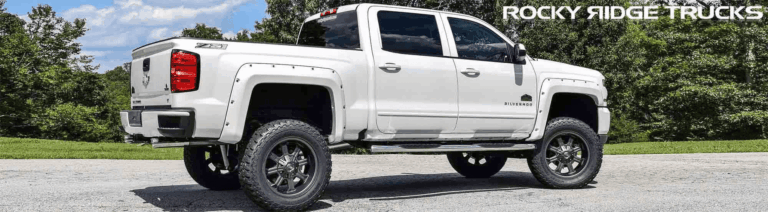
Ford Lifted Trucks: The Ultimate Guide to Elevated Power and Performance
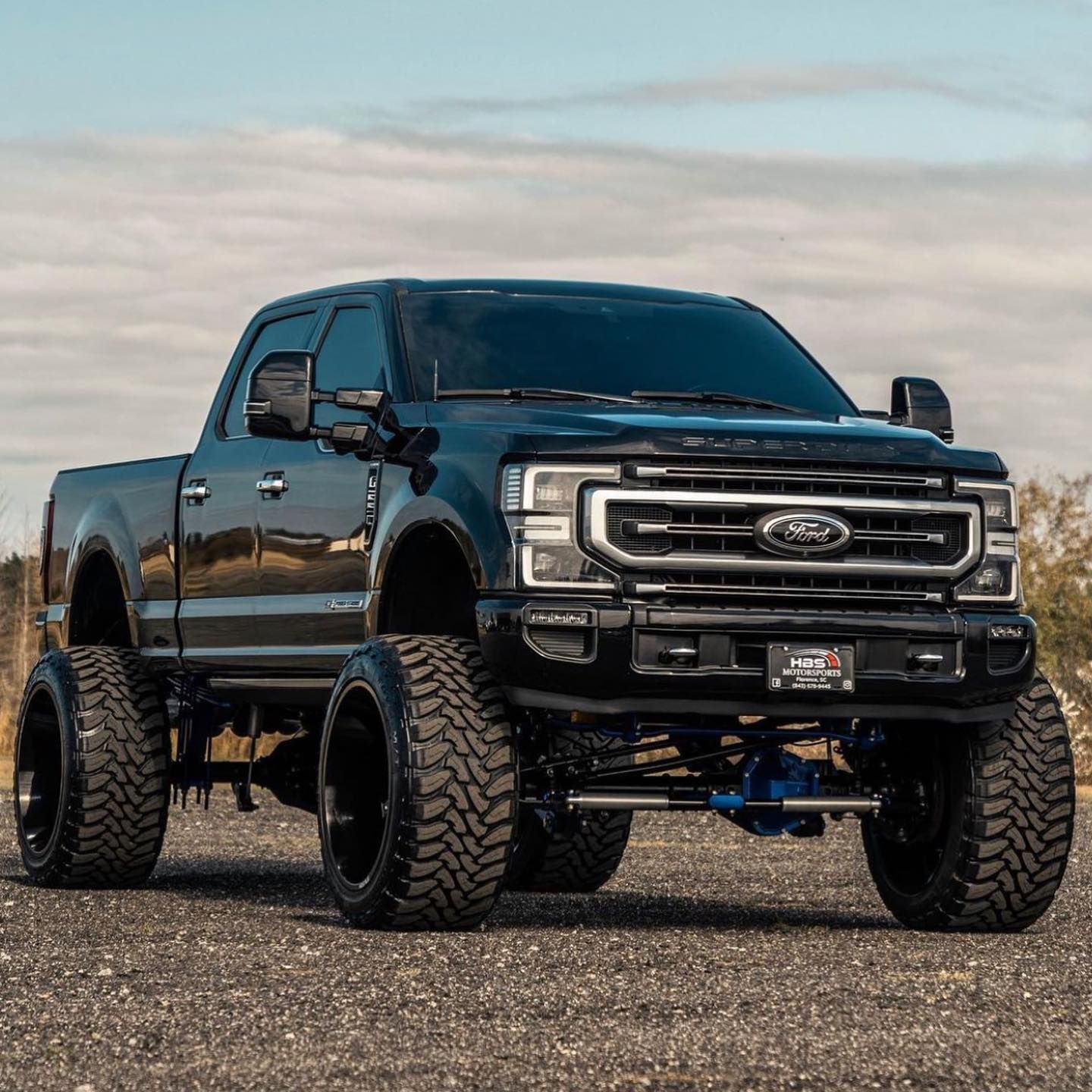
Ford Lifted Trucks: The Ultimate Guide to Elevated Power and Performance
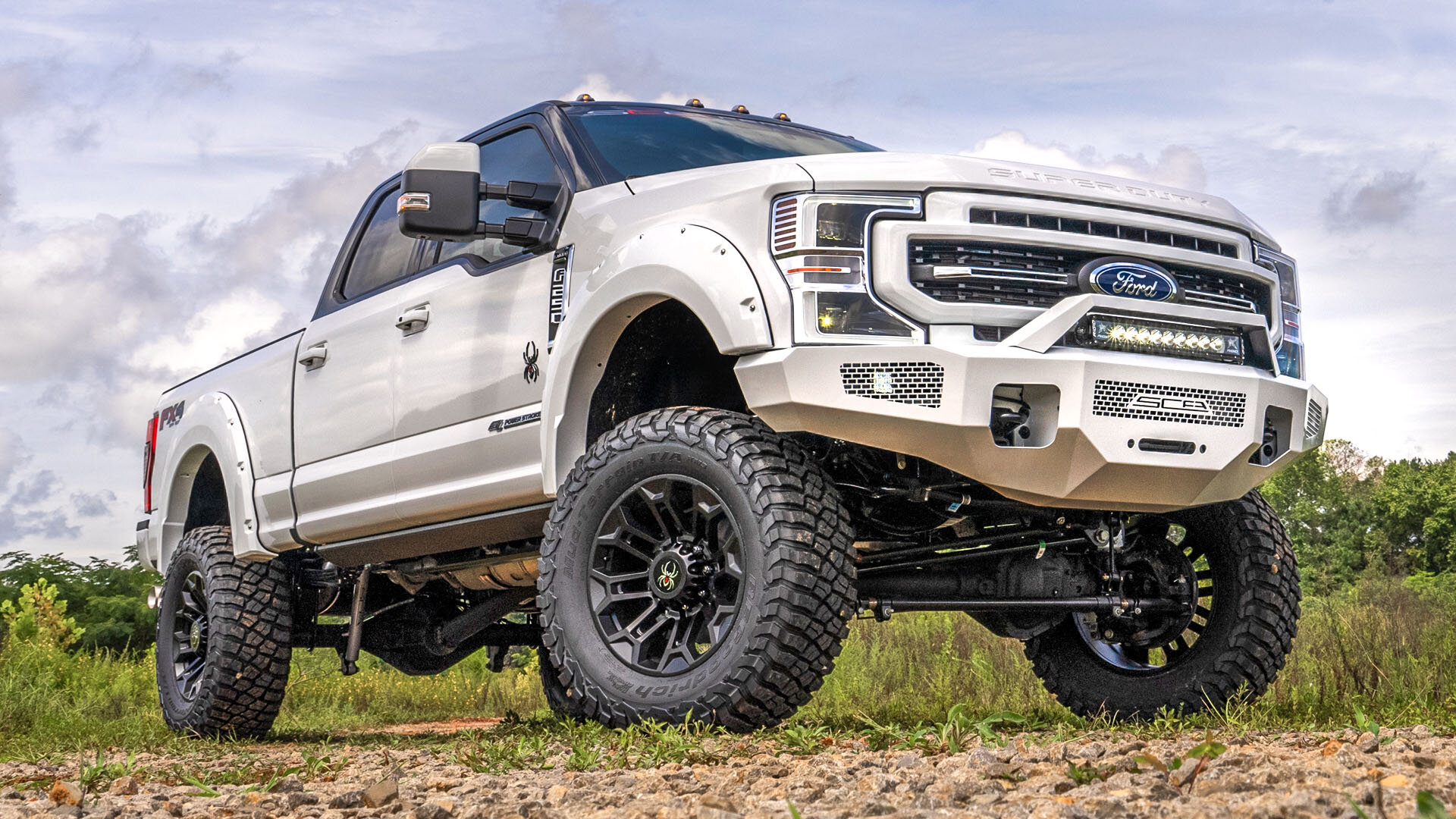
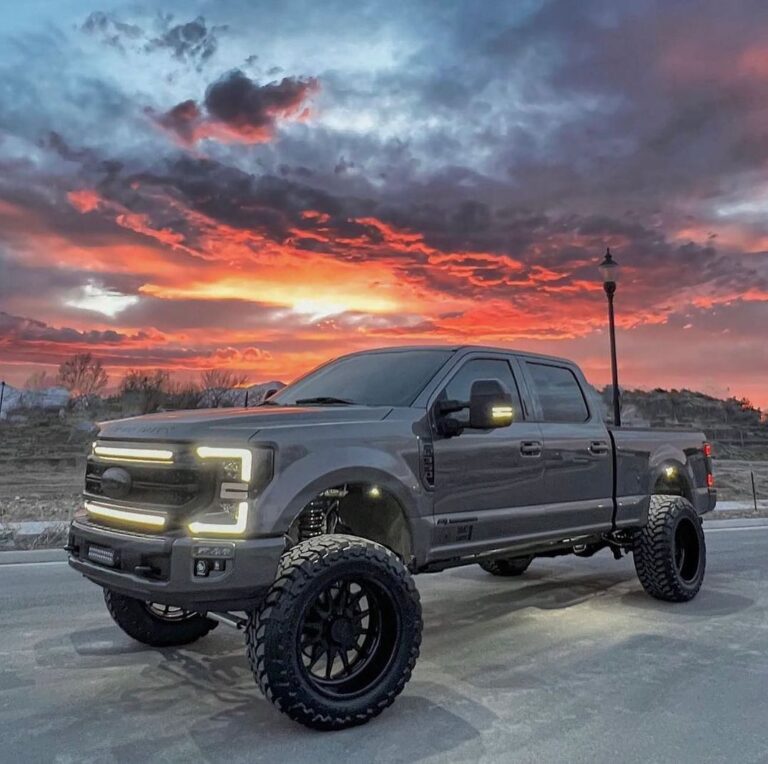
Ford trucks have long been synonymous with power, durability, and American ingenuity. When you add a lift to these already formidable machines, you transform them into something even more commanding: a Ford lifted truck. These vehicles represent a fusion of rugged capability and aggressive aesthetics, designed for those who demand more from their ride, whether it’s conquering challenging off-road trails, achieving a distinct visual presence, or simply maximizing utility.
A Ford lifted truck is a standard Ford pickup (such as an F-150, Super Duty, Ranger, or Bronco) that has been modified with a lift kit. This modification raises the truck’s body or suspension, increasing its ground clearance and allowing for larger tires. Beyond the immediate visual impact, lifted Fords offer significant practical advantages, making them a popular choice among off-road enthusiasts, workers who need enhanced capability, and anyone looking to make a bold statement on or off the pavement. Understanding the nuances of lifting a Ford truck is crucial for anyone considering this exciting upgrade.
What is a Lifted Truck and Why Ford?
At its core, a lifted truck is a vehicle whose ride height has been increased beyond its factory specifications. This is primarily achieved through two main types of lift kits: body lifts and suspension lifts, each with distinct methods and outcomes.
Body Lifts involve installing spacers between the truck’s frame and its body. This raises the body relative to the frame, providing additional clearance without altering the suspension geometry. They are generally less expensive and easier to install, primarily offering space for larger tires and an elevated look.
Suspension Lifts, on the other hand, modify the truck’s actual suspension components. This can involve replacing shocks, springs, control arms, or leaf springs with longer or more robust versions. Suspension lifts genuinely increase ground clearance and often improve wheel articulation, making them the preferred choice for serious off-road performance.
Why Ford? Ford trucks are an ideal platform for lifting due to several key factors:
- Robust Foundation: Ford’s F-Series trucks, in particular, are built with heavy-duty frames and powertrains, providing a solid base that can handle the stresses of a lift and larger tires.
- Vast Aftermarket Support: Ford trucks boast one of the largest and most diverse aftermarket industries. This means an abundance of lift kits, components, and accessories from countless manufacturers, catering to every budget and performance need.
- Range of Models: From the versatile F-150 and the heavy-duty Super Duty series (F-250, F-350) to the agile Ranger and the off-road-ready Bronco, Ford offers a truck for every purpose, each with extensive lifting potential.
- Proven Durability: Ford’s reputation for reliability and longevity ensures that a properly lifted and maintained truck will continue to perform for years.
The Benefits of Lifting Your Ford Truck
Lifting your Ford truck offers a compelling array of advantages that go beyond just aesthetics:
- Enhanced Off-Road Capability: This is perhaps the most significant benefit. Increased ground clearance allows you to clear obstacles like rocks, logs, and deep ruts without damaging the undercarriage. Better approach, departure, and break-over angles prevent scraping bumpers or the frame when traversing uneven terrain.
- Accommodating Larger Tires: Lift kits are essential for fitting larger diameter tires, which provide increased traction, improved flotation over soft surfaces (like sand or mud), and further enhance ground clearance.
- Improved Aesthetics and Presence: A lifted Ford truck simply looks more aggressive, powerful, and imposing. It stands out from the crowd, reflecting a rugged and adventurous personality.
- Increased Visibility: Sitting higher in the cab provides a commanding view of the road, allowing you to see further ahead and over traffic, which can be an advantage in certain driving situations.
- Customization and Personalization: Lifting your truck is a major step in personalizing your vehicle, allowing you to tailor its look and performance to your specific tastes and needs, making it truly unique.
- Improved Towing and Hauling (Super Duty Specific): While not universally true for all lifts, some heavy-duty suspension lifts designed for Super Duty trucks can improve stability and handling when towing heavy loads, especially with upgraded springs and shocks.
Types of Ford Lift Kits and How They Work
Understanding the different types of lift kits is crucial for making an informed decision about your Ford.
Suspension Lift Kits
These are the most popular and comprehensive type of lift, directly altering the truck’s suspension system.
- Coilover Lifts: Replace the factory coil springs and shock absorbers with integrated coilover units, often adjustable for ride height and damping. Offer excellent performance and ride quality.
- Block Kits: For rear axles, these involve placing spacer blocks between the leaf springs and the axle to raise the rear. Simple and effective for moderate lifts.
- Add-a-Leaf Kits: Involve adding an extra leaf spring to the existing leaf spring pack, stiffening the rear suspension and providing lift.
- Full Suspension Systems: These are comprehensive kits that can include new control arms, knuckles, steering components, shocks, springs, and sometimes even drive shaft modifications. They are designed for significant lifts (4 inches or more) and serious off-road performance. They maintain proper suspension geometry for optimal handling.
How they work: Suspension lifts essentially extend the vertical travel of the suspension components, raising the entire chassis and body relative to the wheels. This directly increases ground clearance.
Body Lift Kits
- Spacers: Consist of durable pucks or blocks placed between the truck’s body mounts and the frame. Longer bolts secure the body to the frame through these spacers.
How they work: Body lifts simply raise the body of the truck, leaving the frame, suspension, and driveline at their original height. This primarily creates space for larger tires and enhances the truck’s visual height without impacting suspension geometry or ground clearance under the axles. They typically offer 1-3 inches of lift.
Leveling Kits
While not full lift kits, leveling kits are a common modification. Most factory trucks sit slightly lower in the front to compensate for potential heavy loads in the bed. A leveling kit raises the front of the truck by 1-2.5 inches to match the height of the rear, eliminating the factory rake. This provides a minor lift, allows for slightly larger tires, and improves the aesthetic.
Key Considerations Before Lifting Your Ford
Lifting your Ford is a significant modification with several important factors to consider:
- Cost: Beyond the kit itself, factor in professional installation, alignment, and potentially new, larger tires and wheels. Costs can range from a few hundred dollars for a leveling kit to several thousands for a premium suspension lift with installation and new rubber.
- Legality: Check local and state laws regarding maximum vehicle height, bumper height, and tire protrusion. Some areas have strict regulations.
- Warranty Impact: Most aftermarket modifications, including lift kits, can potentially void parts of your factory warranty, particularly components directly affected by the lift (e.g., suspension, driveline). Consult with your dealership beforehand.
- Ride Quality and Handling: Suspension lifts can alter the truck’s ride characteristics. While many modern kits are designed to maintain or even improve ride quality, some may result in a stiffer or bouncier ride. The higher center of gravity will also affect handling, especially when cornering.
- Safety: A higher center of gravity can increase the risk of rollovers, particularly with extreme lifts or improper installation. Braking performance can also be affected, especially with heavier, larger tires. Proper alignment and brake upgrades are crucial.
- Maintenance and Wear: Lifted trucks, especially those frequently used off-road, may experience increased wear on components like ball joints, tie rods, CV joints, and universal joints due to altered angles and increased stress. Regular maintenance is essential.
- Tire Size and Gearing: Larger tires increase the effective gear ratio, which can reduce acceleration and fuel economy. Re-gearing the differentials might be necessary to restore optimal performance, especially for larger tire sizes (35 inches and above) or for towing.
- Professional Installation vs. DIY: While some simpler kits can be installed by experienced DIYers, complex suspension lifts require specialized tools, knowledge of suspension geometry, and post-installation alignment. Professional installation ensures safety and proper functionality.
Popular Ford Models for Lifting and Aftermarket Support
Almost any Ford truck can be lifted, but some models are particularly popular due to their robust design and extensive aftermarket support:
- Ford F-150: The best-selling truck in America is also the most popular for lifting. Its coil-over front suspension (on 4×4 models) and leaf-spring rear make it highly adaptable. The aftermarket offers everything from 2-inch leveling kits to 8-inch full suspension systems.
- Ford Super Duty (F-250, F-350): These heavy-duty trucks are often lifted for increased ground clearance for construction sites, heavy-duty off-roading, or simply for a commanding presence. Given their weight and capabilities, Super Duty lifts often involve more robust components.
- Ford Ranger: As a mid-size truck, the Ranger offers a more nimble platform for off-roading. Lifts enhance its trail capabilities and give it a more aggressive stance, bridging the gap between full-size trucks and SUVs.
- Ford Bronco: Designed from the ground up for off-road adventure, the Bronco is a natural candidate for lifting. Its independent front suspension and solid rear axle design allow for significant articulation and lift potential, further enhancing its already impressive capabilities.
Major aftermarket brands like Rough Country, BDS Suspension, Fabtech, Zone Offroad, Rancho, and Icon Vehicle Dynamics offer a vast array of lift kits and accessories specifically designed for Ford trucks, ensuring quality and performance.
Practical Advice and Actionable Insights
If you’re considering a Ford lifted truck, here’s some practical advice:
- Define Your Purpose: Are you lifting for aesthetics, serious off-roading, or a balance of both? Your intended use will dictate the type and extent of the lift kit you need.
- Set a Realistic Budget: Don’t just budget for the lift kit. Account for installation, alignment, potentially new wheels, and larger tires. Remember that cheaper isn’t always better when it comes to suspension components.
- Research Thoroughly: Read reviews, watch installation videos, and join online forums specific to your Ford model and lift kits. Learn from others’ experiences.
- Choose Reputable Brands: Stick with well-known and respected aftermarket manufacturers that offer warranties and have a proven track record.
- Consider Professional Installation: Unless you have extensive mechanical experience and the right tools, professional installation is highly recommended for suspension lifts. It ensures safety, proper alignment, and optimal performance.
- Factor in Tire and Wheel Upgrades: A lift without larger tires often looks disproportionate. Research tire sizes compatible with your chosen lift height and consider wheels with appropriate backspacing and offset to prevent rubbing.
- Understand the Legalities: Ignorance of local laws is not an excuse. Ensure your lifted truck complies with all vehicle height and modification regulations.
- Adjust Your Driving Style: A lifted truck handles differently. Be aware of the higher center of gravity, increased braking distances (especially with heavier tires), and changes in cornering dynamics.
- Plan for Maintenance: Schedule regular inspections of your suspension components, steering, and driveline, especially after off-road excursions.
Price Table for Ford Lifted Trucks (Estimated Ranges)
Please note: These prices are estimated ranges and can vary significantly based on the specific Ford model (e.g., F-150 vs. Super Duty), brand of the lift kit, geographic location for installation, and whether additional components (e.g., new wheels, tires, re-gearing) are included. Always get specific quotes from reputable shops.
| Lift Type | Lift Height Range | Kit Price Range (DIY) | Estimated Installation Cost Range | Total Estimated Cost Range (Kit + Install) |
|---|---|---|---|---|
| Leveling Kit | 1.5 – 2.5 inches | $100 – $400 | $200 – $600 | $300 – $1,000 |
| Body Lift Kit | 1 – 3 inches | $200 – $600 | $400 – $1,000 | $600 – $1,600 |
| Basic Suspension Lift | 2.5 – 4 inches | $500 – $1,500 | $600 – $1,500 | $1,100 – $3,000 |
| Mid-Range Suspension Lift | 4 – 6 inches | $1,500 – $3,500 | $800 – $2,000 | $2,300 – $5,500 |
| Premium Suspension Lift | 6 – 8+ inches | $3,000 – $8,000+ | $1,000 – $3,000+ | $4,000 – $11,000+ |
| Super Duty Specific Lift | 4 – 8+ inches | $2,000 – $10,000+ | $1,200 – $4,000+ | $3,200 – $14,000+ |
Note: These prices do NOT include the cost of new tires, wheels, alignment after installation (typically $100-$200), or potential re-gearing (which can add $1,500 – $3,000+ per axle).
Conclusion
Ford lifted trucks embody the spirit of adventure and rugged capability, offering a unique blend of style, performance, and utility. From conquering challenging terrains to making a bold statement on the asphalt, the appeal of an elevated Ford is undeniable. However, transforming your truck requires careful consideration, thorough research, and a clear understanding of the implications. By weighing the benefits against the potential challenges and making informed decisions about the type of lift, installation, and ongoing maintenance, you can ensure your ford lifted trucks provides years of elevated performance and satisfaction. It’s more than just raising a vehicle; it’s about elevating your driving experience and unlocking new possibilities.
Frequently Asked Questions (FAQ) about Ford Lifted Trucks
Q1: Does lifting my Ford truck void the warranty?
A1: It depends. The Magnuson-Moss Warranty Act prevents manufacturers from voiding an entire warranty due to aftermarket parts. However, if a lift kit or its installation directly causes a failure in a specific component (e.g., suspension, driveline), that component’s warranty coverage might be denied. It’s best to discuss your plans with your Ford dealership beforehand.
Q2: How much does it cost to lift a Ford truck?
A2: The cost varies significantly. A basic leveling kit might be $300-$1,000 installed, while a comprehensive 6-inch suspension lift with professional installation can range from $4,000 to $8,000 or more, not including new tires and wheels. See the price table above for estimated ranges.
Q3: What’s the difference between a body lift and a suspension lift?
A3: A body lift uses spacers to raise the truck’s body off its frame, providing clearance for larger tires but not increasing ground clearance under the axles. A suspension lift modifies the actual suspension components (shocks, springs, control arms) to raise the entire chassis and increase ground clearance, often improving off-road performance.
Q4: Will a lift kit affect my truck’s ride quality?
A4: Yes, it can. While many modern lift kits are designed to maintain or even improve ride quality, some can result in a stiffer, bouncier, or less comfortable ride, especially if the components are not matched well or are very stiff for off-road performance.
Q5: What tire size can I fit with a lift?
A5: This depends on the specific Ford model, the type of lift, and the wheel offset/backspacing. Generally:
- Leveling Kit (1.5-2.5 inches): Can usually fit 33-inch tires.
- 3-4 inch Suspension Lift: Often accommodates 33-35 inch tires.
- 6-inch Suspension Lift: Typically fits 35-37 inch tires.
Always check manufacturer recommendations and consult with a professional to ensure proper fitment without rubbing.
Q6: Are lifted trucks safe?
A6: When properly installed by professionals and maintained, lifted trucks can be safe. However, they have a higher center of gravity, which can affect stability and increase the risk of rollovers in extreme maneuvers. They also have different handling characteristics, and larger tires can impact braking. Drivers need to adjust their driving style and ensure all components are high-quality and correctly installed.
Q7: How long does it take to install a lift kit?
A7: Installation time varies widely. A leveling kit might take 2-4 hours. A body lift could be 4-8 hours. A full suspension lift can take anywhere from 8 hours to a full day or two, depending on the complexity of the kit and the experience of the installer. This does not include alignment time.