Do Lifted Trucks Ride Rough? Unveiling the Truth About Lifted Suspension
Do Lifted Trucks Ride Rough? Unveiling the Truth About Lifted Suspension
The sight of a lifted truck commands attention, projecting an image of power, capability, and adventure. From conquering rugged trails to simply standing out in a crowded parking lot, the appeal of a raised stance is undeniable. However, beneath the impressive aesthetics lies a question that frequently surfaces among enthusiasts and potential owners alike: do lifted trucks ride rough?
This isn’t a simple yes or no query. The answer is nuanced, depending on a multitude of factors ranging from the type of lift kit installed to the quality of its components, the chosen tires, and even the expertise of the installation. Understanding these elements is crucial for anyone considering a lift, as ride quality directly impacts daily comfort, long-term enjoyment, and even the safety of your vehicle. In this comprehensive guide, we’ll delve deep into the mechanics of lifted trucks, exploring what influences their ride, how to mitigate potential roughness, and what practical advice can help you achieve the best possible balance between height and comfort.
The Science Behind the Lift: How Lifts Affect Ride Quality
When a truck is lifted, its factory suspension geometry is fundamentally altered. This change is the primary reason why do lifted trucks ride rough can be a valid concern.
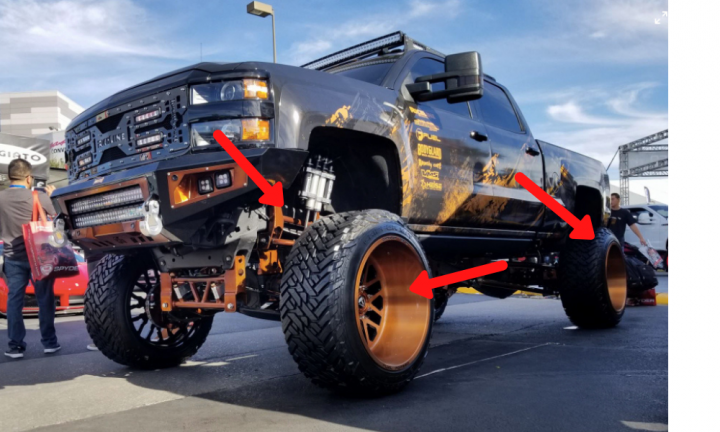
- Suspension Geometry Alterations: Raising the vehicle changes the angles of crucial components like control arms, tie rods, and driveshafts. Without proper correction, these components operate at steeper angles than intended, leading to binding, accelerated wear, and a harsher ride as the suspension struggles to articulate smoothly.
- Springs and Shocks: Lift kits often include stiffer springs (coils or leaf springs) to support the increased height and potentially heavier aftermarket accessories. While necessary for the lift, stiffer springs reduce the suspension’s ability to absorb smaller bumps, transferring more road imperfections directly to the cabin. Shocks, which dampen spring oscillation, must also be longer to accommodate the increased travel. Budget shocks may not be adequately valved for the new spring rates or the truck’s weight, leading to a bouncy or overly stiff feel.
- Tires and Wheels: Larger, heavier tires, especially those with aggressive off-road treads (mud-terrain or MTs), significantly contribute to a rougher ride. Their stiffer sidewalls, larger unsprung weight, and pronounced tread blocks transmit more vibrations and road noise into the cabin. Lower-profile tires on larger wheels also reduce the cushioning effect of the tire’s sidewall.
- Center of Gravity: Raising the truck’s center of gravity can alter its handling dynamics. While not directly causing "roughness," it can make the vehicle feel less stable and more prone to body roll, which some drivers might perceive as a less comfortable or confident ride.
Factors That Determine Ride Roughness
The degree to which do lifted trucks ride rough varies wildly based on several key factors:
Type of Lift Kit
- Body Lifts: These lifts raise the body from the frame using spacers, leaving the suspension geometry largely untouched. As such, they typically have minimal impact on ride quality.
- Leveling Kits: Often 1-3 inches, these lifts raise the front of the truck to match the rear. They usually involve coil spacers or torsion bar keys. While minor, they can slightly stiffen the front end, particularly if the factory shocks are over-extended.
- Suspension Lifts: These are the most common and impactful.
- Basic Block/Spacer Lifts: Often the cheapest, these use blocks under leaf springs and spacers above coil springs. They extend the factory components without correcting geometry, almost guaranteeing a rougher ride due to over-extended shocks and poor angles.
- Full Suspension Kits: These replace components like springs, shocks, control arms, and sometimes include drop brackets for differential and transfer case. The quality of these replacement parts is paramount.
- Coilover Conversions: High-end systems that replace factory springs and shocks with adjustable coil-over shocks. These often offer excellent ride quality and tunability, but come at a premium.
Quality of Components
This is arguably the most critical factor.
- Shocks: High-quality shocks (e.g., Fox, King, Bilstein, Icon) are engineered with superior valving and materials to absorb impacts efficiently and manage spring oscillation. Adjustable shocks allow fine-tuning. Budget shocks often prioritize cost over performance, leading to a harsh or bouncy ride.
- Springs: Progressive rate springs offer a softer initial compression for small bumps and stiffen up as they compress further, providing a smoother ride than linear rate springs which are consistently stiff.
- Control Arms/Leaf Springs: Aftermarket control arms designed to correct geometry, or higher-quality leaf springs, significantly improve ride and articulation.
Installation Quality
A poorly installed lift, even with good components, can ruin ride quality. Improper alignment, incorrect torque settings, or misaligned components can lead to binding, vibrations, and premature wear. Professional installation and a post-lift alignment are non-negotiable.
Tire Choice and Pressure
As mentioned, aggressive mud-terrain (MT) tires are inherently rougher and noisier than all-terrain (AT) or highway-terrain (HT) tires. Their heavier weight also adds to unsprung mass, making the suspension work harder. Furthermore, improper tire pressure – often over-inflating large tires to maintain shape – can make the ride extremely harsh.
Vehicle Weight and Usage
A truck loaded with gear or towing may feel smoother than an empty truck because the added weight compresses the suspension slightly, making it more active. Conversely, an empty truck with a stiff lift might feel particularly jarring.
The Spectrum of "Rough": From Minor Stiffening to Bone-Jolting
To answer do lifted trucks ride rough more precisely, it helps to categorize the potential roughness:
- Mildly Stiffer: A well-designed 2-3 inch suspension lift with quality shocks and appropriate tires usually results in a ride that is firmer than stock but still comfortable for daily driving. It might feel more controlled and less floaty.
- Moderately Rough: This often comes from basic suspension lifts (e.g., spacer lifts over 3 inches, or basic full kits) combined with budget shocks and moderately aggressive tires. You’ll notice more bumps and road imperfections, and the ride might be a bit bouncy.
- Significantly Rough: This is the "bone-jolting" scenario. It typically results from large lifts (6+ inches) installed with cheap components, no geometry correction, very aggressive/heavy tires, and often improper installation. The truck will feel unstable, harsh over bumps, and transmit every road imperfection directly.
Mitigating the Roughness: Practical Advice for a Smoother Ride
For those wondering do lifted trucks ride rough and how to avoid it, here’s actionable advice:
- Invest in Quality Components: This is paramount. Prioritize high-end shocks (e.g., remote reservoir, adjustable damping) and progressive rate springs. They are the primary determinants of ride comfort.
- Correct Suspension Geometry: For larger lifts (4+ inches), ensure the kit includes or you purchase aftermarket components like extended control arms, drop brackets, track bar relocation brackets, and extended sway bar links to restore factory-like geometry.
- Choose Appropriate Tires: For daily drivers, consider all-terrain (AT) tires over aggressive mud-terrain (MT) tires. ATs offer a good balance of off-road capability and on-road comfort. Ensure you select a size appropriate for your lift and application.
- Maintain Proper Tire Pressure: Use the "chalk test" or consult tire manufacturers’ recommendations for your specific tire/vehicle combination rather than just the truck’s door jamb sticker. Over-inflated tires are a common cause of harshness.
- Professional Installation and Alignment: Always have your lift installed by experienced professionals and get a proper alignment immediately afterward. This ensures all components are correctly seated and angles are optimized.
- Consider Adjustable Shocks: Shocks with adjustable damping allow you to fine-tune the ride stiffness for different conditions, such as daily driving versus off-roading or towing.
- Add Weight (if applicable): For trucks with very stiff rear leaf springs, adding weight like a bed toolbox, heavy-duty bumper, or even a few sandbags can sometimes help settle the suspension and improve ride quality.
Challenges and Considerations
While a smoother lifted ride is achievable, there are challenges:
- Cost: Achieving a comfortable, high-performance lifted ride is not cheap. Quality components demand a premium price.
- Maintenance: More complex suspension systems, especially those with adjustable components, may require more frequent inspection and maintenance.
- Wear and Tear: Even with the best components, lifting a truck can put additional stress on other drivetrain components like driveshafts, CV joints, and steering linkages, potentially leading to faster wear.
- Safety: A higher center of gravity can affect handling, especially in emergency maneuvers. Always drive responsibly.
Price Table: Cost Implications of Lift Components and Ride Quality
Understanding the cost of different components can help you make informed decisions when addressing the question, do lifted trucks ride rough? This table outlines general price ranges and their typical impact on ride quality. Prices are estimates and can vary significantly based on brand, vehicle model, and specific features.
| Component Type | Description | Estimated Price Range (USD) | Typical Impact on Ride Quality |
|---|---|---|---|
| Basic Leveling Kit | Spacers/blocks for front (1-3 inches). | $50 – $300 | Minimal, slightly stiffer front. |
| Budget Suspension Lift | Spacers/blocks, basic shocks (2-4 inches). | $300 – $800 | Noticeably rougher, bouncy, especially over bumps. |
| Mid-Range Suspension Lift | New springs, shocks, some geometry correction (3-6 inches). | $800 – $2,500 | Firmer than stock, but more controlled. Can still be stiff. |
| Premium Suspension Lift | High-end shocks (Fox, King), progressive springs, full geometry correction (3-6 inches). | $2,500 – $6,000+ | Significantly improved over mid-range; often near-stock comfort or better. |
| Coilover Conversion Kit | Replaces factory shocks/springs with adjustable coilovers. | $2,000 – $8,000+ | Excellent tunability, can achieve very comfortable or performance-oriented ride. |
| Aftermarket Control Arms | Corrects geometry for lifts (upper/lower). | $400 – $1,200 (per pair) | Essential for improving ride quality and articulation on larger lifts. |
| Heavy-Duty Leaf Springs | Replaces factory leaf springs for rear lift. | $300 – $800 (per pair) | Can improve load capacity and ride if properly matched to weight. |
| High-Quality Shocks (Individual) | Premium shocks like Fox, King, Bilstein. | $150 – $1,000+ (per shock) | The single most impactful upgrade for ride comfort. |
| Aggressive MT Tires | Large, heavy, stiff sidewall mud-terrain tires. | $250 – $600+ (per tire) | Significantly rougher, noisier, harsher ride. |
| All-Terrain (AT) Tires | Balanced tread for on/off-road. | $200 – $500 (per tire) | Better ride quality than MTs, still firmer than highway tires. |
| Professional Installation | Labor costs for proper installation and alignment. | $500 – $1,500+ | Crucial for optimal performance and preventing further issues. |
Conclusion
So, do lifted trucks ride rough? The definitive answer is: it depends. While lifting a truck inherently changes its dynamics and often results in a firmer ride than stock, it doesn’t automatically condemn you to a bone-jarring experience. The key lies in understanding the complex interplay of components, quality, and installation. By making informed choices, investing in quality parts, and ensuring professional installation, you can achieve a lifted truck that not only looks impressive but also delivers a surprisingly comfortable and capable ride. The allure of a lifted truck doesn’t have to come at the expense of your daily comfort. With careful planning and smart decisions, you can enjoy the best of both worlds.
For further information on optimizing your lifted truck’s ride quality, visit:
Frequently Asked Questions (FAQ)
Q1: What’s the best type of lift for ride quality?
A1: Generally, full suspension lift kits that replace factory springs and shocks with high-quality, application-specific components (especially those with progressive rate springs and adjustable premium shocks like coilovers) offer the best ride quality. Body lifts have minimal impact on ride quality as they don’t alter the suspension.
Q2: Do bigger tires make the ride rougher?
A2: Yes, absolutely. Larger, heavier tires, especially those with aggressive tread patterns (mud-terrains) and stiffer sidewalls, significantly contribute to a rougher, noisier, and harsher ride by increasing unsprung weight and transmitting more road imperfections.
Q3: Can a body lift make the ride rough?
A3: No, a body lift alone does not make the ride rough. Body lifts only raise the truck’s body from the frame using spacers, leaving the suspension components and geometry untouched. The ride quality will remain virtually identical to stock, assuming no other suspension modifications are made.
Q4: How much does it cost to make a lifted truck ride smoother?
A4: The cost varies widely depending on your current setup and desired improvement. Upgrading to high-quality shocks alone can range from $600-$4,000+. A complete premium suspension kit designed for comfort can cost anywhere from $2,500 to $8,000+. Addressing tire choice and proper alignment are more affordable steps that can also make a big difference.
Q5: Is it safe to drive a lifted truck?
A5: Yes, a properly installed and maintained lifted truck can be safe to drive. However, lifting a truck raises its center of gravity, which can affect handling, especially during emergency braking or sharp turns. It’s crucial to ensure proper geometry correction, professional alignment, and to adjust your driving style to account for the altered dynamics. Always check local laws regarding maximum lift height.