The Comprehensive Guide to Lifted Trucks
The Comprehensive Guide to Lifted Trucks
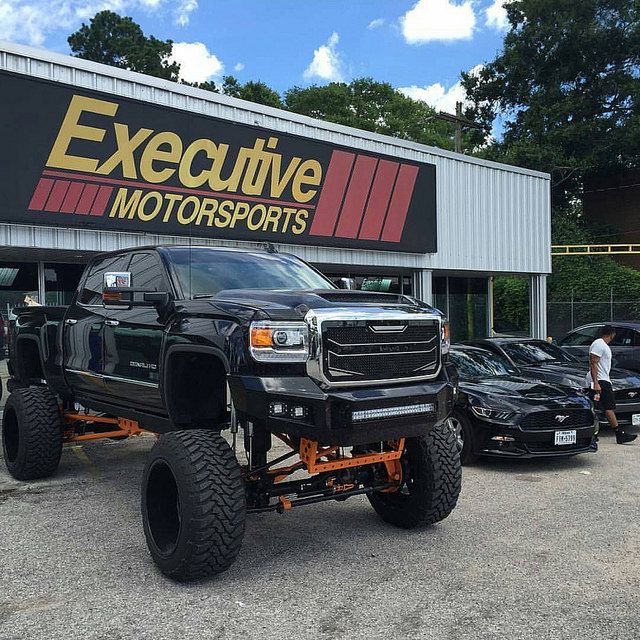
Lifted trucks stand as a prominent symbol of power, capability, and individual expression in the automotive world. More than just an aesthetic modification, lifting a truck transforms its functionality, performance, and presence, opening up new horizons for off-road enthusiasts, utility-focused drivers, and those who simply appreciate a commanding stance. This article serves as an in-depth guide to understanding lifted trucks, exploring everything from the mechanics of lifting to the practical considerations and benefits, ensuring you’re well-equipped with the knowledge to navigate this exciting segment of vehicle customization.
What Exactly Are Lifted Trucks? Defining the Elevated Experience
At its core, a lifted truck is a pickup truck or SUV that has had its suspension and/or body modified to sit higher off the ground than its factory specifications. This elevation can range from a subtle leveling of the front end to significant increases in ground clearance, allowing for larger tires and a more aggressive posture. The primary motivations behind lifting a truck typically fall into two categories:
- Functionality: Enhancing off-road capability by increasing ground clearance, improving approach, departure, and break-over angles, and accommodating larger, more aggressive tires for superior traction on challenging terrain.
- Aesthetics: Achieving a distinctive, imposing look that stands out from stock vehicles, often associated with a sense of ruggedness, power, and personalized style.
Understanding the various methods and implications of lifting is crucial for anyone considering this modification, as it impacts everything from vehicle handling to maintenance and legality.
The Allure and Benefits of Lifting Your Truck
The appeal of lifted trucks is multifaceted, blending practical advantages with undeniable visual impact.
Enhanced Off-Road Capability
This is arguably the most significant functional benefit. Increased ground clearance means less chance of scraping the undercarriage on rocks, logs, or deep ruts. Improved approach and departure angles allow the truck to climb steeper obstacles and descend without damaging bumpers or other components. Furthermore, the ability to fit larger, more aggressive tires significantly boosts traction on mud, sand, snow, and rocky trails.
Superior Visibility
Sitting higher provides a commanding view of the road and surrounding terrain. This improved vantage point can be beneficial in traffic, when towing, or navigating crowded areas, offering a broader perspective of potential hazards.
Distinctive Aesthetics and Personalization
For many, the primary driver is the unique look. A lifted truck exudes an undeniable presence, projecting an image of strength and capability. It allows owners to personalize their vehicle, making it a reflection of their personality and lifestyle, often turning heads wherever they go.
Increased Utility
In certain scenarios, the added height can be practical for specific tasks, such as navigating floodwaters (with caution and within safe limits) or accessing high-clearance areas that a stock truck couldn’t reach. The ability to fit larger tires can also mean increased load-carrying capacity in some setups, though this must always be carefully balanced with suspension geometry and safety.
Types of Lift Kits: Choosing Your Elevation
Not all lift kits are created equal. They vary significantly in design, complexity, cost, and the amount of lift they provide. Understanding the different types is key to choosing the right setup for your needs.
1. Leveling Kits
- Purpose: To raise the front of the truck to match the height of the rear, eliminating the factory "rake" (where the front sits slightly lower than the back).
- Components: Spacers that mount on top of the front coil springs or struts, or longer coil springs/struts themselves.
- Lift Height: Typically 1-3 inches.
- Benefits: Inexpensive, relatively easy to install, maintains factory ride quality, allows for slightly larger tires (usually 33-inch).
- Considerations: Minimal ground clearance increase, purely aesthetic or for minor tire clearance.
2. Body Lift Kits
- Purpose: To raise the truck’s body from its frame, leaving the suspension and drivetrain at their original height.
- Components: Spacers (pucks) that are installed between the body and the frame, along with steering extensions, bumper relocation brackets, and sometimes longer fuel filler necks or wiring extensions.
- Lift Height: Typically 1-3 inches.
- Benefits: Affordable, maintains factory ride quality, doesn’t alter suspension geometry, allows for larger tires.
- Considerations: Doesn’t increase ground clearance (only the body sits higher), exposes more of the frame, can be more complex to install than a leveling kit due to numerous body-to-frame connections.
3. Suspension Lift Kits
- Purpose: To raise the entire chassis of the truck by modifying or replacing suspension components. This is the most comprehensive and effective way to gain significant ground clearance and accommodate much larger tires.
- Components: Can include new coil springs, leaf springs, shock absorbers, control arms, steering knuckles, subframes, sway bar links, brake line extensions, and driveline modifications.
- Lift Height: Can range from 2 inches to 12 inches or more.
- Benefits: Significant increase in ground clearance, vastly improved off-road capability, allows for very large tires (35-inch, 37-inch, or even larger), robust and durable.
- Considerations: More expensive and complex to install, can significantly alter ride quality and handling (depending on kit quality and setup), may require additional modifications (e.g., re-gearing, driveshaft work), can impact warranty, legal restrictions in some areas.
The Lifting Process: A General Overview
While a full DIY suspension lift is often not recommended for beginners due to the complexity and safety implications, understanding the general process is valuable.
- Component Selection: Choosing the right lift kit based on desired height, budget, intended use (e.g., daily driving, serious off-roading), and tire size.
- Preparation: Safely jacking up the vehicle and supporting it on jack stands, removing wheels, and sometimes removing factory suspension components.
- Installation: This varies widely by kit type.
- Leveling Kits: Installing spacers or new struts/shocks in the front.
- Body Lifts: Removing body mounts, inserting spacers, and extending various connections.
- Suspension Lifts: Replacing springs, shocks, control arms, drop brackets, and potentially modifying driveline components.
- Reassembly and Inspection: Reattaching all components, ensuring proper torque specifications, checking for clearance issues, and bleeding brakes if lines were extended.
- Alignment: Absolutely critical after any suspension modification. A professional alignment ensures proper steering, tire wear, and vehicle handling.
- Test Drive: Carefully test driving the vehicle to check for any unusual noises, vibrations, or handling characteristics.
For most significant lifts, professional installation by a reputable shop specializing in off-road modifications is highly recommended to ensure safety, proper function, and adherence to manufacturer specifications.
Key Considerations Before Lifting
Lifting your truck is a significant modification with several implications beyond just the initial cost.
1. Legality and Regulations
Lift laws vary by state and even by municipality. These laws often dictate maximum bumper height, overall vehicle height, and headlight height. Always research local regulations to ensure your planned modifications are street-legal. Non-compliance can lead to fines, failed inspections, and insurance issues.
2. Safety and Handling
Lifting a truck raises its center of gravity, which can affect stability, especially during cornering or emergency maneuvers. Higher-quality lift kits are engineered to mitigate these effects, but it’s crucial to understand that handling characteristics will change. Braking distances can also increase, particularly with larger, heavier tires.
3. Ride Quality
While leveling kits and body lifts often retain close to factory ride quality, suspension lifts can significantly alter it. Some kits prioritize off-road performance with stiffer springs and shocks, which can result in a harsher ride on pavement. Research reviews and choose kits known for a comfortable ride if daily driving is a priority.
4. Fuel Economy
Larger, heavier tires and increased aerodynamic drag from the lifted stance almost universally lead to a decrease in fuel efficiency. The extent of this impact depends on the lift height, tire size, and driving habits.
5. Warranty Implications
Modifying your vehicle’s suspension can potentially void portions of your factory warranty, particularly those related to drivetrain and suspension components. Consult with your dealership before making significant changes if warranty coverage is a concern.
6. Related Costs
Beyond the lift kit itself, consider the cost of:
- Larger Tires and Wheels: Often necessary to complete the look and functionality.
- Installation: Professional installation can be a significant expense.
- Alignment: Mandatory after a suspension lift.
- Re-gearing: For very large tires (e.g., 37-inch+), changing differential gears may be necessary to restore lost power and optimize performance.
- Driveshaft Modifications: Extended driveshafts or CV joint angle correction might be needed for higher suspension lifts.
- Maintenance: Potentially increased wear on certain components.
Maintaining Your Lifted Truck
Proper maintenance is even more crucial for lifted trucks, as the modifications can introduce new stresses and wear points.
- Regular Alignment Checks: Due to the altered suspension geometry, alignments can go out of spec more easily, leading to uneven tire wear and poor handling.
- Inspect Suspension Components: Frequently check bushings, ball joints, tie rod ends, and U-joints for wear, cracks, or looseness. The increased angles and stresses can accelerate wear.
- Tire Rotation and Balancing: Essential for maximizing tire life, especially with larger, more aggressive tires.
- Driveshaft and Driveline Inspection: Check for vibrations, unusual noises, and proper lubrication of U-joints, particularly after off-roading.
- Fluid Levels: Monitor differential, transfer case, and transmission fluid levels, especially if new components were added or angles changed.
- Cleanliness: After off-roading, thoroughly clean mud, dirt, and debris from suspension components to prevent corrosion and premature wear.
Common Challenges and Solutions
While exhilarating, lifted trucks can present specific challenges.
- Poor Ride Quality/Handling: Often a result of cheap kits or improper installation. Solution: Invest in quality components, ensure professional installation and alignment, consider adjustable shocks.
- Vibrations: Can stem from incorrect driveline angles, unbalanced tires, or worn components. Solution: Check driveshaft angles (e.g., shims, double cardan shafts), balance tires, inspect U-joints.
- Accelerated Component Wear: Increased angles and stresses on ball joints, tie rods, and CV axles. Solution: Use heavy-duty aftermarket components designed for lifted applications, regular inspection and maintenance.
- Tire Rubbing: Occurs when larger tires make contact with fenders or suspension components during turns or suspension compression. Solution: Proper wheel offset, fender trimming, or a higher lift.
- Increased Braking Distance: Larger, heavier tires require more force to stop. Solution: Upgrade to performance brakes (rotors, calipers, pads) designed for heavier loads.
Practical Advice and Actionable Insights
- Define Your Purpose: Are you lifting for aesthetics, serious off-roading, or a blend of both? Your purpose will dictate the type of lift, tire choice, and budget.
- Research Thoroughly: Don’t jump into the cheapest option. Read reviews, watch installation videos, and understand the pros and cons of different brands and types of kits.
- Set a Realistic Budget: Factor in not just the lift kit and installation, but also new tires, wheels, alignment, and potential future modifications like re-gearing or brake upgrades.
- Choose a Reputable Shop: For suspension lifts, professional installation is key. Look for shops with experienced technicians specializing in off-road and suspension work. Ask for references and check their work.
- Start Small: If unsure, a leveling kit or a mild 2-3 inch suspension lift is a great way to dip your toes in without drastically altering the vehicle’s dynamics or incurring massive costs.
- Consider Future Upgrades: Plan your lift with future modifications in mind (e.g., heavier bumpers, winches) as these can affect ride height and require different spring rates.
Price Table: Estimated Costs for Lifted Truck Modifications
| Modification Type | Components Included | Estimated Price Range (Parts Only) | Estimated Installation Cost | Total Estimated Cost | Notes |
|---|---|---|---|---|---|
| Leveling Kit | Front spacers, sometimes new front shocks | $100 – $400 | $200 – $500 | $300 – $900 | Simple, entry-level. Does not increase ground clearance. |
| Body Lift Kit | Body spacers, steering extension, bumper brackets | $200 – $600 | $400 – $1,000 | $600 – $1,600 | Maintains factory ride. No increase in ground clearance. |
| Mild Suspension Lift | New shocks, coil/leaf springs, sometimes control arms (2-3") | $500 – $1,500 | $600 – $1,200 | $1,100 – $2,700 | Good balance for daily driving and light off-roading. |
| Medium Suspension Lift | New shocks, springs, control arms, drop brackets (4-6") | $1,500 – $4,000 | $1,000 – $2,000 | $2,500 – $6,000 | Significant off-road improvement. May require additional parts like brake line extensions. |
| Extreme Suspension Lift | Complete system including new subframe, long arms (6"+) | $4,000 – $10,000+ | $1,500 – $3,000+ | $5,500 – $13,000+ | For serious off-roading. Often requires extensive additional modifications. |
| Related Costs (Optional/Necessary) | |||||
| Larger Tires | Per tire (e.g., 35-inch mud-terrains) | $250 – $600+ | N/A | $1,000 – $2,400+ | Essential for most lifts. Price varies by size, brand, type. (x4 tires) |
| Aftermarket Wheels | Per wheel | $150 – $500+ | N/A | $600 – $2,000+ | Often desired with larger tires. (x4 wheels) |
| Wheel Alignment | After any suspension modification | N/A | $100 – $250 | $100 – $250 | Crucial for proper handling and tire wear. |
| Re-gearing (Front & Rear) | New ring and pinion gears, installation | $800 – $1,500 | $800 – $1,500 | $1,600 – $3,000 | Recommended for large tires (35"+) to restore power and fuel economy. (per axle) |
| Performance Brakes | Upgraded rotors, calipers, pads | $500 – $2,000+ | $200 – $500 | $700 – $2,500+ | Recommended to improve stopping power with larger tires. |
Note: Prices are estimates and can vary significantly based on vehicle make/model, brand of parts, geographic location, and shop labor rates.
Concluding Summary
Lifted trucks embody a unique blend of rugged utility and bold personal expression. From the subtle refinement of a leveling kit to the dramatic transformation of a full suspension lift, the decision to elevate your truck comes with a host of considerations. Understanding the different types of lifts, their benefits, potential challenges, and associated costs is paramount. By carefully planning your modifications, investing in quality components, and relying on professional installation when necessary, you can unlock the full potential of your truck, whether for conquering challenging trails, enhancing its visual appeal, or simply enjoying the commanding view from an elevated driving position. The journey of owning a lifted truck is one of capability, style, and adventure.
Frequently Asked Questions (FAQ)
Q1: How much does it cost to lift a truck?
A1: The cost varies widely. A leveling kit can be as low as $300-$900 installed, while a full suspension lift can range from $2,500 to over $13,000, including parts and installation, not to mention the cost of larger tires and wheels.
Q2: Will lifting my truck void my warranty?
A2: It might. While the Magnuson-Moss Warranty Act prevents manufacturers from voiding an entire warranty due to aftermarket parts, they can deny warranty claims for specific components that fail as a direct result of the modification. Always check with your dealership.
Q3: How high can I legally lift my truck?
A3: Lift laws vary by state and local jurisdiction. They often regulate maximum bumper height, overall vehicle height, and headlight height. Always research your local laws before modifying.
Q4: Do I need new tires and wheels after lifting my truck?
A4: For most significant suspension lifts, yes. The primary reason for lifting is often to accommodate larger, more aggressive tires, which usually also necessitates new wheels with an appropriate offset. Leveling kits might allow for slightly larger tires without new wheels.
Q5: Will lifting my truck affect its ride quality?
A5: Yes, it can. Leveling and body lifts often maintain factory ride quality. Suspension lifts, however, can significantly alter it. Higher-quality kits are designed to minimize negative impacts, but you might experience a stiffer or different ride.
Q6: What is the difference between a body lift and a suspension lift?
A6: A body lift raises the truck’s body off its frame, increasing space between the body and tires, but not increasing ground clearance. A suspension lift modifies or replaces suspension components to raise the entire chassis and increase ground clearance, allowing for much larger tires.
Q7: Is it safe to lift my truck myself?
A7: While a leveling kit might be manageable for an experienced DIYer, complex suspension lifts are best left to professional shops. They involve critical safety components, require specialized tools, and often necessitate precise adjustments and an alignment afterward. Incorrect installation can lead to dangerous handling issues.
Q8: Will my fuel economy worsen after lifting my truck?
A8: Yes, almost certainly. Larger, heavier tires and increased aerodynamic drag from the raised stance will typically lead to a noticeable decrease in fuel efficiency.
For more detailed information on lifted trucks and available kits, you can explore resources like off-road vehicle customization guides.